Best Bit Sets of 2026: Complete Buying Guide
Disclosure: We may earn a commission when you buy through links on this page, at no extra cost to you. As an Amazon Associate I earn from qualifying purchases. Learn more
The right bit set prevents stripped screws and wandering drill bits. Compare drill, screwdriver, and impact sets and learn how to store them.
A bit set is the difference between a job that goes smoothly and one that stalls on a stripped screw or a wandering drill bit. The right set covers the fasteners and materials you actually work with, with bits that stay sharp and fit properly. This guide to the best bit sets focuses on the types, sizes, and trade offs that affect daily use.
The product table below gives a quick overview of the main options. Use it to narrow your shortlist, then read the sections that follow to confirm which type fits your work and budget.
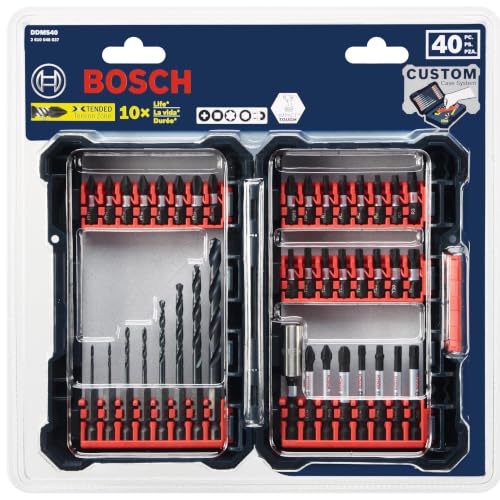


Who Should Buy Bit Sets?
A bit set suits DIYers and tradespeople who drill, drive, and assemble regularly, from furniture to home repairs. A varied set is especially useful if you work with mixed materials, since it avoids improvising with the wrong bit. It suits you less if you only ever tighten one type of screw, in which case a small dedicated set is cheaper and easier to keep track of.
Types of Bit Sets Compared
Most buyers choose from a small number of types, each with clear strengths and limits.
| Type | Best For | Strength | Watch Out For |
|---|---|---|---|
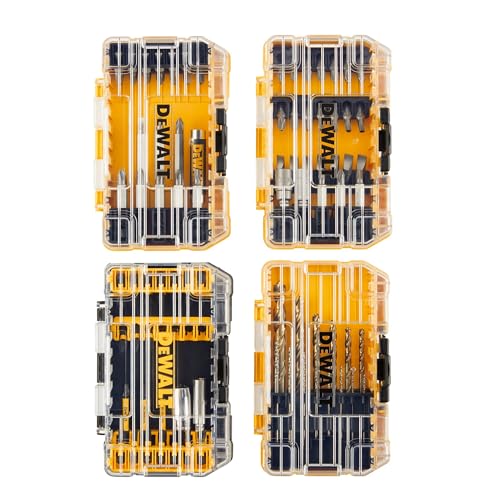
| Drill bit set | Drilling holes | Twist, masonry, and spade options | Check material ratings |
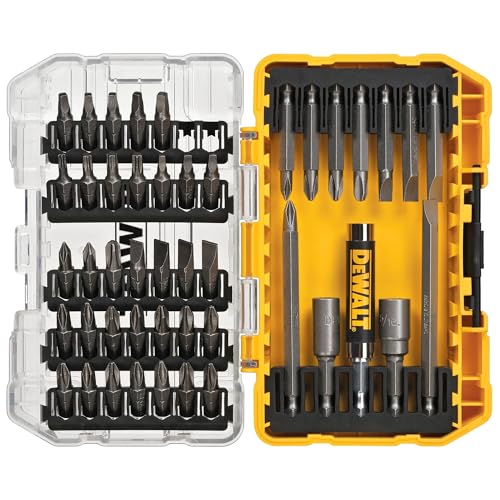
| Screwdriver bit set | Driving fasteners | Phillips, flat, Torx, and hex coverage | Worn bits damage screws |
| Specialty bit set | Forstner and hole saws | Clean large and flat bottom holes | Needs a steady drill |
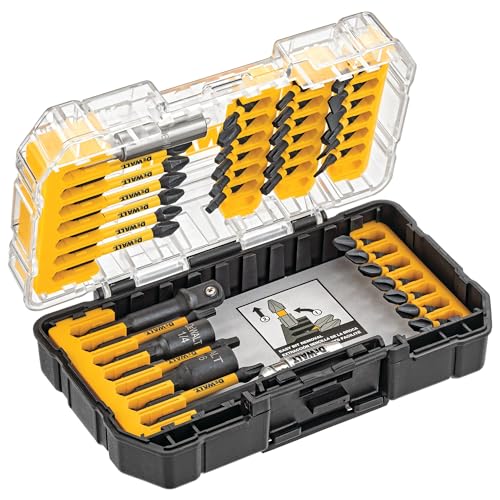
| Impact rated set | Impact drivers | Toughened for impact use | Costs more than standard bits |
Choosing between types usually comes down to where and how often you will use the set. Match the type to your most frequent job rather than to an occasional one. For deeper comparisons, see our guides to the best drill bit sets, the best screwdriver bit sets, and the best impact bit sets.
Key Features of the Best Bit Sets
Bit Material
High speed steel suits general drilling, cobalt suits harder metals, and carbide suits masonry. Match the material to your common jobs, and expect a coating such as black oxide or titanium to add some wear resistance.
Shank and Fit
A secure shank fit prevents wobble and slipping, which protects both the bit and the workpiece. Hex shanks suit impact drivers and quick change chucks, while round shanks suit standard drill chucks. Check compatibility with your drill or driver before you buy.
Case and Organization
A labeled case that keeps bits sorted saves time and prevents loss, which matters more than it sounds on a busy job. Look for a case that closes securely and marks each size clearly.
Size Range
A set that covers the sizes you use weekly is better than a huge set full of sizes you never touch. Audit your common fasteners first, and add specialty bits such as Forstner or Torx only when a project needs them. Our guides to the best forstner bit sets and the best torx bit sets cover those.
How to Choose the Right Set
Start from your main use, then work through size, material, and budget in that order. Write down the screw types and hole sizes you meet most, and use that list to filter options quickly. Check practical details last, such as the case, warranty, and returns, because these decide how easy the set is to own.
Common Mistakes to Avoid
- Buying the biggest piece count instead of the sizes you actually use.
- Using standard bits in an impact driver, where they can snap under impact forces.
- Keeping worn bits, which slip and round off screw heads.
- Skipping a pilot hole in hard wood or metal, which makes bits wander and overheat.
- Ignoring storage, so small bits go missing and the set loses value.
Care and Storage
Keep bits in their labeled case, dry and sorted by type and size. Wipe them clean after use, especially after masonry or treated lumber, and oil metal bits lightly if they will sit unused for months. A tidy case also makes it obvious when a bit is missing before you start a job.
Quick Buyer Checklist
Before you order, run through these points with the product table beside you.
- Does the set include the drive types you meet most, such as Phillips, flat, Torx, and hex?
- Are the bits labeled impact rated if you will use them in an impact driver?
- Is the shank hex or round, and does it match your drill, driver, or quick change holder?
- Does the case close securely and label each size so bits go back where they belong?
- Is the material suited to your work: high speed steel for general drilling, cobalt for harder metals, carbide for masonry?
Basic screwdriver bit sets often cost around $10 to $30, while larger drill and impact sets with cases range from about $30 to $80. Spending more makes sense if you use the bits weekly, because better steel and coatings keep their edges and drive points longer. For occasional household jobs, a mid sized set from a known maker is usually plenty, and it is cheaper to replace a single worn bit than to keep working with one that slips and damages fasteners.
Frequently Asked Questions
What bits should a starter set include?
A useful starter set covers common drill sizes, Phillips and flat screwdriver bits, Torx bits, and a few hex bits, plus a magnetic holder. That combination handles most furniture, shelving, and household repairs. Add specialty bits only when a project needs them.
Why do screwdriver bits wear out?
The fit between bit and screw is never perfect, and impact or high torque speeds the wear. A worn bit slips and damages screw heads, which makes removal much harder. Replace bits at the first sign of rounding, and keep a spare of your most used sizes.
Can I use drill bits in an impact driver?
Only bits rated for impact use should go in an impact driver, because standard bits can snap under impact forces. Impact rated bits flex slightly and resist breakage. For precise drilling, a standard drill driver usually gives better control.
How do I stop a drill bit wandering?
Mark the spot, start slowly, and use a center punch on metal or a small pilot hole on wood to guide the bit. Keep the drill steady and square to the surface, and let the bit cut rather than forcing it.
How should I store bit sets?
Keep bits in their labeled case, dry and sorted, so you can find the right bit without emptying the case. Oil metal bits lightly if they will sit unused for months.
Final Thoughts
Pick the type that matches your most frequent job, confirm the shank fits your tool, and choose a set with the sizes you will actually use. Review the product table above, and the best bit sets for you will be the ones that stay sorted, stay sharp, and fit the fasteners on your next project.