Best Benchtop Band Saws 2026: Every Type Compared Side by Side
Disclosure: We may earn a commission when you buy through links on this page, at no extra cost to you. As an Amazon Associate I earn from qualifying purchases. Learn more

Learn how to choose a benchtop band saw by throat depth, blade speed, table size, and dust control, with a comparison of main types for home workshops.
A search for best benchtop band saws quickly shows how many sizes and blade options exist, and why a small workshop saw needs different thinking from a large floor model. The comparison table below compares the main types side by side, while this guide explains which type suits your work.
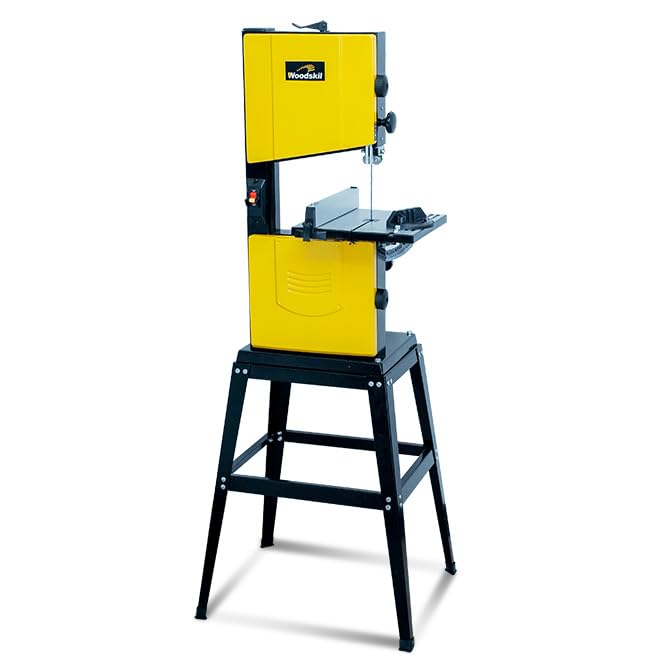
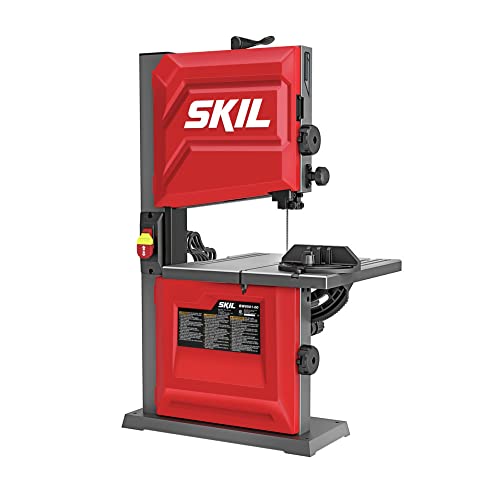
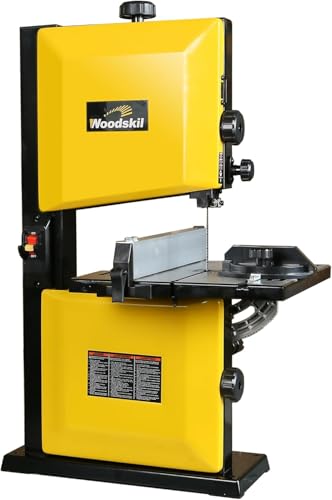
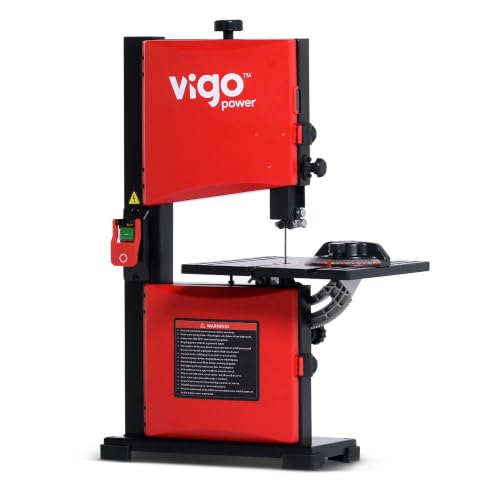
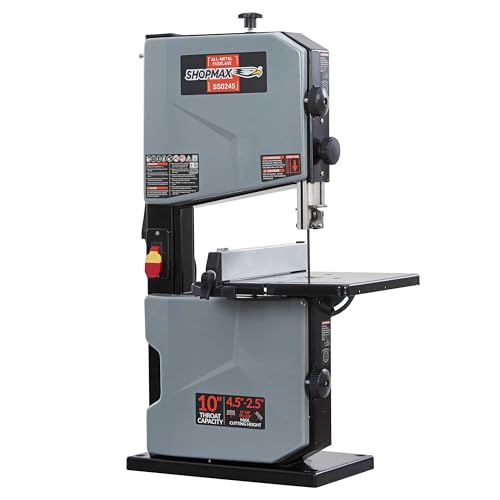
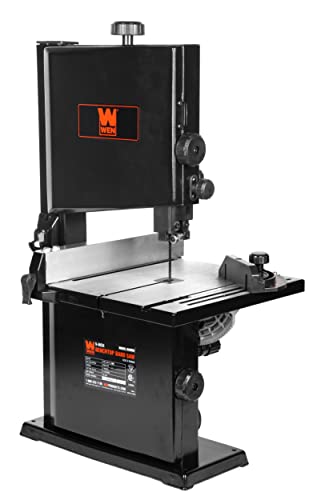
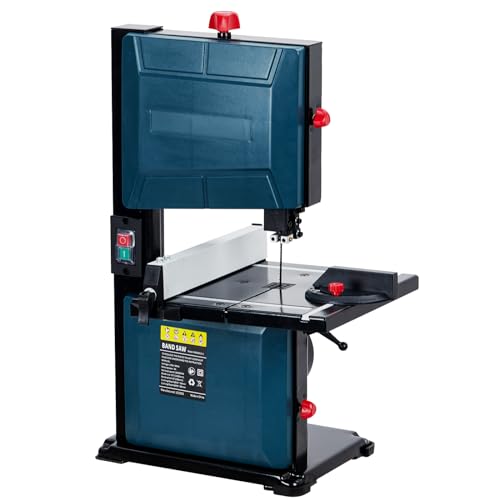
A benchtop band saw is a compact saw that sits on a bench and cuts curves, resaws boards, and rips narrower stock using a continuous loop blade. It is prized in home workshops because it takes less space than a floor standing saw while still handling curves that a table saw cannot cut. The key limits are throat depth, cutting height, and motor power, so matching those to your projects matters more than headline power alone.



The Basics
The blade runs in a loop around two wheels, passing through a slot in the table. Throat depth is the distance from the blade to the frame, and it limits how wide a board you can cut. Cutting height is the maximum thickness the saw can handle, and it matters for resawing or cutting thick blocks. Blade width affects curve radius: narrow blades cut tighter curves, while wider blades cut straighter and resaw better.
Speed also matters. Some benchtop saws offer two speeds, with a slower speed for metal or dense material and a faster speed for wood. A sturdy table that tilts for angled cuts, a reliable fence, and good dust extraction will make the saw far more pleasant to use. Check the footprint too, because a benchtop saw still needs clearance around it for longer boards.
Key Features to Compare
Throat Depth and Cutting Height
Throat depth decides how wide a workpiece you can maneuver around the blade, while cutting height decides how thick a board you can resaw. For small boxes, toys, and curved work, a modest throat is often enough. For resawing wide boards into thinner pieces, you need both greater cutting height and a wider blade that tracks straight under load.
Blade Choice and Curve Radius
Blade width, tooth count, and tooth shape should match the cut. A narrow blade with more teeth per inch cuts tight curves and smoother edges in thin stock, while a wider blade with fewer teeth cuts faster in thick stock. Keep a small set of blades for different jobs rather than trying to make one blade do everything, and learn to tension and track blades correctly.
Motor Power and Speed Options
Motor power affects how well the saw holds speed in thick or dense wood. A small motor can handle thin stock and gentle curves, but it may bog down in thick hardwood. Two speed models add flexibility for different materials, but speed alone does not replace a sharp blade and a sensible feed rate. Feed the work steadily and let the blade do the cutting.
Table, Fence, and Dust Control
A flat, stable table with a smooth surface helps you guide work accurately, and a tilt function is useful for bevel cuts. A fence that locks square to the blade makes straight cuts repeatable, while a miter gauge helps with angled crosscuts. Dust extraction keeps the cut line visible and the workshop cleaner, so check the dust port size and whether it fits your vacuum or extractor.
Workshop Size and Portability
Benchtop saws are made for smaller workshops, but they still need bench space, clearance for long boards, and a stable bench that does not vibrate. Some models are light enough to move for storage, while others are best left set up permanently. Decide whether you will store the saw between jobs or keep it ready to use, because that affects the size and weight you should choose.
Who Should Buy Which Type
For Home Woodworkers
Home woodworkers who make boxes, small furniture, and curved parts need a saw with a useful throat depth, a tilting table, and a range of blades. A midsize benchtop model with a solid fence will handle most hobby projects without taking over the workshop. Invest in a couple of quality blades and learn basic blade setup, because setup affects cut quality more than brand alone.
For Small Workshops and Garages
In a garage workshop, space and dust control are often the deciding factors. Choose a saw that fits your bench with room to feed boards from both sides, and connect dust extraction from the start. A saw that is easy to move aside when you need bench space for assembly will be used more often than a saw that blocks the whole bench.
For Resawing and Thicker Stock
If resawing is a priority, look for greater cutting height, a stronger motor, and a wider blade that stays straight. A small benchtop saw can resaw modest boards well, but very wide or very dense boards may need a larger saw. Be realistic about the thickest stock you will actually cut, rather than buying for a rare job.
Related Choices to Compare
If you are weighing a nearby option, see our guides to the best wood band saws, the best band saws for woodworking, and the best table top band saws for how those choices differ and when they may suit you better.
Common Mistakes and Care
A common mistake is forcing work through the blade, which causes wandering cuts, blade drift, and extra wear. Feed steadily, keep hands clear of the blade path, and use push sticks or featherboards where they help. Another mistake is using a dull blade, which burns wood and strains the motor; change the blade when cuts become slow or rough.
Keep the table clean and lightly waxed so work slides smoothly, check blade tension and tracking before each session, and clear dust from the wheel area regularly. Store spare blades coiled safely and inspect them for cracks or damaged teeth before use. A few minutes of setup before each job will improve both safety and cut quality.
Frequently Asked Questions
What can a benchtop band saw cut?
A benchtop band saw cuts curves, resaws boards, rips narrower stock, and cuts angled pieces with a tilting table. It handles wood well and, with the right blade and speed, can cut some plastics and non ferrous materials. It is not a replacement for a table saw for large sheet work, but it excels at curved and resaw cuts in a small workshop.
How do I choose a blade width?
Choose a narrow blade for tight curves and a wider blade for straight cuts and resawing. A 6 mm blade suits tight curves, while a 12 to 15 mm blade suits straighter work in thicker stock. Tooth count also matters: more teeth give a smoother cut in thin material, while fewer teeth clear waste faster in thick material.
Is a benchtop saw powerful enough for hardwood?
Many benchtop saws handle hardwood well in modest thicknesses, especially with a sharp blade and a steady feed rate. Very thick or very dense hardwood can strain a small motor, so check the cutting height and power rating against your projects. If you regularly cut thick hardwood, a larger saw may be a better long term choice.
Do I need dust extraction for a band saw?
Dust extraction is highly recommended, because band saws create fine dust that obscures the cut line and fills the workshop. Connect a vacuum or extractor to the dust port and wear a dust mask for dusty work. Keeping dust down also improves visibility, which helps you follow curves accurately and safely.
How often should I change the blade?
Change the blade when cuts become slow, rough, or burned, or when teeth are damaged or missing. Blade life depends on material, feed rate, and tension, so there is no single time interval. Keep spare blades on hand so a dull blade does not tempt you to push harder and risk a poor or unsafe cut.
Final Thoughts
Match throat depth and cutting height to your real projects, choose blades for the curves and thicknesses you cut most, and prioritize a stable table and good dust control. A well set up benchtop saw will feel accurate and enjoyable, while a poorly set up saw will frustrate even an experienced woodworker. The comparison table above can help you compare types before you buy.
For most home workshops, best benchtop band saws come down to the right size for your bench, a useful blade range, and setup you are willing to maintain. Get those right and the saw will earn its place quickly.