
Best BPA Free Food Dehydrator: Trays, Size and Safety (2026)
Disclosure: We may earn a commission when you buy through links on this page, at no extra cost to you. As an Amazon Associate I earn from qualifying purchases. Learn more
Best BPA free food dehydrator guide to tray materials, styles, tray count, wattage and safe temperature settings.
Picture a counter covered with sliced apples from a backyard tree, or a garden harvest bigger than your fridge can hold. A dehydrator solves that problem, but many shoppers pause at one detail. The trays sit against warm food for hours, so the material touching that food matters. Finding the best bpa free food dehydrator means checking what the trays and screens are made of, then matching size and style to your rooms, your household, and your budget.
This guide walks through that order. You will learn how to verify a BPA free claim, how the main designs differ, and what running costs look like. The product table sums up the main models so you can see the trade offs at a glance.

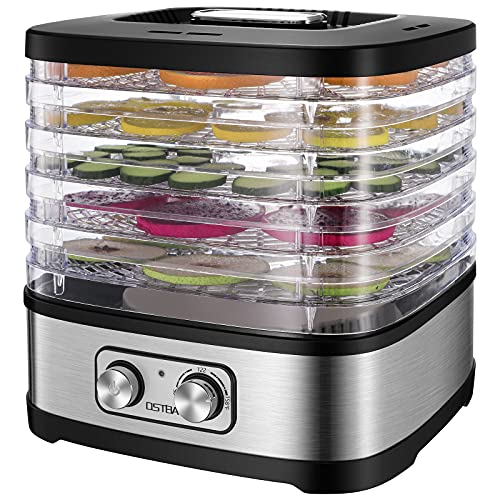

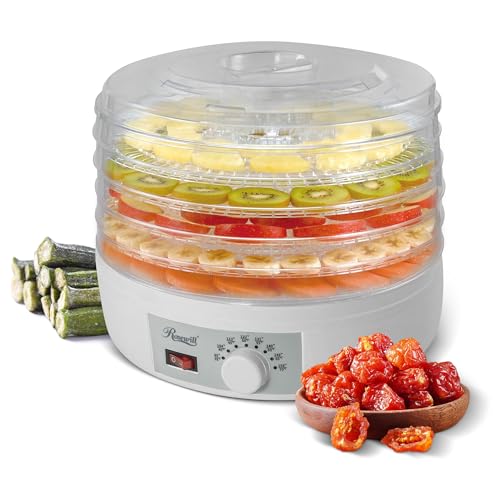

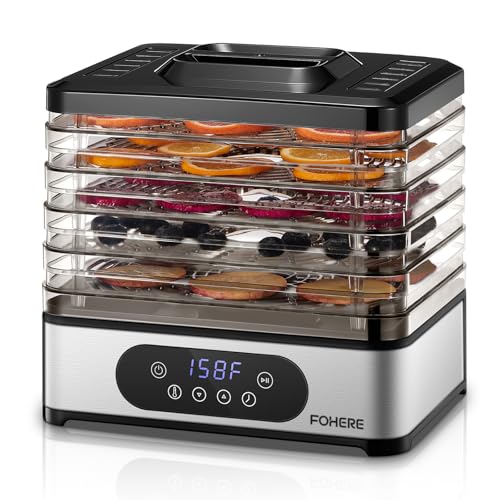
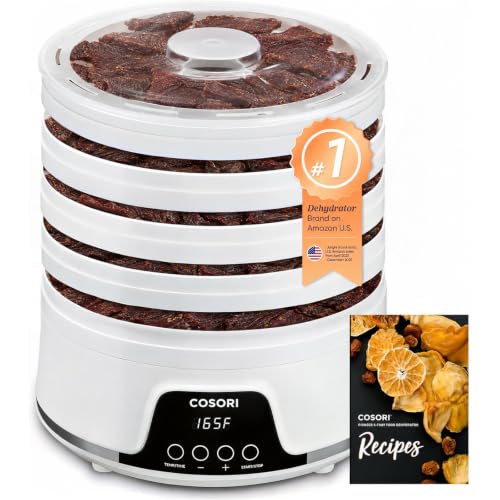
Quick Answer: Which Style Fits Your Home
Three styles cover most homes. Stainless steel shelf models use metal trays, so no plastic touches your food at all, and they suit large batches and frequent use. Stackable tray models with certified BPA free trays cost less and store in a smaller footprint, suiting small households and occasional drying. Compact shelf models with a glass door sit between the two, giving a clear view of progress in a footprint that fits an apartment counter. Pick by batch size first, then by how often you plan to run it.
Before You Buy: A Quick Checklist for Choosing a Food Dehydrator
Which Type Fits Your Routine
Shelf models hold removable trays in a box with a fan at the back or side, and air moves across each tray in an even flow. That layout dries mixed loads well and lets you remove a tray to fit bulky items. Stackable models pile trays on a base with the fan at the bottom or top, and you add trays only when a batch grows. They cost less and pack away small, though food near the fan can dry faster than food at the far end. If you dry often and in volume, the shelf layout rewards you with more even results.
How to Verify a BPA Free Claim
BPA is a chemical once common in hard clear plastics, and shoppers who dry food for kids or for daily snacks often prefer to avoid it. A claim only counts when it covers the parts that touch food. Look for a plain statement that the trays, mesh screens, and fruit leather sheets are BPA free, not just the housing. Stainless steel trays remove the question entirely, since metal contains no BPA. If a listing is vague, check the maker site for the material of each food contact part listed by name.
Features Worth Paying For, and Ones to Skip
A timer with automatic shutoff earns its cost, because batches run for many hours and you may not be home at the finish. An adjustable thermostat matters too, since herbs dry best at low heat around 95 degrees Fahrenheit while jerky needs about 160 to 165 degrees for food safety. A clear door helps you check progress without opening the unit and losing heat. Skip extras you will rarely use, such as yogurt programs on a machine bought for fruit and jerky.
Wattage, Power, and Energy Use
Most home dehydrators draw about 400 to 1000 watts, with large steel models at the top of that span. A higher wattage unit is not automatically better. What matters is steady temperature and even airflow, because a batch that dries evenly in ten hours uses less power in total than a weak unit that needs sixteen. A 600 watt machine running ten hours uses about 6 kilowatt hours, which at typical home rates costs around a dollar or less.
Safety Features and Certifications
Look for a listing mark such as UL or ETL on the label, which shows the unit was checked against US safety standards by an accredited certification body. Overheat protection that cuts power if the fan fails is worth having on a machine that runs unattended for hours. For jerky, safety also means reaching and holding a high enough temperature, so confirm the top setting before you buy if meat is part of your plan. Keep the unit on a heat safe surface with open space around the vents.
Counter Space and Dimensions
Measure before you order. A compact stackable unit may need only about a square foot of counter, while a large shelf model can span roughly 17 to 21 inches wide and needs clearance on the sides and back for airflow. Height matters in kitchens with wall cabinets, since warm moist air rises out of the unit all through a batch. Count the people you dry for as well. Four to six trays suit snacks for one or two people, while eight to ten trays suit garden harvests and big families.
Realistic Budget Ranges
Stackable models with BPA free trays, like those in the product table, run roughly $40 to $57, which is fine for fruit and herbs in small batches. Between about $100 and $200, expect a wider thermostat range, a timer, and either steel trays on a compact shelf unit or a generous stackable set. Above about $200 to $300, large stainless steel shelf models bring stronger fans and capacity for serious preserving. Spending more mainly buys capacity, even drying, and metal trays, so match the spend to how often the machine will actually run.
Best BPA Free Food Dehydrator Styles: Where Each One Earns Its Place
Stainless Steel Shelf Models for Frequent, Large Batches
This style suits households that dry garden produce, make jerky in quantity, or prepare snacks every week. Metal trays clean easily, resist staining from berries and tomato, and remove all doubt about plastic and heat. A rear fan tends to dry each shelf at a similar pace. The trade offs are price and weight. These units cost the most and are the heaviest to move, so they fit best where the machine can live on the counter full time. If you are weighing the wider category first, our guide to the best food dehydrator covers the main designs side by side.
Stackable BPA Free Tray Models for Small Households
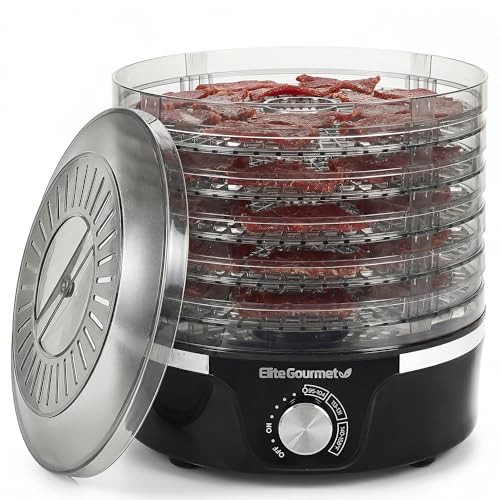
Stackable models suit one or two people who dry fruit, herbs, and small snack batches a few times a month. You run only the trays you need, and the whole unit stores in a cupboard when the season ends. Certified BPA free trays answer the material concern at the lowest price in this guide. The limits are airflow and patience. Food on trays far from the fan can lag behind, so rotating trays once or twice during a long batch helps. Capacity also caps out sooner, making this style a poor fit for a full harvest weekend. For herb growers working in small lots, our guide to the best food dehydrator for herbs focuses on gentle low heat drying.
Compact Shelf Models With a Glass Door for Apartments
A small shelf model with a glass door suits apartment kitchens and anyone who likes to watch progress without opening the door. Capacity sits in the middle, enough for several trays of fruit or a modest jerky batch, and the footprint stays friendly to tight counters. Steel trays are common at this size, which keeps food contact simple. The trade off is batch size, and the price per tray runs higher than a stackable set. Meat fans planning bigger loads should look at our guide to the best food dehydrator for jerky, where tray spacing and top temperature get a closer look.
What We Like and What We Don't About BPA Free Models
What we like starts with peace of mind. Trays and screens without BPA, or trays made of steel, mean the material question is settled once instead of revisited at every batch. Many BPA free models also pair that claim with dishwasher safe trays, which shortens cleanup after sticky fruit. What we do not like is vague labeling. Some listings trumpet the claim for the housing while saying nothing about the mesh screens that rest directly on food. Shoppers who want a different preserving method entirely can read our comparison of freeze dryer vs dehydrator to see how cost and texture differ.
Common Buying Mistakes to Avoid
- Buying capacity for a harvest you have once a year, then fighting the footprint for the other eleven months.
- Trusting a BPA free claim that names the housing but never mentions the trays or screens that touch food.
- Skipping the thermostat range, then finding the top setting falls short of what jerky needs for safety.
- Ignoring storage, so a tall stackable set ends up living on the counter.
- Forgetting the cost of extra mesh screens and fruit leather sheets on budget models.
Cost of Ownership and Care
Running costs stay low, since even a long batch uses only a few kilowatt hours. The ongoing spend is mostly extras and replacements. Mesh screens wear and stain over time, fruit leather sheets are sold in packs, and a spare tray set can help when harvests overlap. Care is simple. Wash trays in warm soapy water or on the top rack if the maker allows it, and wipe the interior after sticky loads. Keep vents clear of dust and store trays dry to prevent odors. If you are new to the appliance, our walkthrough on how to use a food dehydrator covers slicing thickness and timing basics.
FAQ
Are BPA free food dehydrators worth the extra cost?
For most homes the step up is small, and it buys certainty about what touches your food during long warm batches. Stackable models with certified trays often cost about the same as similar units without the claim, so the premium mainly appears with steel trays. If you dry food for young kids or eat dried snacks daily, that certainty is easier to justify.
How do you clean a food dehydrator without damaging the trays?
Soak trays and mesh screens in warm soapy water for about fifteen minutes to loosen dried fruit sugars, then wash with a soft brush rather than a scouring pad, which can scratch plastic and trap residue later. Wipe the fan housing with a damp cloth only, since that part should never be submerged. Dry every part fully before stacking, because trapped moisture between trays causes musty smells in storage.
How long does a food dehydrator last with regular home use?
A home unit used weekly often lasts about five to ten years, with the fan motor and heating element setting the limit. Steel shelf models tend to sit at the long end of that span because their parts are sturdier and trays do not warp. You can stretch the life of any model by keeping vents dust free and giving the motor rest breaks between long batches.
What is the most reliable food dehydrator brand?
No single brand wins for every home, and reliability claims are hard to verify across models. A better check is the warranty length, the availability of spare trays and screens, and whether the maker publishes full material details for food contact parts. Check recent buyer reviews for repeated complaints about fan failure, since that pattern says more than a star average.
Is a food dehydrator worth it for a small household?
It can be, if you regularly face surplus produce, buy dried snacks often, or garden even on a small scale. A compact unit pays for itself by rescuing fruit and herbs that would otherwise spoil, and dried food stores in jars rather than taking freezer space. If you would use it only once a year, borrowing one makes more sense.
Final Thoughts
The right choice comes down to three checks. Confirm that every food contact part is steel or clearly stated as BPA free, size the tray count to the people you actually feed, and place the footprint honestly against your counters and cupboards. Do that, and the best bpa free food dehydrator for your home is simply the one whose style matches your routine. Use the product table above to compare the styles side by side.


