
Best Boxing Shoes: Matching the Right Model to Your Routine for 2026
Disclosure: We may earn a commission when you buy through links on this page, at no extra cost to you. As an Amazon Associate I earn from qualifying purchases. Learn more

Compare boxing shoe ankle support, sole grip, weight, and fit for bag work, sparring, and footwork drills, and learn what matters for your routine.
Footwork wins rounds, and the shoe under your foot decides how cleanly you can pivot, slide and plant. The best boxing shoes are light, snug and grippy enough to let you move around an opponent without fighting the floor, and they look nothing like running shoes. This guide explains what to look for in ankle height, sole, weight and fit, and how to choose for bag work, pad work or sparring.
The product table shows a range of boxing and wrestling-style shoes at different prices, so you can match the features below to real options.


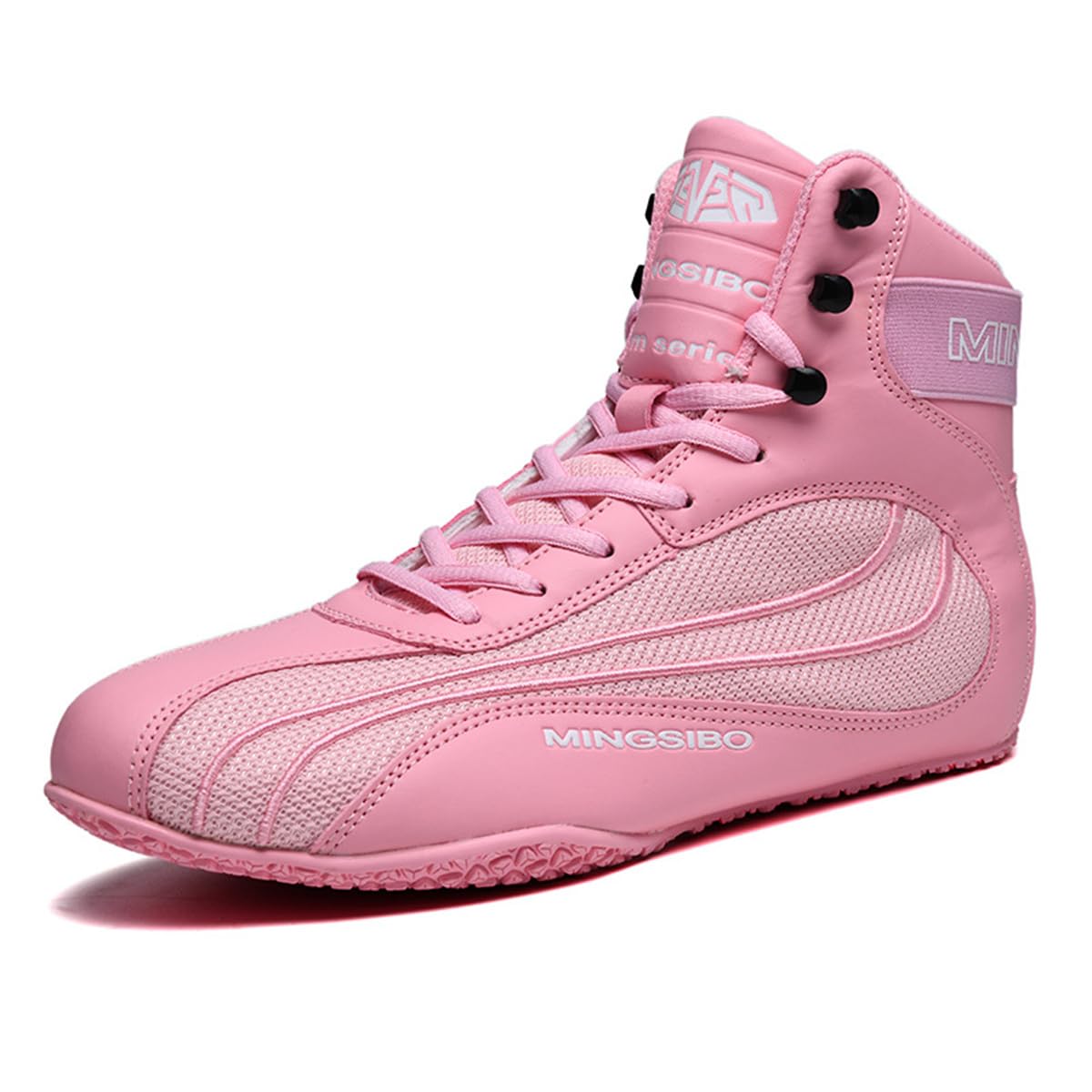
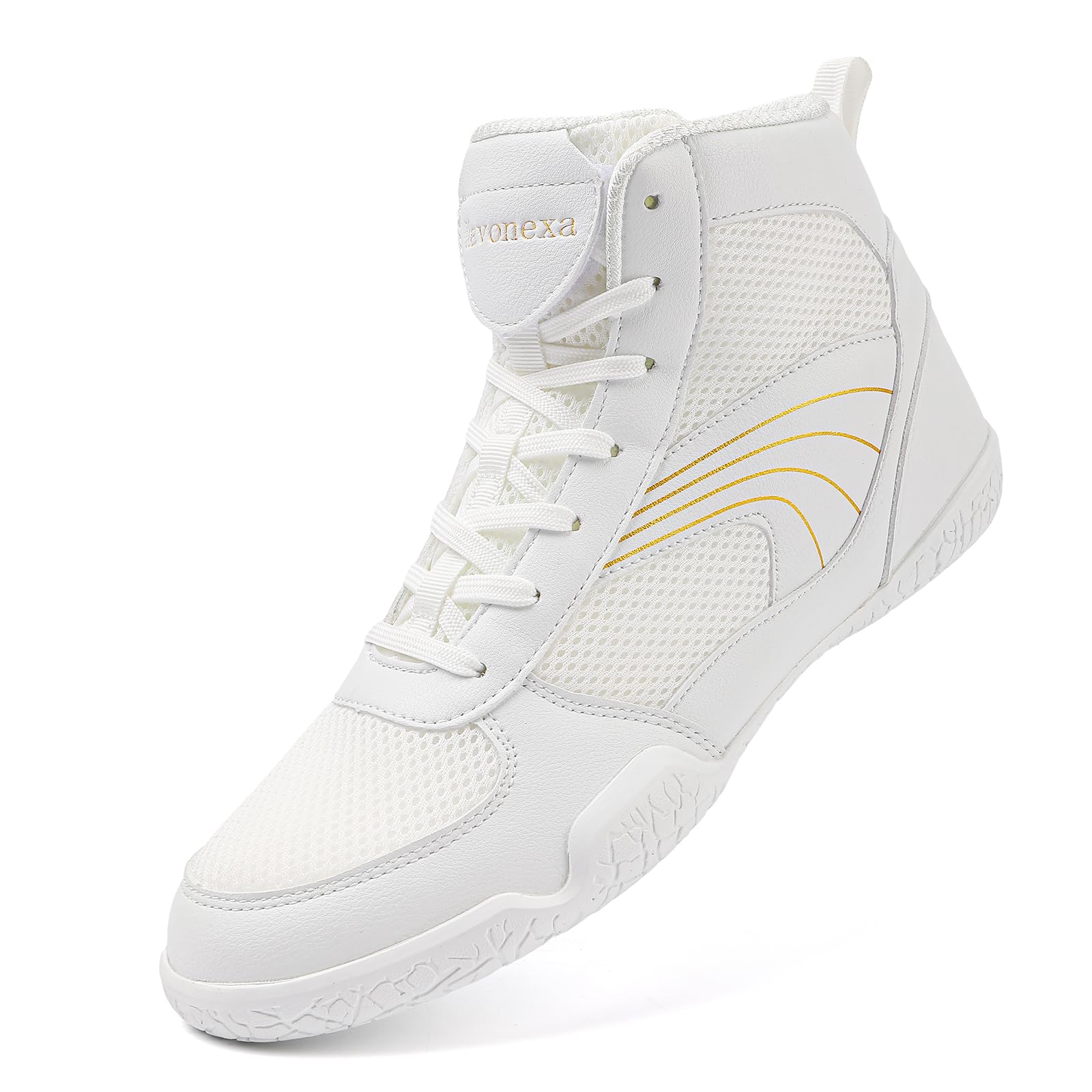

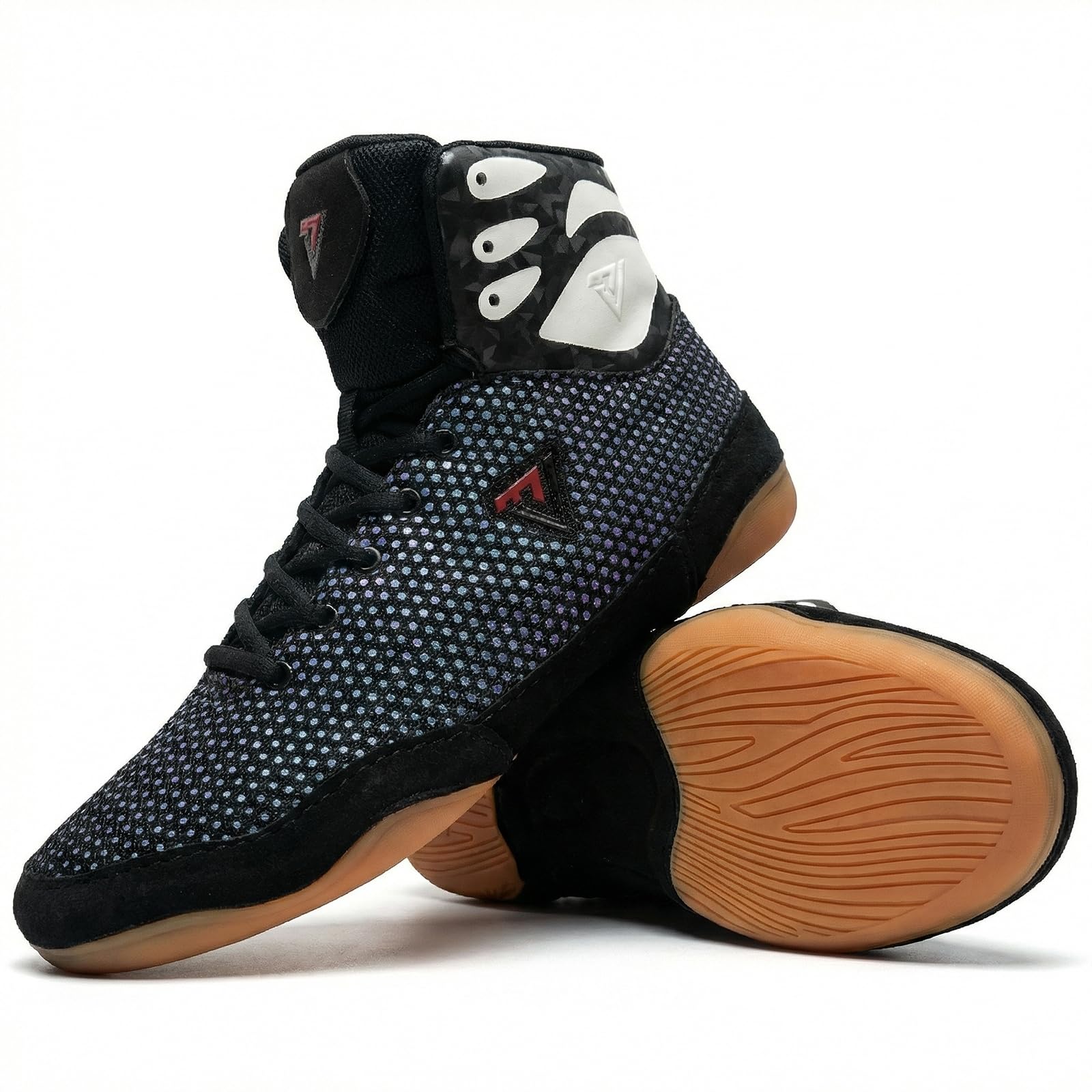
Why Boxing Shoes Are Different
A running shoe is built for straight-line cushioning, with a thick heel that raises your center of gravity. A boxing shoe is the opposite: thin, flat, low to the ground and shaped to let you turn on the ball of your foot. The sole grips the canvas but still lets you pivot, and the upper wraps the ankle so quick direction changes feel secure. If you have ever felt your foot slide inside a trainer on a pivot, you have felt the difference.
Who Should Buy Which Style
Ring Fighters and Sparring Partners
If you spar or compete, prioritize low weight, a thin flexible sole and a secure lace-up fit. A mid or high cut gives stable ankle support for lateral steps, and a light shoe lets you move fast late in a round. A snug heel is crucial, because any slip costs you balance.
Bag and Pad Workers
If most of your training is on the heavy bag, mitts or fitness classes, comfort and durability matter more than minimal weight. A slightly sturdier sole and a breathable upper will handle many hard sessions without feeling harsh on the feet.
Cross-Trainers Who Also Wrestle or Lift
Several shoes in the table are sold as boxing and wrestling shoes. They have a similar thin sole and high-cut ankle, so they work well in the gym for boxing drills and are also used for lifting. Check that the sole still allows a smooth pivot on your gym floor.
Key Features to Compare
Ankle Height: Low, Mid or High
Low cuts offer the most freedom and are the lightest, which suits experienced boxers who value speed. Mid cuts balance support and movement. High cuts give the most ankle wrap and suit those who want extra stability or have a history of rolling an ankle. Try a few heights if you can, because comfort here is personal.
Sole Grip and Pivot
The ideal sole grips canvas on a step but releases for a turn. A flat sole with a smooth patch under the ball of the foot allows pivoting without sticking, while a very grippy tread can twist the knee. Test the shoe on your gym floor, since floors vary from wood to canvas to rubber matting.
Weight and Flexibility
A lighter shoe reduces fatigue over long sessions and feels quicker in footwork drills. A very light shoe may offer less structure, so balance weight against support. The sole should bend at the ball of the foot without feeling floppy.
Fit and Lacing
Boxing shoes should fit snugly through the midfoot, with a little room for your toes to spread and no heel lift. If you wear hand wraps or thin socks, try the shoe with them. Laces should lock the midfoot without pressure points, and tucking the laces away avoids tripping.
Materials and Breathability
Leather and suede feel durable and mold to the foot. Synthetics and mesh panels are lighter and breathe better, which matters in a warm gym. Pick based on how often you train and how much heat builds up in your feet.
What Your Money Gets You
Entry-level boxing shoes cost about $35 to $60 and give you the basic shape, a thin sole and a high-cut upper. They suit beginners and casual training. Mid-range pairs, about $60 to $100, add better materials, a cleaner fit and more durable soles. Premium models, above about $100, offer refined construction, lighter weight and a more precise fit. Spend more only if you train often enough to notice the difference.
How to Size and Try Boxing Shoes
Measure both feet in the afternoon, when they are slightly larger, and fit the bigger one. Boxing shoes are cut close, so many people go up a half size from their trainer size, but sizing varies between makers, so read the size chart and the buyer comments. Put the shoes on with your usual socks, lace them fully and take a few small steps, a pivot and a quick forward and back shuffle. Your heel should stay planted and your toes should not jam the front.
If you are ordering online, try the pair on a clean floor indoors and keep the packaging until you have done a full session in them. A return is much easier before the soles have touched the gym floor.
Common Mistakes to Avoid
- Buying running shoes instead and expecting them to pivot well.
- Choosing a size that is too loose, which causes heel slip and blisters.
- Ignoring your gym floor, even though grip depends on the surface.
- Wearing boxing shoes for running or outdoor walking, which wears the thin soles quickly.
Care and Break-In
Dry shoes last longer, so never leave them in a sealed gym bag overnight; pull out the insoles and let them air. A pair of cedar shoe trees or a loose crumple of paper helps them hold shape. Wear a new pair for shadowboxing and light drills before a hard sparring session, so the upper can soften and mold to your foot. Air the shoes after every session, wipe the soles to keep grip, and replace them when the sole wears smooth. Stop and see a professional if you feel persistent foot or ankle pain.
For more detail on specific groups, see our guides to best boxing shoes for men, best women's boxing shoes and best boxing shoes for beginners.
Frequently Asked Questions
Should boxing shoes be high top or low top?
High tops give more ankle support and suit those who want stability, while low tops are lighter and suit experienced boxers who value speed. Mid cuts sit between the two.
How tight should boxing shoes feel?
Snug through the midfoot with no heel slip and enough toe room to spread slightly. If your foot slides during a pivot, the shoe is too loose.
Can I use running shoes for boxing training?
You can for light cardio, but running shoes are thick and cushioned, so they make pivots feel vague and increase the risk of rolling an ankle. Boxing shoes are safer and quicker for footwork.
Do boxing shoes work for other workouts?
Many people also use them for wrestling-style drills, lifting and cross-training, since the flat sole and ankle wrap give a stable base. They are not meant for running.
Final Thoughts
Choosing the best boxing shoes comes down to fit, grip and weight for the way you train. Decide on an ankle height, check that the sole pivots smoothly on your floor, and use the product table to compare options at your budget. A pair that feels almost invisible once you start moving is the one worth keeping.


