
Best Boxing Shoes for Beginners 2026: A Starter Guide
Disclosure: We may earn a commission when you buy through links on this page, at no extra cost to you. As an Amazon Associate I earn from qualifying purchases. Learn more

Learn how to choose boxing shoes for beginners, covering ankle support, sole grip, fit, footwork basics, and training advice for first time boxers.
best boxing shoes for beginners help new boxers move, pivot, and stay balanced in the ring without the bulk of running shoes or the slip of casual trainers. The comparison table below gives a quick overview, while this guide explains ankle support, grip, and fit for first time training.
Boxing footwork involves constant small steps, pivots, and weight shifts, which demand a shoe that grips the canvas yet allows smooth turning. A good beginner shoe balances support and freedom, so you can learn footwork without fighting your footwear or risking twisted ankles.


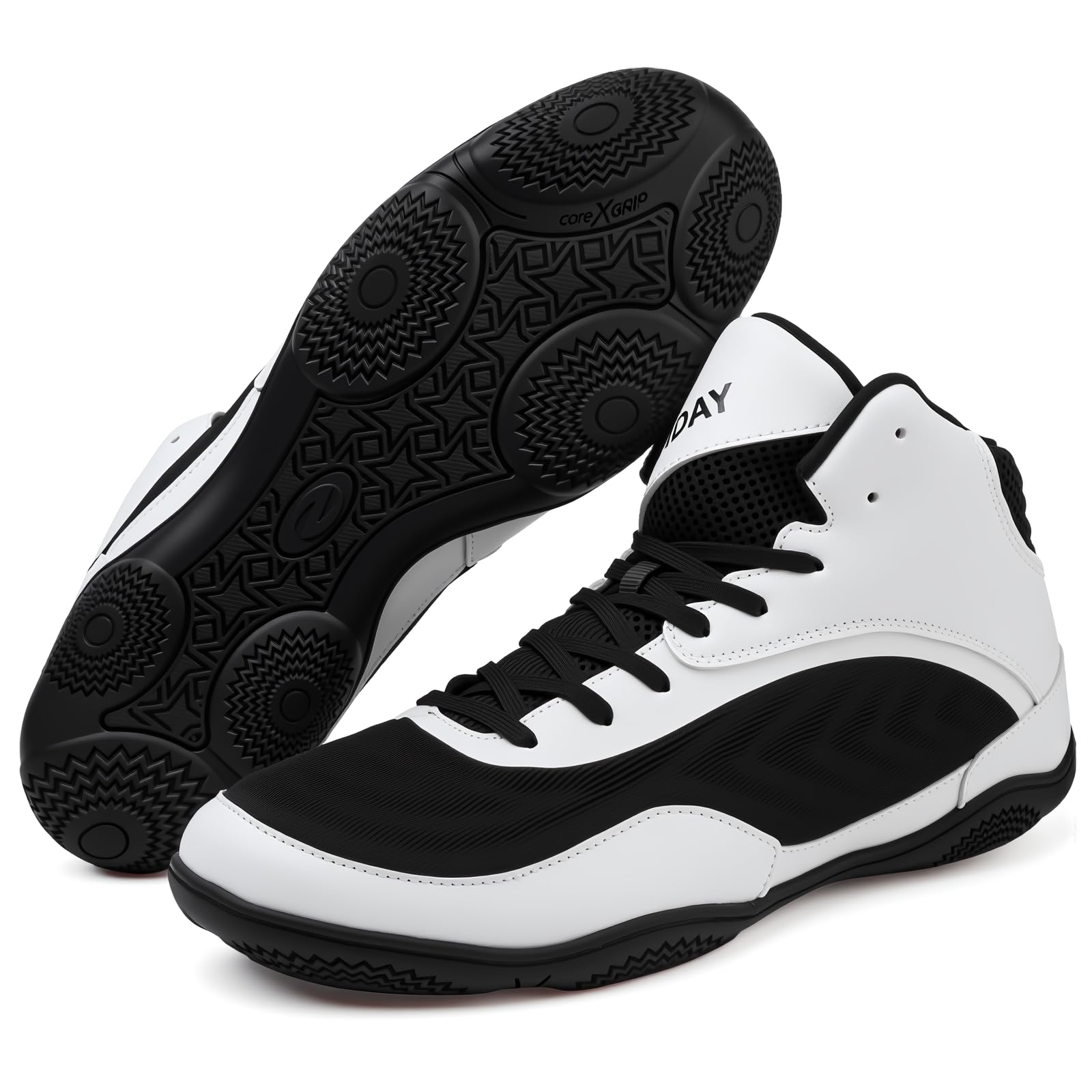
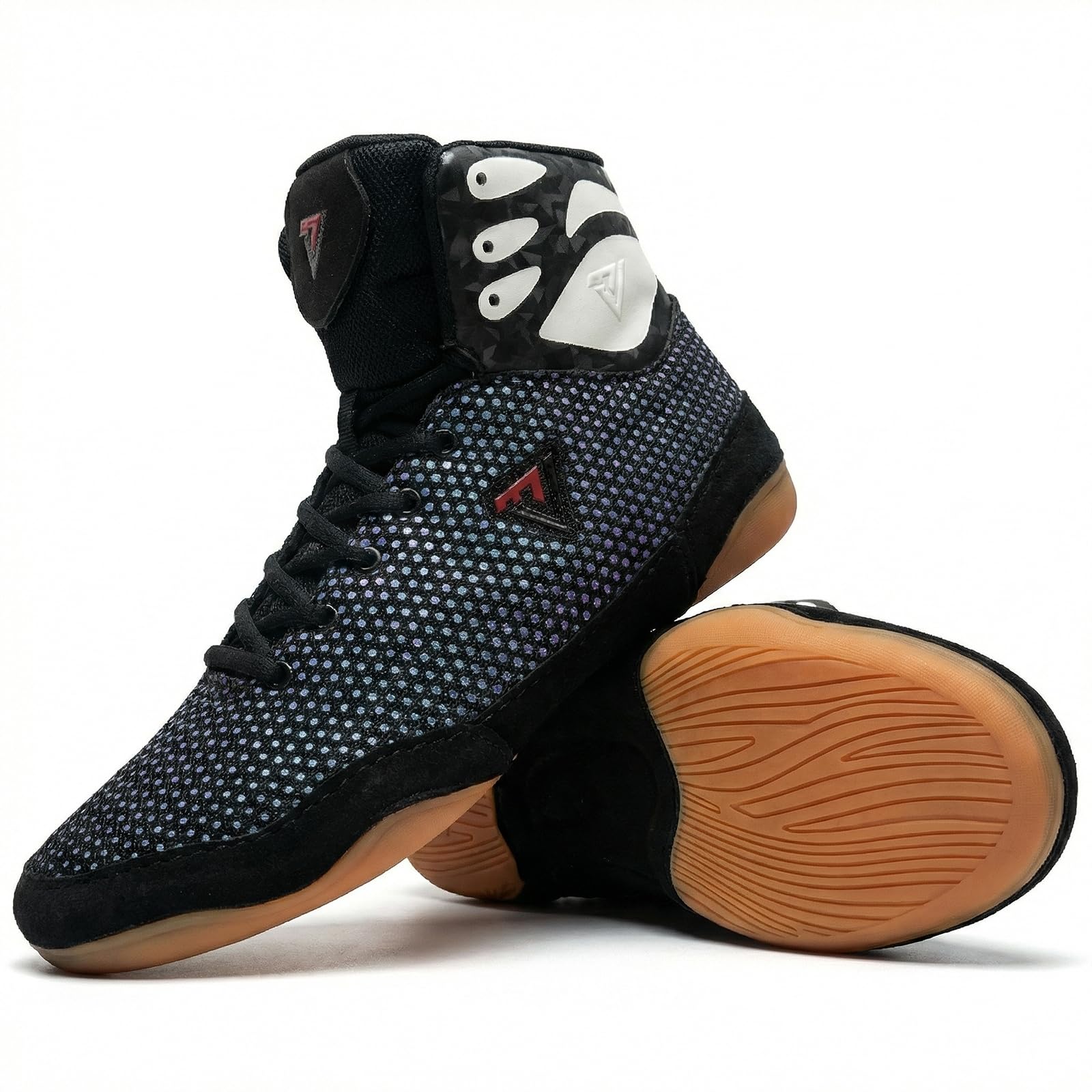
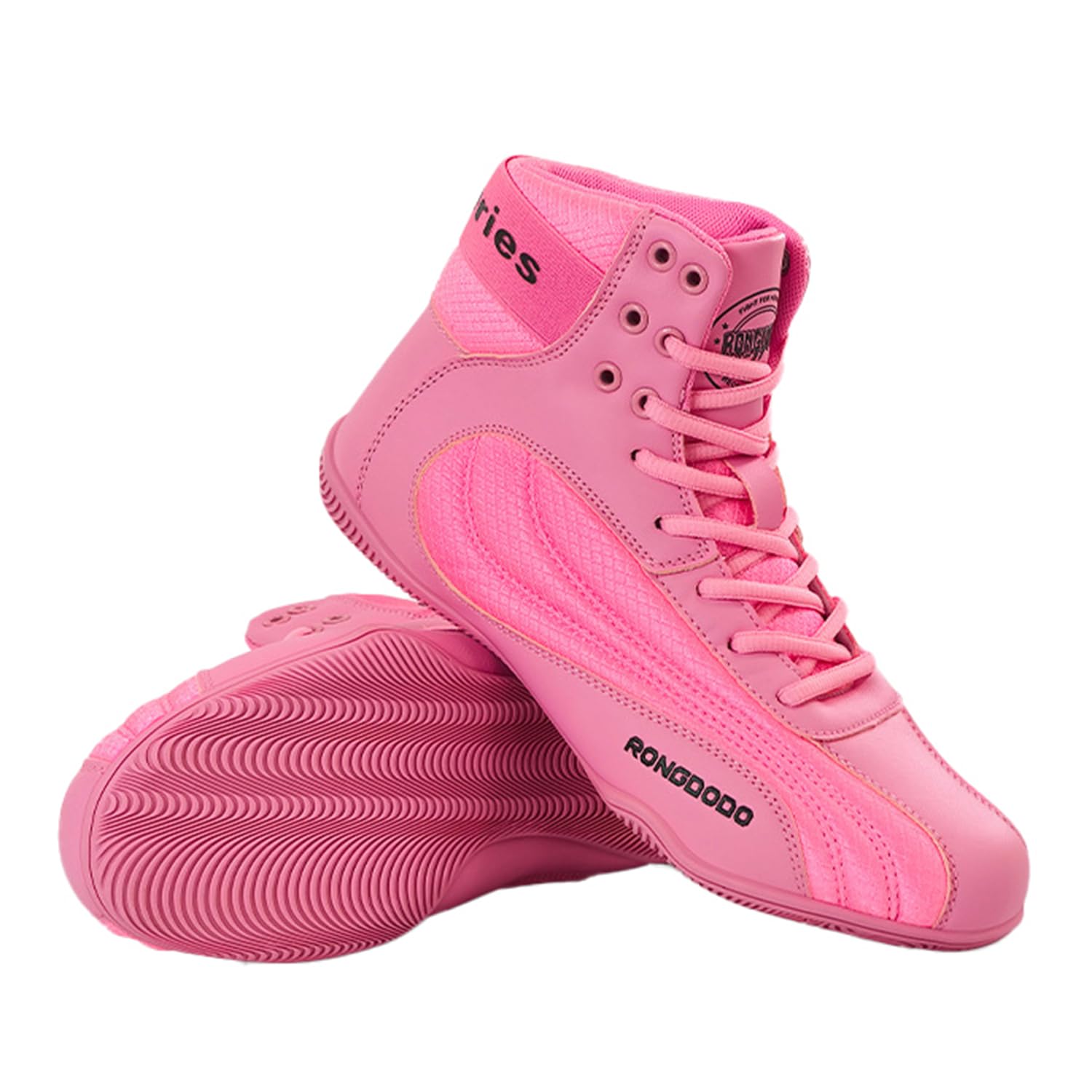
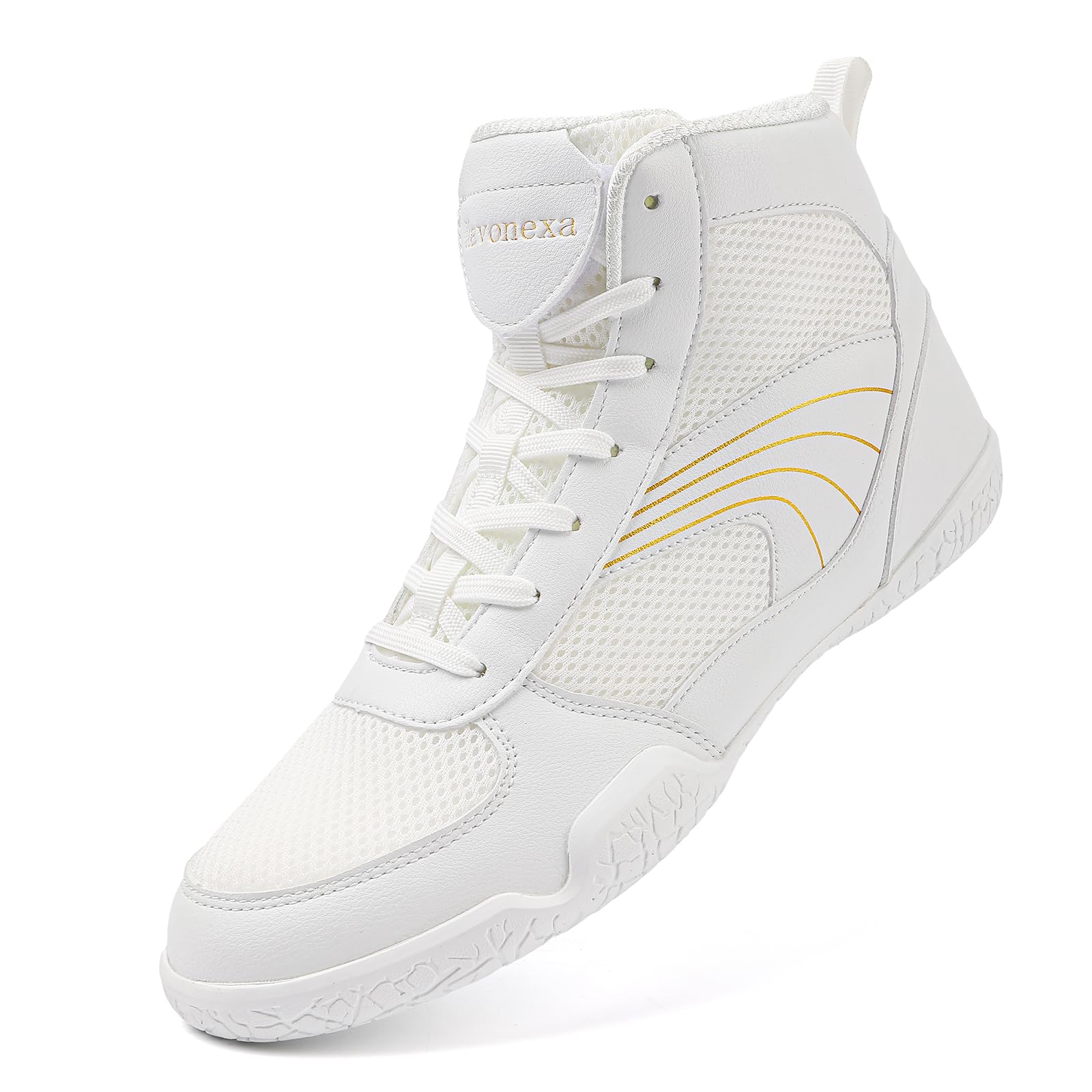

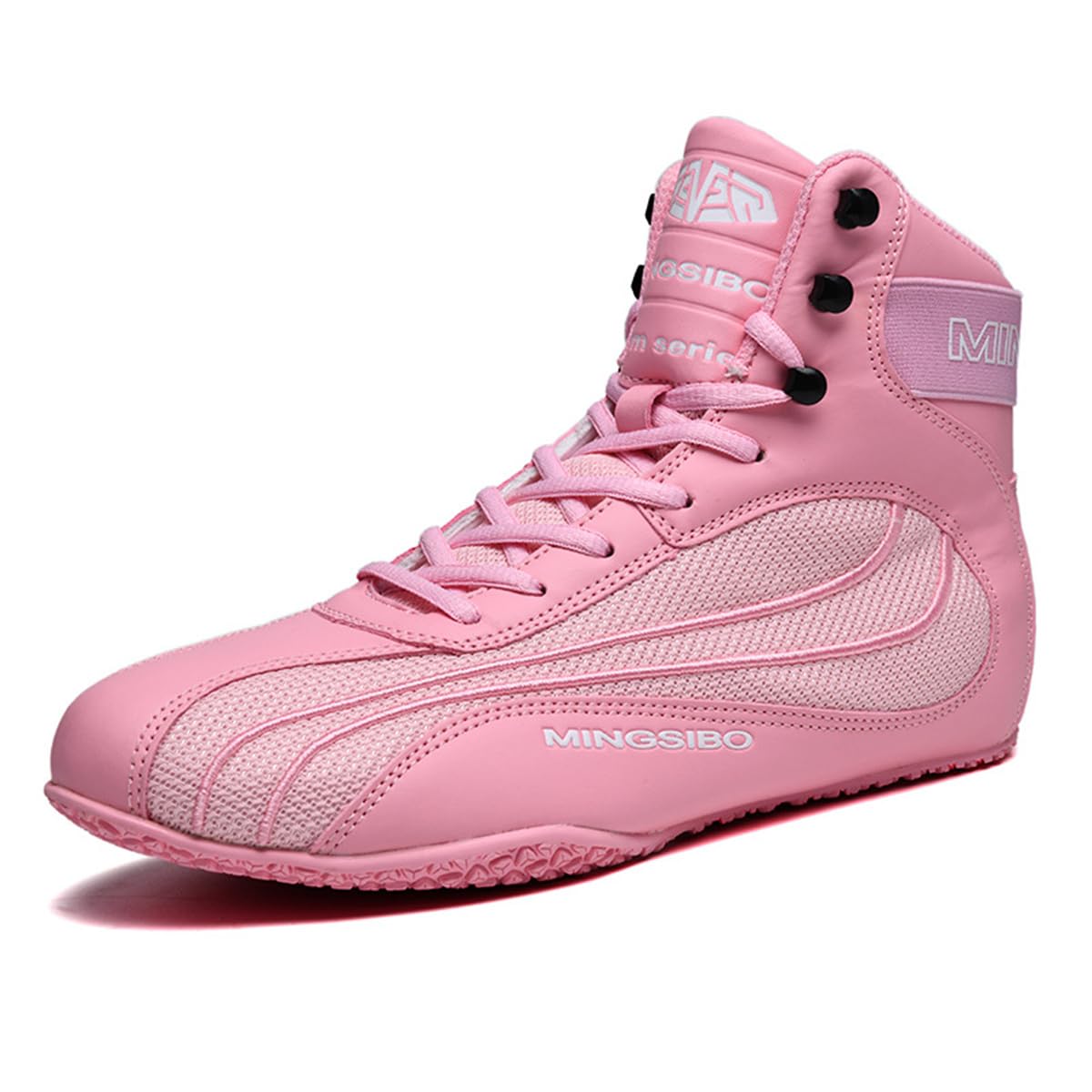

Who Should Buy Beginner Boxing Shoes
Beginner boxing shoes suit people starting classes, bag work, or home training who want proper footwork support from the first session. They help newcomers who feel unstable in running shoes or notice their feet sliding during pivots. If you train weekly, dedicated boxing shoes improve comfort and confidence quickly.
They are less suited to occasional fitness boxing in a general gym class, where a light cross training shoe may suffice. They are also not running shoes, so avoid road running in boxing shoes, which lack the cushioning and heel support running needs. Dedicated boxing shoes are for the ring, the gym floor, and bag work.
Ankle Support: High, Mid, and Low Tops
High top boxing shoes wrap the ankle for maximum support, which suits beginners learning pivots and lateral movement. They reduce ankle rolling during quick direction changes, but can feel restrictive until broken in. Mid tops balance support and freedom, suiting most beginners who want protection without stiffness.
Low tops offer the most freedom and feel lightest, but provide less ankle protection for learners still building strength and coordination. Beginners with previous ankle sprains should favour higher support and discuss training with their coach. Try different heights in a gym setting before committing, because ankle preference is personal.
General boxing shoe options are covered in our guide to best boxing shoes, which compares ankle heights and sole types for all levels.
Sole Grip and Pivoting
Boxing soles need grip for explosive steps and smoothness for pivots, a balance that running soles rarely achieve. A thin, flat sole with a pivot point under the ball of the foot allows turning without sticking, which protects knees and ankles during rotations. Gum rubber outsoles grip canvas well without marking gym floors.
Avoid thick cushioned soles that raise your centre of gravity and absorb lateral force, making footwork feel vague. Test pivots on a gym floor during the return window: you should turn smoothly without the shoe sticking or sliding excessively. If pivots feel jerky, the sole may be too grippy or too slick for your floor type.
Fit, Weight, and Break In
Boxing shoes should fit snugly in the midfoot with toes free to spread slightly, and no heel slip during lateral steps. A secure lace system that allows independent forefoot and ankle adjustment helps you fine tune fit for different drills. Lightweight shoes reduce fatigue during long sessions, especially for beginners building conditioning.
Break in takes a few sessions, during which leather and synthetic uppers soften and mould to your foot. Wear new shoes for shadowboxing and light drills before a hard sparring session, and stop if you feel blisters, numbness, or sharp pain. Persistent foot or ankle pain deserves a conversation with your coach or clinician rather than pushing through in new shoes.
Training Tips for First Time Boxers
Footwork fundamentals matter more than footwear alone. Practise small steps, keep weight balanced, and pivot on the ball of your foot rather than planting flat feet. A qualified coach can correct stance, guard, and movement patterns that shoes alone cannot fix, and group classes offer feedback that solo training misses.
Progress gradually from shadowboxing and bag work to partner drills and sparring, allowing ankles and calves to adapt to new movement demands. Warm up thoroughly, including ankle mobility and calf activation, and cool down with gentle stretching. If you feel dizzy, chest pain, or unusual shortness of breath during training, stop and seek medical advice promptly.
Materials, Durability, and Care
Boxing shoes use leather, suede, or synthetic uppers with mesh panels for breathability. Leather lasts longer and moulds to the foot, while synthetics dry faster and cost less. Mesh panels improve airflow during intense sessions but wear faster than solid panels, so balance breathability against durability for your training frequency.
Care extends shoe life: air them after each session, avoid machine washing unless the label allows it, and replace laces when they fray. Inspect soles for wear patterns that reveal footwork habits, such as excessive outer edge wear from poor pivoting. Replace shoes when grip fades or support weakens, because worn boxing shoes lose the stability beginners rely on.
A Final Check Before You Order
Try shoes in a gym setting with your normal training socks, practising steps, pivots, and lateral movement during the return window. Check ankle comfort, sole grip on your gym floor, and overall weight during a full session, not just a quick shop fitting. A shoe that feels supportive for ten minutes but restrictive after an hour is the wrong choice.
The product table above can help you compare shortlisted models once you know your preferred ankle height and gym floor type. Choose support and pivot balance first, and let style follow function as you build footwork skills.
Living With Beginner Boxing Shoes
Beginner boxing shoes improve with consistent training habits rather than sporadic use. Wear them for every gym session during your first months, so footwork patterns and ankle support become familiar together. Keep them for gym use only, airing them after each session and checking soles for wear that reveals how your pivots are developing over time.
As your skills grow, notice which aspects of the shoe matter most to your style. Some beginners prioritise ankle support as they learn lateral movement, while others value light weight for faster footwork drills. That self knowledge guides your next pair far better than brand loyalty alone, and helps your coach advise on footwear as your training advances.
As beginner sessions turn into a regular habit, footwork becomes more automatic and shoe choice matters in subtler ways. You may notice whether ankle support still feels right during longer rounds, whether pivots stay smooth as soles wear, and whether weight still feels balanced after an hour of drills. Those observations, shared with your coach, guide your second pair far better than any first purchase guesswork.
Consistent gym attendance matters more than perfect equipment at the start, and shoes that feel supportive during every session help beginners build footwork habits without distraction.
Frequently Asked Questions
Do beginners need special boxing shoes?
Beginners benefit from boxing shoes because they offer flat soles, pivot friendly grip, and ankle support that running shoes lack. You can start in light cross trainers for a few sessions, but dedicated shoes improve balance and pivoting quickly. If you train weekly, proper boxing shoes are a worthwhile investment in comfort and footwork learning.
Should beginner boxing shoes be high top or low top?
High tops offer maximum ankle support for learners, mid tops balance support and freedom, and low tops feel lightest but protect less. Beginners with previous ankle sprains should favour higher support. Try different heights in a gym setting, because ankle preference is personal and depends on your strength and training style.
Can I run in boxing shoes?
Boxing shoes are not designed for running, because they lack the cushioning and heel support road running needs. Their thin flat soles suit ring movement but feel harsh over distance. Keep separate running shoes for road work and use boxing shoes only for ring training, bag work, and gym floor drills.
How should boxing shoes fit?
Boxing shoes should fit snugly in the midfoot with toes free to spread slightly and no heel slip during lateral steps. Laces should allow independent forefoot and ankle adjustment. Test fit with normal training socks and practise steps and pivots before committing. Stop and seek advice if you feel blisters, numbness, or sharp pain.
How do I break in new boxing shoes?
Break in new boxing shoes over a few sessions of shadowboxing and light drills before hard sparring, allowing uppers to soften and mould to your foot. Wear them for short sessions first and increase duration gradually. Air them after each session and inspect soles regularly. Replace shoes when grip or support fades.
Final Thoughts
Choosing best boxing shoes for beginners comes down to ankle support, pivot friendly grip, and a snug fit that stays comfortable through a full session. High or mid tops suit most learners, while thin flat soles support proper footwork better than cushioned running shoes. The product table above can help you compare options once you know your ankle needs.
Practise footwork fundamentals with a qualified coach, progress gradually, and seek advice for persistent pain. The right beginner shoes should feel supportive and almost unnoticeable once you start moving, letting you focus on technique rather than footwear.


