
Best Bowl Mixers: Matching the Right Model to Your Routine for 2026
Disclosure: We may earn a commission when you buy through links on this page, at no extra cost to you. As an Amazon Associate I earn from qualifying purchases. Learn more
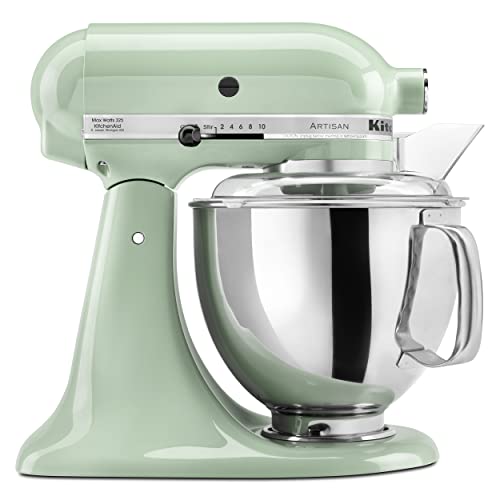
Use this guide to the best bowl mixers to match bowl size, motor power, and design to your baking routine, counter space, and budget with confidence.
A bowl mixer that delights a weekend cookie baker can frustrate someone kneading two loaves of sourdough every week, and the difference is rarely the price tag. Finding the best bowl mixers for your kitchen starts with your real routine: batch sizes, dough types, counter space, and how often the machine leaves the cabinet. The comparison table below shows the current options side by side, and the sections after it explain which designs suit which bakers, which specifications actually matter, and where extra money stops buying extra results.
Throughout this guide, bowl mixer means a stand style machine sold with its own mixing bowl, in either tilt head or bowl lift form. That design choice affects everything from cabinet clearance to how the machine handles stiff dough.


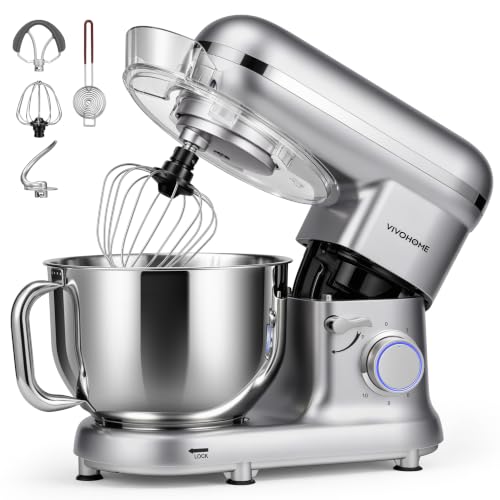
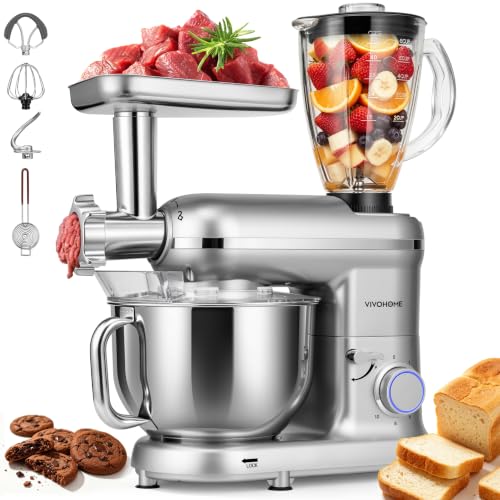


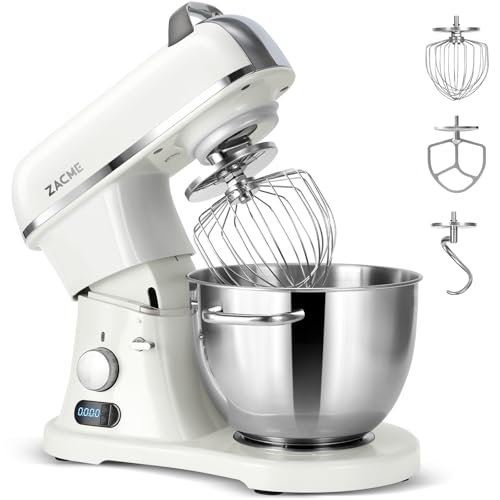
Who Should Buy Which Bowl Mixers?
For Value Seekers
Value in this category means a metal geared or well built belt driven motor, a stainless steel bowl, and the three core attachments included in the box: flat beater, dough hook, and wire whip. Mid range options usually deliver all three without charging for specialty finishes or extra glass bowls. Look for sales on proven designs rather than unknown brands with long feature lists, because replacement parts and extra attachments are far easier to find for established product lines.
For First Time Buyers
Your first bowl mixer should be simple to live with. Choose a tilt head design if you want easy access to the bowl for adding ingredients and scraping, and pick a size in the middle of the range so the machine handles both a single cake batter and a double cookie batch. Clear speed markings, a locking head, and dishwasher safe attachments lower the learning curve. If you currently use a hand mixer for everything, our guide to the best handheld mixers helps you judge whether you even need to upgrade yet.
For People Who Want the Best Performance
Performance buyers knead heavy dough often and in quantity, and that points to a bowl lift design with a strong motor and all metal drive parts. These machines stay planted on the counter under load, keep a steady speed in stiff mixtures, and offer larger bowls for double batches. Premium pricing also buys quieter operation, finer low speed control for folding, and longer warranties. If bread is your main event, judge models by dough capacity in cups of flour, not by headline wattage alone.
For Gift Shoppers
A bowl mixer is a generous gift, so choose for the recipient kitchen rather than your own ambitions. Mid size tilt head models in a neutral finish fit most counters and most baking habits, and they are easier to store in a cabinet than bowl lift designs. Confirm the return window, since counter space surprises are common, and include the receipt so the recipient can register the warranty. A pouring shield makes a thoughtful, inexpensive addition that suits almost every baker.
Choosing Bowl Mixers for Your Situation
Best Large Bowl Mixers: What to Prioritize
When you shop among the best large bowl mixers, prioritize working capacity over stated size, because a bowl rated at six or seven quarts still needs headroom for dough to climb and batter to move. Check the flour capacity in the specifications, since that number decides whether double loaves knead cleanly or stall the motor. Prefer bowl lift designs at this size for stability, confirm the bowl has a sturdy handle, and measure your upper cabinets, because large machines are tall even before the head tilts or the bowl rises.
Key Features to Compare
Maintenance and Long Term Costs
Ownership costs stay modest when you choose a common design. Replacement bowls, extra beaters, and specialty attachments such as pasta rollers or grain mills add up over the years, and prices vary widely between brands. Motors rarely fail early, but a worn attachment or a cracked plastic gear housing is what owners actually replace. Wipe flour dust from the vents after bread sessions, and avoid immersing the head or base. Buying into a large attachment ecosystem costs more at first and less later.
Key Performance Specs
The specs that predict results are bowl capacity in quarts, flour capacity for dough, speed range, and how the machine holds speed under load. Ten speeds is plenty when the lowest setting truly crawls for folding and the highest whips cream quickly. Planetary mixing action, where the beater orbits the bowl while spinning, leaves fewer unmixed pockets than older twin beater designs. Treat wattage as a rough guide only, since gearing and motor design matter as much as the number printed on the box.
Intended Use and Who It Is For
Be honest about your top three tasks. Cake and cookie bakers need good creaming action and mid size bowls, bread bakers need torque and capacity, and occasional users need easy storage more than either. Households that bake for gatherings should size up one step, because holiday batches expose an undersized bowl immediately. If you mainly whip small amounts, a large mixer can actually disappoint, since tiny quantities spread thin and the whip may barely reach them. Matching bowl size to batch size is the single most useful decision in this category.
Build Quality and Materials
Stainless steel bowls outlast glass and plastic under daily use, resist staining, and chill well for whipped cream, though glass bowls let you watch progress and often include measurement marks. Die cast metal bodies feel rigid and stay put under load, while lighter plastic bodies can walk on the counter during kneading. Check that the attachment shaft and hub feel solid, since wobble there grows with use. A machine that feels calm and planted at full speed tells you more than any specification sheet. Extra bowls designed for hand mixer work are covered in our guide to the best mixing bowls for hand mixers.
Common Mistakes to Avoid When Buying Bowl Mixers
- Choosing by price alone, then discovering your usual double batch overflows the bowl.
- Ignoring cabinet clearance, so the tilt head cannot open fully under your upper cabinets.
- Buying the largest bowl for small everyday batches that the attachments barely reach.
- Skipping the flour capacity figure and judging dough ability by wattage instead.
- Forgetting long term costs such as extra bowls, attachments, and a storage cover.
Setup and Care Tips
Read the manual before first use, especially the guidance on maximum flour amounts and rest periods between dough batches. Place the mixer where the head or bowl can move freely, and slide it on a mat or appliance caddy rather than dragging it across stone counters. Clean and inspect regularly: wash the bowl and attachments promptly, dry the attachment shaft, and check the beater clearance adjustment once in a while so the beater sweeps close without striking the bowl. Store the machine in a dry place with the attachments inside the bowl to save cabinet space.
FAQs
How do I maintain a bowl mixer?
Basic care is wiping the body after each use, washing the bowl and attachments, and keeping vents free of flour dust. Once or twice a year, check beater clearance and tighten any loose exterior screws. Avoid overloading dough beyond the stated flour capacity, since strain there shortens motor life more than age does. If the machine develops a burning smell or new grinding noise, stop and contact the maker rather than pushing through the batch.
Are expensive bowl mixers worth it?
They are worth it when you knead heavy dough weekly, run double batches, or want a machine that serves for decades. Premium pricing buys stronger drive parts, larger stable bowls, and longer warranty support. Casual bakers who mix cake batter twice a month gain little from the top tier. The honest test is your calendar: the more often the machine works hard, the more the upgrade pays you back in calm, consistent results.
What features matter most when buying bowl mixers?
Bowl capacity matched to your batch size matters most, followed by dough capacity, a true slow speed, and stable construction. Planetary mixing action and a pouring shield improve everyday results more than novelty attachments do. Decide between tilt head convenience and bowl lift stability based on your counter and cabinets. Features you will use weekly beat features that impress once, so rank your own baking tasks before you rank any specification list.
How much should I spend on a bowl mixer?
Most home bakers land happily in the mid range, roughly about $200 to $400, where motors, bowls, and warranties are all solid. Budget shoppers can find capable machines under $200 for light duty, while serious bread bakers often spend about $400 to $700 for bowl lift strength. Prices shift with sales, so waiting for a holiday promotion on a proven design is a smart move. Spend first on size and build, then on finishes and extras.
How long does a bowl mixer last?
A well built machine used within its capacity commonly lasts well over a decade, and many serve far longer with basic care. The parts that wear are usually attachments, bowl handles, and cosmetic finishes rather than the motor. Overloading dough and ignoring strange noises are the habits that shorten life. Choosing a design with widely available spare parts extends useful life further, since a ten dollar part can save an otherwise healthy machine.
Final Thoughts
Size the bowl to your real batches, choose tilt head or bowl lift based on your counters and dough habits, and let build quality outrank extra attachments. With those three decisions made, the best bowl mixers for your kitchen become easy to spot, so check the product table above and pick with confidence. If you want to compare the wider stand category first, our guide to the best stand mixers is a useful next read.


