
Best Air Fryer for Your Home for 2026: A Quick Buying Checklist
Disclosure: We may earn a commission when you buy through links on this page, at no extra cost to you. As an Amazon Associate I earn from qualifying purchases. Learn more

Match the best air fryer to your household with clear advice on capacity, basket or dual designs, features, safety, budget and care.
Picture a weeknight when dinner needs to happen fast, the oven feels like too much for a small batch, and nobody wants to stand over a hot pan. That everyday moment is exactly where a best air fryer search usually starts. You want crisp food, simple controls, and a machine that earns its spot on the counter instead of gathering dust in a cabinet.
This guide focuses on fit for your home rather than cooking show performance. You will match capacity to your household, weigh the main types against your routine, and check the costs that continue after purchase. Start with the product table, then use the checklist that follows to narrow your shortlist with confidence.
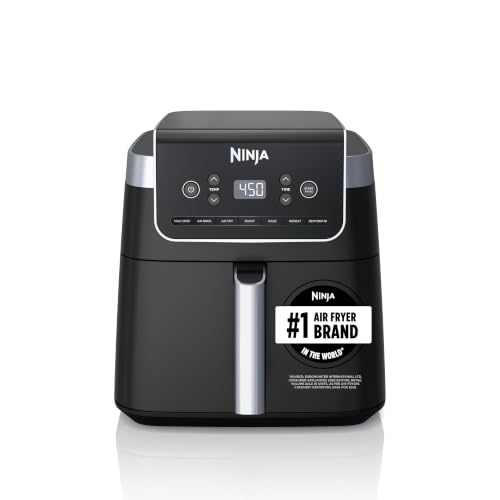


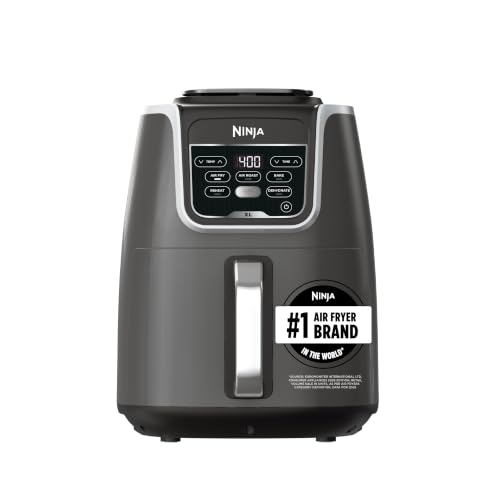


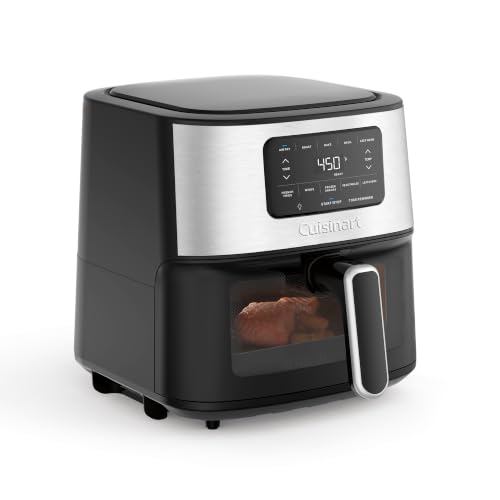
Quick Answer: How to Choose in a Few Minutes
Start with capacity, because it decides whether the appliance suits your household at all. A size that is too small forces batch after batch, while a size that is too large wastes counter space and preheat time on tiny portions. Once capacity feels right, choose the type that matches the meals you cook most often during a normal week.
Next, look at the features you will touch every day, such as clear controls, a basket that slides smoothly, and parts that wash without a struggle. Treat extra programs as a bonus, not the reason to buy. Finish by checking dimensions, wattage, safety marks, and total budget.
Before You Buy: A Quick Checklist for Choosing an Air Fryer
The checklist below follows the order that prevents the most regret. Size and type come first because no clever feature can fix a machine that holds too little food or clashes with how you cook. Power, safety, space, and price then confirm your choice will work in your kitchen.
Size: Match It to Your Space and Household
Capacity is usually listed in quarts, and the right number depends on how many servings you cook at once. Around 2 quarts suits one person making a single portion of fries or chicken. About 4 to 6 quarts covers most couples and small families, while 8 to 10 quarts helps when you cook for a crowd or want a whole chicken. If counter room is tight, our guide to the best small air fryer explains the tradeoffs of compact models in more detail.
Which Type Fits Your Routine
Basket models are the simplest choice for fries, wings, and reheated leftovers, and most people learn them in one session. Dual basket models cook two foods at once, which helps when a main dish and a side need different settings. Oven style models hold more and suit toast, pizza, and sheet pan meals, a difference explored in our comparison of air fryer vs convection oven and our guide to air fryer vs toaster oven for readers weighing a counter oven instead.
Features Worth It, and Ones to Skip
A clear viewing window saves you from opening the basket just to check browning, and a shake reminder helps small pieces cook evenly. Simple dial or touch controls with a few useful presets cover most meals without a learning curve. You can usually skip long lists of niche programs, smart app control you will rarely open, and bundled tools that duplicate items already in your drawers. A rotisserie or dehydrator function is worth paying for only when you already know you will use it monthly.
Wattage, Power, and Energy Use
Most home models draw about 1200 to 1800 watts, and higher wattage generally means faster preheating and cooking. That speed matters less than you might expect, because a right sized basket used once beats a huge cavity heated for a small snack. On a shared kitchen circuit, avoid running the fryer at the same time as another heavy appliance such as a microwave. Your electricity cost per meal stays modest, since cooking times are short.
Safety Features and Certifications
Look for a UL or ETL mark, which shows the appliance was certified to recognized safety standards in North America. Automatic shutoff when the basket opens, cool touch handles, and stable feet all reduce risk during busy cooking. Keep the unit on a heat resistant surface with clear space behind the vent, and never leave it running while you are out of the house. Stop using any appliance with a damaged cord or peeling basket coating.
Counter Space and Dimensions
Measure your counter before you shop, including the height under your cabinets, because listed capacity tells you nothing about the outer footprint. Leave a few inches behind the machine for hot air to escape, and check that the basket or door can open fully without hitting anything. A model that must be dragged out of a cupboard for every use quickly stops feeling convenient.
Realistic Budget Ranges
Under $50 usually buys a small basket model with basic controls, which can be a sensible best value air fryer choice for one person. About $50 to $100 covers most midsize basket models with digital controls and a few presets. About $100 to $150 adds dual baskets, larger capacity, or a better finish, while above $150 you are mostly paying for oven style versatility and size. Spend on capacity and ease of cleaning first, because those affect every single meal you make.
Three Buying Profiles and What to Prioritize
Instead of chasing a single winner, match your purchase to one of these profiles. Each profile describes the type, size range, and features that serve that household best. Reading your own routine in one of them makes the final choice much simpler.
Profile One: The Right Fit for Most Homes
Most households do well with a basket model of about 4 to 6 quarts, digital controls, and a dishwasher safe basket and tray. That size handles dinner for two to four people without constant batch cooking, and the format stays easy to clean and store. Prioritize even browning, a clear display, and a basket that feels sturdy when loaded. This profile is the sensible default when your meals are a mix of frozen foods, roasted vegetables, chicken, and reheated leftovers.
Profile Two: The Careful Small Budget Choice
If money is tight, a compact basket model under $50 with simple controls can still deliver crisp, satisfying results. Accept a smaller capacity and fewer presets, and plan to cook in two batches when friends visit. Check that replacement baskets are easy to find, because a worn tray can shorten the life of a bargain purchase. Skip paying extra for app features at this level.
Profile Three: The Long Term Investment
Households that cook daily may prefer to spend more on a larger, sturdier build with a generous warranty. Dual basket and oven style formats both fit this profile when your routine truly uses their extra room. Look for metal interior parts where available, smooth controls, and a support page with parts and manuals that are easy to reach. The goal is a machine you still enjoy using after the first month.
How to Evaluate Options Before You Order
Judge every candidate against the same short list of criteria so marketing claims do not sway you. Capacity and cooking performance come first, followed by ease of use, cleaning effort, and noise during a normal cycle. Safety marks and warranty length round out the picture, since they shape how confident you can feel about daily use.
Use manufacturer specification pages and large pools of verified buyer feedback rather than a single glowing comment. Pay special attention to repeated notes about the same strength or flaw, because patterns matter more than one opinion. If several owners mention awkward controls or a fragile basket handle, treat that as a real signal you can check yourself before spending anything.
Quick Guide by Household and Space
Solo cooks and students usually thrive with a compact model that preheats fast and stores in a small footprint. Couples do best around 4 quarts, which covers two generous servings without crowding the food. Families of four or five should look at 6 quarts or a dual basket layout so mains and sides finish together. If you regularly cook for six or more people, our guide to the best large air fryer walks through the biggest formats and their space demands.
Apartment kitchens reward models with a modest footprint and a basket that opens toward you rather than a door that swings down. Open plan homes may favor quieter operation, since the fan runs within earshot of living areas. Homes with curious kids benefit from a cool touch exterior and a basket release that small hands cannot trigger by accident.
Common Mistakes to Avoid
- Buying by headline capacity alone, so a huge footprint crowds your counter while the basket still cooks unevenly when overfilled.
- Filling the basket in one deep layer, which blocks air flow and leaves food steamed on top and pale underneath.
- Paying for many preset programs you will never use, while ignoring cleaning effort that affects you after every meal.
- Forgetting replacement costs, such as a new basket or tray, when comparing a cheap model with a slightly pricier one.
- Placing the appliance tight against a wall or under a cabinet, so vented heat has nowhere safe to go.
- Skipping the manual, and missing the first use cleaning step that removes manufacturing residue before food touches the basket.
Cost of Ownership and Care
Ownership costs stay low for most people, but they are not zero. Electricity for short daily cooking is a minor expense, while parchment liners, replacement trays, and the occasional new basket add up over the years. Choosing a common size makes those parts cheaper and easier to find later.
Routine care is simple and protects both flavor and performance. Wash the basket and tray after greasy meals, wipe the interior once it cools, and clear crumbs from around the heating element area as the manual directs. Our step by step guide on how to clean an air fryer covers deep cleaning for stubborn buildup. Let parts dry fully before reassembly, and store the basket slightly open so trapped moisture and odors can escape between uses.
Your Questions, Answered
What makes an air fryer brand reliable?
Reliability shows up in consistent build quality, honest capacity ratings, and support that stays available after the sale. Brands that publish manuals, sell replacement baskets, and honor warranties without a fight tend to earn repeat buyers. One extra check is how long a product line has stayed on sale, since a format supported for years usually has parts available. Read recent buyer feedback for patterns about the same failure, not for a single angry story.
How do you clean an air fryer without damaging the coating?
You clean an air fryer gently by soaking the basket and tray in warm soapy water and wiping with a soft sponge. Avoid metal tools and harsh scouring pads, which scratch nonstick surfaces and shorten their life. A paste of baking soda and water handles baked on grease without aggressive chemicals. Dry each part fully before the next use, because leftover moisture can steam instead of crisp and may leave a stale smell in the cavity.
Is an air fryer worth buying for a small kitchen?
An air fryer is worth buying for a small kitchen when it replaces tasks you now do in a full size oven or a deep fryer. It earns its footprint by reheating leftovers well, cooking frozen food fast, and handling small roasts without heating the whole room. The honest test is frequency, since a gadget used four times a week justifies space that a monthly novelty cannot. Measure your counter first and choose the smallest capacity that still fits your usual portions.
How long does an air fryer usually last?
An air fryer usually lasts about three to five years with regular home use, and longer when care is consistent. The basket coating is often the first part to wear, especially when metal utensils or harsh scrubbing damage it. Fans and heating elements tend to outlast the tray, so a model with available replacement baskets can stay in service well past its warranty. Register your purchase and keep the receipt, because warranty claims are far easier with both on hand.
What is the best air fryer for a family that cooks every day?
For a family that cooks daily, the strongest choice is a 6 quart or dual basket model with simple controls and parts that wash quickly. Daily use rewards durability and speed far more than a long list of presets. Pick the format that matches your most common dinner, whether that is two foods at once or one large batch. Also check the noise level in buyer feedback, because a loud fan at dinner time wears on everyone over months of use.
Final Thoughts
The right choice comes down to honest answers about your household size, your counter space, and the meals you cook most. Match capacity first, pick the type that fits your routine, and let features and price settle the rest. Use the product table to compare your shortlist side by side before you order.
When you shop with that order of priorities, finding a best air fryer for your home stops feeling overwhelming and starts feeling straightforward. A well matched machine will quietly earn its place by making weeknight cooking faster, cleaner, and a little more enjoyable. Prices and availability can change, so check the product page before ordering.


