
Best Air Fryer for Wings for 2026: A Guide for Real Homes
Disclosure: We may earn a commission when you buy through links on this page, at no extra cost to you. As an Amazon Associate I earn from qualifying purchases. Learn more

Pick the best air fryer for wings by matching basket size and shape to your household, with budget guidance, safety checks and cleaning tips.
Wings are a regular dinner in many homes, but they rarely fit neatly into one batch. A basket that looks generous on paper can crowd a pound of wings, soften the skin, and force you into extra rounds of cooking. Choosing the best air fryer for wings starts with how your household actually eats, how many people sit down at once, and how much counter you can give up every day.
This guide focuses on fit for real homes rather than headline specs alone. You will find sizing help, type comparisons, budget guidance, and care advice below, and the product table pulls the key options together for your space and routine.





Quick Answer: How to Choose in 30 Seconds
Start with batch size. A household of one or two can usually cook wings well in a 4 quart or 5 quart basket, while families should look at 6 quart and larger, or a dual basket design that runs two batches at once. Next, check basket shape, because a wide and shallow basket spreads wings in one layer better than a tall and narrow one.
Then look at heat and airflow. Wings need strong heat, ideally up to 400 degrees Fahrenheit, and a fan that moves air around every piece. Simple controls and an easy to clean basket matter more than a long list of preset programs.
Before You Buy: A Quick Checklist for Choosing an Air Fryer for Wings
Work through size and type first, because those choices decide how many batches you cook and how crisp the skin turns out. Features, power, safety, and budget come after.
Size: Match It to Your Space
Capacity labels measure the whole basket volume, not the flat area where wings sit. Wings cook best in one layer with small gaps between pieces, so usable floor space matters more than the quart number alone. A 2 quart model handles snacks for one person, a 4 quart or 5 quart model suits one or two people, and a 6 quart to 8 quart model fits families who cook 2 to 3 pounds at a time.
Larger oven style models in the 10 quart range can hold trays on two levels, but food on the lower level cooks more slowly and needs swapping partway through.
Which Type Fits Your Routine
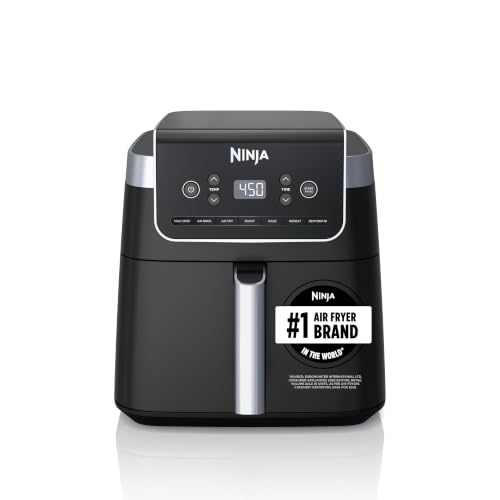
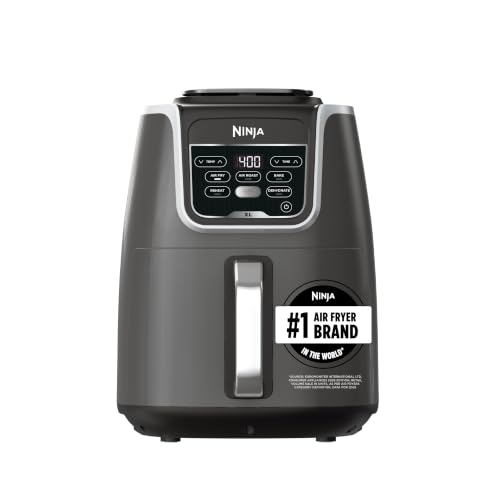
Basket models are the most common choice and the easiest to learn. You pull the basket out, shake or turn the wings, and slide it back in, and the compact shape keeps hot air close to the food. For most homes, a standard basket model covers the job with the least fuss and the quickest cleanup.
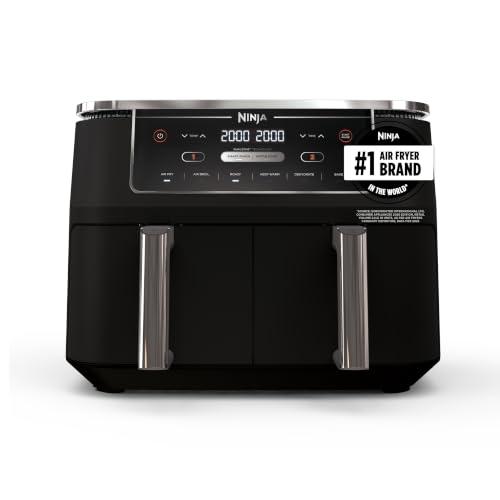
Dual basket models cook two batches at once, which helps when you want two flavors or wings plus a side dish. They take more counter width and cost more, and each basket is smaller than the total capacity suggests. Oven style models hold trays and suit households that also bake and roast often, though trays take longer to wash.
Glass and stainless steel designs appeal to buyers who want to watch food cook or avoid certain coatings. If material choice is a priority, our guide to the best non toxic air fryer explains what to check.
Features Worth It and Ones to Skip
A shake reminder is genuinely useful for wings because turning each piece once or twice gives more even browning. A viewing window helps you judge color near the end of cooking without opening the basket and losing heat. Strong temperature control up to 400 degrees Fahrenheit is also worth having.
Features you can usually skip include long preset lists, app control that adds setup time to a simple task, and dehydrator or rotisserie extras you have no plan to use. Each extra adds cost, weight, and parts to clean. For a broader look at how models differ beyond wings, see our guide to the best air fryer for everyday cooking.
Wattage, Power and Energy Use
Most counter air fryers draw about 1200 to 1800 watts, and higher wattage usually means faster preheating and better recovery after you open the basket. Large and dual basket models may need a circuit that is not already running a microwave or kettle. Energy use per batch stays modest, since wings often cook in 20 to 28 minutes.
Safety Features and Certifications
Look for a UL or ETL mark, which shows the appliance was certified to recognized safety standards in the United States. Automatic shutoff when the basket opens, a cool touch handle, and stable feet all matter when you are shaking a hot basket of wings. Leave space behind the vent while it runs, and stop using any appliance with a damaged cord. Check local rules if you plan to use it in a rental or shared housing.
Counter Space and Dimensions
Measure width, depth, and the height under your upper cabinets before you order, and add a few inches behind the unit for the exhaust vent. Compact kitchens may do better with a taller and narrower footprint, which is why readers comparing the best small air fryer options often trade a little batch size for a unit they can leave out and use daily.
Storage matters too. If the fryer must go into a cabinet after each use, check its weight, because a heavy model becomes a chore to lift.
Realistic Budget Ranges
Under $100 you can find simple basket models with dial or basic digital controls that cook wings well for one or two people. The trade off is usually smaller capacity and fewer convenience details. About $100 to $200 covers most family size basket models and many dual basket designs, with better baskets, clearer displays, and stronger warranties.
Above that range, you pay for oven style versatility, premium materials such as stainless steel or glass, and larger capacity. That spending makes sense only if you will use those extras weekly.
Three Buying Profiles and What to Prioritize
Instead of chasing a single top choice, match the fryer to the way your home cooks. The three profiles below each point to a different balance of size, cost, and daily convenience.
For Most Homes: Room for a Full Batch
If you cook wings for three or four people, prioritize a 5 quart to 6 quart basket with a wide floor, heat up to 400 degrees Fahrenheit, and a shake reminder. This size cooks about 2 pounds of wings in one layer without constant batch juggling. Check that the basket and insert go in the dishwasher or wash easily by hand.
For Small Budgets and Small Kitchens
If you cook for one or two and money is tight, a 4 quart basket model under $100 is a sound target. You will cook wings in one or two batches, and the smaller footprint leaves room for prep bowls. Skip paid extras and put the savings toward a simple instant read thermometer, which helps you confirm wings reach a safe internal temperature of 165 degrees Fahrenheit.
For Larger Households and Frequent Wing Nights
If wings are a weekly event for five or more people, look at a dual basket model or a large oven style unit. Dual baskets let you run plain wings in one side and seasoned wings in the other, finishing together when the sync feature is set well. Oven style trays suit very large batches but need tray rotation for even color.
What Decides Wing Results
These are the factors that change wing results at home: capacity and basket shape, top temperature and airflow, ease of use, cleaning effort, noise, safety marks, and warranty length. Use these factors as a checklist when you compare listings, and check manufacturer specifications and patterns in verified buyer feedback for each one.
Living With It: What Really Matters in an Air Fryer for Wings
Day to day, the best fit is the fryer that suits your household rhythm. A couple who cooks wings on Friday nights needs quick setup and easy washing more than tray capacity. A family feeding teenagers after practice needs batch size and controls anyone can use without a manual. Who cooks, who cleans, and where the unit sits between meals predict satisfaction better than any single spec.
Wings also test how a fryer handles grease. Splatter builds up around the heating element over time, so a smooth interior and a removable insert are easier to keep fresh. Most units sound like a strong vent fan, fine in an open kitchen but noticeable in a small apartment. If your kitchen already has a capable oven, the comparison in air fryer vs convection oven helps you judge whether a counter unit earns its space.
Common Buying Mistakes to Avoid
- Buying by quart label alone, when a narrow tall basket crowds wings and forces extra batches.
- Choosing a huge oven style model for a small counter, then storing it away and rarely using it.
- Paying for apps, rotisserie kits, and long preset lists that add cost without improving wings.
- Ignoring the cost of replacement baskets, inserts, and liners when comparing similar prices.
- Forgetting to measure cabinet height and vent clearance before ordering.
- Assuming two baskets in a dual model are each as large as the total capacity on the box.
Cost of Ownership and Care
Running costs stay low for most homes. A typical batch uses far less electricity than heating a full oven, and the main ongoing costs are replacement inserts or baskets after heavy use, plus optional liners. Liners can ease cleanup but may reduce airflow if they cover too much of the basket floor, so use only sizes made for air frying and never run a liner alone during preheating.
For care, wash the basket and insert after each wing session once they cool, using warm soapy water and a soft sponge so the coating lasts. Our step by step guide on how to clean an air fryer covers buildup around the fan and stubborn residue. Store the basket slightly open if odor lingers.
Your Questions, Answered
What is the most reliable air fryer brand?
No single brand is most reliable for every home, so judge reliability by build signs instead of a name. Look for a warranty of at least one year, a UL or ETL mark, replacement baskets that are easy to order, and controls that feel solid. A simple model with fewer electronic extras often has fewer parts to fail, which is a useful tie breaker when two sizes fit your kitchen equally well.
How do you clean an air fryer after cooking wings?
You clean an air fryer after wings by soaking the basket and insert in warm soapy water once they cool, then wiping the interior with a damp cloth. Wing grease hardens as it sits, so washing the same day prevents the baked on film that causes smoke later. A soft brush helps around the insert edges. Dry every part fully before the next cook, because trapped moisture under the insert can steam the next batch and soften the skin.
Is an air fryer worth it for wings alone?
An air fryer is worth it for wings alone if you cook them at least twice a month and want faster results than a full oven gives. It heats in minutes, crisps skin with far less oil than deep frying, and keeps the stove free for sides. If wings are a rare treat and your oven has a strong convection setting, the counter space may serve you better.
How long does an air fryer last?
An air fryer typically lasts about 3 to 5 years in a home that uses it several times a week, and longer with lighter use. The basket coating usually shows wear before the motor does, especially when metal tools or harsh scrubbers are used. Washing gently and avoiding cooking sprays that leave sticky residue on the basket extend service life. A replaceable basket can add useful years to a sound unit.
What should I look for in an air fryer for wings?
You should look for a wide basket that holds your usual batch in one layer, heat up to 400 degrees Fahrenheit, and controls you can adjust without a manual. Also check the basket handle design: a handle with a covered release button keeps the inner basket from dropping when you shake wings over the sink, which is an easy detail to check before you buy.
What is the best air fryer for wings for a family of five?
The best choice for a family of five is usually a dual basket model or a large oven style unit that cooks 3 pounds or more across its cooking area. Families this size lose the time saving benefit when a small basket needs three rounds. Also weigh who will wash up: two smaller baskets often clean faster than deep oven trays with baked on sauce in the corners, which can tip the decision toward the dual basket layout.
Final Thoughts
The right fryer for wings is the one that fits your counter, your household size, and your cleaning habits, while giving wings room to crisp in one layer. Use the product table to compare capacities and layouts, then narrow your choice by basket shape and budget. When you choose the best air fryer for wings on those terms, wing night becomes a simple routine instead of a juggling act.


