
Best Bowl Lift Stand Mixer: Sizes, Motors and Costs (2026)
Disclosure: We may earn a commission when you buy through links on this page, at no extra cost to you. As an Amazon Associate I earn from qualifying purchases. Learn more

Best bowl lift stand mixer guide to bowl size, motor strength, cabinet clearance and budget for bread and big batches.
Picture a Saturday morning in a busy family kitchen. A double batch of sandwich bread is rising on the counter, cookies are planned for the afternoon, and your old mixer already sounds strained before the dough comes together. That is the moment a best bowl lift stand mixer earns its place, because the bowl locks onto a sturdy arm and the head never tilts back into your cabinets.
This guide helps you choose by the things that matter at home: the space you actually have, how many people you bake for, and what you can comfortably spend. The product table sums up the main models, and our wider guide to the best stand mixer covers every design in one place.


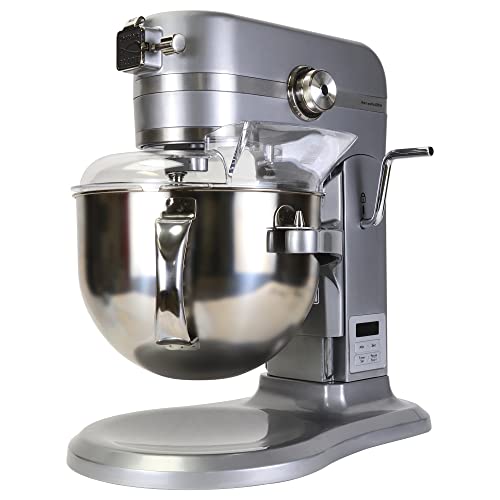
Quick Answer: What Sets Bowl Lift Models Apart
A bowl lift mixer raises the bowl toward the beater with a lever or crank instead of tilting the head back. Because the head stays fixed, the frame can be taller and stronger, and the bowl sits very steady when thick dough pulls against the paddle. That steadiness is why this design suits households that bake often and in bigger batches, including anyone shopping for the best stand mixer for baking several times a week. Three size groups cover nearly every home, and the sections below help you match one to your kitchen.
Before You Buy: A Quick Checklist for Choosing a Stand Mixer
Size: Match It to Your Space
Bowl capacity decides how much you can mix in one go, and bigger is not always better. A 3.5 or 4.5 quart bowl feels cramped for double cookie batches, while an 8 quart bowl can struggle to whip a small amount of cream because the beater sits far from the bottom. Most families land happily at 5 to 6 quarts, which handles roughly 6 to 9 dozen cookies or a couple of standard loaves per batch. Our sizing guide on what size stand mixer do i need walks through batch math for common recipes.
Which Type Fits Your Routine
Tilt head models swing the head back so you can lift the bowl off the base, and they tend to be shorter and easier to store in small kitchens. Bowl lift models keep the head still, which gives better stability under heavy loads and usually pairs with stronger motors and larger bowls. Commercial and professional versions add metal gears and higher duty ratings for near daily use, while planetary action, where the beater spins and orbits at once, is the standard motion you want for general baking. The full comparison in tilt head vs bowl lift stand mixer breaks down the daily handling differences.
Features Worth It (and Ones to Skip)
A stainless steel bowl with a sturdy handle is worth paying for, because it resists dents, chills well for whipped cream, and gives you a firm grip when you pour batter. A dough hook shaped for pushing dough down the bowl matters too if bread is your main job, and shoppers focused on loaves should also read about the best stand mixer for bread dough. Glass bowls look lovely but add weight and chip risk. Pasta rollers and meat grinder attachments are worth it only if you already make those foods often, and a built in timer is a bonus rather than a reason to buy.
Wattage, Power and Energy Use
Wattage numbers can mislead, because a well designed motor with metal gears often kneads better than a higher watt motor driving plastic gears. What you feel in practice is torque at low speed: the mixer should start a stiff dough slowly without stalling, jerking, or walking across the counter. Energy use is modest either way, since mixing runs in short bursts, so even frequent bakers rarely see a meaningful change on a power bill.
Safety Features and Certifications
Look for a UL or ETL mark on the label, which shows the appliance passed independent electrical safety evaluation for home use in the United States. A locking bowl adds everyday protection, especially with curious kids nearby. Overload protection that shuts the motor down before it overheats is worth having, because stiff dough at the wrong speed is the fastest way to strain a motor. Keep hands and spatulas away from the bowl while it runs, and unplug the mixer before swapping attachments.
Counter Space and Dimensions
Bowl lift mixers are tall, often around 16 to 17 inches, so measure the gap between your counter and upper cabinets before you fall for a large model. Many standard kitchens have about 18 inches of clearance, which leaves little room to lift a full bowl off the arms. Weight matters too: a big model can weigh 25 pounds or more, which makes hauling it from a pantry shelf a real chore. If it will live on the counter, measure the footprint and leave a few inches behind it for the cord.
Realistic Budget Ranges
Bowl lift mixers cost more than tilt head models. Listings in the product table run from about $530 to $950, and the higher end usually adds a pasta set or other attachments to the box. Spending more mainly buys capacity, stronger motors, and longer coverage rather than better cookies. Set aside part of your budget for the extra bowl or scraper beater you may want later.
Best Bowl Lift Stand Mixer Groups That Fit Real Homes
Instead of chasing a single winner, think in groups. The compact group, around 5 quarts, suits one or two person households and smaller kitchens. It handles a single loaf, a standard cake, and a batch of cookies without hogging the counter, and it costs less to buy and to store. Choose this group if your baking is weekly but modest.
The mid size group, around 5.5 to 6 quarts, is the sweet spot for most families. It takes double batches, holiday cookie production, and two loaves at once, and the bowl lift frame keeps those loads steady. Most attachment sets and spare bowls are made for this group, so ownership stays simple. If you bake for school events or a house full of teenagers, start your search here.
The large group, 7 to 8 quarts with professional style construction, suits big households, serious bread bakers, and anyone who mixes for gatherings. The trade off is size and weight: these machines claim a permanent counter spot and need generous cabinet clearance, and they cost the most to buy and to fit with extra bowls. Pick this group only when your batch sizes truly demand it, because an oversized bowl makes small jobs like two egg whites awkward.
Bowl Lift vs Other Stand Mixers: Strengths and Trade Offs
The strengths are stability and capacity. The fixed head and clamped bowl stay planted when dough climbs the hook, and the taller frame leaves room for bigger bowls. Adding ingredients mid mix is simple since you can lower the bowl slightly without moving the head.
The trade offs are height, weight, and small batch performance. Tall bodies clash with low cabinets, heavy frames discourage moving the machine, and wide bowls can leave batter unbeaten at the bottom. A hand mixer still wins for a quick bowl of whipped cream.
Common Buying Mistakes to Avoid
- Buying the largest bowl by default, then finding small batches whip poorly and the machine will not fit under your cabinets.
- Judging power by wattage alone, while ignoring gear material and low speed torque, which decide how dough actually kneads.
- Forgetting to measure cabinet clearance, so the tall frame blocks the bowl from lifting fully off its arms.
- Spending the whole budget on the mixer and leaving nothing for a second bowl, which makes back to back batches slow.
- Choosing attachments on day one, before you know which foods you make often enough to justify them.
Cost of Ownership and Care
Running costs stay low: electricity for short mixing sessions costs very little, and the main spending goes to extras and replacements. A spare bowl runs about $40 to $100 depending on size and material, and a scraper beater costs less. Store attachments in a drawer rather than loose in the bowl, and the machine should serve for many years. If you are new to this appliance, the walkthrough on how to use a stand mixer covers speeds and attachment basics.
For care, wipe the body with a damp cloth after flour heavy sessions, and never immerse the head or base in water. Wash bowls and beaters promptly so dried dough does not harden into the seams, and check whether your beater finish is dishwasher safe, since some coated beaters lose their finish in harsh cycles. Once or twice a year, inspect the lift arms for looseness and listen for new grinding sounds.
Your Questions, Answered
What is the most reliable stand mixer brand?
No single brand wins for everyone, and reliability depends more on construction than on the badge. Models with metal gears, a metal frame around the lift arms, and a warranty of several years tend to outlast lightweight builds. Spare parts that stay available for years also matter, because a mixer you can repair beats one you must replace. Check that mail in repair options exist before you buy.
How do you clean a stand mixer?
Unplug the mixer first, then wipe the head, lift arms, and base with a cloth dampened with warm water and a little mild soap. Dried flour hides around the attachment shaft, so twist a damp paper towel around it to clear the ring of residue. Wash the bowl and attachments in the sink, and dry the bowl mounting points fully before you set the bowl back on the arms.
Is a stand mixer worth it?
It is worth it if you bake at least a few times a month, make dough that tires your arms, or regularly double recipes. Occasional bakers who only stir a boxed cake mix now and then may be happier with a hand mixer that stores in a drawer. Think about storage honestly: a machine that lives on the counter gets used, while one buried in a closet often does not.
How long does a stand mixer last?
A well built bowl lift mixer often lasts 10 to 15 years or more in a home kitchen, and many serve longer with light repairs. Lifespan depends on load habits: repeated max size dough batches at high speed wear gears faster than varied everyday use. Following the flour capacity in the manual protects the drivetrain. Keep your proof of purchase, since warranty service years later usually requires it.
Are bowl lift stand mixers worth it?
They are worth it when you bake big or dense batches often, because the steady bowl and strong frame remove the wobble and strain that frustrate owners of lighter machines. They are less worthwhile for small kitchens with low cabinets or for bakers who mostly whip small amounts. If your baking keeps growing, the bowl lift style tends to grow with you better than an entry level tilt head.
What size bowl lift mixer suits a family of five?
A 5.5 to 6 quart model is the practical fit for most five person households. It covers double cookie batches, a birthday cake with frosting to spare, and two loaves of sandwich bread in one mix. Go larger only if you also bake for events outside the home, since the bigger bowl and taller frame demand more storage.
Final Thoughts
Choosing well comes down to honest answers about your space, your batch sizes, and how often dough is on your menu. Measure your cabinets, pick the size group that matches your real recipes, and put your money toward metal gears and a solid warranty. When you compare the product table above against those priorities, the best bowl lift stand mixer for your home becomes an easy call.


