Best Bosch Stand Mixer: Large vs Compact for Your Kitchen (2026)
Disclosure: We may earn a commission when you buy through links on this page, at no extra cost to you. As an Amazon Associate I earn from qualifying purchases. Learn more

Best Bosch stand mixer guide: large vs compact models, bowl size, dough power, storage fit and attachment choices.
Picture a Saturday morning in a busy family kitchen. One person wants sandwich bread for the week, someone else wants cookie dough, and the counter already holds a coffee maker and a cutting board. That is when choosing the best bosch stand mixer becomes less about raw power and more about fit. The right model has to suit your household size, your storage space, and how you actually cook on ordinary days.
This guide sorts the lineup by those home realities instead of by spec sheets. The product table gives a fast side by side view first.


Quick Answer: How the Bosch Lineup Splits
Bosch stand mixers fall into two broad camps. The larger models pair a big bowl with a strong drive for bread dough, double batches, and family scale baking. The compact models trade some capacity for a smaller footprint and easier storage, which suits couples and small kitchens. The larger style earns its space when you bake often and in quantity, while the compact style wins when a mixer must live in a cabinet.
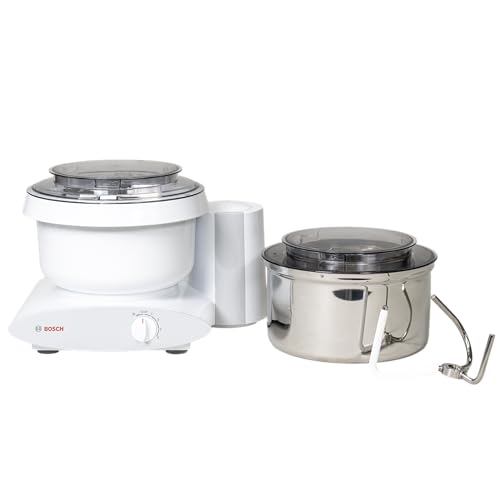
One design point sets Bosch apart. The drive sits in the base and the bowl locks down low, so the machine stays fairly short for its capacity and fits under standard cabinets. If your baking leans toward bread, start with the large models. If you mostly make cakes and single loaves, start with the compact ones.
Before You Buy: A Quick Checklist for Choosing a Stand Mixer
Work through the points below in order. Size and storage rule out more models than any other factor.
Size: Match It to Your Space and Your Household
Stand mixer bowls in general run from about 3.5 quart mini bowls up to about 8 quart bowls, and Bosch focuses mainly on the generous end of that range. One or two people baking small cakes can work happily with a compact bowl, while a family of five making double batches needs the larger bowl to avoid overflow. Flour is the real challenge, since dough climbs as it kneads. The guide on what size stand mixer do i need helps you match bowl volume to your batch.
Which Type Fits Your Routine
Most stand mixers use either a hinged top that tilts back or a lift that raises the bowl, and our explainer on tilt head vs bowl lift stand mixer covers how those layouts feel in daily use. Bosch takes a different route, with the motor in the base and tools driving from below. That layout keeps the bowl open and the machine stable during heavy kneading. Daily bread bakers benefit most from that stability, while occasional cake bakers may value quick setup more.
Features Worth It, and Ones to Skip
A stainless steel bowl is worth prioritizing because it handles hot and cold mixtures, resists stains, and survives drops that would crack a glass bowl. Glass adds weight that matters when you lift a full bowl to the sink. Attachments deserve the same honest check. A pasta roller or a meat grinder earns its cost only if those foods already appear in your meal plans. A timer can help with long kneading, yet most bakers can skip it.
Wattage, Power, and Energy Use
Wattage numbers can mislead, since a well geared drive can knead stiff dough at a lower wattage than a weaker design with a higher rating. What matters is torque at low speed, because that is where dough work happens. Look for speeds that start slowly, since a gentle start keeps flour in the bowl. Energy use is modest either way, since a mixer runs for minutes at a time.
Safety Features and Certifications
Check for a recognized safety listing such as UL or ETL on the product page or rating label, since that mark means the electrical design passed independent review. A lid keeps flour contained, suction feet keep the machine planted during kneading, and a drive that stops when you lift a cover reduces risk while scraping. Keep sleeves and utensils out of the bowl while the motor runs, and unplug the mixer before swapping attachments.
Counter Space and Dimensions
Measure before you fall for any model. Note the counter width you can give up, the height to the bottom of your upper cabinets, and the depth of the shelf where the mixer will rest. Large Bosch models spread wider than many rivals but sit lower, so they often fit under cabinets that block taller machines. Compact models need less shelf room and are easier to carry. Leave a few inches behind the machine for the cord.
Realistic Budget Ranges
Set expectations by tier. Under about $100, you are in hand mixer territory, and the comparison of stand mixer vs hand mixer explains what that smaller tool can do. About $100 to $300 usually covers compact stand mixers and sale pricing on simpler models. Listings for the main Bosch machines with large bowls in the product table run from about $500 to $730, and the higher end of that range usually adds bundled attachments.
Types Compared: Choosing by Home and Routine
With the checklist done, the choice usually narrows to one of three patterns below. Confirm the details against the product table above.
For Most Homes: Large Capacity Everyday Models
The large Bosch style suits homes that bake weekly and cook for four or more people. A big bowl handles double batches in one pass, and the stable base shrugs off stiff dough. This is also the natural starting point if you are researching the best stand mixer for bread dough, since capacity and low speed torque are what bread demands most. The trade off is storage, so these models fit best where a permanent home exists for the machine.
For Small Households: Compact Models
Compact Bosch models fit apartments, small galley kitchens, and households of one or two people who bake in modest amounts. A smaller bowl is easier to wash in a small sink, the lighter body moves in and out of a cabinet without strain, and the machine still beats hand mixing for cakes and soft doughs. The limit is batch size, since three dozen holiday rolls may need two rounds of mixing.
For a Long Term Investment: Full Attachment Systems
Some buyers want one motor base to anchor a whole set of kitchen tasks for years. The larger Bosch machines support that plan, since the same drive can power add ons for slicing, grinding, and pasta work as your cooking grows. One base then replaces several single purpose tools that would each need storage. The cost builds gradually too, but only pays off if you truly use the extras.
The Bosch Stand Mixer Lineup Explained
Bosch keeps its range fairly focused. The core line is the large capacity family built for dough, offered in versions that differ mainly in included tools and bundled attachments. Alongside it sits a compact line for smaller homes, with a lighter body and a bowl sized for everyday cakes and batters. Compare bundles carefully when you shop for the best bosch stand mixer deal, since two listings may be the same base machine with different extras, and the cheaper bundle often makes more sense.
Shoppers often weigh Bosch against its best known rival, and the head to head on kitchenaid vs bosch mixer lays out how the two philosophies differ. Bosch puts its strength into dough handling, capacity, and a low storage profile, while rival designs lean on a tilting top and many colors and sizes. If bread leads your baking, Bosch has the stronger case.
Common Buying Mistakes to Avoid
- Buying capacity for a once a year bake. A huge bowl bought for one holiday recipe sits in the way for the other eleven months, so size for your monthly routine instead.
- Skipping the cabinet measurement. A mixer that cannot fit under your cabinets or on its shelf turns every session into a lifting chore.
- Paying for attachments you will not use. Extra tools add cost and storage bulk, and each one can usually be bought later alone.
- Judging power by wattage alone. A high wattage figure can hide weak low speed torque, and dough will expose that weakness fast.
- Ignoring later costs. A second bowl or a replacement beater adds real money over the life of the machine, so check those prices first.
Cost of Ownership and Care
Running costs stay low. Electricity for mixing is minor, and the main spending over the years goes to optional attachments, a spare bowl, and replacement tools if a beater or dough hook wears or bends. Ask about warranty length and service options before you buy, since a heavy machine is costly to ship for repair. Store the bowl with its lid on to keep dust out.
Basic care protects the drive. Never force the speed up when dough is straining, since letting the dough rest for a few minutes reduces load on the motor. Keep the base dry and store the cord loosely coiled. If the machine sounds strained on a recipe it once handled easily, check for a bent tool before running it again.
Your Questions, Answered
Which Bosch stand mixer should I buy if my cabinets hang low?
Measure the gap from your counter to the cabinet bottom, then compare it with the listed height of the machine with bowl and lid in place. Low cabinets favor the Bosch layout, since the bowl sits down over the base instead of standing tall on a stem. If the fit is still tight, store the bowl beside the base rather than on it, which can save the few inches you need.
How do you clean a Bosch stand mixer after sticky dough?
Start by soaking the bowl and tools in warm water for about ten minutes, since dried dough softens and lifts away with far less scrubbing. A plastic scraper clears the bowl walls and the center column area where dough likes to hide. Wash tools by hand unless the manual allows a dishwasher, and dry the bowl fully before storage. Wipe the base with a damp cloth only, and never submerge it.
Is a Bosch stand mixer worth it if you bake only twice a month?
It can be, if those sessions involve dough or double batches that tire your arms and slow the recipe down. Twice monthly bread making still adds up to a lot of kneading across a year. The case weakens if your baking is mostly thin batters, which a far cheaper tool handles well. One middle path is to freeze shaped dough from one big monthly batch, spreading its value across several weeks.
How long does a Bosch stand mixer last in a busy family kitchen?
A well kept machine can serve a family for many years, often well past a decade, because the drive is built for repeated dough work rather than light duty only. Life span depends most on load habits, since forcing maximum batches of stiff dough shortens service life. Watch for warning signs such as new grinding sounds, a hot smell from the base, or tools that no longer lock firmly. Those changes call for service advice from the maker.
Is Bosch a good stand mixer brand for cooks who dislike noise?
Bosch machines are not silent, since kneading thick dough is physical work, but the low and stable base tends to keep vibration down compared with tall machines that can rock and rattle. You can cut noise further by placing the mixer on a solid counter away from a hollow corner that echoes, and by starting dough at a slow speed so the load builds gently.
Final Thoughts
Choosing the best bosch stand mixer comes down to three honest answers: how much you bake at once, where the machine will live, and which tasks you will truly hand over to attachments. Large models serve bread bakers and big families, compact models respect small kitchens, and the attachment system rewards cooks who want one base to do many jobs. Check your measurements, review the product table above, and compare your shortlist with our wider guide to the best stand mixer before you order.