Best Bowers and Wilkins Bookshelf Speakers: Matching the Right Model to Your Routine for 2026
Disclosure: We may earn a commission when you buy through links on this page, at no extra cost to you. As an Amazon Associate I earn from qualifying purchases. Learn more

Use this buying guide to compare the best bowers and wilkins bookshelf speakers by room size, power needs, tuning, and connections before you spend.
There is no single Bowers and Wilkins bookshelf model that suits every room, every desk, and every listening habit. A compact pair that sounds balanced in a small study can feel thin in an open living room, while a larger pair can overwhelm a desk and waste your budget. This guide helps you choose the best bowers and wilkins bookshelf speakers for your space and routine.
Start with how you actually listen each day, then match cabinet size, power, and connections to that routine. The comparison table below gives you a quick view of the options, and the sections that follow explain what each specification means in a real room.


Who Should Buy Which Bowers and Wilkins Bookshelf Speakers?
Your daily routine decides more than any specification sheet. The three groups below cover the most common buying situations, and each one points to a different balance of size, power, and features.
For Remote Workers and Creators
You need clear dialogue and accurate sound at low to moderate volume for calls, editing, and long listening sessions at a desk. Prioritize a compact cabinet that fits beside a monitor without crowding your workspace, plus stable wired connections to a computer or interface. Nearfield balance matters more than raw output, because you sit close and hear detail rather than room filling volume. A front ported design helps if the speakers must sit near a wall.
For Students and Everyday Users
You need dependable sound for music, video, and casual listening without a complicated setup or a premium price. Look for easy pairing with a phone or laptop, simple controls, and a cabinet size that fits a dorm shelf or a small apartment. Forgiving tuning helps here, since your sources will vary in quality. If budget is tight, compare your shortlist with our guide to the best bargain bookshelf speakers to see what you give up at lower prices.
For Travelers and Commuters
If you move between apartments, offices, or a second home, treat portability as size and weight rather than battery power, because bookshelf speakers are not travel gear. Choose the smallest cabinet that still fills your usual room, and favor models that are easy to pack, protect, and set up again quickly. A powered design with no separate amplifier travels lightest. Measure your usual shelf depth before you buy, since rear ports and cables need extra space behind the cabinet.
Key Features to Compare
Specifications only help when you connect them to your room and your sources. Work through the four areas below in order, and you will narrow a long list to two or three serious candidates.
Passive or Powered
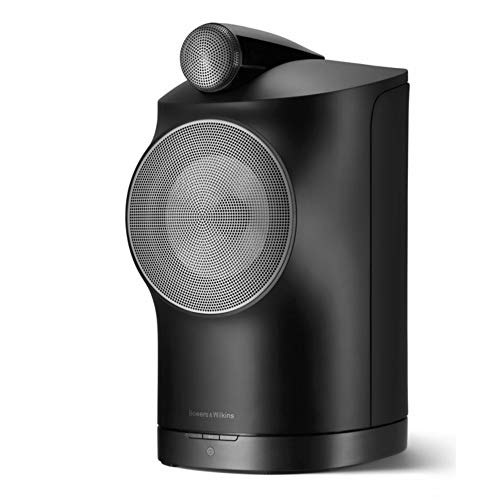
Passive pairs, such as the brand's 600 and 700 series bookshelf models, need a separate stereo amplifier or receiver, but let you choose the electronics and upgrade them later. Powered and wireless models in the Formation line build the amplifier in and connect through an app, which suits streaming and simple desk setups. Pick passive if you already own or plan to buy an amplifier, and powered if you want the shortest path from phone to sound.
Sound Quality and Tuning
Driver size and frequency response tell you how much low end a small cabinet can honestly produce, but tuning decides whether voices sound natural. Larger woofers move more air and fill bigger rooms, while smaller drivers often image better on a desk. A neutral tune suits editing and acoustic music, while a warmer tune flatters casual listening and older recordings. If you want a broader view of the category first, read our guide to the best bookshelf speakers before you commit to one brand.
Stands, Isolation and Placement
Bookshelf speakers sound best on solid stands at ear height, a little away from the back wall. Foam pads or short stands under a cabinet reduce vibration that travels into a desk or shelf and muddies the bass. Placement away from corners also cuts boomy buildup, and a small change of position often improves clarity more than any feature on the speaker itself.
Size, Fit and Weight
Measure shelf width, depth, and the weight your furniture can safely hold, because solid cabinets are heavier than they look. Leave space behind rear ported models so bass stays clean, and keep tweeters near ear height when seated for the clearest image. A pair that fits your furniture and your listening chair will sound better than a larger pair squeezed into the wrong spot.
Common Mistakes to Avoid When Buying Bowers and Wilkins Bookshelf Speakers
- Choosing by price alone and ignoring whether your amplifier can drive the speakers properly.
- Forgetting to budget for an amplifier or receiver with a passive pair, which adds real cost.
- Buying a cabinet that is too large for the shelf or too small for the room.
- Skipping the warranty terms and the return window in case the tuning does not suit your taste.
- Placing speakers flat on a resonant desk with no isolation and blaming the speakers for boomy bass.
Amplifier matching deserves one extra note. If you are building a passive setup, our guide to the best receiver for bowers and wilkins speakers explains the power and input questions to settle first.
Setup and Care Tips
Start with placement before you touch any tone control. Set the speakers in a triangle with your listening seat, angle them slightly toward your ears, and listen for a centered voice image. Keep firmware updated on powered and wireless models, since updates often fix pairing faults. Dust cabinets and grilles with a dry soft cloth, keep drivers away from direct sunlight and heat, and never push the volume into obvious distortion, because a small amplifier clipping can damage tweeters faster than clean high power.
If wiring feels confusing, powered models remove the amplifier question entirely. Our guide to the best powered bookshelf speakers covers that simpler route and when it makes sense.
FAQs
Do Bowers and Wilkins bookshelf speakers need stands?
Stands are recommended. A bookshelf pair sounds clearer on solid stands at ear height than on a deep shelf or a desk, because the cabinet is isolated and the tweeters point at your ears. If you must use a shelf, leave space around the cabinet and check where the port sits.
How much amplifier power do I need?
Match the amplifier to your room and listening level rather than chasing a big number. A modest, clean amplifier is enough for a small room at moderate volume, while a larger room or louder listening calls for more headroom. Check the speaker's stated sensitivity, impedance and recommended power range on the product page.
Wired or wireless: which sounds better?
A wired connection sounds more consistent in most homes because it avoids compression and dropouts. Wireless streaming wins on convenience and keeps a desk or shelf free of cables. The gap narrows when a speaker supports a high quality streaming protocol and your home network is strong.
Are bookshelf speakers enough, or do I need a subwoofer?
For music in a small to medium room, a good bookshelf pair is often enough. A subwoofer adds depth for movies and bass heavy music, and the brand offers matching models. Add one only after the main pair is placed well.
Can I use them for gaming or TV?
Yes. A wired connection to a television, console or computer avoids wireless delay, and a pair at screen height gives clear dialogue. A powered model with a digital or analog input makes setup simpler than a passive pair with a separate amplifier.
Final Thoughts
Decide by room size, power route, and tuning, in that order. Desk listeners should favor compact cabinets and nearfield balance, while living room listeners should favor larger drivers and proper amplifier power. Compare the product table above once more with those three criteria in mind, and the best bowers and wilkins bookshelf speakers for your routine should stand out clearly.