
Best Bosch Laser Level: Cross Line, 360 and Rotary Types (2026)
Disclosure: We may earn a commission when you buy through links on this page, at no extra cost to you. As an Amazon Associate I earn from qualifying purchases. Learn more

Best Bosch laser level guide: cross line, 360 degree and rotary types, beam color, range and battery options compared.
Choosing within one brand can still feel confusing, because Bosch sells compact cross line tools for a single wall, wide coverage tools for whole rooms, and rotary tools for large sites. The right pick depends on your room size, lighting, and how often you work outdoors. This guide helps you find the best bosch laser level for your tasks by comparing types, beam color, range, and battery options, and the product table sums up the main differences.
Bosch is a sensible place to start if you want a broad lineup at several price points, with shared batteries and mounts across many tools. If you are still weighing brands, our guide to the best laser level puts Bosch alongside other makers. Inside the Bosch range, though, the decision is mostly about beam layout and visibility, not about chasing the longest spec list.
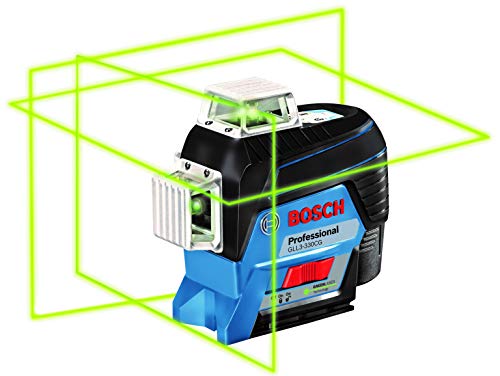
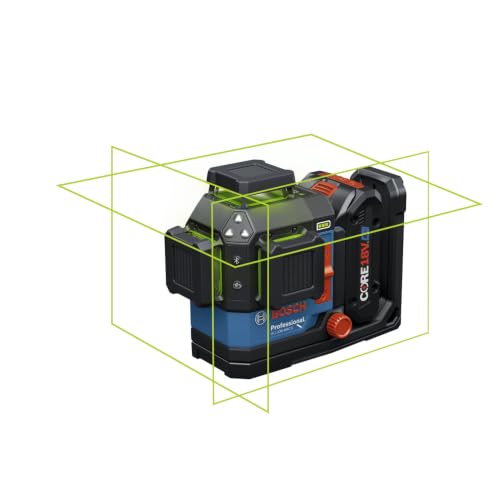

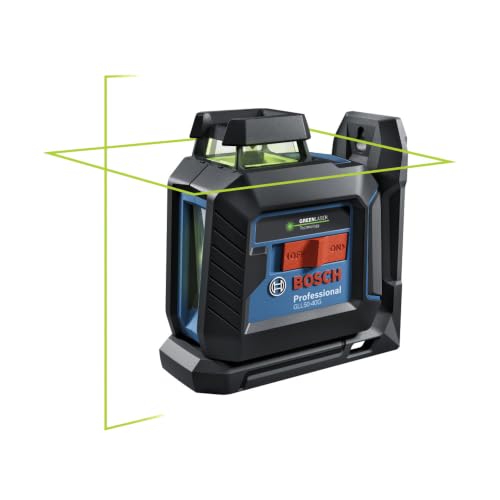

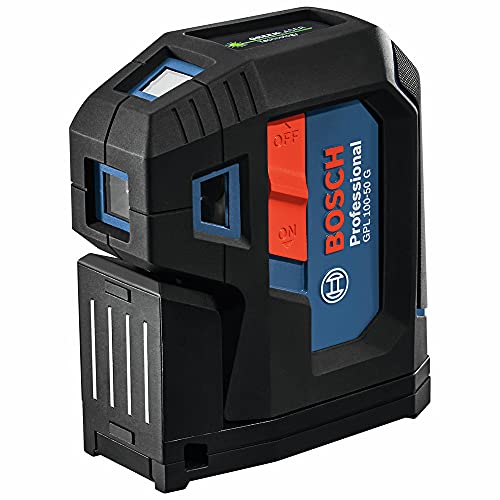

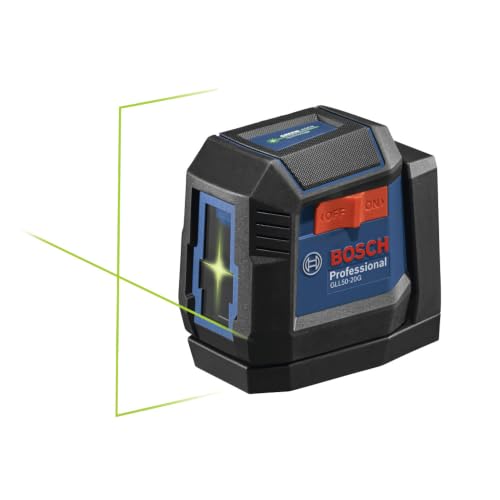


Bosch Laser Level Types Compared
Bosch groups its levels by how the beams cover a space. A small tool that projects one horizontal and one vertical line suits most indoor jobs. A tool that wraps lines around the room suits layout work in open spaces. A rotating beam suits long distances and outdoor grading. Matching the type to your space first will save you money and setup time later.
Cross Line Models for Single Walls and Small Rooms
Cross line models project one horizontal line and one vertical line that meet at a point on the wall. That cross is enough for hanging cabinets, aligning tile on one wall, installing shelves, and marking studs for a gallery wall. These tools are the smallest and lightest in the lineup, and they usually cost the least. Their limit is coverage, because the lines stop at the edges of one surface, so you must move and realign the tool each time you change walls.
360 Degree and Three Plane Models for Full Room Layout
A 360 degree model projects a line that circles the entire room at one height, while a three plane model adds vertical planes that cross on walls, floor, and ceiling. That coverage helps with drop ceilings, flooring layout, framing, and aligning fixtures across a room without moving the tool. If that full coverage matches your work, compare the options in our guide to the best 360 laser level. These tools cost more, use batteries faster, and need a stable spot near the center of the space.
Rotary and Point Models for Large and Outdoor Work
Rotary models spin a single beam to create a level plane over a long distance, and they pair with a receiver for outdoor use where sunlight washes out a visible line. Point models project bright dots for plumb and transfer work, such as moving a point from floor to ceiling above. Combo models combine dots with short lines for electricians and plumbers who need both. These types are larger and pricier, and they pay off mainly when distance or plumb transfer is your main problem.
How to Evaluate the Best Bosch Laser Level
Judge every Bosch model on the same five points. Look at accuracy and working range for performance, the battery platform and expected runtime for power, and weight and grip for comfort during setup. Then check durability ratings for dust and water protection and the length and terms of the warranty. Use maker spec sheets and verified buyer reports about range and battery life, and treat any single glowing claim with caution until the specs confirm it.
How to Choose the Right Laser Level
Type and Beam Layout
Start with the largest space you level on a regular basis. A cross line tool covers a bathroom or kitchen wall well, but it will slow you down in an open plan room where lines must agree across four walls. A three plane tool solves that problem in one setup, yet it is wasted on picture hanging alone. Rent or borrow time matters here, because a layout you repeat weekly justifies wider coverage far more than a layout you do once a year.
Beam Color, Accuracy, and Range
Green beams look brighter to the human eye than red beams at the same output, so green helps in bright rooms and over longer indoor distances. Red beams cost less and often run longer on the same battery. Our explainer on green vs red laser level walks through that trade in detail. For accuracy, look for ratings near 1/8 inch at 30 feet for indoor work, and check the stated range both with your eyes and with a receiver, since the receiver figure is always much longer.
Self Leveling and Lock Mode
Most Bosch line and plane models level themselves within a few degrees of level, flashing or beeping when placed beyond that range so you know the line cannot be trusted. That speed is why our guide to the best self leveling laser level treats the feature as essential for solo work. Also check for a lock mode that protects the pendulum in transit and lets you tilt the tool on purpose for angled lines, such as stair rails and diagonal tile patterns.
Features Worth Paying For
Three extras earn their cost on many jobs. A receiver with pulse mode extends a line tool outdoors and into bright light where your eyes lose the beam. A magnetic mount with fine adjustment helps on steel studs, door frames, and ceiling grid, where small turns save repeated trips across the room. Bluetooth control on some models lets you turn planes on and off from your phone, which saves battery and avoids bumping the tool. Skip extras you cannot name a task for, since each one adds cost and weight.
Battery Platform and Power Options
Bosch line and plane tools run on one of three power setups, so check which one a model uses before you buy. Some compact models use AA alkaline cells or a small built in rechargeable pack charged by USB. Larger models use the Bosch 12V Max lithium ion platform, which suits you if you already own those batteries and chargers. Rotary tools often use larger packs or alkaline options for long days. Runtime varies sharply with how many planes stay on, so plan on a spare battery for full day layout work.
Mounting, Accessories, and Warranty
Check the tripod thread size, usually 1/4 inch on compact tools and 5/8 inch on rotary tools, and confirm that your current tripod or pole matches. A ceiling grid clip, a carrying case that holds the pendulum safe, and a target plate for bright rooms are the accessories most owners actually use. For rotary work, the receiver and its clamp matter as much as the tool itself. Finally, read the warranty terms and note whether calibration service is available near you, since a level that drifts needs service, not storage.
How Much Should You Spend?
Entry cross line models cost about $45 to $110 and cover most home tasks on one or two walls. Mid range models at about $100 to $250 add green beams, wider coverage, or a rechargeable platform. Three plane and connected models at about $400 to $750 suit remodelers and pros who do full room layout every week. Rotary kits with a receiver, rod, and tripod usually cost more again, and that jump only makes sense for outdoor or large site work.
The Bosch Laser Level Lineup Explained
Bosch names its families by function, which makes the catalog easier to read once you know the pattern. Line models focus on visible horizontal and vertical lines for indoor layout. Plane models expand that idea to full room coverage with one, two, or three rotating planes of light. Rotary models trade visible lines for distance and receiver use, while point and combo models handle plumb points and transfers between floor and ceiling. Within each family, higher priced versions usually add green beams, longer range, Bluetooth control, or a rechargeable platform rather than better basic accuracy.
For light home use, the lineup overlaps a lot, and the simplest cross line tool is often the smart buy. It is the same logic behind our picks for the best laser level for hanging pictures, where a short range and a good mount beat raw power. Step up a family only when you can name the task that needs it, such as a ceiling that must stay level around four walls or a patio grade that must hold across a yard. If you are new to setup and alignment, our guide on how to use a laser level covers tripod placement, leveling checks, and receiver use in plain steps.
FAQ
Is Bosch a good laser level brand?
Yes, Bosch is a solid choice for laser levels, mainly because the lineup is wide and support is easy to find. You can start with a compact line tool and later add a plane or rotary model without learning a new battery system in some cases. Parts, mounts, and calibration service are widely available in the United States. The main caution is to compare models inside the brand, since a low cost red beam tool and a green three plane tool serve very different jobs.
How long does a Bosch laser level last?
A Bosch laser level can last many years if you store it in its case, keep the pendulum locked during transport, and remove alkaline cells before long storage to prevent leaks. Drops are the main risk, so check accuracy against a known level wall after any hard fall. Battery packs age faster than the tool itself and may need replacement after a few years of heavy use. If lines start to drift after a drop, send the tool for calibration rather than guessing.
How do you clean a Bosch laser level?
Wipe the housing with a soft, slightly damp cloth and clean the beam windows with a dry microfiber cloth, using light pressure so you do not scratch the glass. Never spray cleaner directly on the windows, and keep solvents away from the housing seals. Blow loose dust off with a hand blower before wiping, since grit dragged across the window can dull the beam over time. Store the clean, dry tool in its case with the pendulum locked and the batteries removed if it will sit for months.
Is a laser level worth it for occasional home projects?
For most homeowners, yes, if you hang items, install tile, or build shelves more than once or twice a year. A laser level gives you a straight, level reference across a whole wall in seconds, which a short bubble level cannot do alone. It also frees both hands, so one person can mark and adjust without a helper holding a string line. If you only need to hang one frame, a basic level and painter tape will do, and renting or borrowing makes more sense.
Which Bosch laser level should you choose for outdoor projects?
Choose based on how the beam will be read outdoors. In bright sun, your eyes will lose both red and green lines at modest distances, so the receiver matters more than beam color. Pick a model with pulse mode that works with a Bosch receiver, or a rotary kit if you need grade checks over a long yard or site. Pair it with a sturdy tripod and a grade rod, and work in shade or at lower light when you can to stretch the readable range.
Final Thoughts
The right Bosch tool is the smallest, clearest one that covers your space, matches your battery platform, and reads well in your lighting. Cross line models serve most homes, plane models serve full room layout, and rotary kits serve outdoor distance. Compare your short list in the product table, and once you narrow it down, the best bosch laser level for you will be the one whose beam layout fits the jobs you actually do each month.


