
Best 3x360 Laser Levels (2026): Beam, Battery and Mounting
Disclosure: We may earn a commission when you buy through links on this page, at no extra cost to you. As an Amazon Associate I earn from qualifying purchases. Learn more

Choose the best 3x360 laser level with advice on green beams, receivers, batteries and calibration checks.
A single cross line tool can leave you moving the unit from wall to wall all day, checking the same reference again each time. A best 3x360 laser level solves that problem by projecting three full planes at once, one horizontal and two vertical, so a whole room carries level and plumb references at the same time. That coverage separates this class from the wider field in our guide to the best laser level options for general work.
This guide compares 3x360 models only, judging them on beam visibility, accuracy, battery platform and runtime, and ergonomics and weight. The comparison table below lines up the key specs, and the sections that follow explain how to read those numbers.





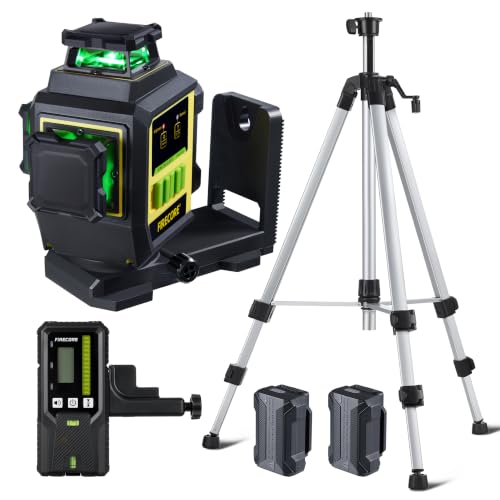
What a 3x360 Layout Gives You
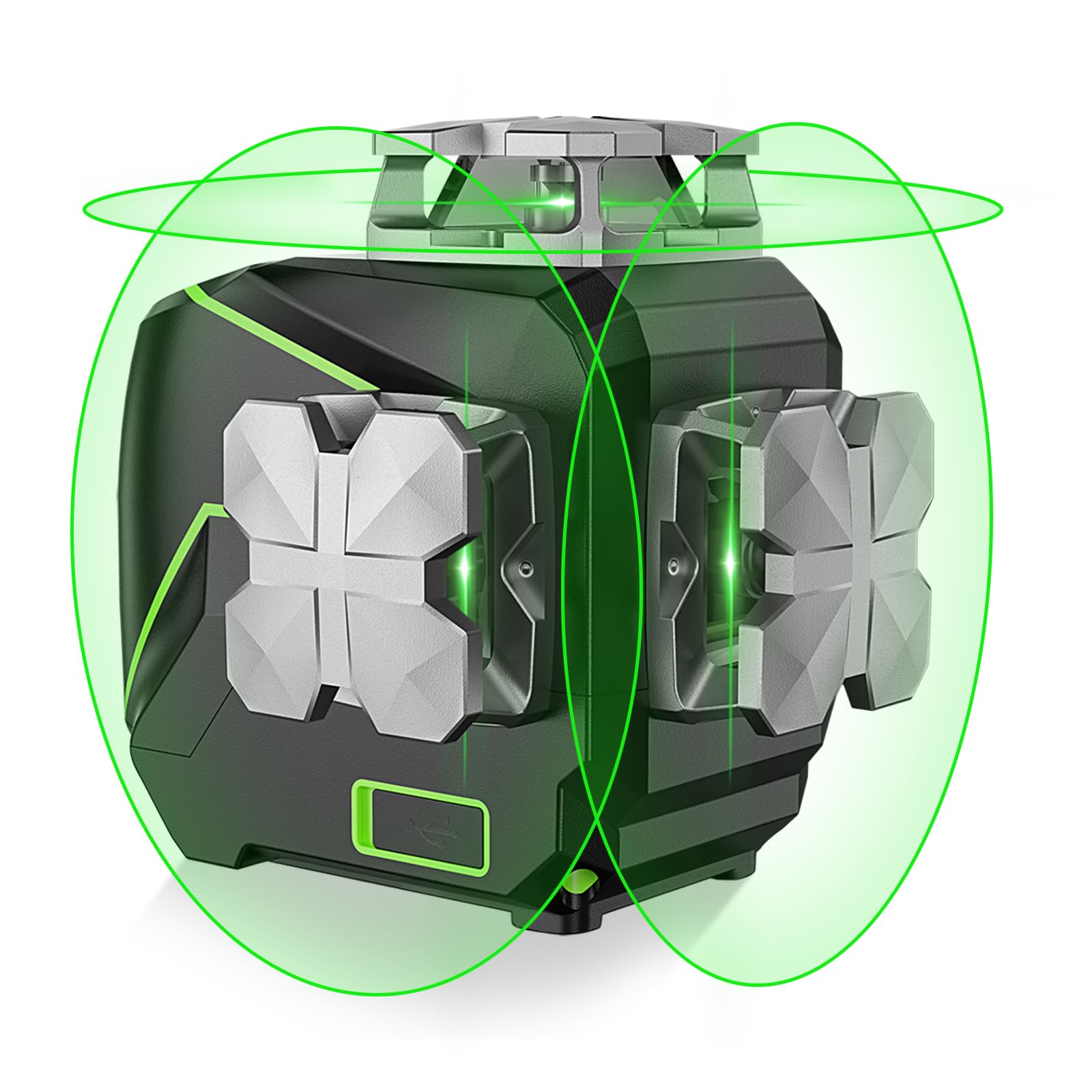
The name describes the optics. Three separate laser windows each project a line that wraps a full 360 degrees around the tool. The horizontal plane runs level around every wall at one height. The two vertical planes stand at right angles, so they cross on the floor and ceiling and give you plumb lines plus square references in one setup.
Because the planes intersect, you can transfer points between surfaces without moving the tool. A mark on the floor carries straight up to the ceiling along a vertical plane, and a cabinet run can be checked against the horizontal plane on one wall and the vertical plane on the next. Fewer setups means fewer chances to bump the tool and lose your reference.
Types Compared: 3x360 Laser Levels and the Alternatives
A basic cross line laser projects one horizontal and one vertical line on a single wall. It suits small tasks, but the lines stop at the corners, so larger rooms mean repeated setups. It stays the cheapest route into laser layout, and for one wall jobs it is often enough.
A single plane 360 tool adds a horizontal line that wraps the whole room, which helps with chair rails, drop ceilings, and flooring height checks. Our roundup of the best 360 laser level models covers that class. It still lacks full height vertical planes, so squaring two walls takes extra steps.
A rotary laser spins one beam to draw a level plane and pairs with a receiver for outdoor grading over long distances. It suits site work in bright sun, but it is bulky, costs more, and its single plane cannot square a room. A 3x360 tool fills the indoor gap between the cross line and the rotary, giving full room coverage at a size you can carry in one hand.
Key Features to Compare
Beam color and visibility
Green beams appear brighter to the human eye than red beams at the same power, so a green 3x360 line stays readable across a lit room where a red line may fade. Red models usually cost less and draw less power, which can extend runtime. The detailed breakdown in our green vs red laser level comparison is worth reading if you work in bright spaces. For most indoor remodel work, green earns its premium because you stop walking closer to check the line.
Self leveling range and accuracy
Nearly every tool in this class levels itself with an internal pendulum, correcting a small tilt before the beam starts flashing to warn you. Accuracy is quoted as a small fraction of an inch at a set distance, and tighter numbers matter most on long runs such as tile across a big floor. If self leveling matters most to you, our guide to the best self leveling laser level goes deeper. Also look for a pendulum lock, which protects the mechanism in transit and lets you tilt the tool on purpose for angled lines.
Working range and receiver support
Unaided, a line laser is usually visible across a typical room, depending on light. Outdoors or in bright sun the line washes out quickly, and that is where a receiver, also called a detector, earns its place. Models with a pulse mode can pair with a compatible receiver and stretch the range well beyond that. Check that the receiver matches the beam color and brand protocol, because receivers are rarely universal. If your work stays inside, skip the receiver and buy a better battery.
Battery platform and runtime
Power comes in three flavors: disposable AA cells, a removable lithium ion pack made for the tool, or a pack shared with a cordless tool platform you may already own. Runtime claims vary because three beams draw far more power than one, so a tool that runs all week on a single line may last one long day with every plane on. Owning spare packs matters more than the headline runtime figure, and a shared platform is the strongest argument here, since your drill batteries can rescue a layout session when the laser pack runs flat.
Mounting options and durability
Three planes only help if the tool sits steady at the height you need. Look for a standard tripod thread, a magnetic bracket that grips steel studs and track, and a fine adjustment base that rotates the tool in small steps without shifting its position. Durability ratings describe resistance to dust and splashes, and a dust and splash rating suits dusty remodel sites. Weight matters too, because a lighter tool hangs on a magnetic bracket without creeping downward during a long session.
How to Choose the Right Laser Level
Match the planes to your jobs
Start with the work, not the specification sheet. Framing, drop ceilings, and full room tile layouts use all three planes constantly, so the full layout pays for itself in saved setups. Cabinet installers lean on the crossing vertical planes to keep runs plumb across corners. If your list is mostly single wall tasks like the ones in our guide to the best laser level for hanging pictures, a simpler cross line tool does the same job for less. Once your jobs are listed, the best 3x360 laser level is the one that covers them without paying for planes you never use.
Power source choices
Almost every 3x360 tool is cordless, and that freedom matters because the tool often sits mid room where no outlet is near. A few models can also run while plugged in, which suits long stationary sessions such as ceiling grid work. Pure corded models are rare in this class and limit placement, so treat plug in operation as a bonus. What counts is a power plan: charged spares on site, and a charger that tops up a pack faster than your work drains it.
Accessories and warranty
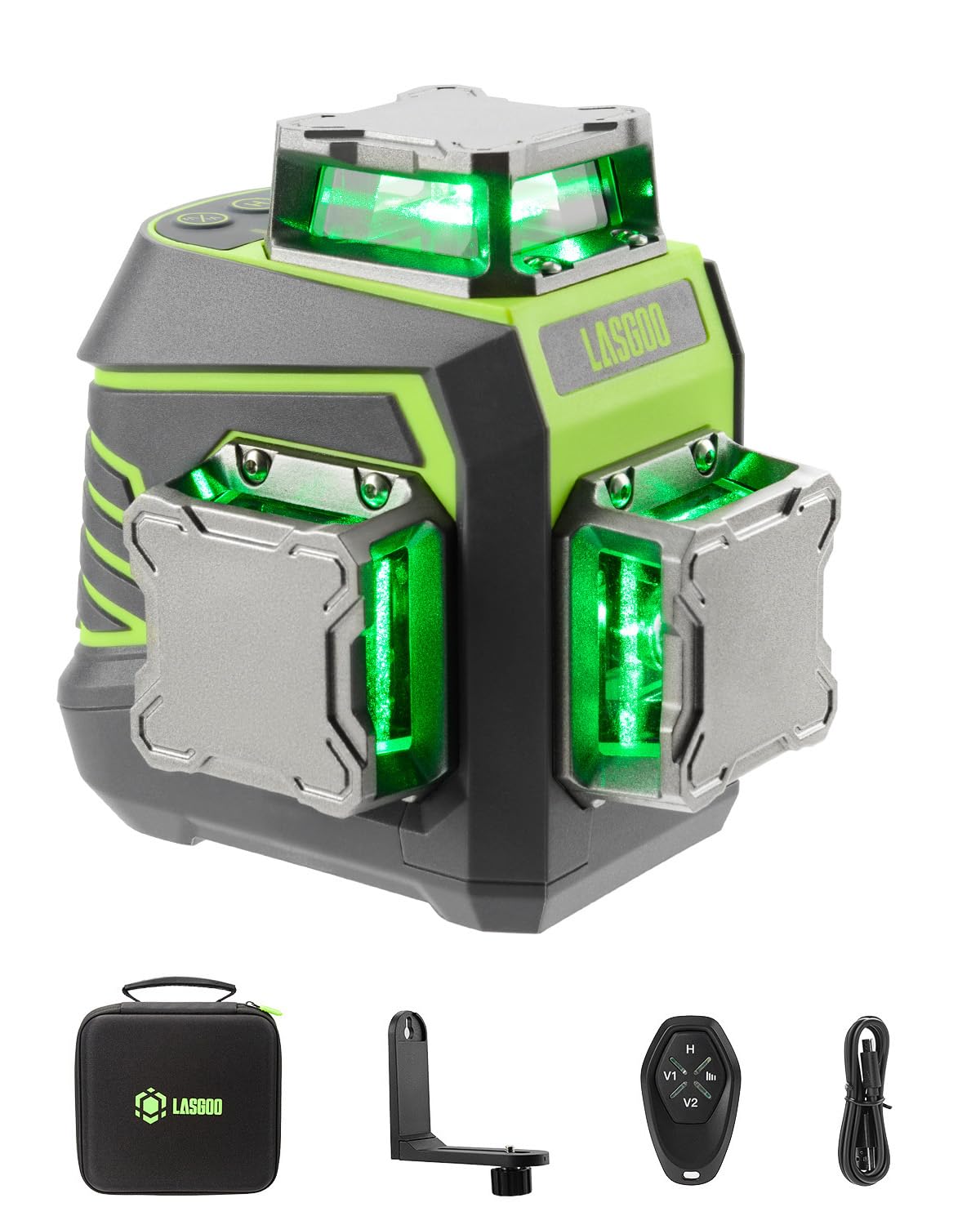
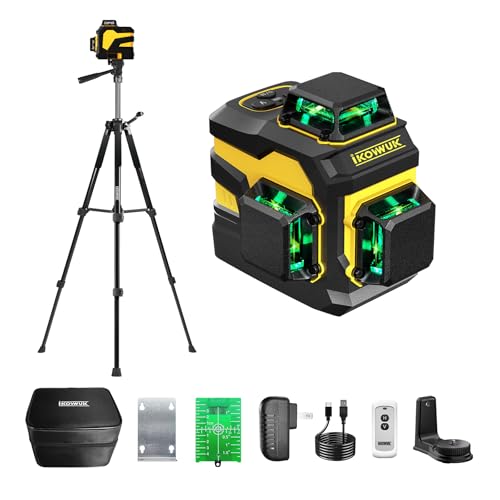
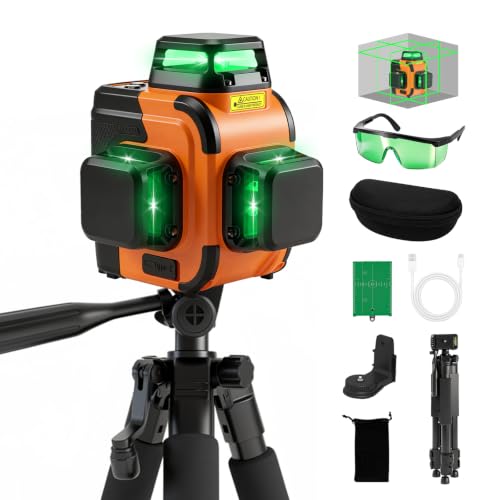
A hard case protects the optics and the pendulum, and it should come in the box at this price level. Useful extras include a magnetic bracket, a ceiling clamp, and green target cards that make the beam easier to spot. Warranty terms in this class usually run one to three years, and some brands extend coverage when you register the tool, so keep the receipt and register promptly.
How much should you spend?
Entry level 3x360 tools start at about $80 to $150, usually with red or basic green beams, AA or small pack power, and a short warranty. The middle band, about $150 to $300, brings brighter green beams, a proper lithium ion pack, better accuracy, and pulse mode for receiver use. Above about $300 you pay for platform batteries, tougher housings, and finer adjustment bases. Prices under $30 belong to simple cross line tools, not true 3x360 models, so treat any listing promising three full planes at that price with suspicion.
3x360 vs Other Laser Levels: Pros and Cons
- Pro: one setup covers level, plumb, and square references for a whole room.
- Pro: crossing vertical planes transfer points from floor to ceiling.
- Con: three beams drain batteries much faster than a single line tool on the same pack.
- Con: lines still wash out in direct sun, so outdoor work needs a receiver and pulse mode.
- Con: the tool costs more than a cross line laser that may cover a small job list.
In short, a 3x360 tool trades battery life and price for setup speed. On multi wall jobs that trade is worth it almost every time. On single wall jobs the extra planes sit unused, and a smaller tool would serve you just as well.
Common Mistakes to Avoid
- Leaving the pendulum unlocked in the tool bag, so the leveling mechanism takes every knock of the ride to the site.
- Trusting a beam you have not checked, when one drop can shift calibration and tilt every line the tool projects.
- Setting the tool beyond its self leveling range on a sloped floor, then reading the flashing warning as a fault instead of a tilt alert.
- Buying a receiver that does not match the beam color or pulse protocol of your laser, so the two never pair outdoors.
- Judging brightness in a dim store, then finding the line unreadable under the bright lights of a real work site.
- Mounting the tool on a wobbly tripod at full height, where vibrations blur the line and spoil precise marks.
Care and Maintenance
Store the tool in its case with the pendulum locked, and keep it out of vehicle heat, which ages batteries and can stress the optics. Remove battery packs during long storage, and store them partly charged rather than full or empty.
Check calibration a few times a year with a simple wall check: project the horizontal line, mark it, rotate the tool 180 degrees, and confirm the line lands on the same mark. Our walkthrough of how to use a laser level covers basic checks like this in more depth. If the line sits off the mark, the tool needs professional calibration.
FAQ
Are 3x360 laser levels worth it for home projects?
For a single room remodel, often yes, because one setup carries your references while you move around the space. The value drops for flat pack furniture and picture hanging, where one line on one wall does the whole job. A fair measure is your project list: if two or more jobs involve corners, ceilings, or tile, the upgrade earns its cost in saved setup time.
How long does a 3x360 laser level last?
The tool itself can serve for many years, since the laser diodes have no wear parts. The battery pack is the part that ages, typically losing noticeable capacity after a few years of regular charging. Buying into a platform with packs still in production protects your investment, because a sound tool with an orphaned battery format becomes hard to keep working.
How do you clean a 3x360 laser level?
Blow loose dust off the three windows first, then wipe each one with a clean microfiber cloth using light pressure. Stubborn marks yield to a cloth barely dampened with water, never solvents, which can cloud the window coating. Clean the battery contacts with a dry cloth at the same time, and check the tripod thread for grit before mounting, since trapped grit wears the thread.
Can a 3x360 laser level project a line at an angle?
Yes, if the model has a pendulum lock or a manual mode. Locking the pendulum freezes the beams so you can tilt the whole tool and project a sloped line for stair railings or diagonal tile layouts. Without that lock, the tool keeps trying to level itself and the line will not hold your angle. This mode disables the tilt warning, so double check your reference marks before you commit to cuts.
Do 3x360 laser levels work on a camera tripod?
Most do, because the base carries the same quarter inch thread used by cameras, and many also include the larger survey tripod thread with an adapter. A video tripod with a smooth pan head works well, since you can sweep a vertical plane across a wall in a controlled arc. Just confirm the head is rated for the tool weight, and extend the center column last, because a tall thin column flexes and softens line precision.
Final Thoughts
A 3x360 tool earns its place when your work wraps around a room: framing, ceilings, tile, and cabinets all reward the three plane layout with faster setups. Choose green beams for bright rooms, a battery platform you can keep fed, and a mount that holds steady at ceiling height. Compare the finalists in the product table above against the factors in this guide, and the best 3x360 laser level for your work is the one whose planes, power, and price match the jobs you actually do.


