Best Bosch Dishwasher Guide for 2026: Which Series Fits Your Home?
Disclosure: We may earn a commission when you buy through links on this page, at no extra cost to you. As an Amazon Associate I earn from qualifying purchases. Learn more

Which tier suits your kitchen? Compare the best bosch dishwasher series by size, noise, drying, racks, and budget.
A dishwasher that leaves grit on glasses and runs loudly enough to drown out dinner conversation makes a busy kitchen feel harder than it should. If you have narrowed your search to one brand, the real question is which tier of that lineup matches your space, your household size, and your budget. This guide to the best bosch dishwasher for your home walks through the series step by step, so you can shop with a clear shortlist instead of a long list of model numbers.
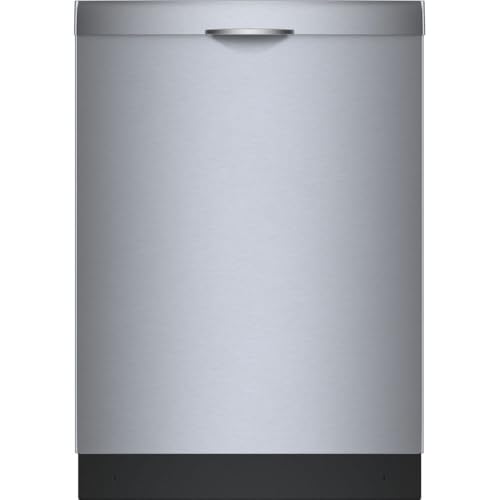
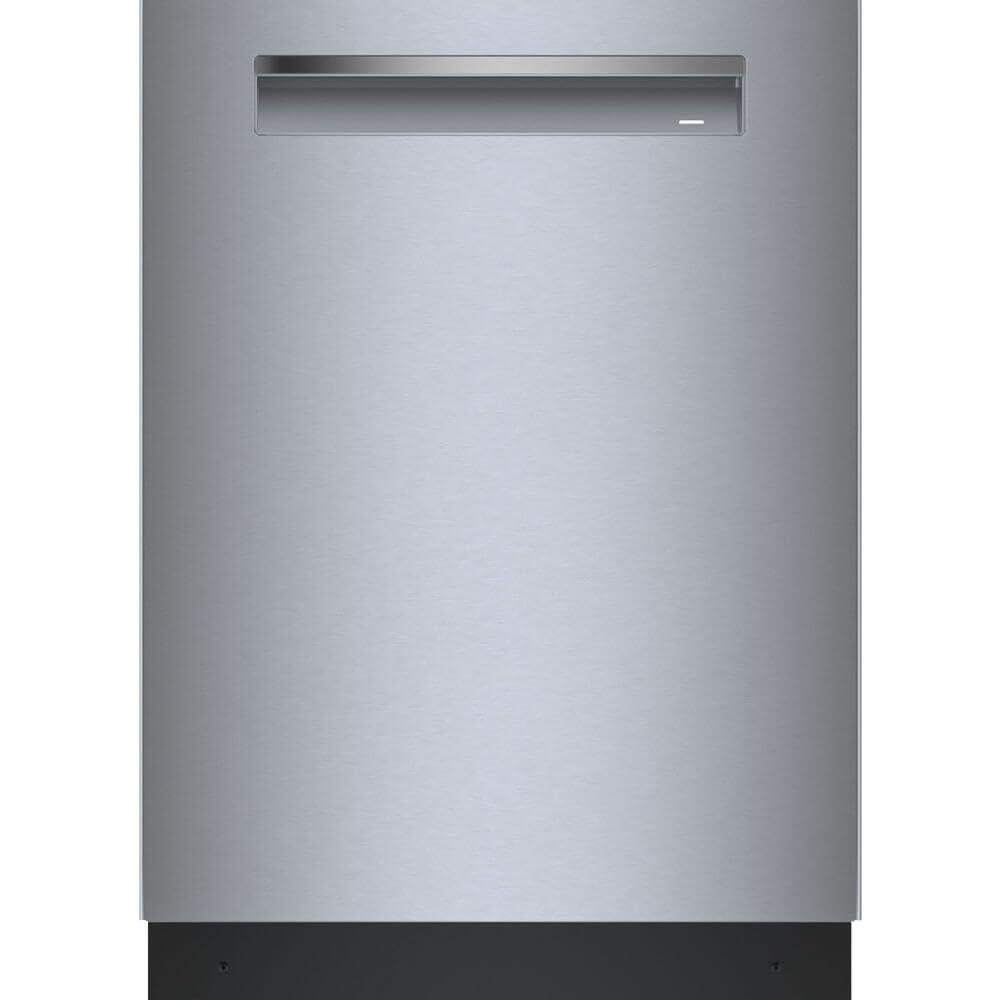
Bosch sells several series that share the same basic footprint but differ in noise level, tub material, rack flexibility, and drying performance. The product table below lists current models side by side. Below it, you will find sizing guidance, feature advice, budget ranges, and care notes, plus a look at how this brand compares in our broader best dishwasher guide.



Quick Answer: How to Choose in 30 Seconds
Start with size, because a standard 24 inch opening fits most kitchens and an 18 inch opening suits small ones. Next, pick a noise ceiling: ratings around 44 dBA or lower stay quiet enough for open plan living, while ratings near 48 to 50 dBA suit closed kitchens. Then choose your drying priority, since basic condensation drying costs less and enhanced drying systems cost more. Finish by matching the series tier to your budget range below, and you will land within one or two models of the right answer.
Before You Buy: A Quick Checklist for Choosing a Dishwasher
Size: Match It to Your Space
Most homes need a 24 inch built in model, which holds roughly 14 to 16 place settings and handles family sized loads. Apartments, small condos, and kitchens with limited cabinet runs often fit an 18 inch model instead, holding about 8 to 10 place settings. Our guide to the best 24 inch dishwasher covers standard openings in more depth. Drawer and countertop formats exist, but Bosch focuses on built in models, so measure your opening before falling for any particular series.
Which Type Fits Your Routine
Top control models hide the buttons on the door edge for a clean front, while front control models show the cycle status at a glance, which helps when kids or guests run the machine. A stainless steel tub resists stains and odors and dries better than a plastic tub, and it appears as you move up the series. A third rack adds a shallow tray for utensils, lids, and small bowls, freeing space below. Panel ready models accept a cabinet front so the appliance blends into custom kitchens.
Features Worth It (and Ones to Skip)
A third rack and adjustable middle rack earn their cost if you load odd shapes often, and an auto open door at the end of the cycle noticeably improves drying on plastics. Enhanced drying systems that use minerals or extra heat help households that hate towel drying. Bottle jets and specialty wash arms suit families washing sports bottles daily. WiFi control is the easiest feature to skip, since most people start the machine by hand anyway, and a food disposer matters less if you scrape plates into the bin as a habit.
Measurements and Compatibility With Your Setup
Measure the opening width, height, and depth, then check the door swing against nearby drawers and corner cabinets. Confirm you have a hot water supply line, a drain connection, and a grounded electrical outlet or hardwired box within reach of the cavity. Note your floor height too, because thick new flooring can shrink the vertical clearance and block a taller tub. Write all four numbers down and compare them with the spec sheet of any series you consider.
Certifications That Matter
Look for Energy Star certification, which signals the machine meets federal efficiency targets for water and electricity use per cycle. Models with an NSF and ANSI sanitation cycle can heat the final rinse high enough to reduce bacteria on dishes, a plus for households washing baby bottles or cutting boards used for raw meat. Standard electrical safety listings from UL or ETL should appear on every model sold in the United States. These marks cost you nothing extra, so treat a missing one as a reason to move on.
DIY vs Pro Installation Cost
Swapping a dishwasher into an existing opening with sound plumbing is a manageable job for a confident homeowner with basic tools. New water lines, electrical work, or cabinet changes push most people toward a professional installer. Our breakdown of dishwasher installation cost explains what pros typically charge and which extras raise the bill. Budget for a new supply line and fittings either way, because reusing old hoses is a common cause of slow leaks.
Realistic Budget Ranges
Entry tier Bosch models run about $500 to $750 and cover the basics with a plastic or hybrid tub and louder operation. The middle tiers sit at about $750 to $1,100 and add a full stainless tub, a third rack, and quieter ratings. Upper tiers reach about $1,100 to $1,600 with the strongest drying systems and the most flexible racks. Flagship panel ready models can pass $1,600, where you mostly pay for custom fit and finish rather than cleaner dishes.
Three Buying Profiles: Which Bosch Tier Fits You?
Most Homes: The Middle Tiers
Most households land happily in the middle of the lineup, where you get a stainless steel tub, a third rack, and noise ratings low enough for evening runs. These models balance price against the features you use daily, such as adjustable racks and a sanitation cycle. If your kitchen opens into the living room and you run the machine after dinner, this tier is the sensible default. Spend here first, and only move up if a specific frustration, like wet plastics, keeps repeating.
Tight Budgets: The Entry Tier
The entry tier suits smaller households, rental properties you own, and buyers replacing a failed machine on a tight budget. You give up some quiet, some rack flexibility, and the best drying, but core cleaning stays strong because the wash system shares much with higher tiers. A hybrid tub with a plastic base is the main trade off to accept. If you run loads during the day and mostly wash sturdy everyday dishes, the savings here are real and the compromises stay minor.
Long Term Owners: The Upper Tiers
The upper tiers make sense if you plan to stay in your home for a decade and run the dishwasher daily. You gain the quietest operation in the range, the most effective drying for plastics, and racks that adjust in several directions for bulky pots. Panel ready flagship models also suit a kitchen remodel where the appliance must disappear behind cabinetry. The premium buys comfort and flexibility rather than a different level of clean, so weigh it against other kitchen priorities.
How the Bosch Series Are Compared
The series are best compared on installation and compatibility first, because a machine that fits badly helps no one. Next comes build quality and finish, especially tub material and rack construction, then the feature set judged by daily usefulness rather than list length. Published noise ratings, drying method, warranty length, and the cost of filters and other replaceable parts count as well. This guide looks at tiers and criteria rather than individual models, so you can apply it to the current range whenever you shop.
The Bosch Dishwasher Lineup Explained
The lineup climbs in clear steps. The entry series focuses on value, with simpler racks, a hybrid tub, and noise ratings around 48 to 50 dBA. The next step up adds a stainless tub and quieter running around 46 dBA. Mid range series add the third rack, better adjustability, and ratings near 44 dBA, while the upper series push toward 42 dBA and add premium drying systems for plastics. The flagship tier layers on panel ready options, interior lighting, and the most refined rack hardware. Shoppers comparing brands often weigh this range against German rivals, and our bosch vs miele dishwasher comparison covers that choice in detail.
Notice what does not change as you climb: the standard 24 inch footprint, the basic wash approach, and solid cleaning on everyday loads. That is why the modifier questions matter more than the badge. Count your place settings, listen to your kitchen layout, and decide whether dry plastics or silent running would actually change your evenings. Those answers point to a tier far more reliably than any single spec on a product page.
Common Buying Mistakes to Avoid
- Ordering before measuring the opening, then finding the door hits a corner drawer or the tub sits too tall under thick new flooring.
- Paying for the quietest rating when your kitchen has a door you close at night, which spends money on a benefit you will never notice.
- Skipping the third rack to save money, then losing lower rack space to utensils and lids on every single load.
- Ignoring drying method differences, so plastics come out wet and someone ends up towel drying after every cycle.
- Reusing an old water supply hose during installation, which risks a slow leak that damages the floor under the machine.
Cost of Ownership and Care
Running costs stay modest, since efficient models use roughly 3 gallons of water per cycle and a small amount of electricity, especially on eco settings. Your recurring spending covers detergent, rinse aid, and an occasional filter cleaning rather than replacement parts. For routine upkeep, follow our guide on how to clean a dishwasher, which covers the filter, spray arms, and door seals. Wipe the door gasket monthly, leave the door ajar between loads to prevent odors, and run an empty hot cycle with a dishwasher cleaner every few months in hard water areas.
Your Questions, Answered
What is the most reliable dishwasher brand?
Reliability surveys of large owner samples consistently place Bosch near the top for dishwashers, largely because the machines use few failure prone extras and a proven wash platform. That said, reliability statistics describe brands in general, not the specific unit delivered to your home. A careful installation, correct detergent dosing, and prompt attention to small leaks protect any brand. Ask local repair technicians which brands they can service quickly in your area, since parts availability shapes real world ownership as much as build quality.
How do you clean a dishwasher?
Start by pulling out the bottom filter and rinsing away trapped food under the tap, since a clogged filter causes most odor and drainage complaints. Wipe the door seal and the edges of the door, where grime collects outside the spray pattern. Check that spray arm holes are clear, using a toothpick for blocked jets. One extra tip beyond routine cleaning: run the hot water tap in the sink before starting a cycle, so the machine fills with hot water and cleans better from the first minute.
Is a dishwasher worth it?
Yes, for most households a dishwasher is worth it, because a full load uses far less water than washing the same dishes by hand under a running tap. Modern efficient models use around 3 gallons per cycle, while hand washing a full load can use several times that. The value grows with household size and cooking frequency. Even a household of two benefits if you cook most nights, since pots, boards, and prep bowls fill a rack faster than plates alone suggest.
How long does a dishwasher last?
Most dishwashers last about 9 to 13 years, and well maintained units from quality focused brands often reach the upper end of that range. Lifespan depends heavily on water hardness, load frequency, and whether the filter stays clean. Hard water shortens the life of heating elements and seals, so a water softener or regular descaling helps in mineral heavy areas. When repair quotes approach half the price of a comparable new model on a machine over eight years old, replacement usually makes better financial sense.
Which Bosch dishwasher should I buy?
Buy the tier that matches your loudest constraint: size first, then noise, then drying. Small kitchens point to the 18 inch format, open plan homes point to mid or upper tiers rated near 44 dBA or lower, and families frustrated by wet plastics should prioritize enhanced drying in the upper tiers. One factor buyers often forget is control style: front controls help in homes where several people share kitchen duties, because anyone can see the remaining cycle time at a glance.
Is Bosch a good dishwasher brand?
Yes, Bosch is a good dishwasher brand, known for quiet operation, solid build quality, and strong cleaning across its price tiers. The range is especially consistent, meaning the entry models share more engineering with the flagships than is typical. The main cautions are drying on lower tiers, which relies on condensation and leaves plastics damp, and premium pricing at the very top. If your priority list starts with low noise and dependable everyday cleaning, this brand belongs on your shortlist.
Final Thoughts
The right choice is rarely the most expensive model in the range. Match the size to your opening, set a noise ceiling your living space can live with, and let your drying habits decide how far up the tiers you climb. Use the product table to compare the series on those exact points before you order. Chosen that way, the best bosch dishwasher for your home is simply the tier that removes your daily frustrations without charging you for features you will never touch.