Best Bottom Freezer Refrigerator for 2026: A Guide That Fits Real Homes
Disclosure: We may earn a commission when you buy through links on this page, at no extra cost to you. As an Amazon Associate I earn from qualifying purchases. Learn more

Learn how to choose the best bottom freezer refrigerator by size, capacity, ice options and budget, with measuring tips for kitchens of every layout.
Picture a weeknight dinner where everything fresh sits at eye level, and you only bend down when you reach for frozen peas or ice. That daily comfort is why many households choose a best bottom freezer refrigerator layout over older designs. The fresh food section gets the prime space, while the freezer becomes a drawer or a low door you open far less often.
This guide helps you choose by kitchen space, household size, and budget rather than by flashy extras. You will find sizing rules, capacity guidance, feature trade offs, and ownership costs below. Start with the comparison table below, then use the checklist that follows to narrow your short list with confidence.


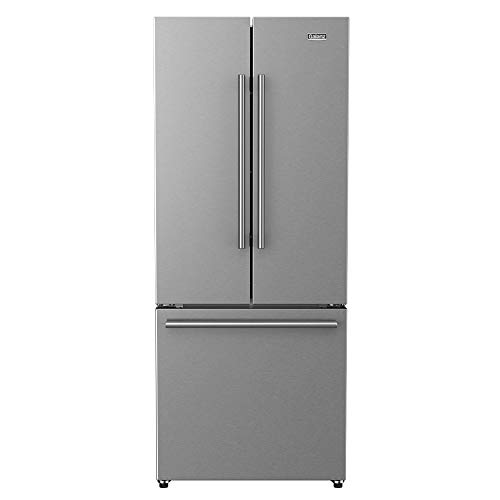


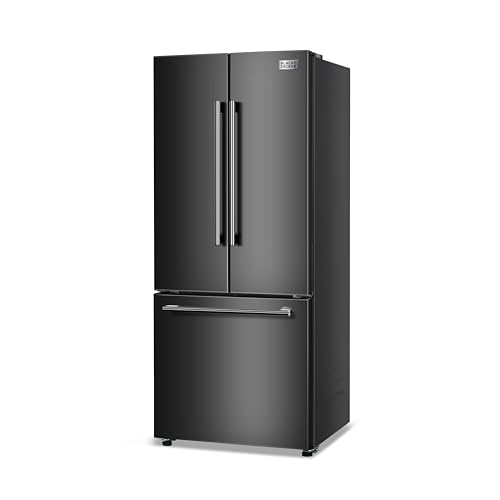


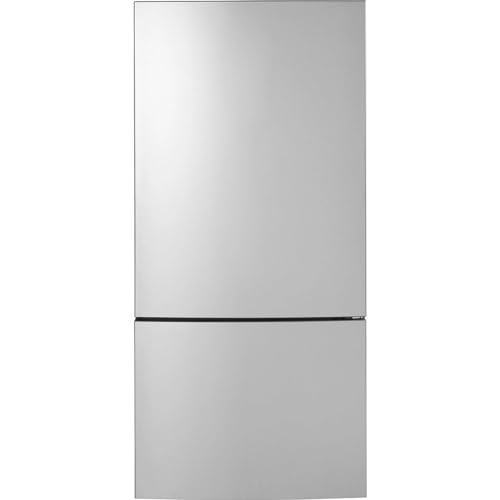

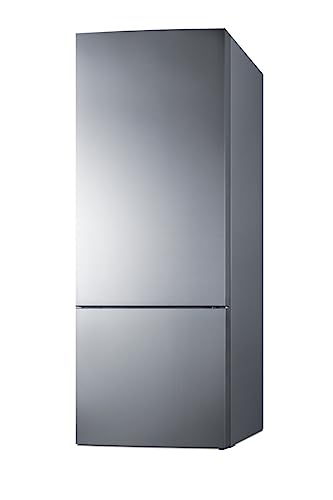
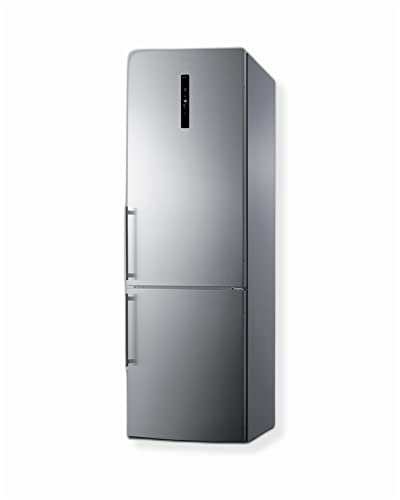
Quick Answer: What Makes a Good Fit
A bottom freezer refrigerator works best when fresh food access matters more than frozen food access. Most buyers do well with about 18 to 24 cubic feet, a single fresh food door above, and a freezer drawer that pulls out smoothly on sturdy rails. Choose counter depth only if your walkways are tight, and skip a water dispenser if you would rather have simpler plumbing and more shelf space.
Your best fit also depends on who shops and cooks at home. Taller adults often love the raised fresh section, while shorter users and young children may struggle to reach the back of top shelves.
Before You Buy: A Quick Checklist for Choosing a Refrigerator
Size: Match It to Your Space
Width drives almost every other choice. Common widths are about 24, 28, 30, 33, and 36 inches, and each step up adds meaningful capacity for platters and bulk shopping. A 24 or 28 inch model suits studios and small apartments, a 30 or 33 inch model suits most condos and family kitchens, and a 36 inch model gives large households room for wide trays and party food.
Depth matters just as much. Standard depth models often hold about 22 to 28 cubic feet and may stick out past your counters by several inches. If your kitchen island or opposite wall leaves a narrow walkway, compare options in our guide to the best counter depth refrigerator before you decide. Counter depth units look built in and ease traffic flow, but they usually hold less and cost more per cubic foot.
Which Layout Fits Your Routine
The bottom freezer layout puts fresh food between waist and eye level, so salads, dairy, leftovers, and drinks are easy to scan and grab. The freezer below may be a pull out drawer with baskets or a swing door with shelves, and drawers usually make it easier to organize frozen bags and boxes in layers. If you freeze large pizzas or wide trays often, check the clear width of the freezer opening rather than trusting total capacity alone.
Other layouts solve different problems. If you want two wide fresh doors and a freezer drawer below, look at the best french door refrigerator guide for that style. If frozen food access matters as much as fresh access, a side by side layout keeps both sections tall and narrow. Top freezer models remain the simplest and often the lowest cost choice, but they put the most used fresh shelves lower down.
Features Worth Paying For and Ones to Skip
An internal ice maker is worth paying for if your household uses ice daily and you have a water line nearby. A dual ice maker adds a second supply in the freezer, which helps during gatherings, but it takes freezer space you could use for food. Craft ice and slow melting spheres are a nice luxury for drinks, yet they add cost and parts, so treat them as optional rather than essential.
Through the door water and ice add convenience, but they need filter changes and can reduce door storage. A flex zone drawer with its own temperature setting helps for deli items, drinks, or thawing meat, while a door in door panel rarely earns its price unless you grab milk and condiments many times a day. If you prefer simple and roomy, a model with no ice maker and no dispenser often gives you the most usable shelves for the money.
Measurements and Compatibility With Your Setup
Measure the alcove width, height, and depth, then measure every doorway, hallway turn, and stairwell on the delivery path. Leave about one inch behind the unit and a small gap at the sides and top for air flow, following the manual for your chosen size class. Check door swing as well, since a single fresh door needs a wide clear arc and can block an island or a nearby cabinet.
Confirm the basics before ordering. You need a grounded outlet within cord reach, a level and strong floor, and a shut off valve if the model has an ice maker or dispenser. Plan a new supply line rather than reusing an old one that may leak.
Certifications and Safety Checks
Look for an Energy Star label if lower running costs matter, since it signals the model meets current federal efficiency guidance for its size class. Electrical safety listings such as UL or ETL show the appliance passed recognized safety testing. For water dispensing models, look for filtration claims tied to NSF and ANSI standards. Keep safe food temperatures too, with the fresh section at or below 40 degrees Fahrenheit and the freezer at 0 degrees.
Delivery, Installation, and Realistic Budget Ranges
Most models need no true installation beyond leveling, door adjustment, and an optional water line hookup, so handy buyers can handle setup themselves. Hire a pro if the water line needs a new valve or if doors must come off to fit an entry. Budget for delivery, haul away of the old unit, and a supply line.
Price tiers tell a clear story. Models under $1000 are usually smaller, simpler, and limited in finish choice. Spending about $1000 to $1500 brings fuller family sizes and better drawers, while about $1500 to $2000 adds counter depth options, dispensers, and nicer finishes such as stainless steel. Above about $2000 to $3000 you pay mostly for premium finishes, smart extras, and flexible storage rather than core cooling, so weigh those gains against the wider guide to the best refrigerator for other layouts in the same budget.
Three Buying Profiles and What to Prioritise
Profile One: The Balanced Family Kitchen
Prioritise about 20 to 24 cubic feet, adjustable glass shelves, two crisper drawers with humidity sliders, and a freezer drawer with a divider you can move. Gallon door bins help if you buy milk and juice in large containers. This profile suits households of three to five people who shop weekly and cook most dinners at home, and it is the safest starting point if you are unsure which extras you need.
Profile Two: The Small Space and Tight Budget Buyer
Prioritise fit and simplicity over extras. A 24 to 30 inch wide model with a swing door freezer, no dispenser, and reversible fresh door swing can solve tight apartment and galley kitchen layouts. Expect about 11 to 18 cubic feet, which works for one or two people who shop more often. Skipping the ice maker also removes the need for a water line, which helps in rentals where plumbing changes are not allowed.
Profile Three: The Long Term Value Buyer
Prioritise build details that age well, such as metal drawer rails, sturdy door hinges, a compressor warranty that runs longer than the parts warranty, and filters and bins that are easy to source. A counter depth or French door style variant may suit a remodel, but the core value sits in quiet operation, even temperatures, and service access in your area. Spend more only when those basics improve, not when the extra cost buys a screen or a novelty ice shape.
How We Evaluate Bottom Freezer Refrigerators
Our evaluation starts with fit and capacity, then moves to storage flexibility, temperature control, noise, and ease of cleaning. We weigh manufacturer specifications, verified buyer feedback about drawer rails and door seals, warranty terms, and the cost of filters and replacement bins. This guide focuses on criteria you can verify on a product page and in the manual before you buy.
Bottom Freezer Compared With Other Refrigerator Layouts
Compared with a top freezer, a bottom freezer raises fresh food to a comfortable height and often adds wider shelves and larger crispers. The trade off is price, since bottom freezer models usually cost more and ask you to bend or kneel for frozen items. Compared with a French door model, a single door bottom freezer is simpler, often cheaper, and loses less cold air when you open it for one item.
Compared with a side by side, the bottom freezer gives you a full width fresh section that fits pizza boxes, sheet pans, and wide platters with ease. The side by side wins if you want frozen items at eye level and narrow doors for tight kitchens.
Common Buying Mistakes to Avoid
- Measuring only the alcove and forgetting the delivery path, which can leave a new unit stuck in a hallway or returned for a fee.
- Choosing capacity by cubic feet alone, without checking shelf width, crisper size, and freezer opening width for the food you store.
- Paying for a dispenser and dual ice in a home with no water line nearby, which adds plumbing cost you did not plan for.
- Ignoring door swing and handle depth, so the fresh door hits an island, a wall, or a nearby cabinet when it opens.
- Skipping the warranty and service check, then finding that local repair options are limited for your chosen style.
Cost of Ownership and Care
Running costs depend on size, efficiency rating, room temperature, and how often doors open, but a modern full size model often costs about $50 to $90 per year in electricity. Water filters, when fitted, usually need changing about every six months, and door gaskets, bins, and drawers add small costs over the life of the unit. Our guide on how long does a refrigerator last explains the typical service life and the signs that repair may no longer pay off.
Care is simple and steady. Wipe spills quickly, wash removable bins in warm soapy water, vacuum dust from the coils or the rear grille as the manual directs, and check that door seals close tightly on a sheet of paper. The full routine in how to clean a refrigerator covers deep cleaning steps. Keep vents inside the fresh section clear so cold air can circulate and temperatures stay even.
Your Questions, Answered
What brand makes the most reliable bottom freezer refrigerator?
No single brand wins for every home, so judge reliability by model level signals rather than a logo alone. Look for a longer compressor warranty, widely available parts, local service coverage, and steady buyer feedback about seals and drawer rails. A useful extra check is whether replacement bins and filters for that size class stay in stock for years, since small parts often decide whether a minor fault becomes a full replacement.
How do you clean a bottom freezer refrigerator?
Start by moving food to coolers, removing bins and shelves, and washing them in warm soapy water before drying fully. Wipe interior walls with a mild solution, clean the door gasket folds where crumbs collect, and vacuum the coils or rear grille if the manual allows access. One point many owners miss is the freezer drawer track area, where spilled liquids freeze and cause sticking, so melt and wipe that zone during each deep clean.
Are bottom freezer refrigerators worth it?
Yes, bottom freezer refrigerators are worth it if you open the fresh section far more often than the freezer. The raised shelves reduce bending for daily items, and wide storage suits fresh produce, leftovers, and trays. They are less worthwhile if you have limited knee or back mobility for low freezer access, or if frozen food is your main store. In that case a side by side layout may serve you better despite its narrower shelves.
How long does a bottom freezer refrigerator last?
A bottom freezer refrigerator typically lasts about 12 to 17 years with steady care and normal household use. Longevity improves when coils stay clean, doors seal well, and the unit is not packed so tightly that air cannot move. A practical extra step is to note the model and serial details and keep the purchase receipt with the manual, since warranty service and parts matching go much faster when those records are easy to find.
What is the best bottom freezer refrigerator for a small kitchen?
For a small kitchen, the right choice is usually a 24 to 30 inch wide model with about 11 to 18 cubic feet and a reversible door swing. Counter depth sizing helps keep walkways clear, and a swing door freezer can fit where a deep drawer cannot open fully. Measure the open door angle as well as the closed footprint, because a compact unit that blocks a drawer or a dishwasher door will frustrate you daily.
The Bottom Line
Choose size first, layout second, and extras last, and you will end up with a refrigerator that fits your space and routine. The product table above can help you compare capacity, depth, and features once you know your measurements and budget. For most households, the best bottom freezer refrigerator is simply the one that keeps fresh food easy to reach, holds the freezer load you truly store, and stays simple to own for years.