Best Box Fan for 2026: How to Choose the Right Size, Speed and Style
Disclosure: We may earn a commission when you buy through links on this page, at no extra cost to you. As an Amazon Associate I earn from qualifying purchases. Learn more

Pick the best box fan by room size, airflow, noise and running cost, with window and floor tips.
A box fan looks simple, yet the wrong one can be loud, weak, or too large for the window where you need it most. The best box fan for your home moves enough air for the room, fits the space you actually have, and runs quietly enough that you leave it on. This guide explains how to judge size, airflow, noise, and build quality before you buy, and the comparison table below sums up the main types side by side.
Box fans earn their place because they do jobs other fans handle poorly. The flat frame sits stable in a window, pushes a broad sheet of air across a room, and can pull cooler evening air in or push warm air out. Once you know which of those jobs matters most to you, the right size and feature set become much easier to pick.

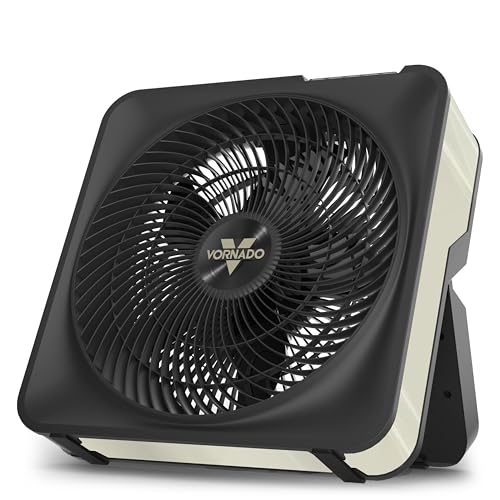
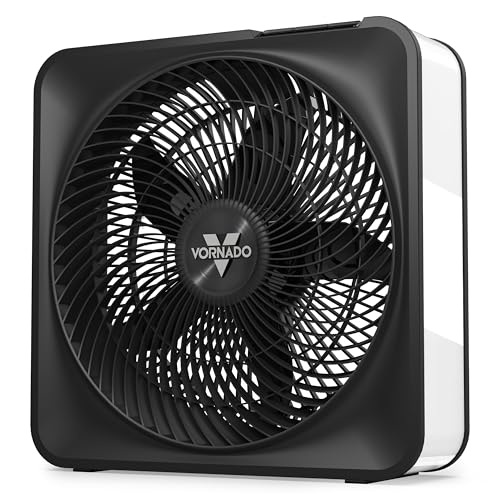
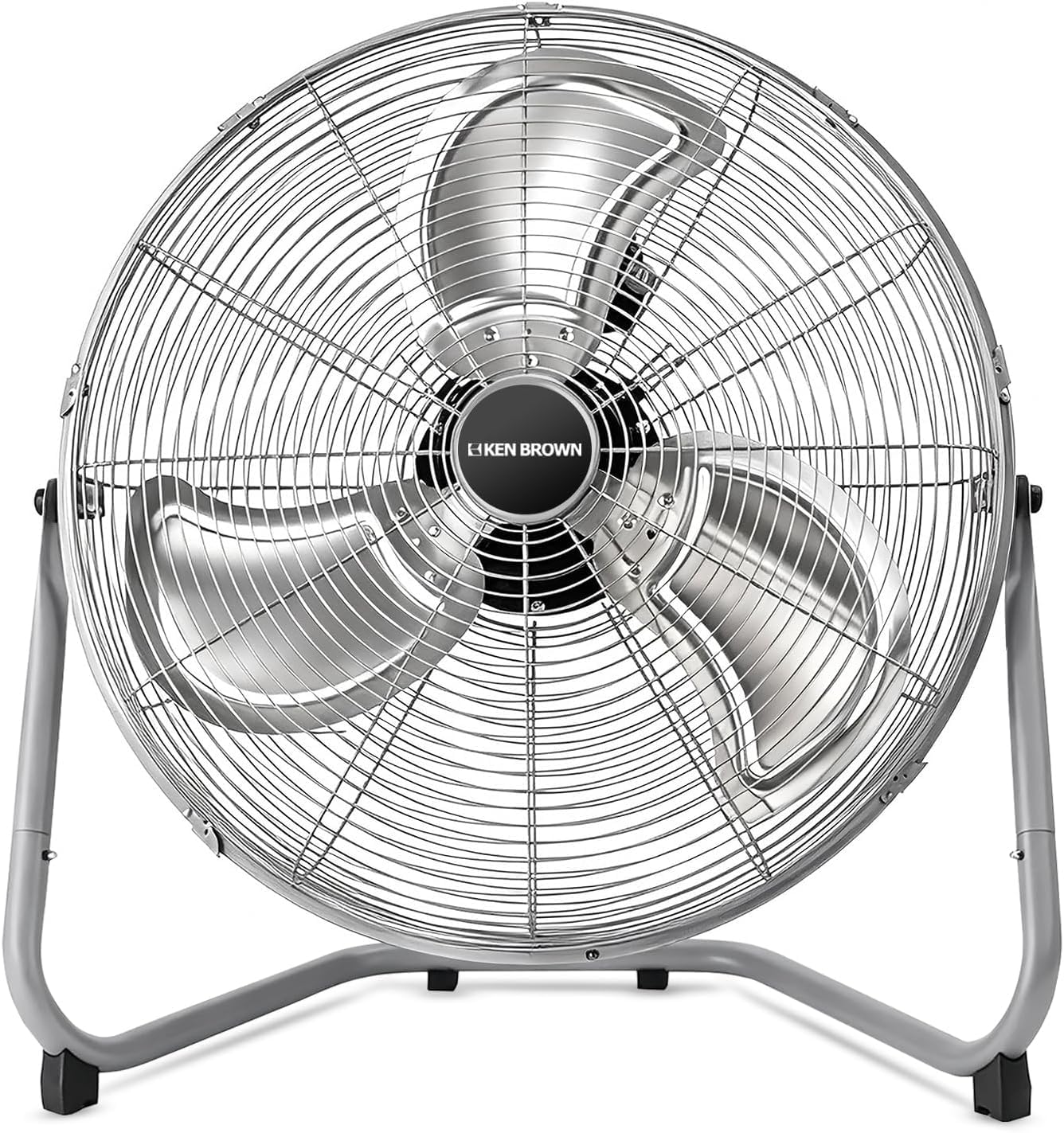



Three Buying Profiles and What to Prioritize
Most shoppers fall into one of three groups, and each group should weigh the specs differently. Start with your profile, then use the feature sections that follow to check the details that matter for your rooms and your routine.
The Window Cooling Profile
You want to cool a bedroom or living room without running air conditioning all day. Prioritize a standard 20 inch frame that fits your window opening, feet or side panels that hold the fan steady, and at least three speeds so you can drop the noise at night. Airflow matters more than extras here, so look for a clear cubic feet per minute rating and a grille that lets air pass freely. A carry handle helps because you will move the fan as the sun shifts.
The Budget Profile for Small Rooms and Dorms
You need moving air in a small room, a dorm, or a workshop and want to spend as little as sensible. A basic 20 inch model with two or three speeds and a simple rotary dial usually costs about $25 to $40 and covers rooms up to about 200 square feet. Skip remotes and digital panels at this level, since they add cost without adding airflow. Do check the cord length and the weight, because a light fan with a short cord limits where you can place it.
The Whole Room Air Movement Profile
You want one fan to stir air through a large living space, a garage, or an open plan area. Look at the top end of the size range, a sturdy steel or thick plastic frame, and a motor rated for long daily runs. Models in this group often cost about $50 to $90 and add features such as a thermostat, a remote, or reversible airflow for window use. Stability matters at full speed, so wide feet and a low center of gravity are worth more than a slim profile.
What Matters Most When You Compare Box Fans
Judge every model against the same short list so marketing claims do not steer you. Coverage comes first, stated as the room area the fan can serve and the airflow it produces. Performance comes next, meaning how much air it moves on each speed rather than only on the highest setting. Then weigh noise level, energy use, and how easy the grille and blades are to clean. Controls and smart features sit last, because they add comfort but never fix weak airflow.
Use maker specifications and verified buyer reports on noise and durability rather than headline claims alone. A fan that looks strong on paper but rattles after a month of nightly use is a poor buy at any price. Keep your room measurements beside you while you compare, since a fan that cannot fit your window or doorway fails no matter how strong its motor is.
How to Choose the Best Box Fan
Where a Box Fan Fits Among Fan Types
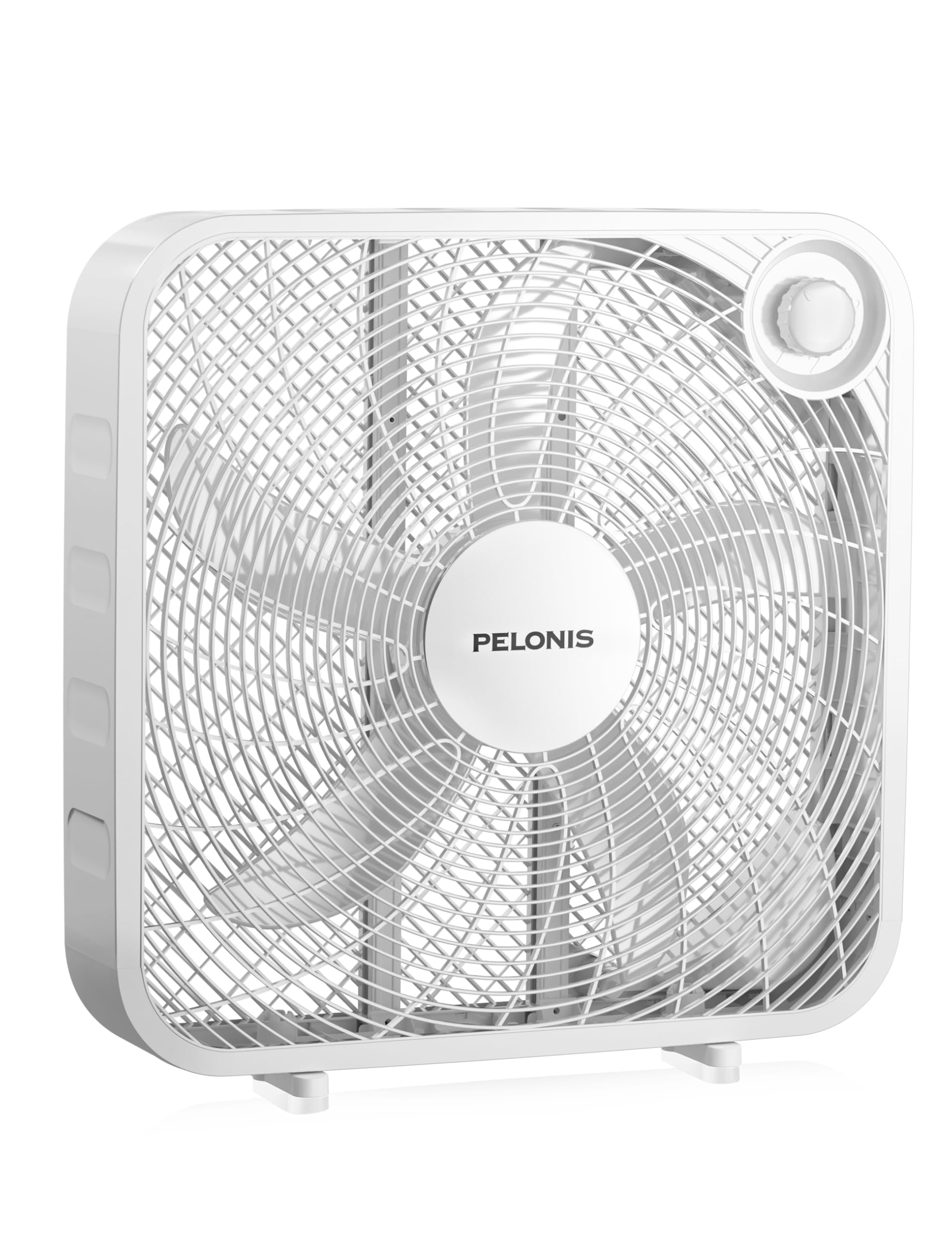
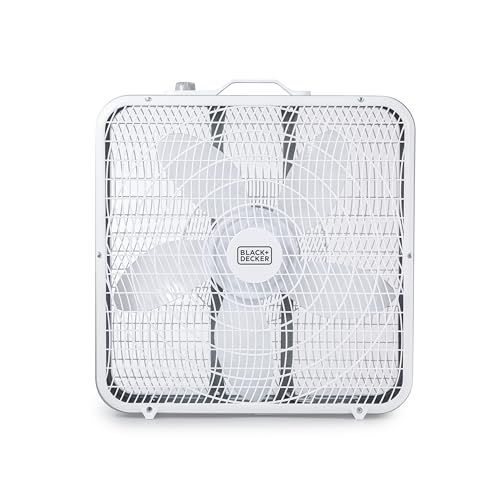
A box fan is a square framed fan, most often 20 inches across, built to sit on a floor, in a window, or in a doorway. Tower fans save floor space and suit corners, while pedestal fans raise the airflow to seated height and oscillate across wide rooms. If you are weighing a slim tower against a box shape, our guide to the best tower fan covers that style in depth. Choose the box shape when window mounting, strong straight line airflow, and a low price matter more than a small footprint.
Size, Airflow and Room Coverage
Match the fan to the room before you look at features. A 20 inch box fan typically moves about 1,800 to 2,500 cubic feet of air per minute on high, which suits bedrooms and living rooms of roughly 150 to 300 square feet. Smaller 10 inch models serve desks and small kitchens but cannot cool a whole room. For window use, measure the opening first and leave a small gap you can seal with foam strips, because air that leaks around the frame is air that never cools you.
Speeds, Controls and Features Worth Paying For
Three speeds cover nearly every need: high for fast cooling after a hot day, medium for steady daytime air, and low for sleep. A remote helps when the fan sits in a window across the room, and a timer helps you avoid running it all night by habit. A built in thermostat can switch the fan off once evening air cools the room, which saves energy in spring and fall. Skip ionizers and scent features, since they do nothing for airflow and add parts that can fail.
Noise Levels for Bedrooms and Sleep
Noise decides whether a fan stays in the bedroom or gets banished to the hall. On low, a good box fan produces a steady hum around 45 to 55 decibels, similar to light rain, which many sleepers find masks street sounds well. Rattles and grille buzz matter more than the raw number, so a solid frame and tight fitting grille are real sleep features. If light sleep is your main concern, compare options in our guide to the best fan for bedroom before you settle on a model.
Running Cost and Energy Use
A typical box fan draws about 50 to 100 watts on high, far less than a window air conditioner. Run for eight hours a day through a summer month, that use adds only a few dollars to most electricity bills. You can confirm the math for your own rate with our breakdown of how much electricity does a fan use. A thermostat or timer trims cost further by cutting the hours the motor runs at full speed when nobody needs it.
Safety, Build Quality and Stability
Look for a fused plug, a grille with narrow gaps that fingers cannot pass, and a frame that does not flex when you carry the fan by its handle. Feet should grip the floor and hold the fan upright if a pet brushes past it. In homes with small children, place the fan in a window or behind furniture rather than loose on the floor, and never leave a damaged grille or a frayed cord in service. Check that the model carries a recognized safety listing such as UL or ETL on the label.
How Much Should You Spend?
Basic models under $30 move air well but use thinner plastic and simple dials, so expect a shorter working life. The middle range, about $40 to $60, is where most buyers land, with sturdier frames, quieter low speeds, and better cords. Spending about $70 to $100 buys extras such as remotes, thermostats, and reversible window motors rather than a large jump in airflow. If your budget is tight, put the money into frame quality first, because a solid basic fan outlasts a flimsy feature packed one.
Box Fans Compared With Other Cooling Options
Against an air conditioner, a box fan wins on price, energy use, and the ability to bring in fresh outdoor air on mild days. It loses when humidity is high or outdoor heat passes the mid 90s, since moving hot air cannot lower room temperature below the air outside. Our comparison of fan vs air conditioner walks through the running cost gap in detail. Many homes get the best result by pairing both, using the fan to spread cooled air and raising the thermostat a few degrees.
Against tower and pedestal fans, the box shape trades looks and oscillation for window duty and raw straight line push. A box fan in a window can exhaust cooking heat or smoke in minutes, a job an oscillating fan does slowly. On the floor, though, it blows at ankle height unless you raise it on a sturdy stand. Pick the shape that matches the job you repeat most, not the one that looks best in a product photo.
Care and Cleaning That Keep Airflow Strong
Dust is the main enemy of airflow, since a coated grille can cut output and add noise within a single season. Unplug the fan, remove the front grille if the design allows, and wash it with warm soapy water, then wipe the blades with a damp cloth. Our step by step guide to how to clean a fan covers grille screws and blade care in full. Let every part dry before you reassemble, store the fan upright in a dry place over winter, and check the cord and plug for damage each spring before the first hot week.
Frequently Asked Questions
What is the best box fan for a bedroom window?
The best choice for a bedroom window is a 20 inch model that matches your window width, seals well at the sides, and stays quiet on low speed. Side panels or foam strips that close the gaps matter more than a remote, because sealed edges stop warm air slipping back in. A model with a thermostat adds one quiet benefit the size charts miss: it shuts off on cool nights so you do not wake up chilled.
Are box fans worth it compared with tower fans?
Yes, box fans are worth it when window cooling or exhaust is your goal, and they usually cost less for the same airflow. Tower fans suit corners and look neater in living rooms, but few can sit in a window or push air out of a kitchen. One point buyers miss is resale of space: a box fan stores flat in a closet, while a tower fan needs floor or corner space all winter.
How long does a box fan usually last?
A box fan usually lasts about three to five years of seasonal use, and sturdy models can run longer with regular cleaning. Lifespan depends less on the motor than on dust load and storage, since gritty bearings and bent blades end most fans early. Storing the fan in its box or a bag over winter, rather than in a damp garage corner, is the simplest habit that adds seasons of service.
Can a box fan cool a room on its own?
A box fan can make a room feel about 4 to 6 degrees cooler through moving air, but it cannot lower the actual air temperature. Its real cooling trick is exchange: placed in a window at night, it pulls in cooler outdoor air and pushes warm indoor air out. For the best result, open a second window or door on the shaded side of the home so the fan has a path to draw air through.
Which direction should a box fan face in a window?
Face the fan outward to exhaust warm air during the hottest part of the day, and inward once outdoor air turns cooler in the evening. Blowing out works because it lowers indoor pressure slightly, drawing fresher air in through other openings. If you run two fans, set one blowing in on the shaded side and one blowing out on the sunny side, which creates a steady through flow that a single fan cannot match.
Final Thoughts
Start with your room size and your main job, window cooling, exhaust, or simple air movement, then match the frame, speeds, and noise level to that job. The product table above pulls the main types together so you can compare coverage and cost at a glance. Chosen with those checks in mind, the best box fan is rarely the most expensive one, just the one that fits your window, your room, and your nights.