
Best Boots to Keep Toes Warm for 2026: Every Type Explained Side by Side
Disclosure: We may earn a commission when you buy through links on this page, at no extra cost to you. As an Amazon Associate I earn from qualifying purchases. Learn more

Best boots to keep toes warm combine toe room, insulation and a dry upper. See the types compared, plus the fit and care points that matter.
Cold toes can ruin a walk, a shift or a school run long before the rest of you feels cold. Toes sit far from your core, they press against cold ground through the sole, and tight boots slow circulation. The best boots to keep toes warm solve all three problems at once, and the comparison table below shows how the main types differ.
Start with how you will use the boots. Standing still calls for far more insulation than hiking uphill, where movement creates heat. Your socks, snow depth and time outside matter as much as the boot itself.



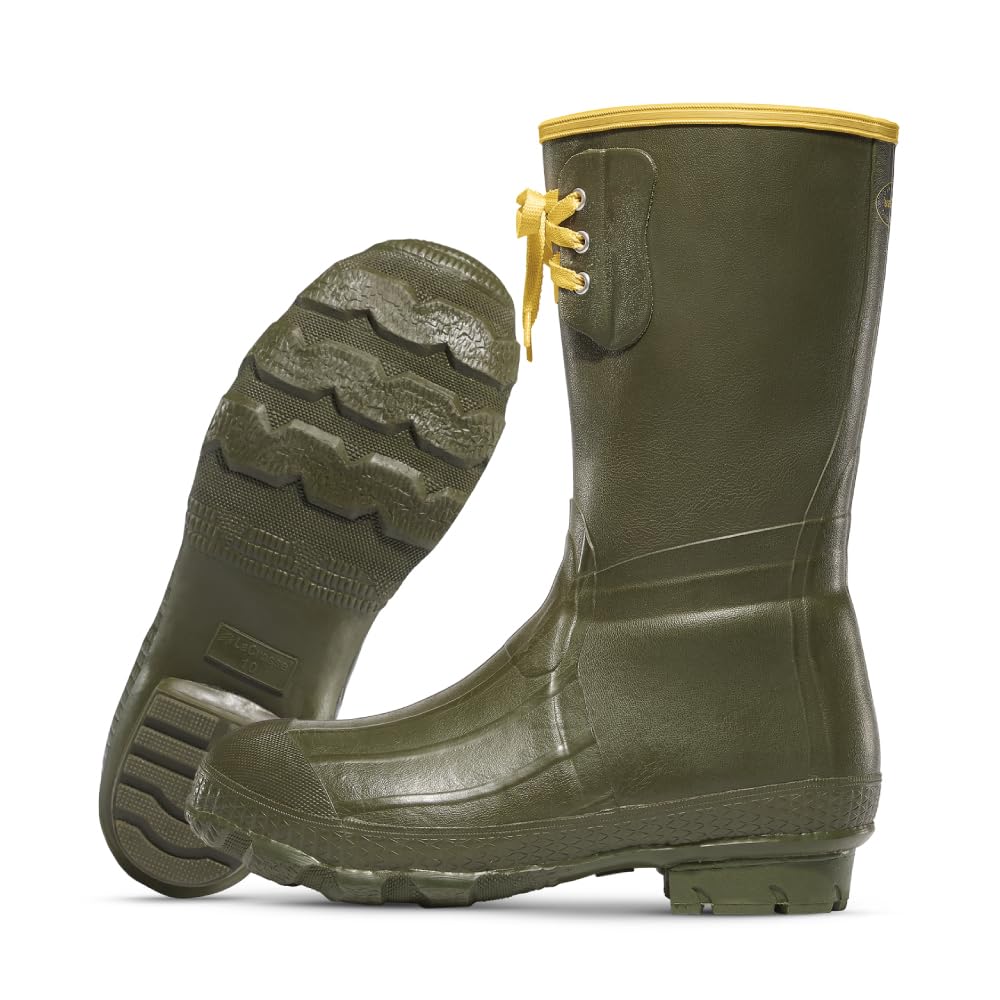
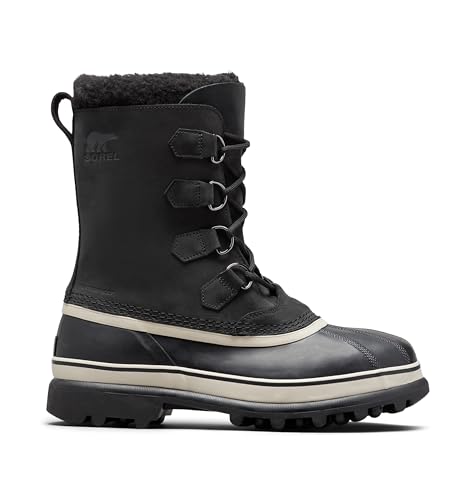
Who Should Buy Boots That Keep Toes Warm?
Match the boot to your coldest regular outing, not the mildest one. Each group below needs a different balance of insulation, room and weight.
Outdoor Workers and Commuters Who Stand Still
You lose toe warmth fastest when you stand on cold pavement with little movement. Choose heavier insulation, a thick thermal insole and a sole that lifts your foot above the ground. A roomy fit matters too, because wiggle room helps circulation stay steady through a long shift.
Walkers and Hikers Who Stay Active in Winter
You generate heat as you move, so moderate insulation usually serves you better than the heaviest option. Look for a flexible outsole, secure lacing and a waterproof upper for slush. If your toes sweat on climbs and chill on descents, breathability and moisture control matter more than extra bulk.
Parents, Dog Owners and Errand Runners in Snow
You go out often, for short bursts, and need boots that go on fast and grip icy sidewalks. A tall shaft with a simple closure keeps snow out, and a wide lug pattern helps on packed snow. For general foot warmth on the same outings, see our guide to the best boots to keep feet warm for broader choices.
Types of Boots That Keep Toes Warm Compared
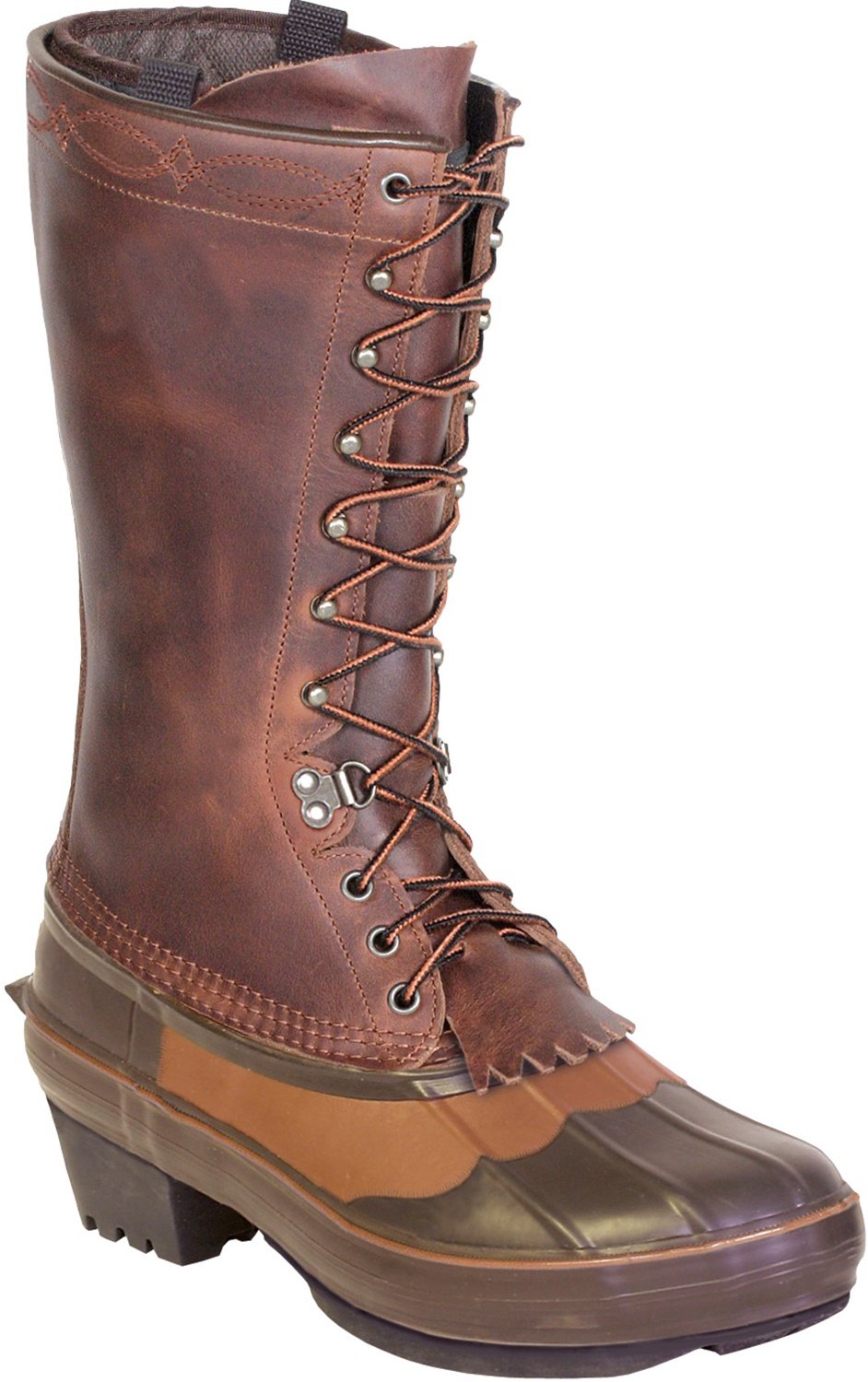
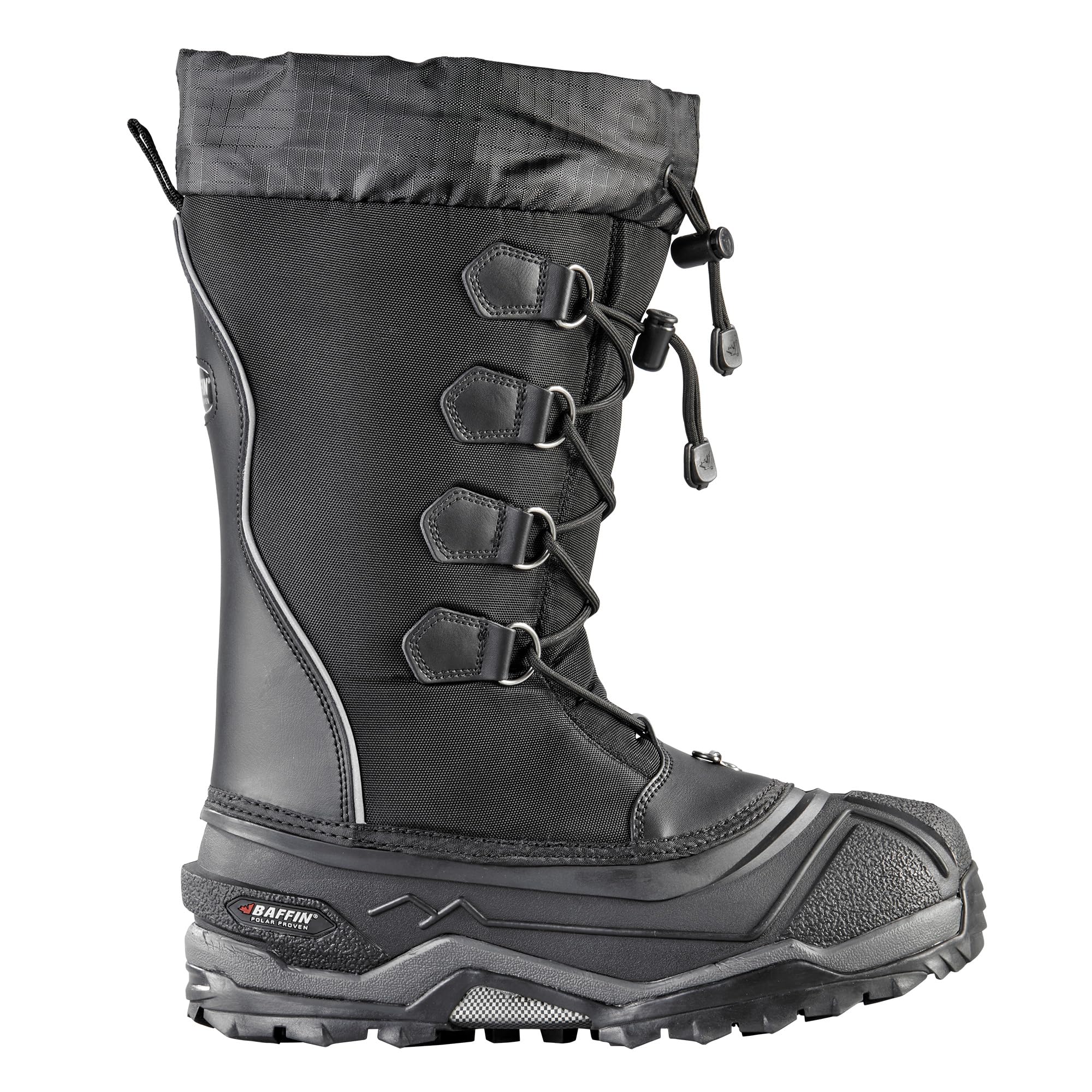
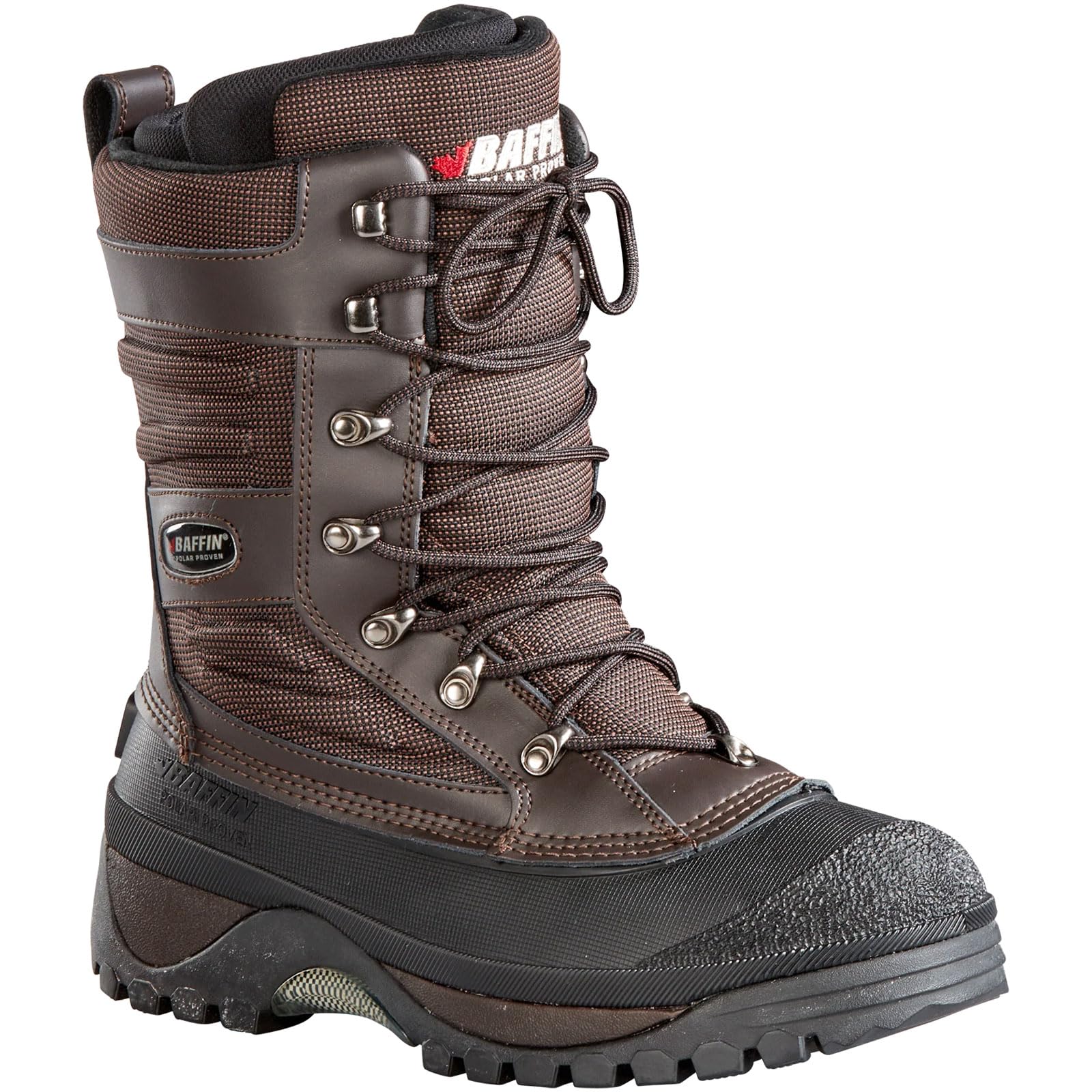
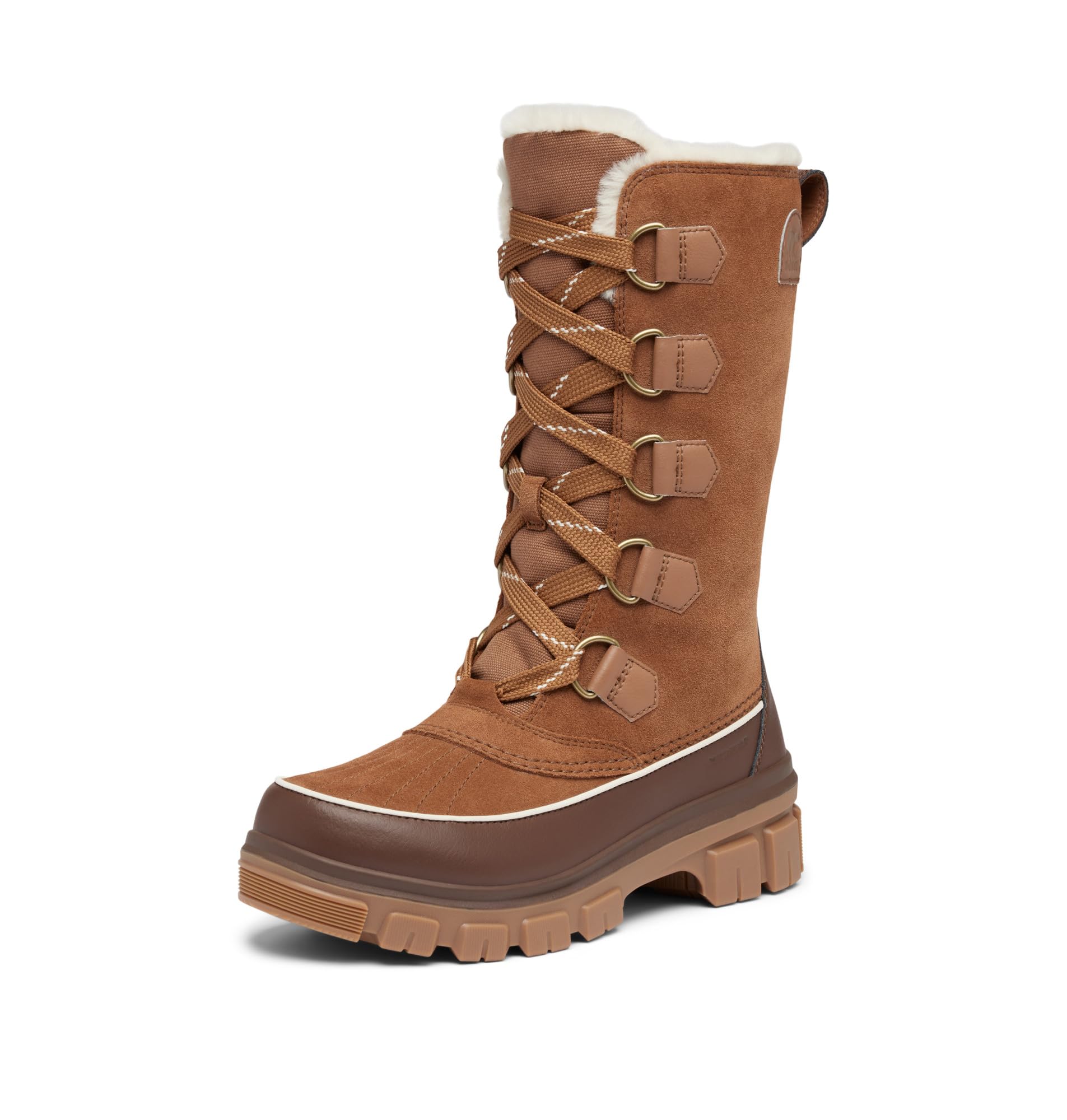
Three boot families dominate this search, and they keep toes warm in different ways. The best boots to keep toes warm for a stationary worker will feel bulky and hot for an active hiker, so compare families before prices, which often run about $80 to $250.
Tall Pac Boots With Removable Felt Liners
Pac boots pair a rubber lower section with a tall upper and a thick removable liner, often of felt or a felt blend. The liner traps still air around your toes, and you can pull it out at night to dry fully. They suit deep snow and slow outdoor work. Their drawback is weight and loose support on uneven ground, so they feel clumsy on long walks.
Insulated Leather Boots for Work and Trails
These boots use fixed synthetic insulation inside a leather or leather and fabric upper, with a structured sole. Insulation weights commonly run about 200 to 600 grams, and higher numbers suit colder or slower days. They lace firmly and handle mixed ground well. In lasting deep snow, add to your search with our guide to the best winter boots to keep feet warm for taller winter options.
Lightweight Waterproof Boots for Slush and Mild Cold
Light waterproof boots use a sealed membrane, lighter insulation and a lower shaft for town use and travel. Many use membranes in the style of Gore Tex to block outside water while letting some vapor escape. They keep toes comfortable in slush and brief snow, and feel close to a normal hiking boot. In bitter cold or deep snow they run out of insulation quickly.
Key Features to Compare for Warm Toes
Use these five factors in order. They explain why two boots with the same insulation number can leave your toes feeling completely different after an hour.
Insulation Weight and Coverage Over the Toes
Insulation works by trapping still air, and makers rate it by weight, often about 200, 400 or 800 grams. More weight helps when you stand still, while less suits active use where sweat is the bigger risk. Check that insulation wraps fully over the toe box and across the top of your foot, because thin front coverage leaves toes exposed even in a warm boot.
Toe Box Room, Fit and Circulation
Your toes need room to wiggle, because movement and steady blood flow help them stay warm. Try boots late in the day with your thickest winter socks, and look for about half an inch of space in front of your longest toe. Your heel should stay put when you walk, while your toes should spread without pressing the sides. If toes stay numb or turn pale after warming indoors, seek medical care promptly and talk with a clinician about cold sensitivity.
Waterproofing, Sealed Seams and Breathability
Wet toes chill far faster than dry toes, so a waterproof membrane and sealed seams matter in snow and slush. A boot counts as true waterproof boots only if the tongue gusset and seams block water at ankle depth, not just at the sole. For slushy streets, see our guide to the best boots to keep feet warm and dry. Breathability still counts, because trapped sweat soaks socks during active use and cools your toes later.
Thermal Insoles, Midsoles and Cold Ground
Cold reaches your toes from below as you stand, so the layers under your foot deserve attention too. A felt or wool topped insole adds a thermal break, and a thick midsole lifts you away from frozen pavement. Some boots add a reflective layer under the insole to send heat back toward your foot. If you stand on concrete or ice for long periods, choose the thicker sole even if it adds weight, because ground chill is hard to reverse once toes feel cold.
Shaft Height, Cuff Closure and Outsole Grip
A taller shaft keeps snow from dropping in at the ankle, and a drawcord cuff closes the gap above your calf. Laces should lock your heel without squeezing your forefoot, since front pressure works against circulation. The outsole should use rubber that stays flexible in cold weather, with wide lugs that bite into packed snow. For deep snow days, see our guide to the best snow boots to keep feet warm for taller and more heavily lugged options.
Common Mistakes to Avoid
Most cold toe problems trace back to one of these choices.
- Buying boots that fit snugly with thin socks leaves no room for winter socks and slows circulation, so your toes chill faster.
- Choosing the highest insulation rating for active hiking makes your feet sweat, and damp socks then cool your toes on the way down.
- Wearing cotton socks traps cold moisture against your skin and undoes the work of good insulation.
- Judging warmth in a warm store ignores cold ground, wind and standing time, so a boot that feels cozy indoors can fail outside.
- Leaving wet liners inside the boots overnight means you start the next day with damp insulation that warms poorly.
Care and Maintenance for Insulated Winter Boots
Pull removable liners and insoles out after each wet outing and let everything air dry at room temperature, away from direct heat. Radiators can crack leather, melt adhesives and shrink synthetic insulation, so patience protects the boot. Stuff the toe area loosely with plain paper if the boots are soaked, and change the paper once it feels damp.
Brush dried mud from the outsole lugs and check toe seams and the sole bond for gaps before the cold season starts. Treat leather uppers with the conditioner the maker allows, and store boots upright and dry with the shafts open. A boot stored damp or crushed loses insulation loft, and lost loft means colder toes next winter.
FAQ
Are expensive boots to keep toes warm worth the extra cost?
Expensive boots to keep toes warm are worth the cost only when the price buys fuller insulation, a removable liner or a better sealed upper. Price alone does not predict warmth, and a costly fashion boot can insulate poorly. Spend first on fit and liner quality, and check whether replacement liners are sold, because a fresh liner restores warmth in a sound shell.
How often should I replace boots to keep toes warm?
You should replace boots to keep toes warm when insulation feels flat, the liner stays damp or the sole bond opens at the toe. Many daily wearers see warmth fade after about three to five winters of heavy use. If your toes chill much sooner than in the first season on the same route, the insulation has likely lost its loft.
Can I wear boots to keep toes warm all day indoors and outdoors?
You can wear boots to keep toes warm all day, but heavy insulation often feels hot indoors and can leave socks damp by evening. If your day mixes office time with short outdoor breaks, a lighter insulated boot serves you better. Carry spare dry socks on long days, because changing socks at midday restores warmth quickly.
Do I need waterproof boots to keep toes warm in snow?
You need waterproof protection to keep toes warm in wet snow and slush, but dry powder in deep cold is more forgiving. Snow that melts on contact will soak a water resistant upper within an hour. Remember that a membrane only helps to the height of the tongue gusset, so snow over the top still enters from above.
How should boots to keep toes warm fit around the toes?
Boots to keep toes warm should fit with clear space at the front and light contact at the sides while you wear winter socks. Step down hard; your toes should not strike the front. Walk in the store for several minutes, because minor pressure points often grow painful and cold on a longer walk.
Wrapping Up
Warm toes come from a system, not a single rating. Room to wiggle, insulation that wraps the toe box, a thermal break from cold ground and dry socks do more together than any one feature alone. Match the family to how still or active you will be, then use the product table above to compare insulation, height and price.
When you choose best boots to keep toes warm with those checks in mind, you buy for your coldest real outing instead of a warm store floor. That is the difference between boots that promise warmth and boots that deliver it.


