
Best Boots to Keep Feet Warm Hunting: What Actually Matters Before You Buy in 2026
Disclosure: We may earn a commission when you buy through links on this page, at no extra cost to you. As an Amazon Associate I earn from qualifying purchases. Learn more

Best boots to keep feet warm hunting depend on insulation grams, waterproofing and fit. Match them to stand, stalk or marsh hunts before you buy.
Cold feet end more hunts than empty tags do. Sitting in a stand, glassing a ridge or waiting out a blind means your feet make almost no heat of their own, so the best boots to keep feet warm hunting are the ones built for stillness, not for hiking pace. This guide explains how to match insulation, waterproofing, fit, and noise to the way you hunt, so the product table below reads as a short list instead of a wall of options.
Start with two questions. How long do you sit between moves, and how wet is the ground you cover? A stand hunter on a frozen morning and a spot-and-stalk hunter crossing creeks need very different boots, and most cold-foot problems come from buying for the wrong one.

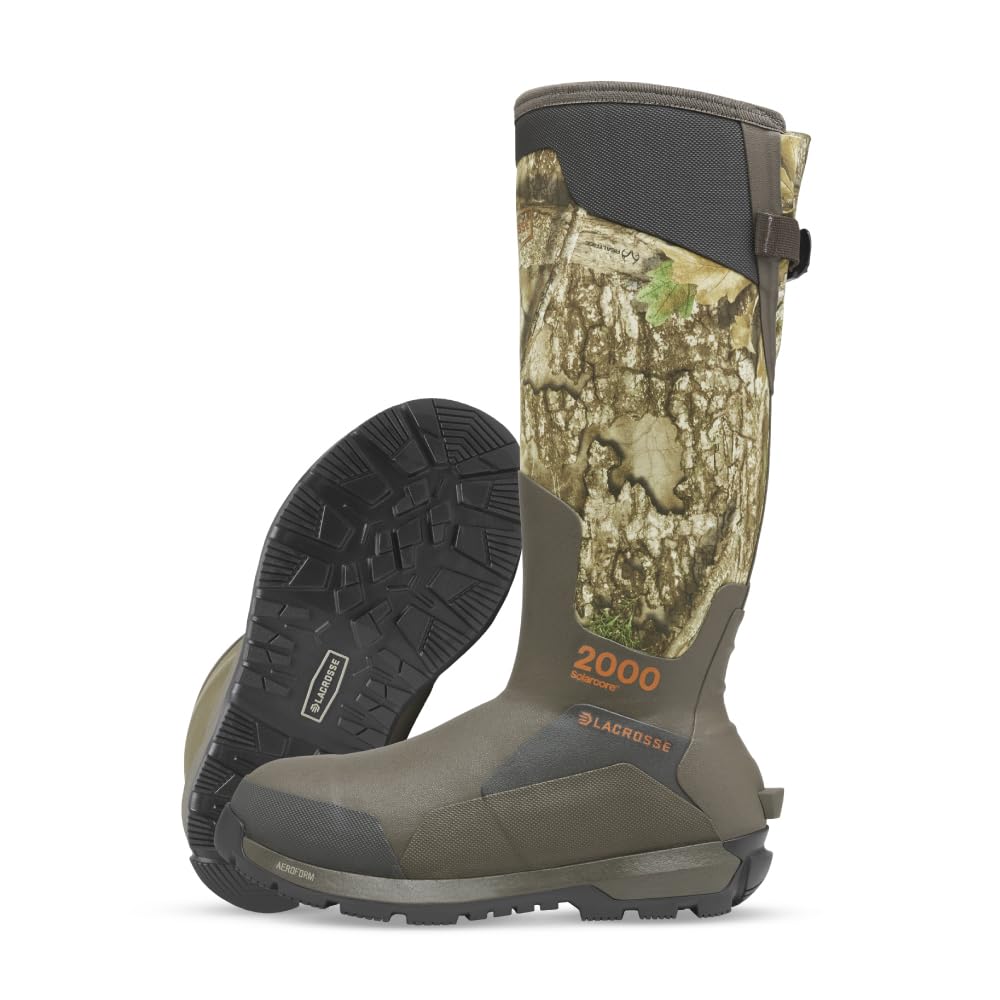
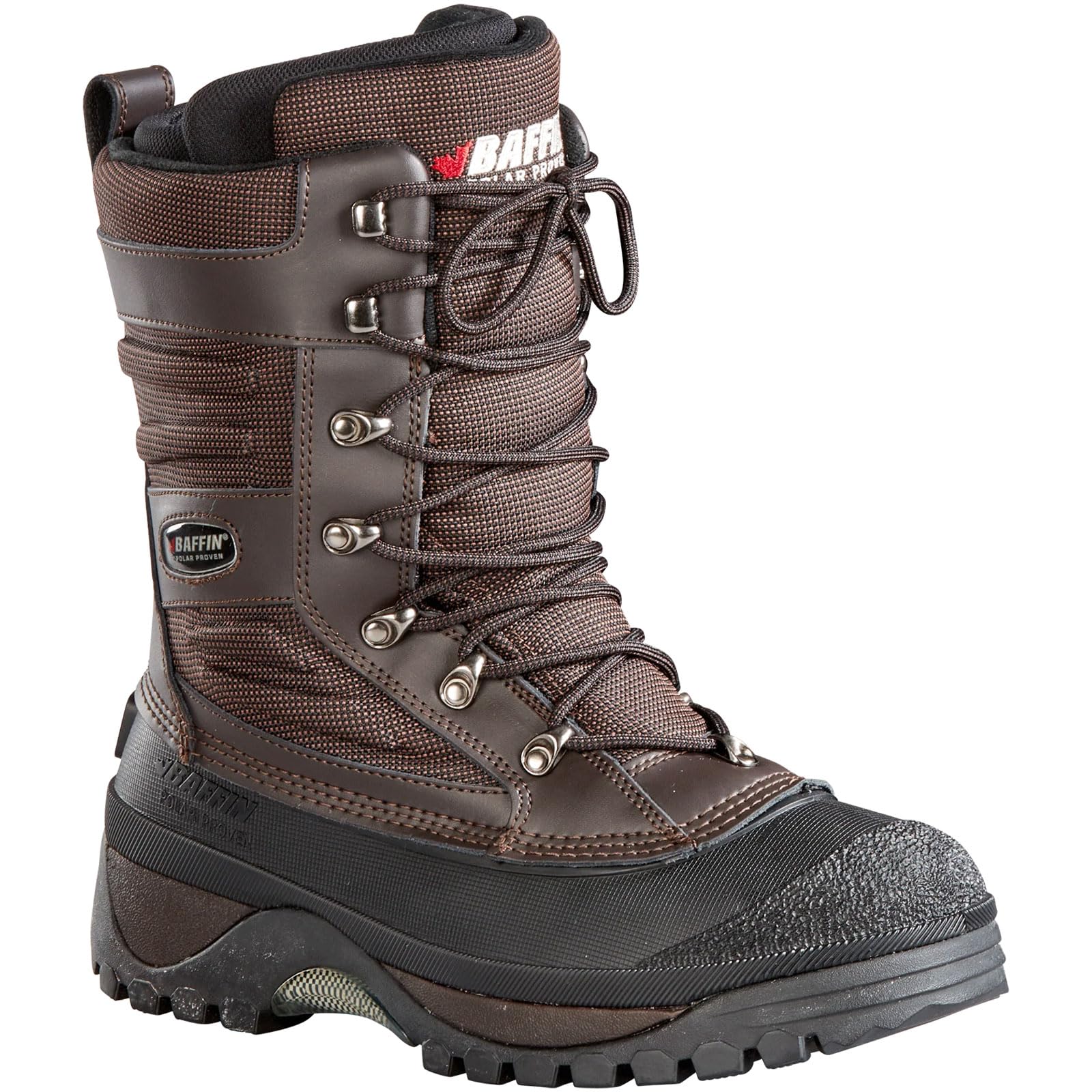

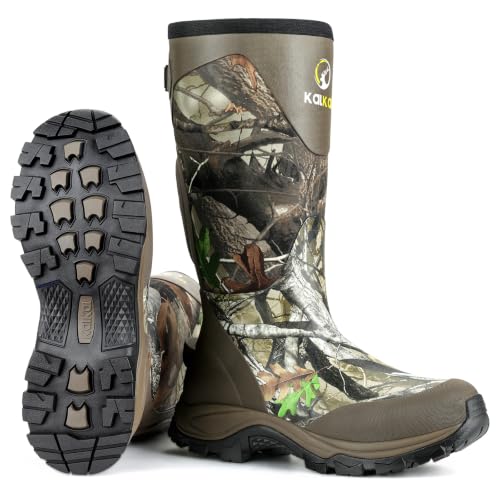
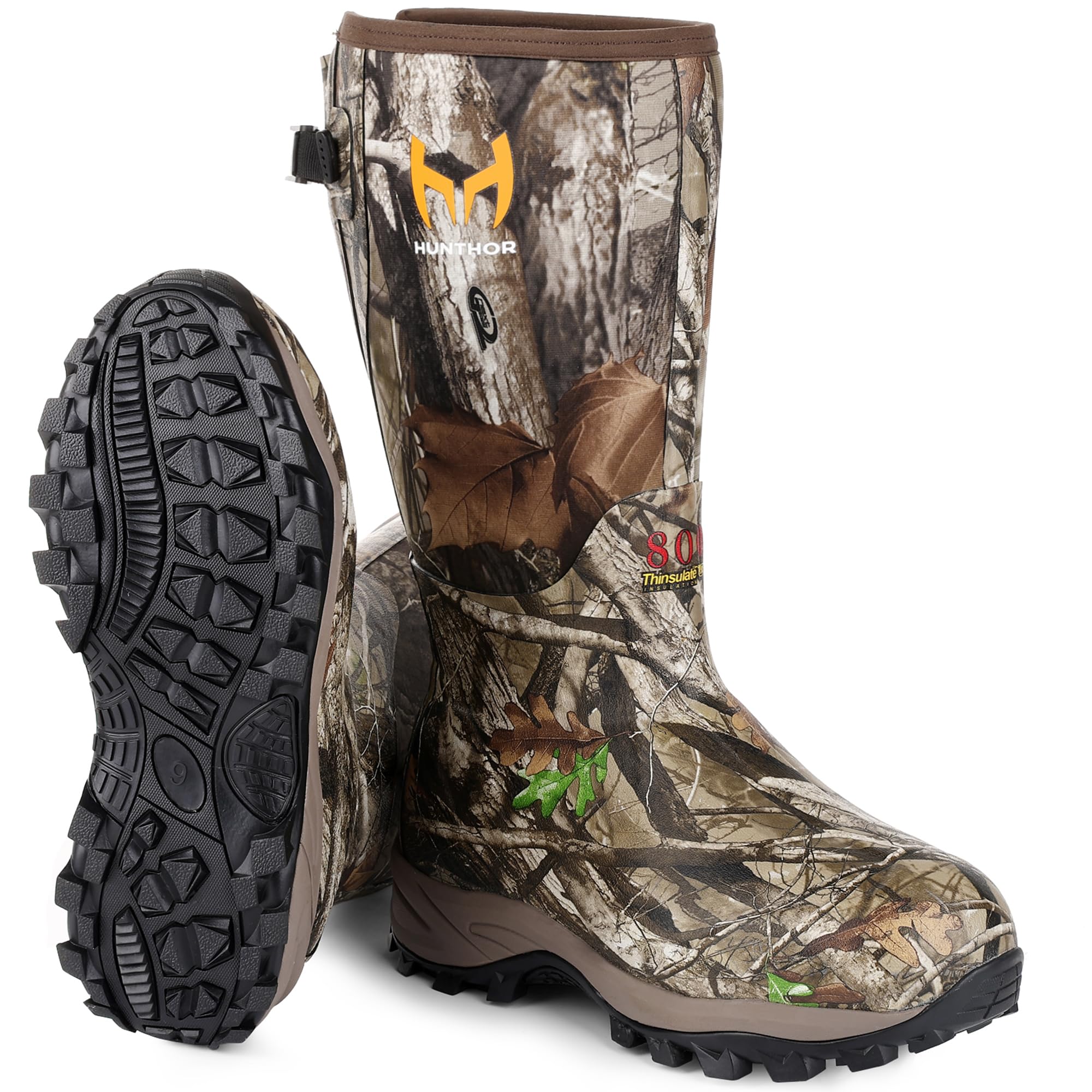


How Hunting Changes What Warm Boots Need
Ordinary winter boots are rated for walking, and walking keeps blood moving to your toes. Hunting adds long periods of sitting, cold ground contact, wet vegetation, and the need to move quietly. Each of those changes which features matter.
Insulation Grams Match Your Activity
Insulation is listed in grams, and the right number depends on how much you move. About 200 to 400 grams suits active hunters who walk to a spot and keep moving. About 800 grams suits mixed days with some sitting. For all-day stand or blind hunting in deep cold, 1,000 to 2,000 grams is common. Too much insulation on a long approach makes your feet sweat, and damp socks cool fast once you stop, so choose for your longest stretch of stillness while keeping your approach in mind.
Waterproof Construction Beats Water Resistant
Wet insulation stops insulating. Rubber and neoprene boots are fully waterproof and suit marsh, creek crossings, and wet snow. Leather or fabric boots with a membrane and sealed seams breathe better and walk more comfortably, but water can enter over the top of a low shaft. Pick shaft height by the deepest water you expect to cross, and keep in mind that a boot that leaks at the collar is only as dry as its lowest opening.
Quiet Soles and Scent Control
Stiff, hard soles clack on frozen ground and rock. Look for a rubber outsole that stays flexible in cold weather and a tread that grips wet leaves without squeaking. Rubber boots also hold less human scent than fabric uppers, which is one reason many deer hunters prefer them for stand hunting. Always check the maker directions for any scent-control treatment you plan to use.
Rubber Versus Leather Hunting Boots
The two main families trade comfort for protection in opposite directions, so decide which problem is bigger for you before comparing models.
Insulated Rubber and Neoprene Boots
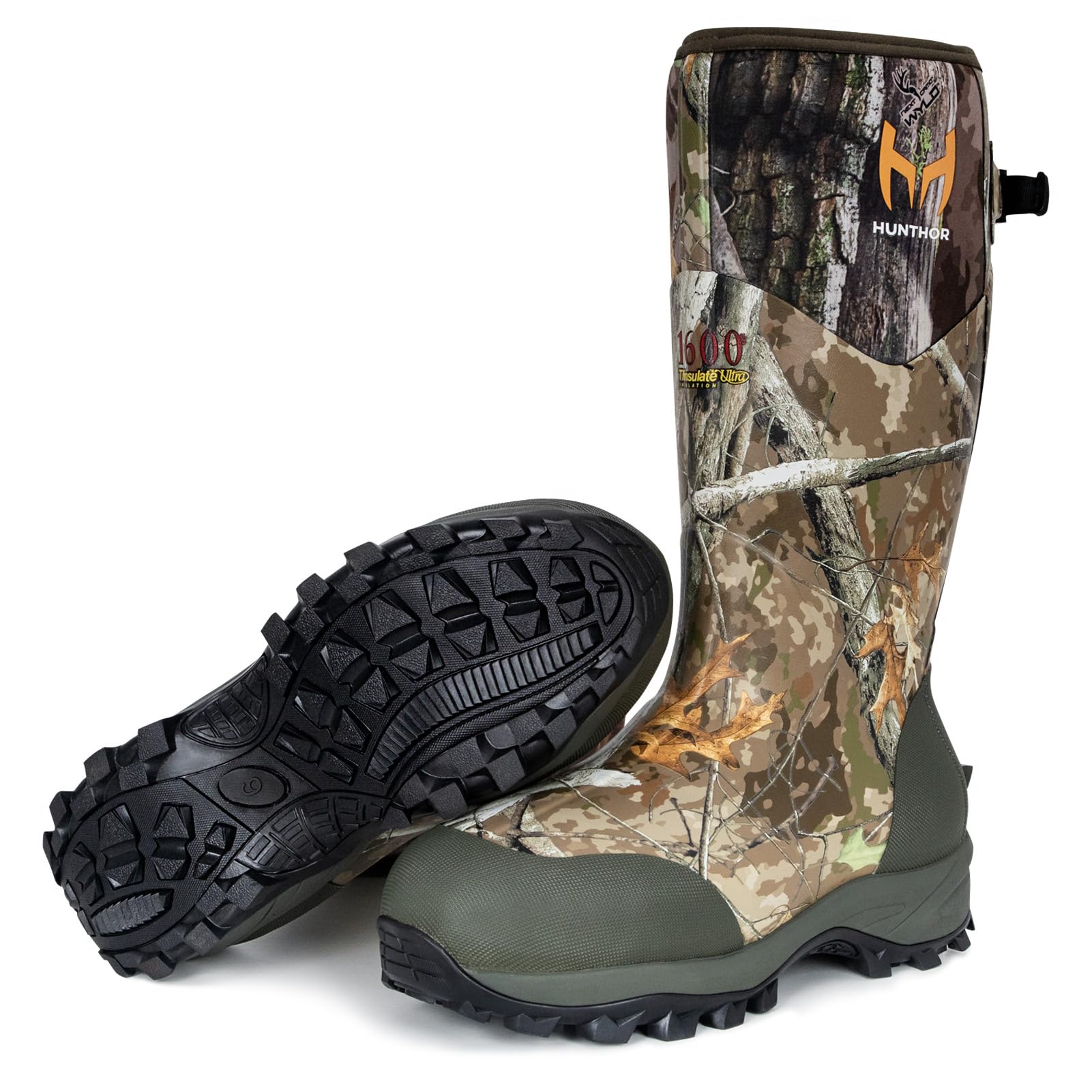
These pull on, seal completely, and usually carry the heaviest insulation. They suit stand hunting, duck marshes, and snow. The downside is weight and a loose feel on steep ground, because the shaft is wide and the sole is less structured. Look for a steel or molded shank and a footbed with real arch shape, since a floppy sole tires your legs on long walks in.
Insulated Leather and Fabric Boots
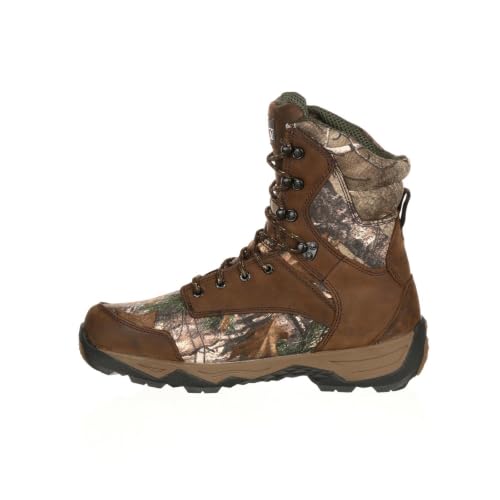
Laced boots with a waterproof membrane give better ankle support and a more natural stride. They suit spot-and-stalk, upland, and mountain hunts where you cover miles. Most carry 400 to 1,000 grams, and warmth drops faster when you stand still. Pair them with wool socks and a removable insole you can swap or dry at camp.
Fit Matters More Than Grams
A tight boot with heavy insulation can be colder than a roomy boot with half the grams, because squeezed feet lose circulation and compressed insulation traps less air. Try boots with the thick socks you hunt in, late in the day when feet are larger, and leave about a thumb width of space in front of your longest toe. Your heel should stay seated when you walk downhill. If you plan to add toe warmers, leave extra room for them on top of your toes, never under your foot.
Break in new boots before opening day. Stiff leather and new rubber can rub in the first miles, and a hot spot on a remote hike is easy to avoid with a few short walks at home.
Price Ranges for Warm Hunting Boots
Prices vary widely, so use these bands as rough guides rather than promises.
- Around $60 to $110: basic insulated rubber or lightly insulated laced boots, good for mild cold and short sits.
- Around $110 to $180: better neoprene, more insulation, sturdier soles, and removable liners on many models.
- Around $180 and above: heavy insulation, refined fit, stronger materials, and longer service life.
Spend more when you hunt many days a year or sit for hours in deep cold. Occasional hunters in moderate climates are often well served by the middle band.
Matching the Best Boots to Keep Feet Warm Hunting to Your Hunt
Stand and Blind Hunting
You sit for hours, so prioritize heavy insulation, a roomy fit for thick socks, and a boot you can slip off to warm your feet. Rubber boots with removable liners are a common choice.
Spot and Stalk or Upland
You cover miles and need ankle support, a stiffer sole, and lighter insulation. A laced boot with a waterproof membrane and 400 to 800 grams of insulation balances warmth and comfort.
Waterfowl and Marsh
You stand in water and mud, so shaft height and full waterproofing come first. Look for tall neoprene or rubber boots with a strong outsole for slick banks.
Common Mistakes to Avoid
- Buying the highest insulation for a long walk in, then arriving with sweaty, damp feet.
- Choosing a boot that fits only with thin socks, which leaves no room for warm ones.
- Ignoring shaft height, so water or snow enters at the top.
- Skipping a break-in period before the season.
- Storing boots wet, which compresses the liner and shortens its life.
Care and Storage
Pull the liners and insoles after every hunt and let everything dry at room temperature, away from heaters and campfires, because strong heat damages glue and rubber. Rinse mud off rubber boots and wipe them dry, and treat leather uppers as the maker directs. Store boots upright in a cool, dry place so the shafts keep their shape and the liners can loft back up between trips.
Warm Hunting Boots FAQ
How many grams of insulation do I need for stand hunting?
For sitting in cold weather, many hunters choose 800 grams or more, and 1,000 to 2,000 grams for deep cold. If your walk in is long, a boot with removable liners or a lighter pair for the approach helps you avoid sweat.
Are rubber boots warmer than leather boots for hunting?
Rubber and neoprene boots are often warmer when standing still because they seal out moisture and usually carry heavy insulation. Leather boots walk better, so the better choice depends on how much you move.
Should hunting boots be waterproof?
Yes, for most hunting. Wet feet get cold fast, and wet insulation loses its warmth. Choose a shaft tall enough for the water and snow you expect.
How should hunting boots fit?
Snug at the heel and midfoot with room for your toes to move, wearing the socks you will actually hunt in. Tight boots cut circulation and feel colder than roomy ones.
How long do insulated hunting boots last?
Many pairs stay warm for several seasons with care. When the liner stays cold, the sole wears smooth, or the boot leaks at the seams, it is time to replace them.
Final Thoughts
Choose for your longest still period, keep your boots dry, and give your toes room. Then use the product table above to compare shaft heights and insulation levels. For lighter everyday options, see our guide to the best boots to keep feet warm, and for wet days see the best boots to keep feet warm and dry. The best boots to keep feet warm hunting are the pair that suits how you hunt, so match the insulation and shaft to your longest sit and you will stay out longer.


