
Best Boots to Keep Feet Warm at Every Price in 2026: What Your Money Really Gets You
Disclosure: We may earn a commission when you buy through links on this page, at no extra cost to you. As an Amazon Associate I earn from qualifying purchases. Learn more

See what the best boots to keep feet warm cost at each price band, how insulation classes and fit decide real warmth, and where extra money pays off.
Warm boots span a huge price span, from lightly insulated pairs at about $50 to $100 up to expedition class boots at about $200 to $350, and price alone says little about warmth. Makers print temperature ratings on boxes and product pages, but those rating classes are not set by any shared standard. One maker may rate a boot on a walking wearer, another on a wearer standing still, so the same rating class can mean very different warmth on different feet. This guide walks through the price bands for best boots to keep feet warm shoppers and then shows which features actually decide warmth.
Use the comparison table below to see how the bands differ in insulation weight, shaft height, and intended use before you spend. The short version is simple: money buys insulation class, liner quality, and build, but it cannot buy warmth that your activity level and your socks do not support.

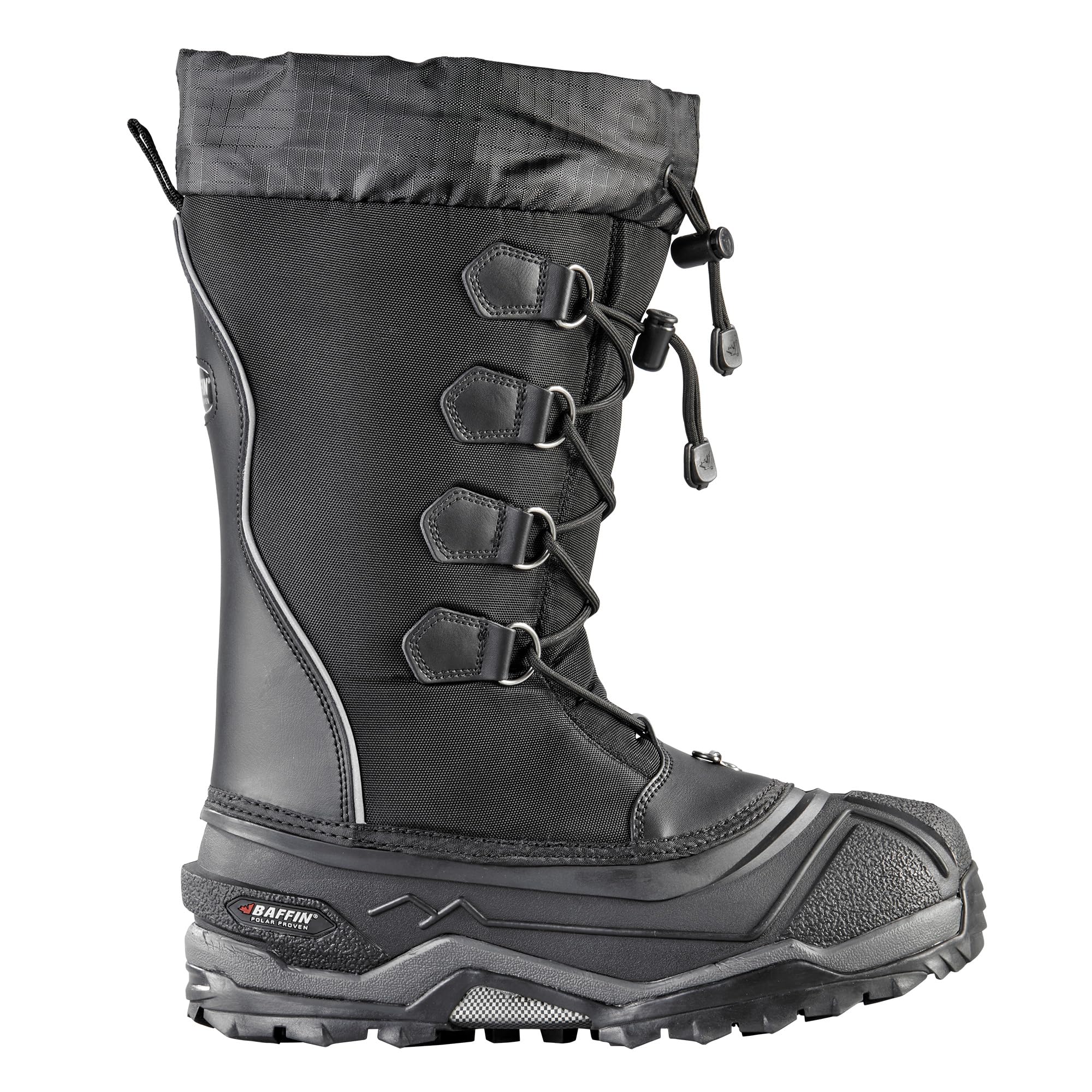

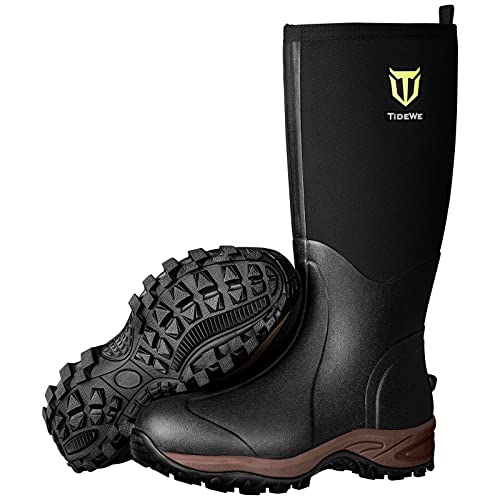


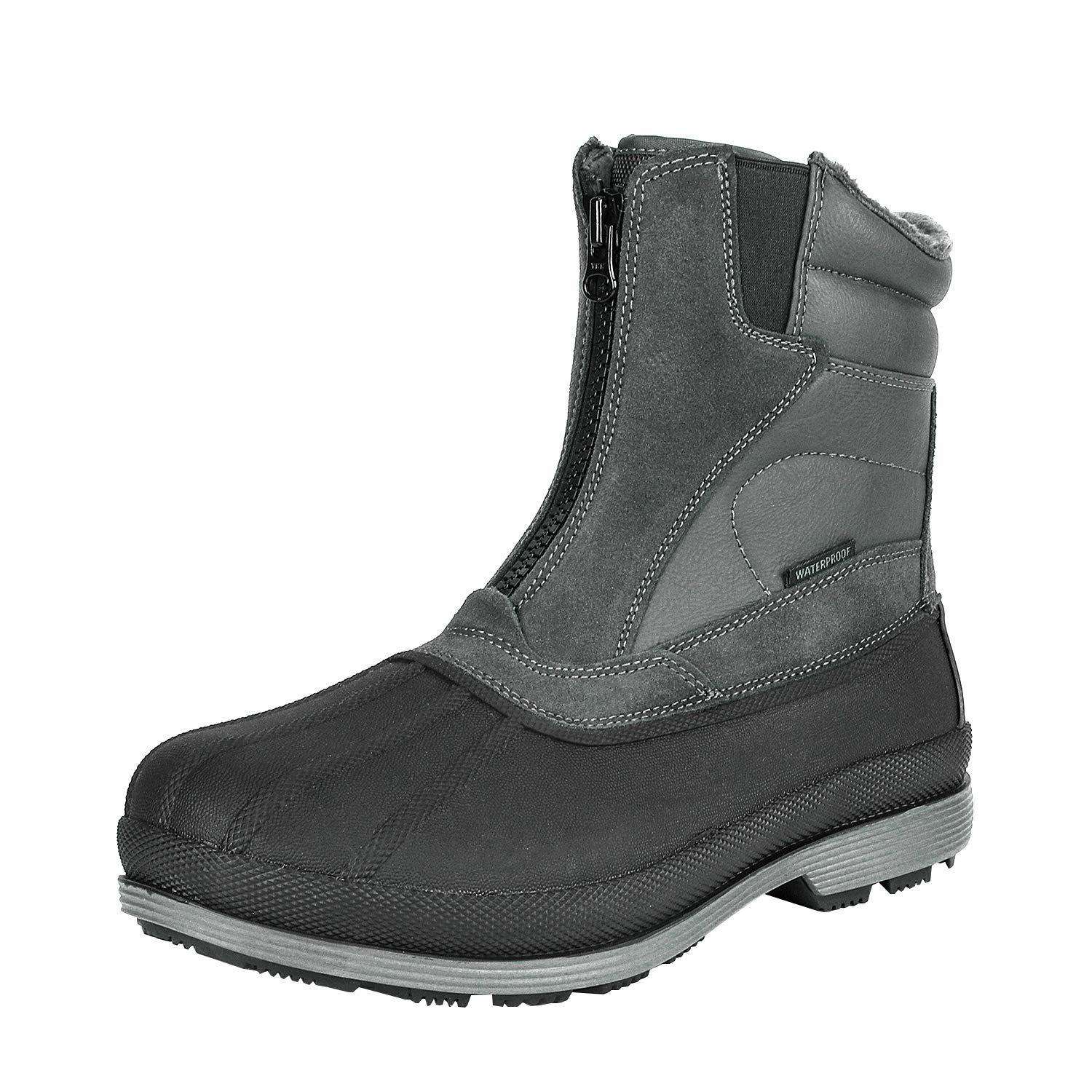
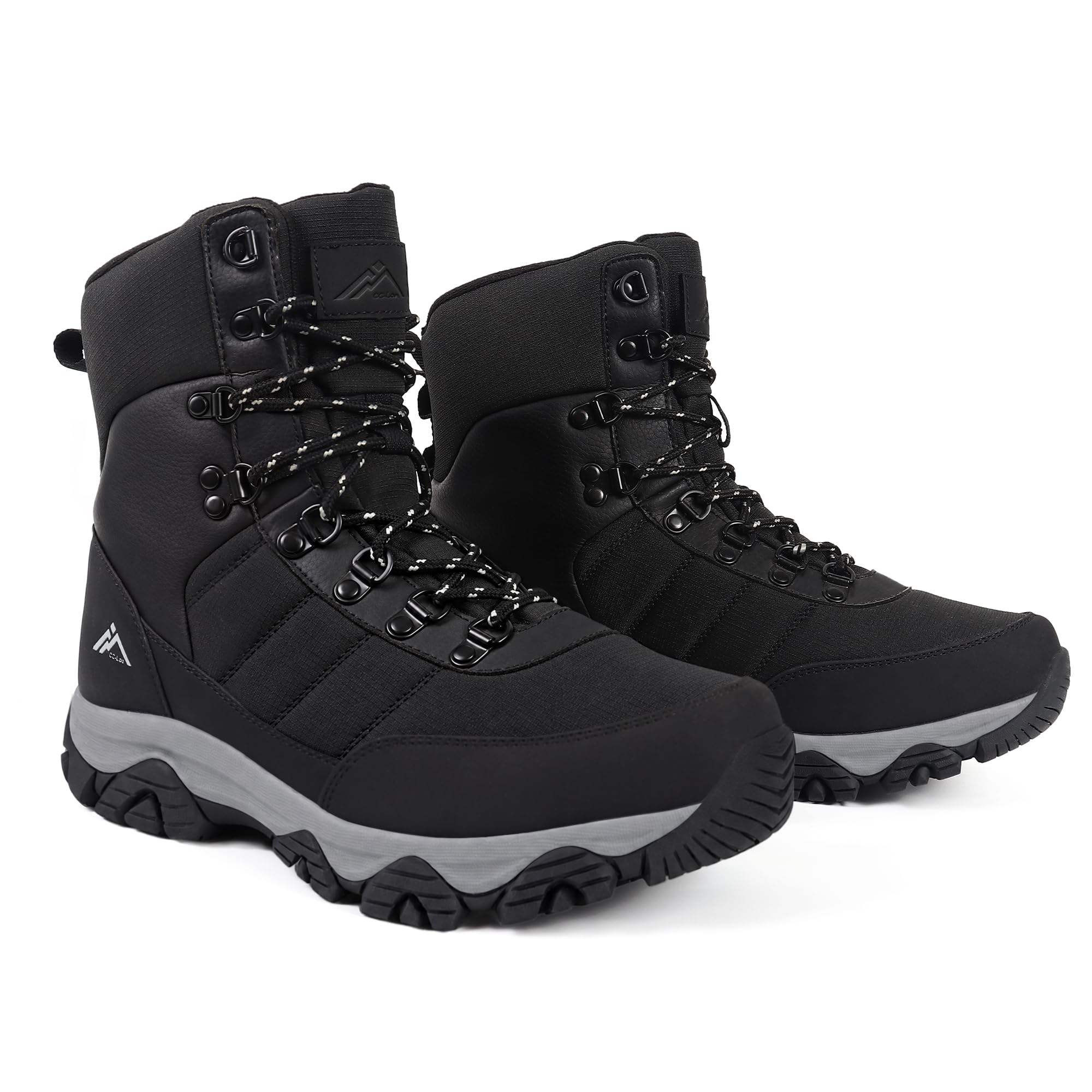

What Each Price Band Buys
Price bands in this category map closely to insulation class and intended use. Read each band by the cold it is built for, not by the number on the box.
Budget Band: Light Insulation for Mild Cold and Short Outings
Budget boots at about $50 to $100 usually carry light insulation, often in the 100 to 200 gram class, with thinner soles and shorter shafts. That build is enough for errands, short dog walks, and cold snaps in mild winter regions where the ground is more wet than frozen. The trade is speed of cooling: sit still at a bus stop or a school game and the cold reaches your toes quickly. Spend at this level if your time outside comes in short bursts and you can come back indoors to warm up between them.
Midrange Band: Real Insulation for Snow Days and Daily Winter Use
The midrange band at about $100 to $200 is where most buyers get genuine winter warmth. Insulation steps up to the 400 gram class, linings get thicker and softer, waterproof membranes start to appear, and shafts rise high enough to keep snow out on unplowed paths. Readers comparing the best snow boots to keep feet warm will find most of that category sits in this band, because daily snow use needs the membrane and the shaft more than it needs extreme insulation. For a full season of commuting, school runs, and weekend outings in real winter, this band is the sensible default.
Premium Band: Deep Cold, Long Days, and Removable Liners
Premium boots at about $200 to $350 add heavy insulation in the 800 gram class and above, thick removable liners, and shells built for deep cold and long hours outside. The best winter boots to keep feet warm for northern winters and ice fishing weekends mostly live here, and the extra money also buys sturdier soles and liners you can pull out to dry overnight. This band earns its price when you stand on frozen ground for hours or work outside through the coldest weeks. If your winters are moderate, the same money buys little you will feel.
Features Worth Paying For (and Ones to Skip)
Within any band, a few features decide whether the boot feels warm on your feet. Others mostly decide the price.
Insulation Weight, Read in Grams
Insulation is sold by weight class, and the class tells you the intended use more honestly than a temperature rating does. Light classes suit active days and mild cold, mid classes suit general winter wear, and heavy classes suit still, deep cold use. Pay for the class that matches your coldest regular day, not your coldest imaginable day. Skip the heaviest class if you mostly walk, because thick insulation around a moving foot often ends in sweat, and damp feet cool faster than dry ones in lighter boots.
Activity Level Decides Real Warmth
The activity class decides the warmth class more than any label does. A moving body pumps warm blood to the feet, so a hiker in a mid class boot can feel warmer than a spectator in a heavy class boot. Standing still reverses the picture: a standing class of use cools faster than a moving class, whether you are waiting on a platform or sitting in a blind.
Treat numb toes as a stop signal, not a discomfort to push through, and go indoors or get moving when feeling fades. Stand hunters comparing the best hunting boots to keep feet warm should weight this point heavily, because hours of stillness is the hardest warmth test there is.
Socks and Fit Carry Half the Warmth
The sock and fit classes are half the warmth class, and they cost far less than a boot upgrade. A thick wool blend sock traps warm air, but only if the boot leaves room for it: a tight class of fit cuts the circulation class that delivers warmth, so a snug boot with thick socks can feel colder than a roomier boot with mid weight socks. Choose boots with your winter socks on, keep enough space to wiggle your toes, and avoid cotton socks, which hold sweat against the skin. If your feet run cold, fix the sock and the fit before you fix the budget.
Wet Cold and Waterproofing
Wet insulation loses warmth fast, so in slush and wet snow the membrane matters as much as the insulation class. Shoppers who need the best boots to keep feet warm and dry should look for a waterproof membrane plus a shaft tall enough to keep slush from entering at the top. In dry, powdery cold, waterproofing matters less and breathability matters more, because sweat has to escape somewhere. Pay for the membrane when your winters are wet; skip the premium for it when your cold is dry and your routes are plowed.
Outsole Traction on Ice and Packed Snow
A warm boot that slides is still a bad winter boot. Deep lugs grip loose snow, while softer rubber compounds grip better on hard ice and packed surfaces than stiff, hard soles do. City walkers on treated sidewalks can skip the most aggressive tread classes and put the money toward insulation instead. Walkers on untreated paths, frozen driveways, and icy lots should treat tread as a warmth feature too, because a fall ends the outing faster than cold toes do.
Long Term Costs to Factor In
The boot price is not the whole cost of warm feet. Removable liners wear out and are replaced on their own cycle, waterproof treatments need renewing, and good winter socks are a consumable you will refresh every season or two. Warm insoles are a cheap upgrade that can extend a midrange boot into colder use.
Warmth at home counts in the same budget: readers who chill easily often pair their outdoor boots with the best slippers to keep feet warm for indoor hours, which costs far less than overbuying outdoor insulation. Add these running costs up and a midrange boot plus fresh socks and liners often beats a premium boot worn with worn out socks.
Questions Answered
Do toe warmers help boots keep feet warmer on the coldest days?
Yes, disposable toe warmers add real heat on the coldest days, and they work best placed on top of your toes inside the boot. Never put them under the foot, because body weight presses them flat and pressure reduces circulation, which works against warmth. They need air to work, so a very tight boot can starve them and shorten their life. Treat them as a booster for still, bitter days, not as a fix for a boot that is too light for your winter.
Can warm boots be too warm for active winter hiking?
Yes, heavy insulation can be too much boot for an active day. A working foot sweats, the lining absorbs that moisture, and when you stop for a break the damp lining chills your feet faster than a lighter boot would. For hiking and snowshoeing, many walkers do better in a mid class boot with a sock they can adjust at stops. Loosening the laces at rest breaks lets moisture escape and keeps the whole system drier over a long day.
How should warm winter boots fit when worn with thick socks?
Warm boots should be fitted late in the day, wearing the thickest socks you plan to use, because feet swell slightly over the day. You want about a thumb width of space in front of your longest toe and a heel that stays seated when you walk. Try both boots and walk on a slope or steps if the store allows it. If your toes touch the front on a downhill angle, go up a half size rather than hoping the lining will pack down.
When do insulated boots stop keeping feet warm and need replacing?
Insulated boots lose warmth gradually as the insulation compresses and the liner mats down, which often shows up first as cold toes on days that used to feel fine. Cracked liners, a lining that stays damp after a night of drying, and tread worn smooth are the other clear signs. Many daily wearers get about three to five winters before warmth drops off, while occasional wearers get longer. Replacing a worn liner, where the design allows it, can restore much of the warmth at a fraction of a new boot price.
Are warm boots worth it for short walks in a mild winter?
For short walks in a mild winter, a light insulated boot is usually worth it, and a heavy one usually is not. Ten or fifteen minutes outside rarely justifies expedition class insulation, and lighter boots are easier to drive in and wear all day. What matters at this level is a waterproof build for wet pavements and a sole that grips frosty patches. Save the bigger spend for the boots you wear on your longest, coldest days, where the insulation class truly decides comfort.
The Bottom Line
Across every band in the product table above, the same three things decide warmth: an insulation class matched to your cold, an activity level the boot can support, and socks with a fit that leave circulation alone. Read ratings as a rough maker claim rather than a standard, and let grams and use guide you instead. Choose the band that fits your coldest regular day, and best boots to keep feet warm shoppers will find their money works hardest in the midrange, where real insulation, a membrane, and a proper fit meet.


