
Best Boots for Winter Camping in 2026: The Buyer Checklist
Disclosure: We may earn a commission when you buy through links on this page, at no extra cost to you. As an Amazon Associate I earn from qualifying purchases. Learn more
Compare boots for winter camping with a clear checklist on insulation, fit with thick socks, traction on snow, waterproofing, weight and camp care.
Winter camping asks more of your boots than a winter walk does. You hike in with a pack, stand on snow while you pitch a tent, and sit still as the temperature drops. The best boots for winter camping keep your feet warm during that still time, not only while you move, and you can judge them with the comparison table below.
This guide turns that job into a simple checklist. You will match insulation, fit, traction, and support to your trip style, compare the main boot types, and learn the sizing checks that stop cold feet.
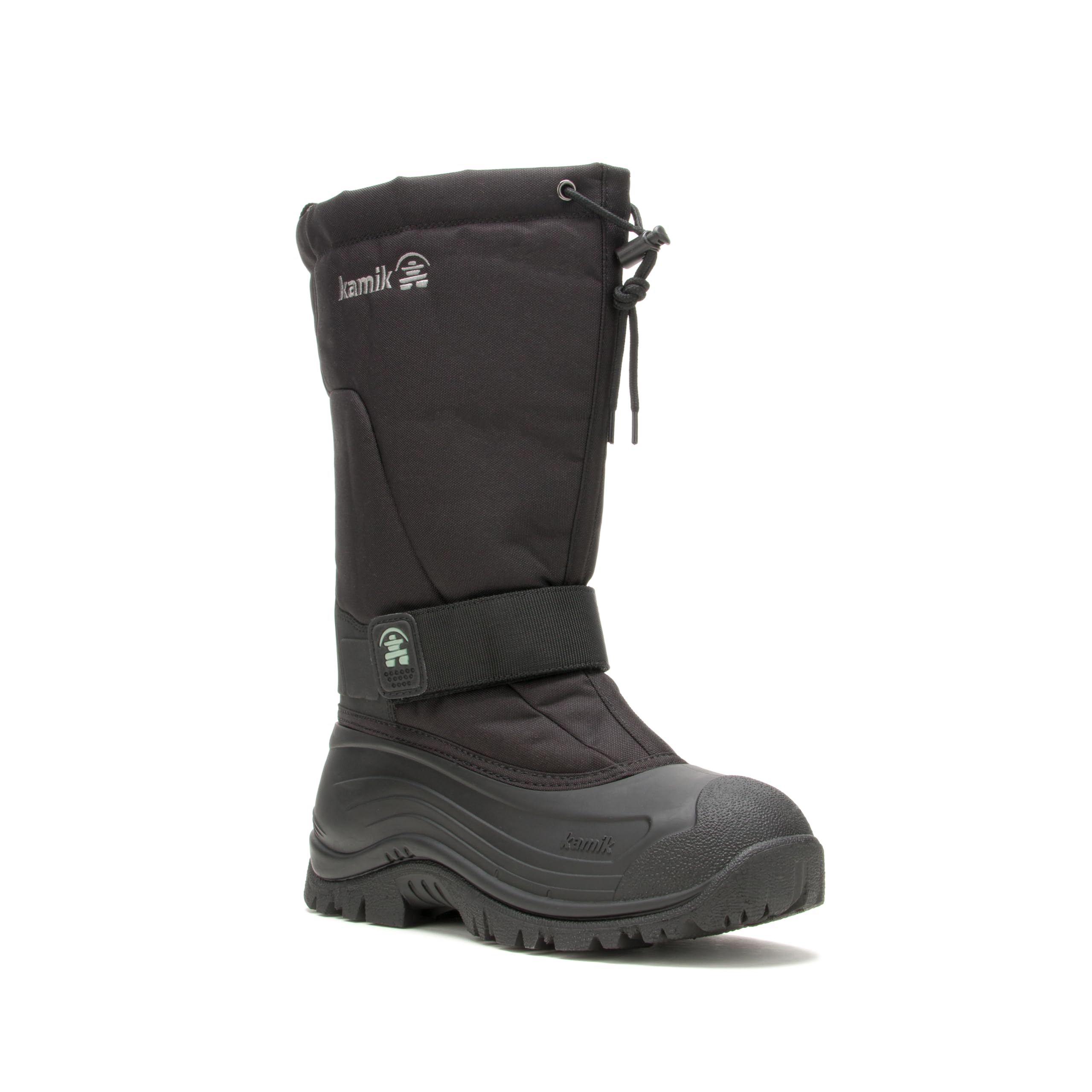

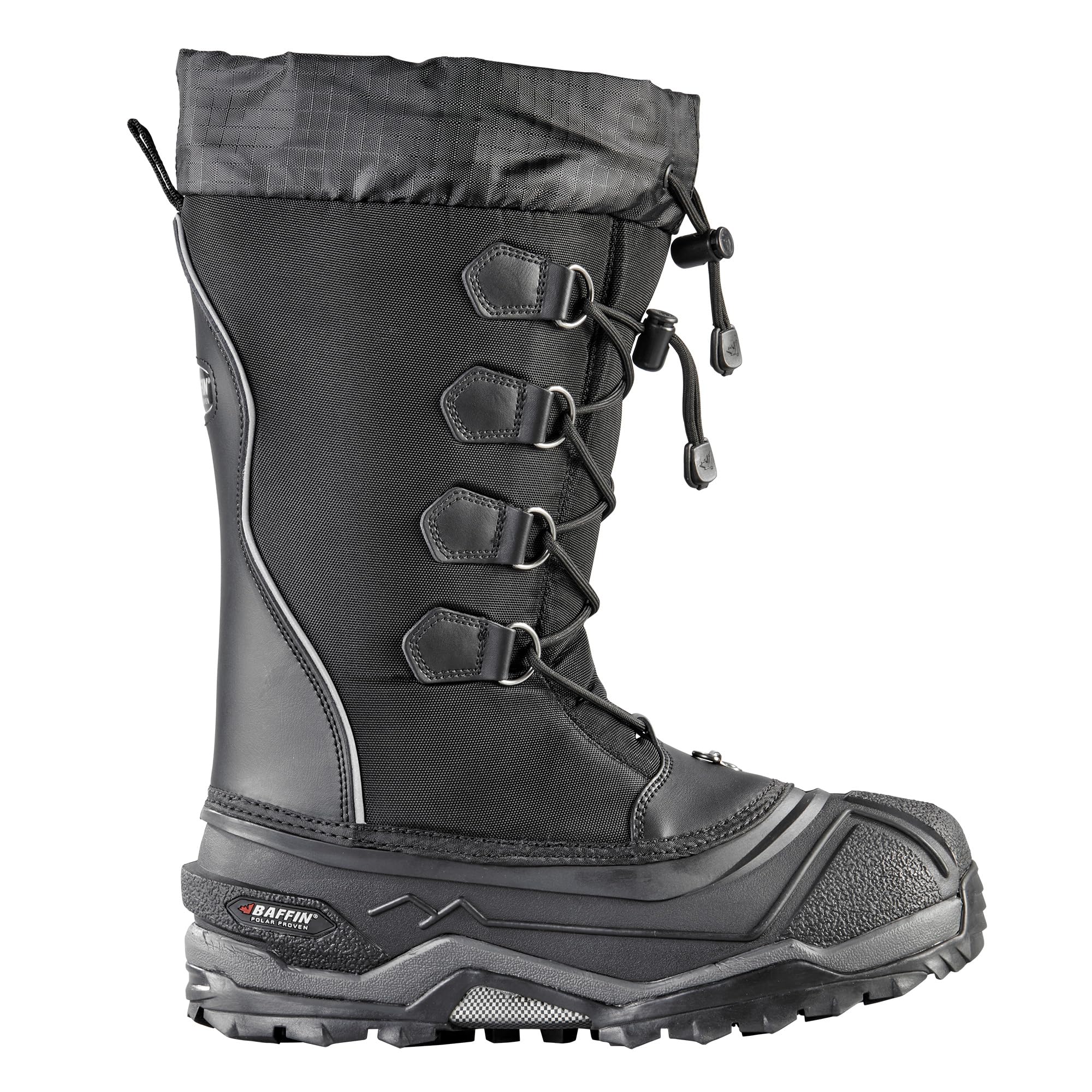
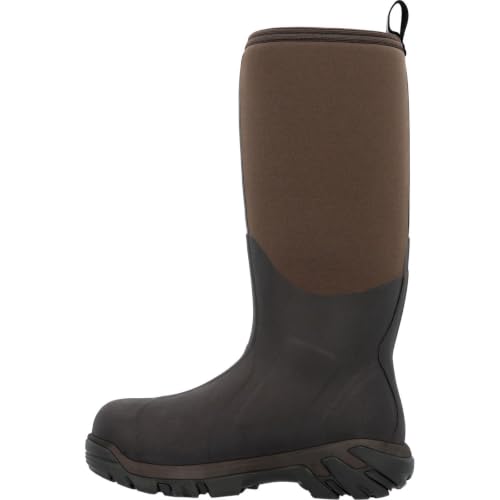

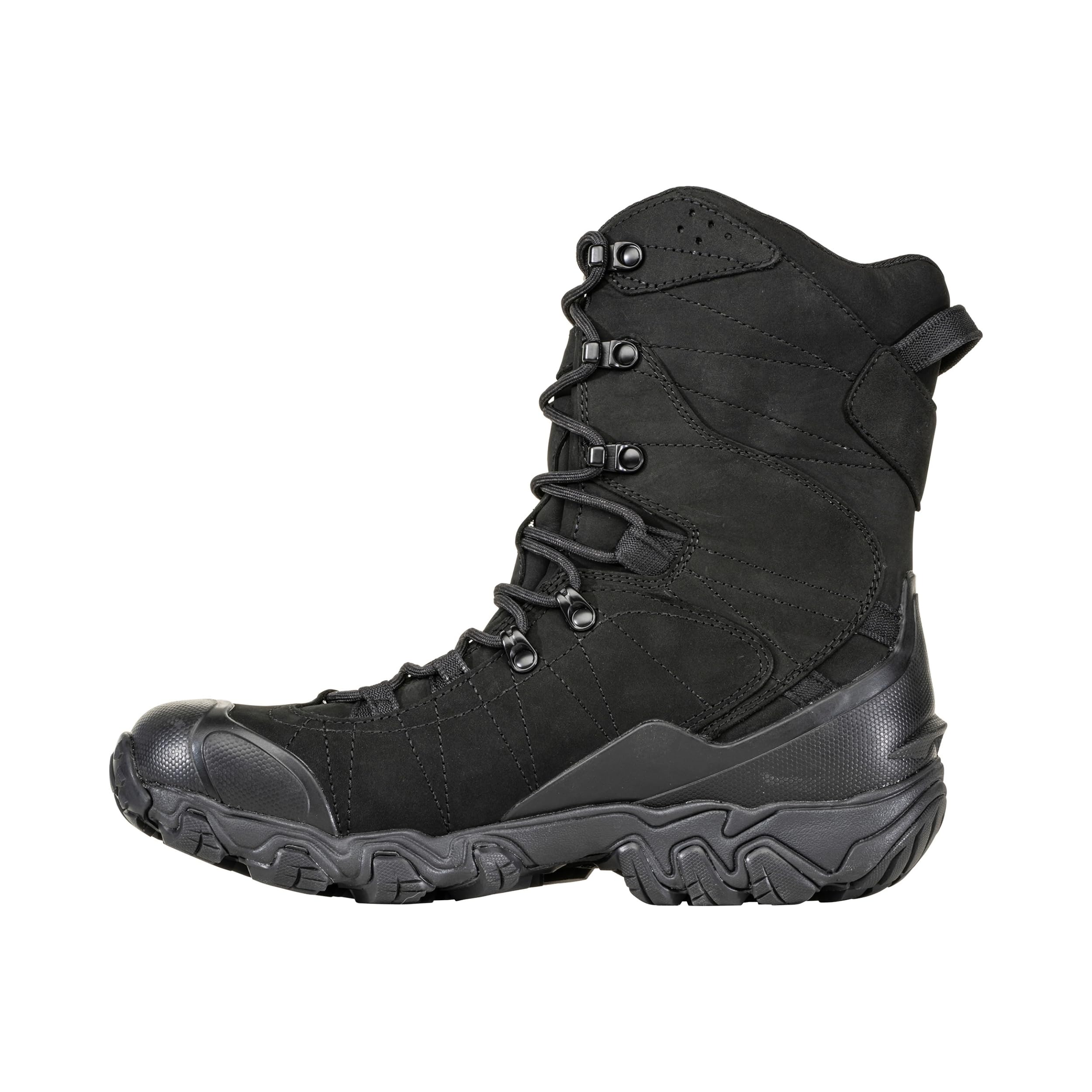
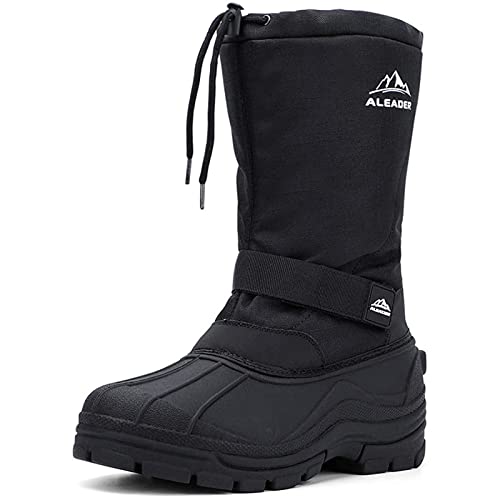

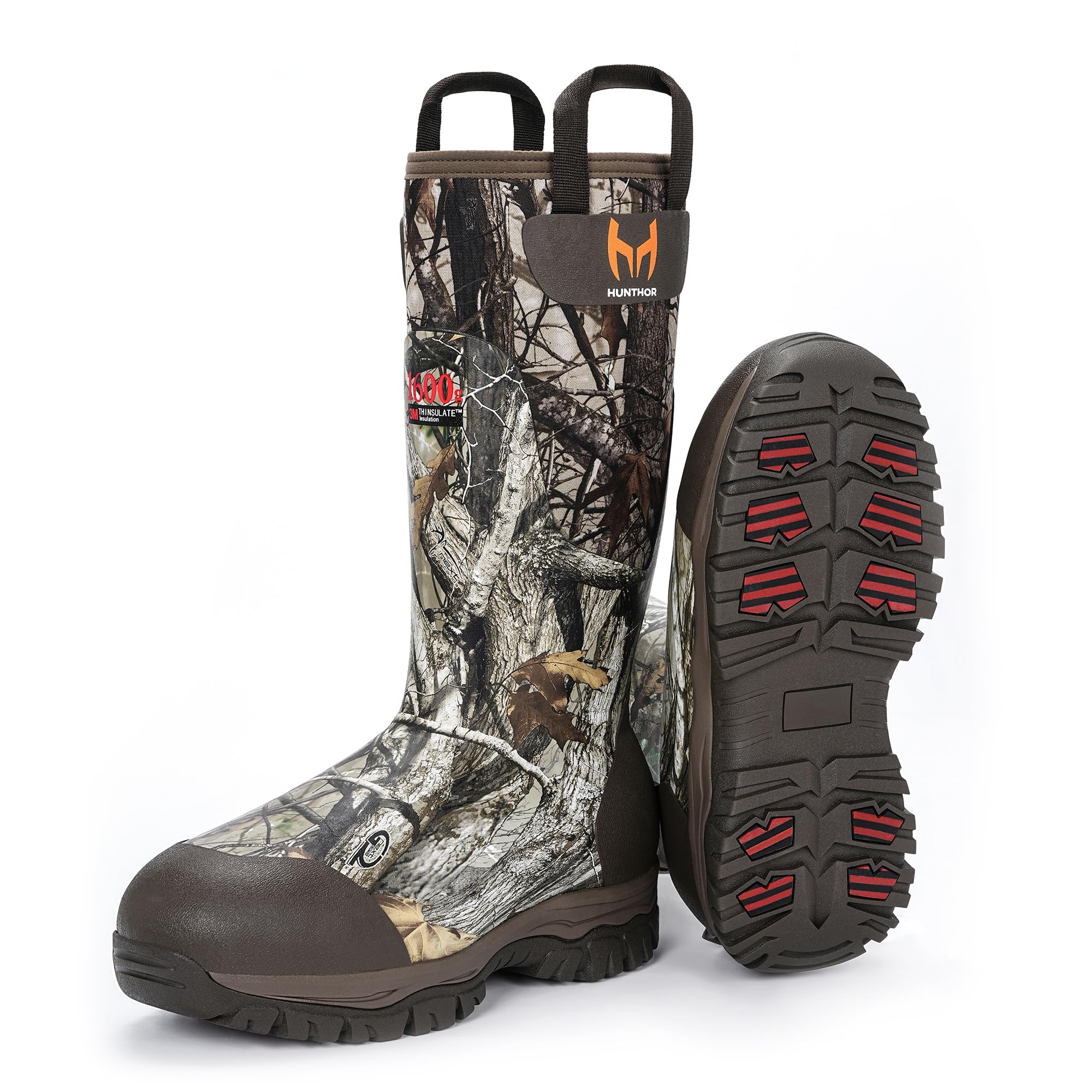
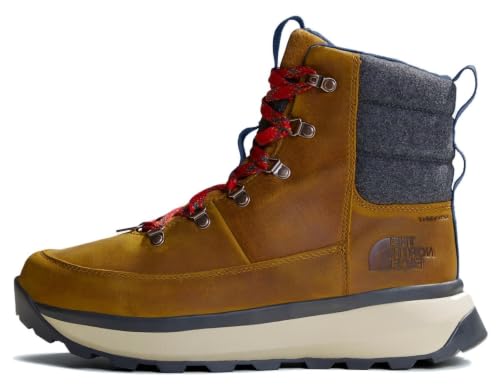
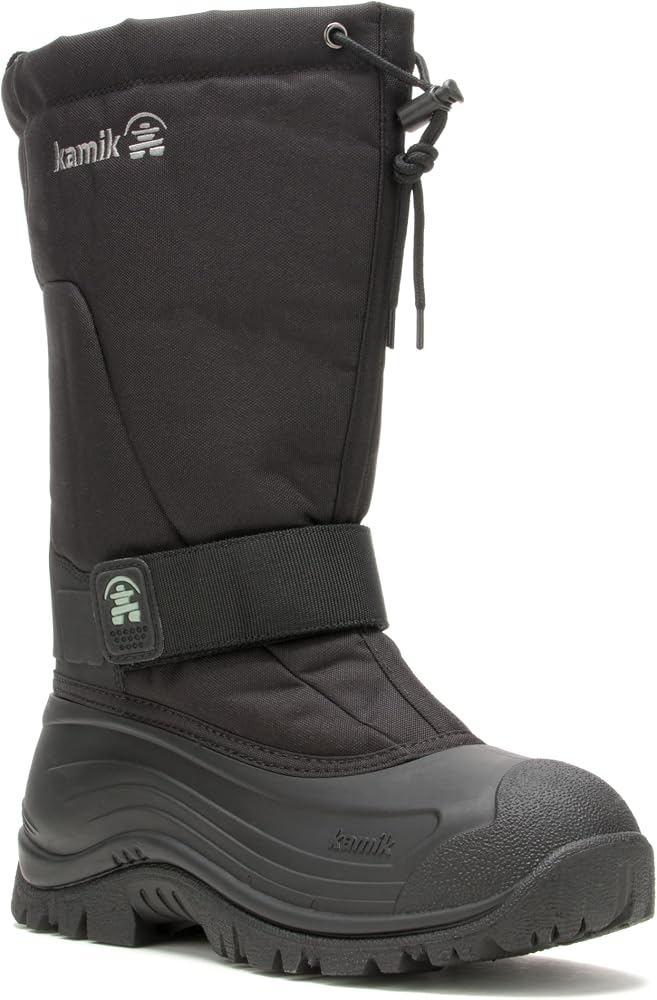
Who Should Buy Which Boots for Winter Camping?
Start with how you spend your time outdoors. A camper who walks all day needs a different boot from one who stays near camp, because movement makes warmth and stillness lets cold creep in.
Walk In Campers Carrying a Loaded Pack
You cover miles on snow before you stop, so you need support under a pack and a sole that bends enough for a natural stride. Choose a boot with firm stability, good arch support, and a midsole that cushions long descents. A boot that is too soft or bulky will tire your legs on uneven ground.
Base Camp Campers Who Stand and Sit for Hours
You pitch once and spend your time cooking, sorting gear, and sitting by a stove, so insulation is your first priority. Choose a taller, more heavily insulated boot with room for thick socks and space for your toes to move, since that air space helps circulation when you are not moving.
Snowshoe and Mixed Terrain Campers
You move between packed trails, deep snow, and icy patches near camp, so you need a boot that works with bindings and grips in several directions. Choose a firm heel, a sole pattern that clears snow, and an upper that accepts a gaiter. If your search started with general footwear, see our guide to the best winter boots to set this choice apart from town boots.
Key Features to Compare
Work through these factors in order when you compare the best boots for winter camping for your trip, because warmth, fit, and grip matter more than any single headline claim. Let your coldest, wettest hour lead the choice.
Insulation for Still Time at Camp
Insulation is usually described by a weight, such as about 200 to 400 grams, or by a comfort temperature the maker suggests. Treat those numbers as a rough guide, because wind, wet socks, and tight fit change how warm a boot feels. For camping below freezing, choose the warmer end of that range if you run cold, and less if you walk most of the day.
Waterproofing and Breathability
A waterproof membrane keeps melting snow and slush out when you kneel to pitch a tent or cross a wet patch, and that matters because wet socks lose warmth fast. The trade off is breathability, since a membrane also slows sweat escaping on a long climb. If you sweat a lot, plan sock changes and air your boots at camp.
Fit and Toe Room When Feet Chill and Swell at Camp
Try boots late in the day, when your feet are at their largest, and wear the thick socks you will camp in. Your heel should stay put, while your toes need room to spread inside a generous toe box. A fit that feels snug in thin socks will feel tight in camp socks, and tight boots restrict circulation. Most campers go up about half a size from a summer boot.
Outsole Traction on Snow and Ice
The outsole does the gripping, so look at lug depth, lug shape, and the rubber compound together. Deeper lugs, often about 4 to 6 mm, bite into snow and loose ground, while a softer cold weather compound stays flexible and grips hard packed snow better than hard summer rubber. No boot sole grips glare ice alone, so plan separate traction aids for icy trails.
Cushioning, Arch Support, and Stability
Cushioning softens the load of a pack on frozen ground, while arch support and stability help your foot stay aligned on uneven snow. A moderate heel to toe drop suits most walkers, since a very high drop can feel tippy on slopes and a very flat boot can strain calves on climbs. Lasting pain, numbness, or repeated blisters are signs to stop and seek professional advice if they continue.
Shaft Height, Lacing, Weight, and Durability
A taller shaft keeps snow out when you step off a packed path, and a gusset behind the laces blocks snow at the front. Choose laces you can work while wearing gloves, because you will adjust fit with cold hands. Weight matters on the walk in, but very lightweight shoes rarely give the warmth camping needs. For durability, look for strong stitching and a protected toe.
Which Boot Type Fits Your Winter Camping Trip?
Insulated hiking boots suit walk in campers best, since they balance support, moderate weight, and enough warmth for active days. They are the most versatile choice for mixed trips, but very cold, still camps can outrun their insulation.
Pac style boots use a removable liner and a rubber lower section, and they suit base camp and very cold, dry conditions. The liner dries faster than a fixed lining, which helps on multi night trips, but these boots feel clumsy for long walks. Mountaineering style boots have stiff soles for steep snow, yet that stiffness and cost exceed what most camp trips need.
Your sleep system matters too, since warm feet at night help you start the next day well. If you are building a full winter kit, see our guide to the best blankets for winter camping for camp layers. Readers shopping for a male fit can also see our guide to the best boots men winter for sizing notes.
Quick Buyer Checklist Before You Order Boots for Winter Camping
Answer each question before you buy, and treat a no as a reason to look at another boot.
- Can you wiggle every toe in your thickest camp socks?
- Does the insulation match your coldest expected night, not your average day?
- Will the shaft and a gaiter keep deep snow out?
- Can you adjust the laces while wearing camp gloves?
- Does the outsole have deep lugs and rubber made for cold ground?
- Is the boot stiff enough for your pack and soft enough for your miles?
- Can you dry socks and liners each night at camp?
Common Mistakes to Avoid
Most cold feet on winter trips come from a few buying and packing errors.
- Buying boots in your summer size leaves no room for thick socks, so toes chill fast.
- Choosing warmth by a temperature claim alone ignores wind and still time, so a boot feels far colder at camp.
- Wearing cotton socks holds sweat against your skin, so your feet cool when you stop walking.
- Trusting a boot sole on glare ice without traction aids risks a fall on hard ground.
- Drying boots against a stove can crack leather and damage membranes, so a good boot fails early.
- Testing fit only while standing still misses heel lift on slopes, so blisters appear on descents.
Care and Maintenance for Winter Camping Boots
After each trip, remove the insoles and liners, loosen the laces, and air dry your boots at room temperature away from direct heat. Stuffing them loosely with newspaper helps draw out moisture. Never use a stove or radiator, since heat can warp soles and weaken adhesives. Brush off salt and grit once dry.
Reproof leather and fabric uppers when water stops beading and starts soaking in, using a product the maker allows for lined boots. Check laces, eyelets, and sole edges before each trip, and replace worn laces early. Store boots upright and out of direct sun.
FAQ
What features matter most in boots for winter camping?
Insulation matched to still time at camp matters most, followed by fit with thick socks and traction on snow. A useful extra check is drying speed, since a boot you can dry overnight in a tent porch starts each day warmer. Prioritize those three before color, brand, or small extras.
How should boots for winter camping fit with camp socks?
Boots for winter camping should hold your heel firmly while leaving clear space in front of your longest toe. Try this test on a slope board or a step, since toes that hit the front on a flat floor will bruise on descents. If your toes press the front as you step down, go longer rather than wider.
Do I need waterproof boots for winter camping?
Yes, most winter campers need waterproof boots, because melting snow around a stove and slush on a thawing trail will find any gap. In very cold, dry snow well below freezing, liquid water is rare, so a breathable insulated boot can also work. Decide by the wettest hour of your trip, and pack spare dry socks either way.
Can I wear boots for winter camping all day and into the evening?
Yes, you can wear boots for winter camping through the day and evening if the fit leaves room for your feet to swell slightly. Loosen the laces when you sit for a long meal, and change into dry socks before dinner, since damp socks from the walk in are the main reason warm boots feel cold later.
How long is the break in period for winter camping boots?
Most winter camping boots need about three to five shorter walks before a full trip, rather than one long first outing. Stiff, heavily insulated models can need longer, and a removable liner will mold to your foot over the first few wears. Start on easy ground near home and check for hot spots after each walk.
The Bottom Line
Match insulation to your still time at camp, fit the boot with your thickest socks, and demand an outsole that grips snow. Use the product table above to check insulation, height, and weight, and favor the boot that passes every line over one that wins on a single claim.
Chosen that way, the best boots for winter camping become the quiet base of your trip, keeping you warm while you walk, cook, and rest. Order early enough for break in walks, so your first night out can focus on the camp, not your feet.


