
Best Boots for Men with Wide Feet: Everything to Know Before Your First Purchase for 2026
Disclosure: We may earn a commission when you buy through links on this page, at no extra cost to you. As an Amazon Associate I earn from qualifying purchases. Learn more

Shopping for the best boots for men with wide feet for the first time? Learn the terms, compare options, and avoid rookie mistakes with this easy guide.
Shopping for best boots for men with wide feet for the first time can feel harder than it should. Regular boots squeeze your forefoot, sizing charts use letters you may never have seen, and every product page seems to use different words for the same thing. None of this means your feet are a problem. Boots are built on fixed shapes, and you simply need the one that matches your feet.
This guide starts with the basics, explains each key spec in plain English, and walks you through your first days of wear. Start with the comparison table below to see how common options differ, then read on to learn which differences actually matter for comfort.


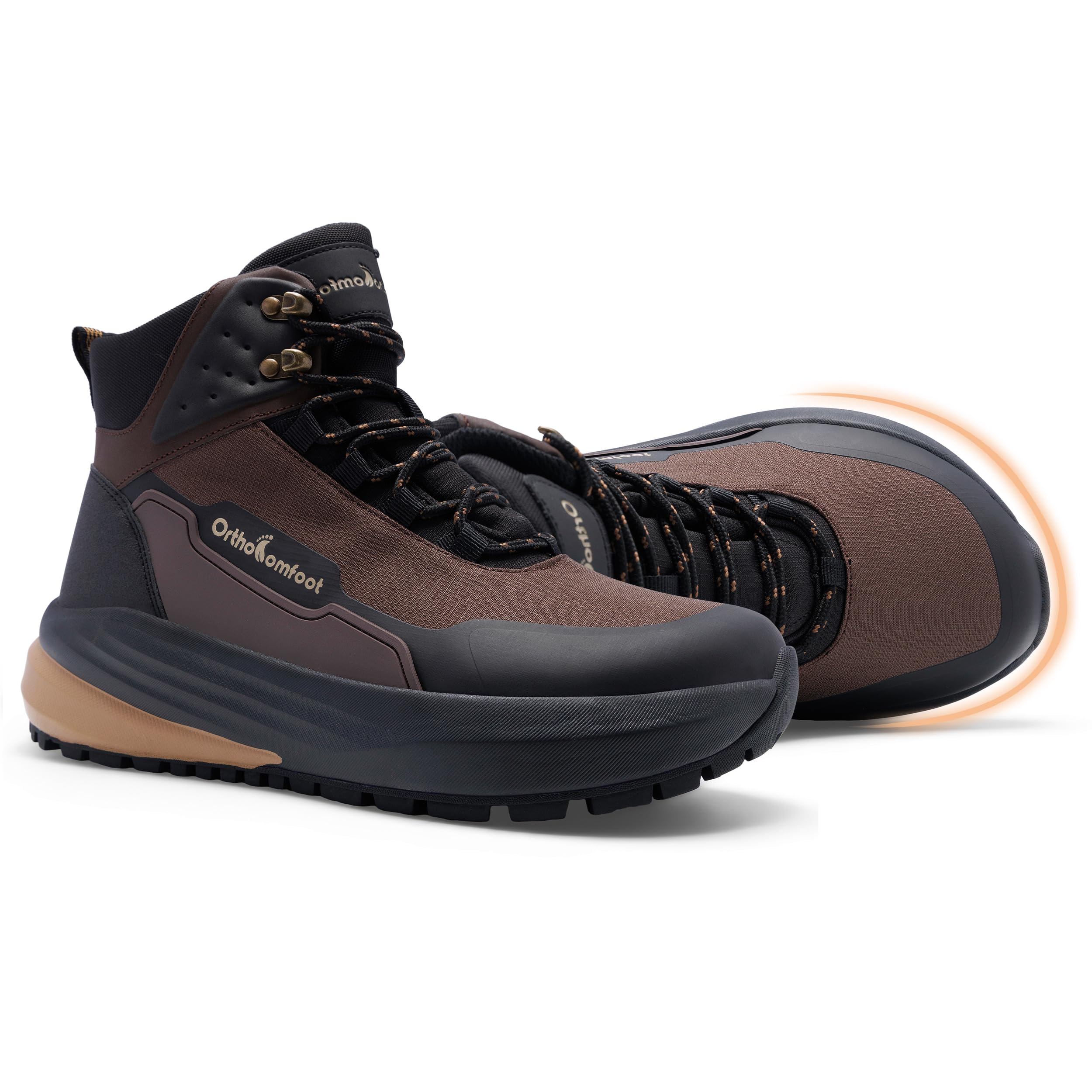


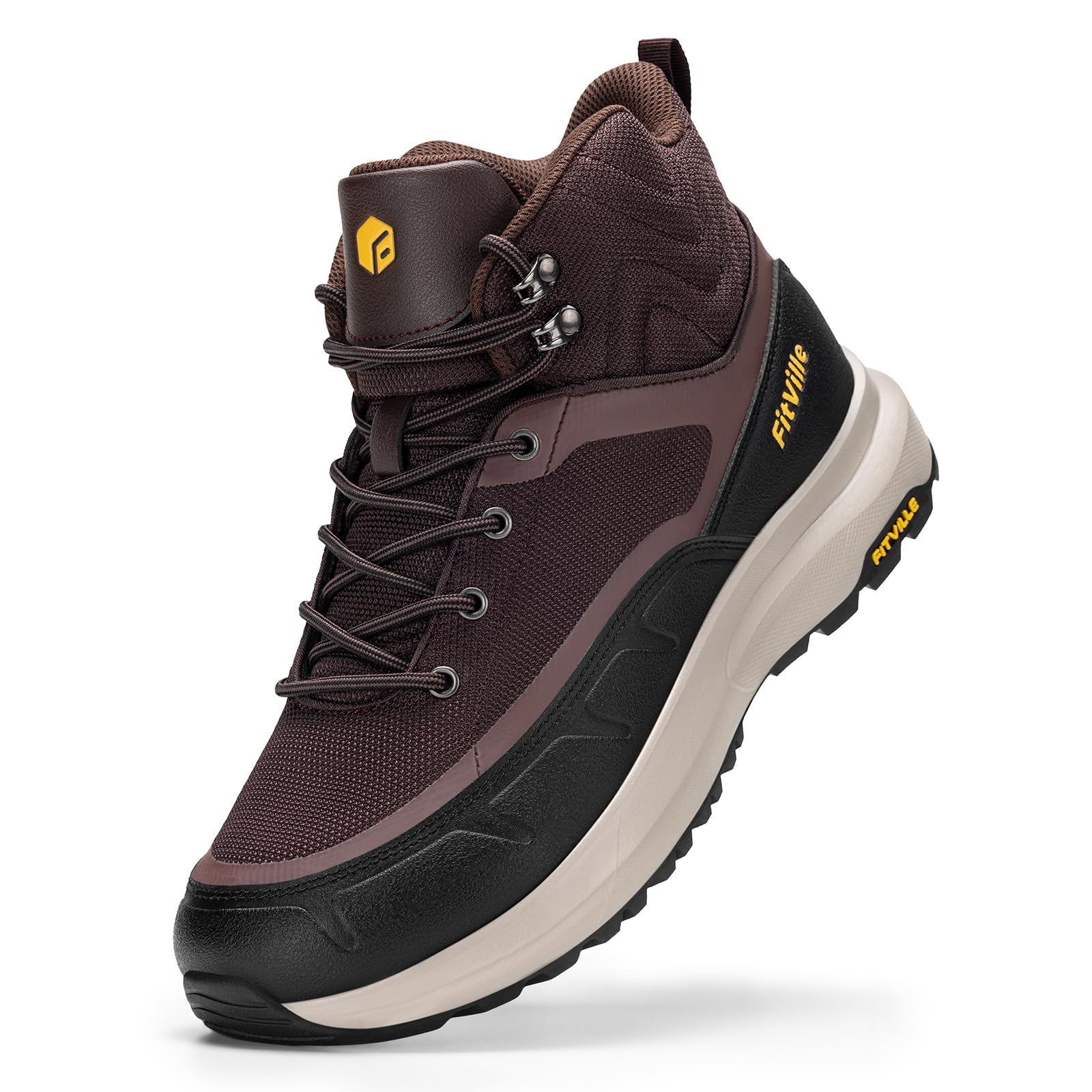
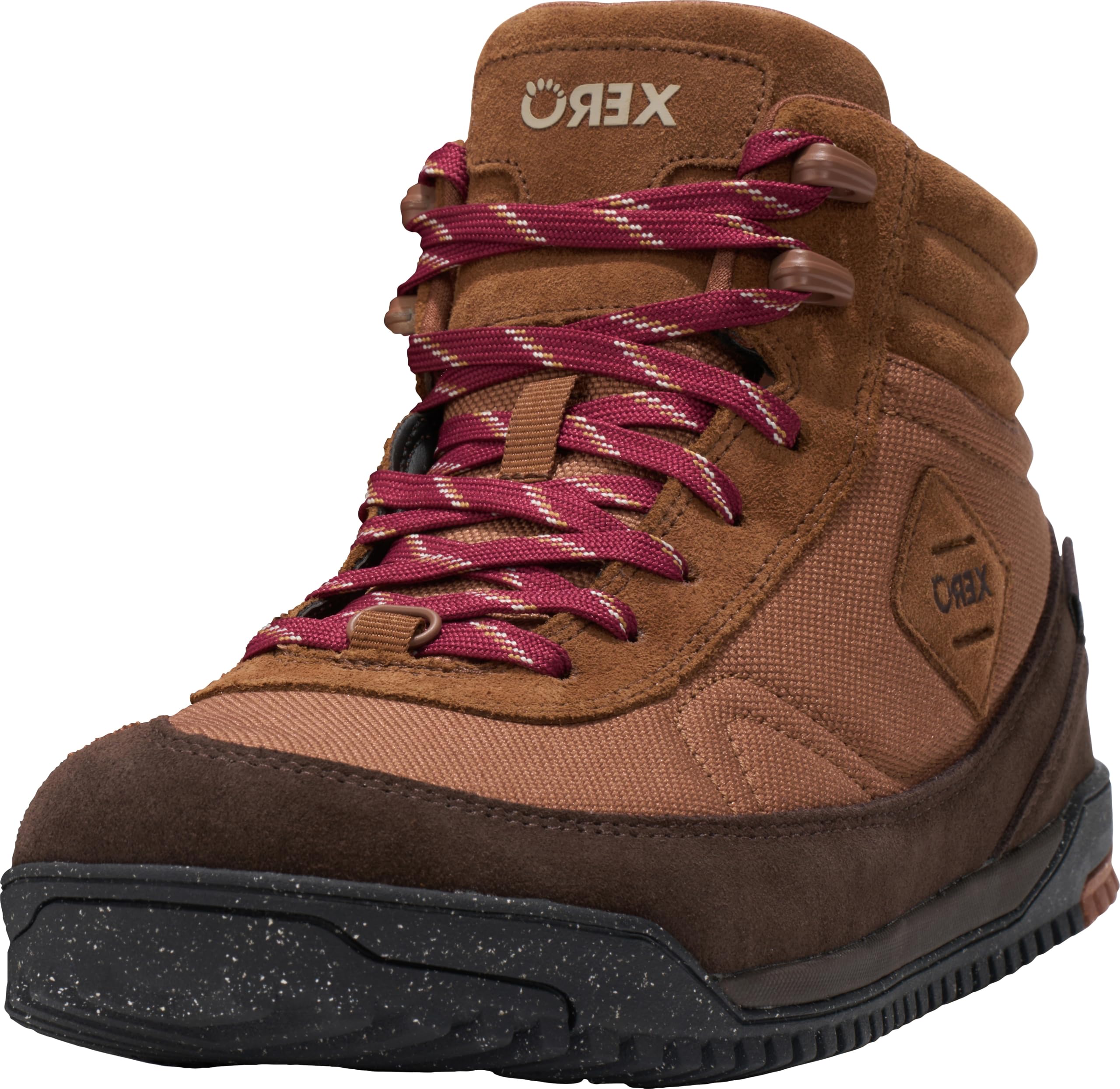
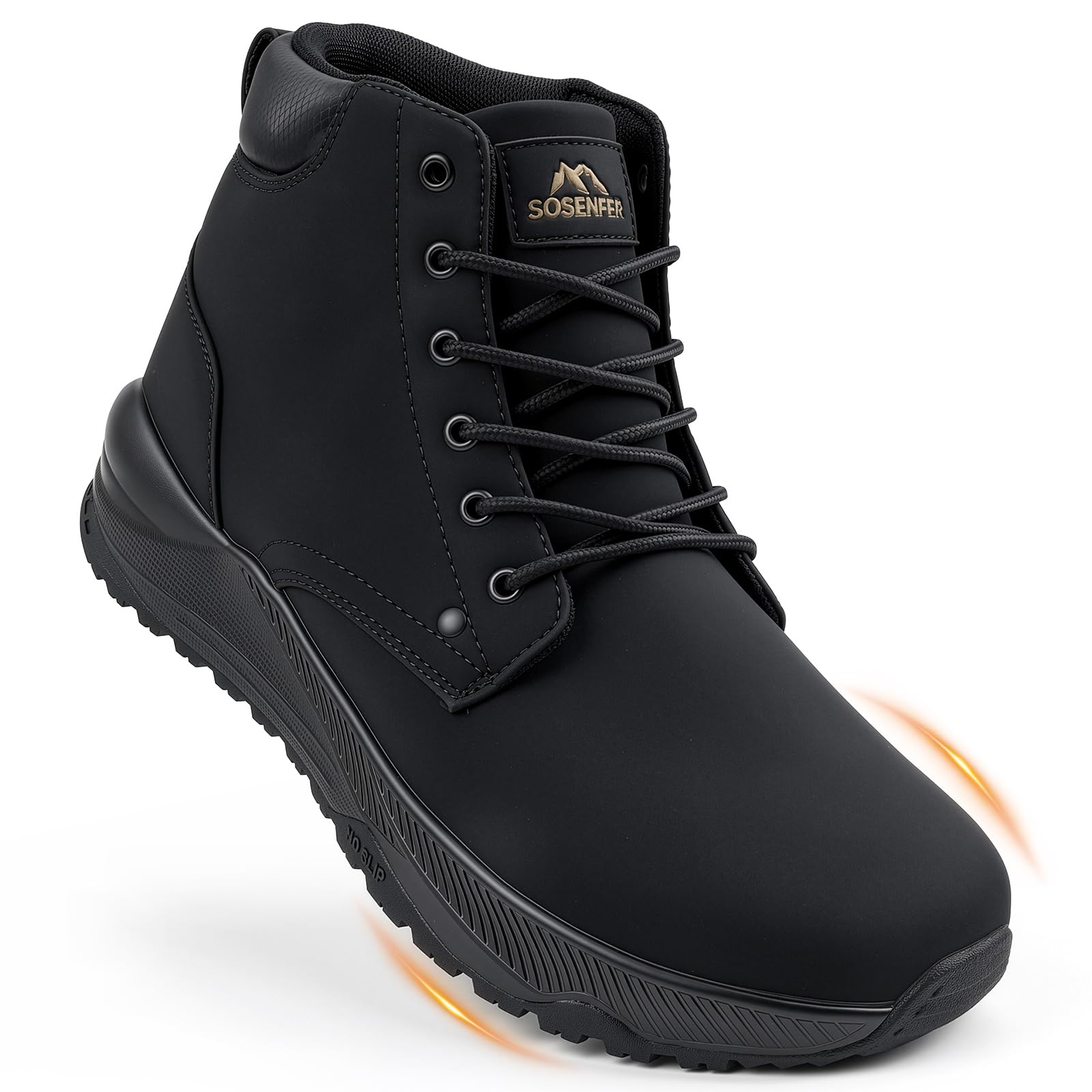

Boots 101: The Basics
A boot is footwear that rises above your ankle, and that extra height is the whole point. The taller upper supports your ankle on uneven ground and gives laces more room to spread pressure across your foot. Boots come in work, hiking, winter, and casual styles, but the construction logic is the same across all of them. What changes is the weight, the stiffness of the sole, and how much protection the upper provides.
Every boot is built around a last, which is the foot shaped form that decides its length, width, and internal volume. Two boots in the same marked size can feel completely different because their lasts differ. Width is shown with letters in US mens sizing. A D width is the standard fit most stores stock, 2E is a true wide fit, and 4E is extra wide for feet that need still more room. A wide boot adds space across the ball of the foot and through the toes, where wide feet actually need it, rather than simply adding length.
Your intended use should narrow the field before anything else. If deep cold and snow are your main concern, see our guide to the best winter boots for men with wide feet for the insulation and traction details that milder season boots may lack. If most of your miles are on flat pavement, see our guide to the best walking shoes for men with wide feet to judge whether you need a boot at all.
Key Specs Explained in Plain English
Product pages compress a lot of fit information into short spec lists, and the product table above uses the same terms. Once you know what each term controls, those lists tell you how a boot will feel by the end of a long day. The five areas below cover nearly every decision a first time buyer has to make.
What Men Should Look For
Start with honest measurements and a clear job for the boot. Mens wide feet often pair with a high instep, so look for generous volume over the top of the foot as well as width at the ball. Weight matters more than many beginners expect, because a heavy boot tires your feet and legs faster over a full day. Prefer models sold in true wide sizes rather than standard models that merely claim a roomy fit. Running is the one job boots do badly, so if training runs are your goal, see our guide to the best running shoes for wide feet men instead of forcing one pair to do everything.
Why a Wide Fit Matters
A wide fit matters because squeezing a wide foot into a standard boot changes how the whole foot works. Compressed toes cannot spread to balance you, and friction rises along the outer edge where blisters and calluses form. Over months, that pressure can aggravate bunions and leave your feet aching long after you take the boots off. A wide boot can feel slightly less precise on narrow trails, and the style selection is narrower than in standard widths. For a genuinely wide foot, the comfort gains are worth far more than that minor loss of snugness.
Fit, Sizing, and Toe Box
Measure both feet in the afternoon or evening, when they are at their largest after a day of standing and walking. Trace each foot on paper while standing, measure the widest point across the ball, and compare that number with the brand width chart, because charts differ between brands. In the boot, the toe box should let your toes lie flat and wiggle without pressing the sides, and you should have about a thumbs width of space in front of your longest toe. Your heel will lift a little in a new boot, but your forefoot should never feel pinched. If you fall between sizes, choose the larger size and adjust with sock thickness or an insole rather than accepting a squeeze.
Arch Support and Foot Type
Flat feet tend to roll inward as you walk, a motion called overpronation, and they usually feel best in boots with firm arch support and a stable heel that resists twisting. High arches roll outward and concentrate pressure on the heel and forefoot, so they benefit from more cushioning underfoot and a softer midsole. A simple way to read your arch is to wet your sole and step on dry cardboard. A full print suggests flat feet, while a print showing only the heel, forefoot, and a thin outer strip suggests high arches. If you have lasting foot pain, numbness, tingling, or sores that heal slowly, talk with a doctor or podiatrist about your personal needs before relying on any boot to fix the problem.
Upper Materials and Breathability
The upper is everything above the sole, and its material sets the balance between durability, weight, and airflow. Full grain leather is tough and molds gradually to your foot, but it breathes poorly and feels warm in summer. Mesh and knit uppers are light and breathable, and they often suit wide feet well because the fabric gives a little across the forefoot, though they wear faster and offer less protection. Many boots blend leather with fabric panels to split the difference. Waterproof boots use a membrane such as Gore Tex to block outside water, yet that same membrane traps some heat from your own feet. On hot days when even mesh feels warm, open footwear helps your feet recover, and our guide to the best sandals for wide feet men covers wide options for summer.
Rookie Mistakes to Avoid
Most first purchase regrets come from a handful of repeat errors rather than from bad boots. Watch for these before you order.
- Buying your shoe size in a standard width and hoping the boot stretches, which leaves your toes compressed no matter how soft the leather becomes.
- Sizing up in length to gain width, which puts the flex point in the wrong place and lets your foot slide forward on descents.
- Trying boots on in the morning with thin socks, which hides the squeeze you will feel by late afternoon in real work socks.
- Judging fit while sitting down, which misses how your foot spreads and lengthens once your full weight is on it.
- Ignoring the return policy on your first wide boot purchase, which turns a simple size swap into money lost when a brand runs narrow.
Getting Started: Setup and First Use
When your boots arrive, inspect the stitching, eyelets, and soles before you wear them outside. Put on the socks you actually plan to wear, usually a cushioned pair with some wool or synthetic content, because sock thickness changes the fit noticeably. Lace from the bottom with even tension, snug across the midfoot and firmer at the top hooks, so your heel stays seated without cutting off circulation to your toes. If your heel still slips, thread the last eyelet in a heel lock loop, which pulls the ankle collar in without tightening the whole boot.
Break the boots in gradually instead of debuting them on your longest day. Wear them around the house first, then on short walks of thirty minutes or so, and add distance over one to two weeks as the materials soften. Small hot spots are a signal to adjust lacing or socks that day, not a challenge to push through. After wet outings, loosen the laces, pull out the insoles, and air dry the boots away from direct heat such as radiators or fireplaces, because strong heat cracks leather and warps adhesives. Brush off dried mud, wipe leather with a damp cloth, and store the boots upright in a dry place.
Your feet also need rest days while they adapt to a stiffer boot. At home, giving tired feet soft indoor support helps them recover, and our guide to the best slippers for men with wide feet explains what to look for in a wide indoor option. Rotating between your new boots and a trusted older pair during the first weeks keeps any single pressure point from becoming a blister.
Boots: Your Questions Answered
What makes boots for men with wide feet different from standard boots?
Boots for men with wide feet differ mainly in the last, which adds width at the ball and volume through the toes rather than just extra length. One detail many buyers miss is that wide mens lasts usually add room over the instep too, so the laces sit flatter and spread pressure more evenly. The outsole is often slightly broader as well, giving your foot a wider base to stand on.
How often should you replace boots for men with wide feet?
You should replace boots for men with wide feet when the support and tread wear out, not on a fixed schedule. Watch for a midsole that feels flat and dead, tread lugs worn smooth at the heel or ball, and uppers that lean outward because the structure has given way. One option that extends life is choosing construction that can be resoled, since a fresh outsole on a sound upper can add seasons of use.
How should boots for men with wide feet fit when you first try them on?
Boots for men with wide feet should feel roomy across the toes and secure at the heel from the very first try on. Stand and shift your weight forward and back, because a good fit holds up when you move, not only when you stand still. Always judge the fit by your larger foot, since most people have one foot slightly bigger and the bigger one sets the size you need.
How long is the break in period for boots for men with wide feet?
The break in period for boots for men with wide feet usually runs from a few days to about two weeks of regular short wear. Fabric and mesh uppers often feel right almost immediately, while thick leather can take the full two weeks to mold around your forefoot. Carrying adhesive bandages or moleskin during the first week lets you protect a hot spot the moment it appears, before it turns into a blister. If a specific area still rubs after two weeks, that is a fit problem, not a break in problem.
Are expensive boots for men with wide feet worth the extra money?
Expensive boots for men with wide feet can be worth it when the higher price buys better materials and construction rather than styling. Think in cost per wear instead of the tag price, because a durable pair worn two hundred days a year is cheaper per day than a budget pair replaced twice. Longer warranty coverage is another real difference at higher prices, and it matters most if you wear boots daily for work. If you only need boots for occasional yard work, a modest pair that fits well beats a premium pair that pinches.
The Bottom Line
For a first purchase, three things decide almost everything: a true wide size built on a wide last, a toe box that lets your toes spread, and support that matches your arch. Measure your feet late in the day, check your numbers against the brand chart, and use the product table above to compare how the options you are weighing handle those basics. Get those three right and the best boots for men with wide feet stop being a guessing game.


