
Best Boots for Walking Around New York: Buying Guide for 2026
Disclosure: We may earn a commission when you buy through links on this page, at no extra cost to you. As an Amazon Associate I earn from qualifying purchases. Learn more

Compare boots for walking around new york by cushioning, grip, waterproofing and fit, with a city walking checklist to help you choose with confidence.
New York walking adds up fast. A simple day can mean miles of concrete, subway stairs and slick station floors. The best boots for walking around new york handle that mix without leaving your feet sore by midafternoon. This guide shows you what to compare in the comparison table below.
Start with your real itinerary. Count your likely daily miles, note the season and think about your time on trains, in museums and on uneven side streets. Those answers point you toward the right cushioning, grip and upper.


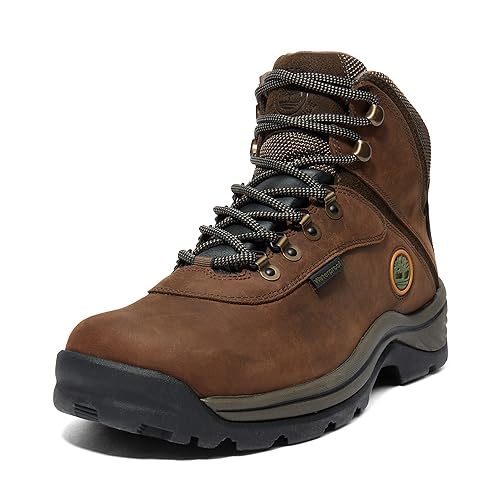


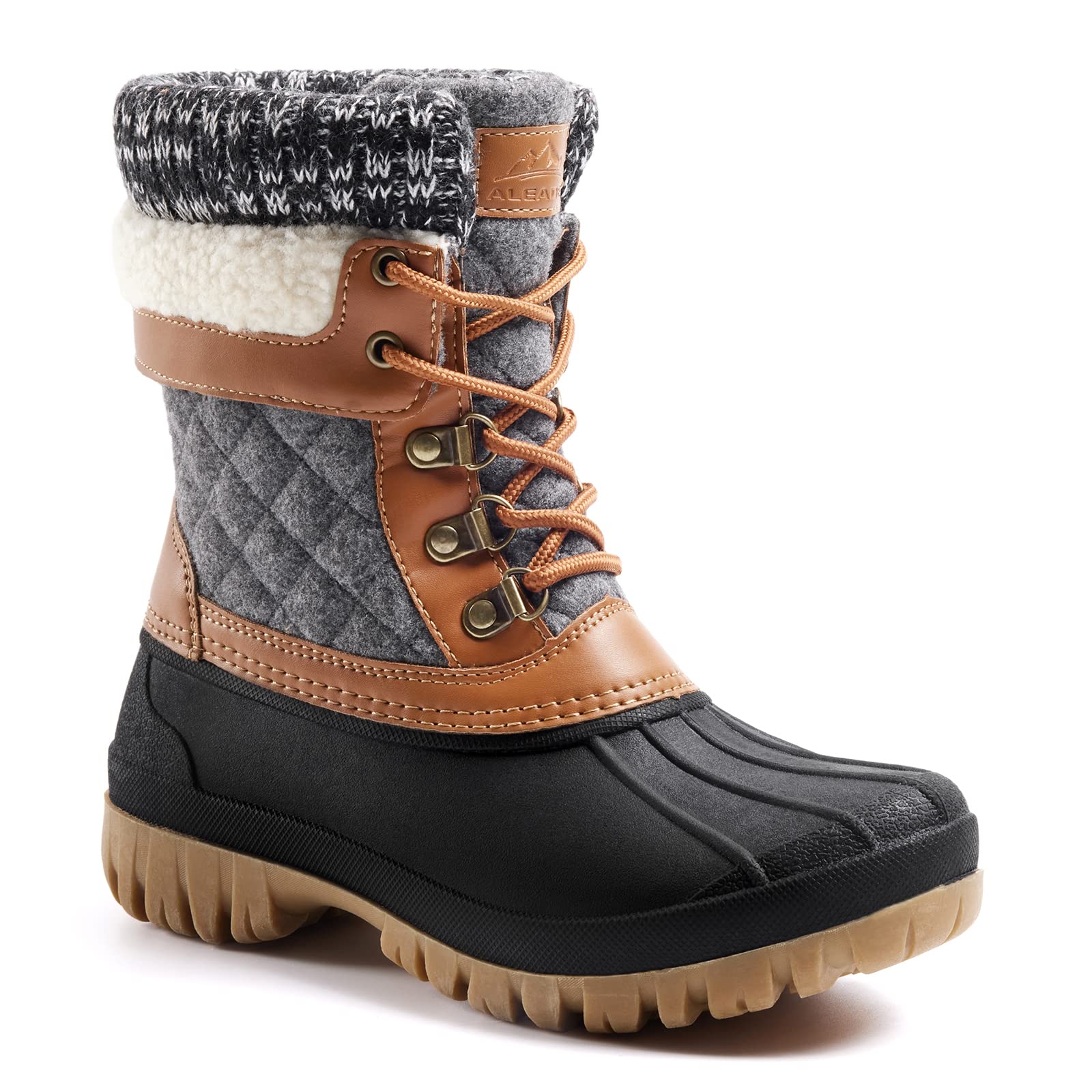
Who Should Buy Which Boots for New York Walking?
Match the boot to the day you will repeat most often. A commuter, a sightseeing visitor and a winter traveler load their feet in different ways.
Daily Commuters Who Mix Trains and Sidewalks
You walk to the station, stand on the platform, climb stairs and then cross town on foot. Choose a lightweight boot with firm cushioning and a sole that grips wet tile as well as dry pavement. If your route centers on transit days, see our guide to the best walking boots for new york for a narrower view of that pattern.
Sightseeing Visitors Covering Long Museum Days
You may cover eight to twelve miles in a day, much of it with long stops on hard floors. Slow walking still tires feet, because your weight stays on them for hours. Choose generous cushioning, a roomy toe box and a light build, since heavy pairs punish tired legs late in the day.
Winter and Rainy Season Walkers in New York
You face slush at curbs, puddles at crosswalks and salt on sidewalks. Choose a waterproof boot with deeper tread, a sealed tongue and room for thicker socks. For a season specific shortlist, see our guide to the best boots for new york winter before you settle on a pair.
Key Features to Compare
Compare these factors in the same order for every pair.
Cushioning and Heel to Toe Drop for Concrete Miles
Concrete returns almost every step to your joints, so cushioning is the first feature to judge. A moderate foam layer under the heel and forefoot softens that impact without feeling unstable on stairs. Heel to toe drop, the height difference between heel and toes, often sits around 8 to 12 mm. A higher drop can ease tight calves, while a lower drop suits walkers used to flat shoes. If you shop for the best boots for walking around new york, treat cushioning as a daily need.
Outsole Traction for Wet Grates, Stone and Slush
City grip is about varied surfaces in a single block. The same walk can cross polished station floors, metal grates, painted crosswalks and wet stone steps. Look for a rubber outsole with many small edges and lug depth around 3 to 5 mm, deep enough to bite on slush yet stable on flat floors. Smooth dress soles slide here, and tall hiking lugs feel clumsy on hard ground.
Sizing for Feet That Swell Over a Long City Day
Feet swell over a long city day, so fit your boots in the afternoon or evening, wearing the socks you plan to use. Leave about a thumb width of space in front of your longest toe, and check that the heel stays seated on stairs and ramps. The toe box should let your toes spread freely. Sizes vary between brands, so size to your longer foot.
Arch Support, Stability and Ankle Support
Arch support spreads load across the foot and helps if you have flat feet, high arches or a tendency to roll inward as you tire. A firm heel cup and a stable midsole matter more than a soft, collapsing insole. A mid height shaft adds ankle support on cobblestones. See a doctor or foot specialist if you notice sharp pain that lasts for weeks, numbness, swelling that does not ease overnight, or pain that changes how you walk, and talk with your clinician about personal needs.
Upper Materials, Breathability and Waterproofing
Leather uppers mold to the foot and resist scuffs from curbs and transit gates, while mesh and knit panels breathe better on warm days. Waterproof boots use a membrane such as Gore Tex to block rain and slush, and that protection costs some airflow. Choose a waterproof pair for cold or wet trips, and a breathable pair for summer. Sealed seams and a gusseted tongue keep puddle water out far better than a spray coating.
Light Weight and Durability Over Hundreds of Miles
Every extra ounce repeats thousands of times per day, so lighter boots reduce end of day fatigue for most walkers. Still, very light builds can wear thin soles faster on concrete. Expect a good city walking boot to serve for about 300 to 500 miles before the cushioning feels flat. Stitched soles tend to outlast thin glued designs. Everyday pairs often cost about $90 to $180, while waterproof winter models often cost about $140 to $250.
Types of City Walking Boots Compared
Each type below suits a different New York pattern, and readers who want a broader city view can also see our guide to the best boots for new york.
Cushioned Neutral Boots for Steady Daily Miles
Neutral boots place even cushioning under the whole foot without strong correction for rolling inward or outward. They suit walkers with neutral strides and no recurring pain pattern. This is the safest starting point for mixed sightseeing and errands, on pavement, station floors and park paths alike.
Lightweight Travel Boots for Packed Itineraries
Lightweight boots trim the shaft, padding and sole to cut fatigue and pack space. They suit visitors who fly in with one bag and walk all day at a relaxed pace. The trade off is thinner protection and a shorter working life. Travelers planning a similar trip overseas can see our guide to the best boots for walking around europe for the same logic in older city centers.
Structured Support Boots for Tired or Sensitive Feet
Support boots add a firmer midsole, a shaped insole and a secure heel cup to guide the foot when muscles tire late in the day. They suit walkers with flat feet or high arches. They weigh more than travel boots, so test them on a long indoor walk before a full itinerary.
Waterproof Boots for Wet and Cold New York Days
Waterproof boots pair a membrane with sealed seams and a taller shaft to keep slush and puddle splash off your socks. They suit late fall, winter and rainy spring visits. In warm weather they run hot, so many regular visitors keep this type as a second pair.
Common Mistakes to Avoid
- Buying boots the night before a trip leaves no break in time, so stiff spots turn into blisters on day one.
- Choosing a sleek smooth sole for style makes wet station floors and metal grates far more slippery than dry pavement.
- Sizing boots in the morning with thin socks leaves no room once your feet swell by evening.
- Wearing heavy hiking boots for flat city miles adds needless weight and stiffness to every block.
- Assuming waterproof means warm leads to cold feet, since a membrane blocks water but adds little insulation.
Care and Maintenance for City Walking Boots
Brush off grit and road salt after wet or winter walks, then air dry your boots at room temperature away from radiators and direct heat. Salt left on leather dries it out and can crack the surface over a season. Loosen the laces and pull the insoles out so moisture escapes from inside.
Rotate two pairs if you walk daily, giving each pair a day to dry and for the foam to recover. Condition leather uppers when they look dry. Check tread and heel wear every few months, and retire a pair once the sole feels smooth on wet stone or the cushioning stays flat after rest.
FAQ
What features matter most in boots for a full day of walking in New York?
Cushioning, grip and end of day fit matter most for a full New York day. Carry a small blister kit in your day bag, because treating a hot spot at noon is far easier than limping through an evening walk.
Can I wear boots for walking around New York from morning to night?
Yes, you can wear well fitted walking boots from morning to night. Build up to it over several days at home first, increasing your distance gradually. On the day itself, sit for real breaks rather than only pausing while standing in lines. Feet that feel fine at hour two can still protest at hour nine without those pauses.
How long is the break in period for new city walking boots?
Most city walking boots need about one to two weeks of shorter walks before a full sightseeing day. Soft uppers may feel ready in a few outings, while stiff leather can take longer. A useful test is a two hour walk with stairs, finished with no hot spots. Wear the exact socks you will travel with during this period, since changing them changes the fit.
Do I need waterproof boots for walking around New York in winter?
For winter, yes, waterproof boots are the safer default for most visitors. Snow often melts into deep slush at crosswalks within hours, and dry looking pavement can hide icy patches near curbs. Pair the boots with wool socks and leave room for them in the fit.
How should boots for walking around New York fit at the end of the day?
Boots for New York walking should feel snug at the heel and midfoot, with clear space and width at the toes, at the end of the day. Test this in the shop on a slope board if one is available, since toes that jam forward on descents will ache on subway ramps. Your toes should never press the front.
Final Thoughts
Put cushioning for concrete, grip on wet surfaces and an end of day fit at the top of your list, then choose waterproofing for your season. Use the product table above to compare weight, shaft height and price.
When you judge best boots for walking around new york by your own itinerary instead of by looks alone, one pair usually stands out. Buy it early and break it in at home.


