
Best Boots for New York: A Buyer Checklist for 2026
Disclosure: We may earn a commission when you buy through links on this page, at no extra cost to you. As an Amazon Associate I earn from qualifying purchases. Learn more

Run this buyer checklist for the best boots for new york: walking fit, slush and salt care, honest grip, price bands, red flags, and boot care.
A city boot is bought for walking. Station stairs, long blocks and standing waits add up to miles you never planned, so fit over distance is the first test. This checklist scores the best boots for new york by the facts that decide those miles, so you can judge any pair in minutes. The comparison table below lines the main boot types up side by side.
Score each pair on the same short list: fit over distance, slush and salt behavior, grip read honestly, weight, and the care the upper demands. A pair that passes on your own streets is worth more than a famous label that fails your commute. Work through the criteria in order and let the weak pairs drop out early.


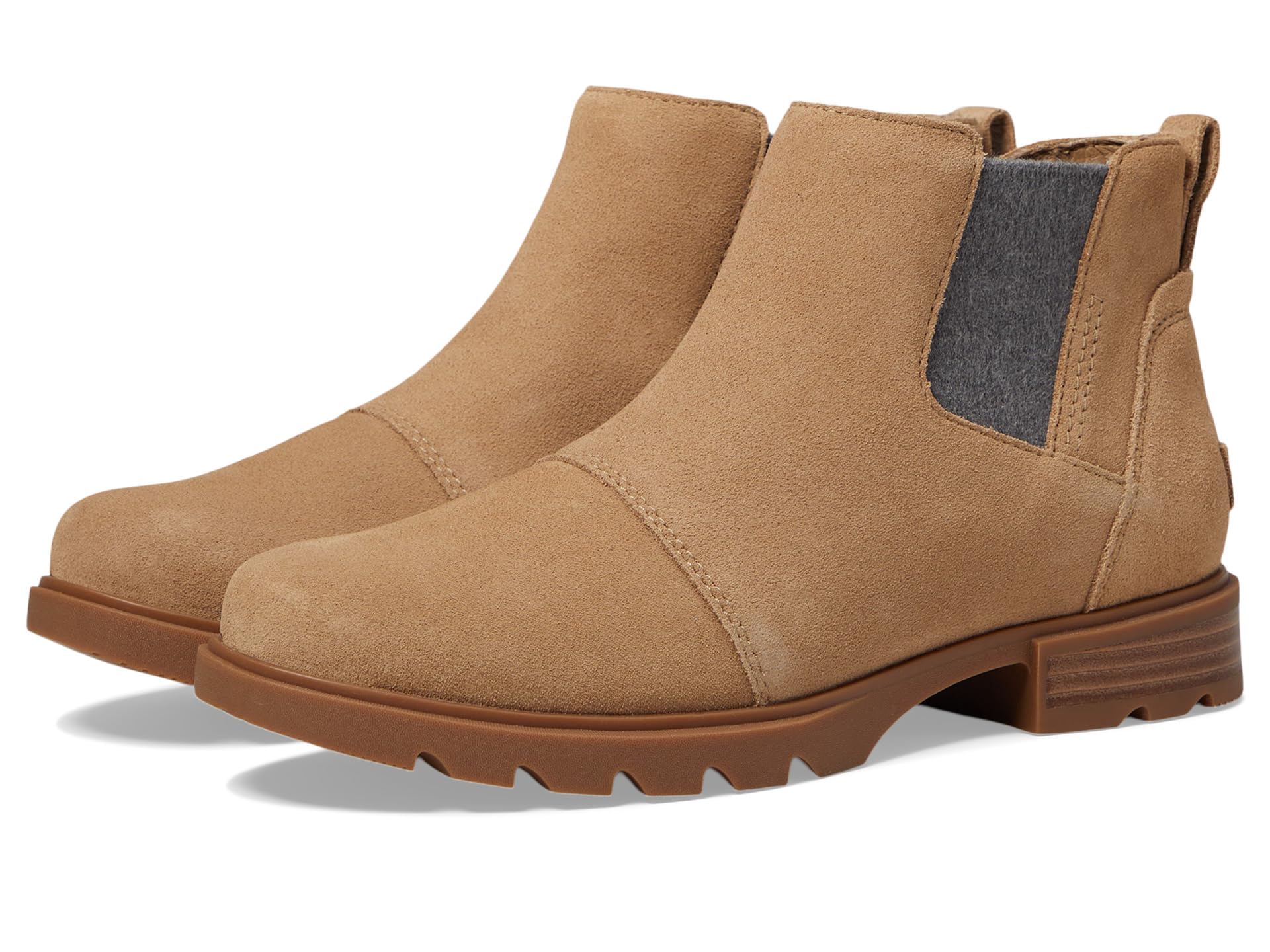

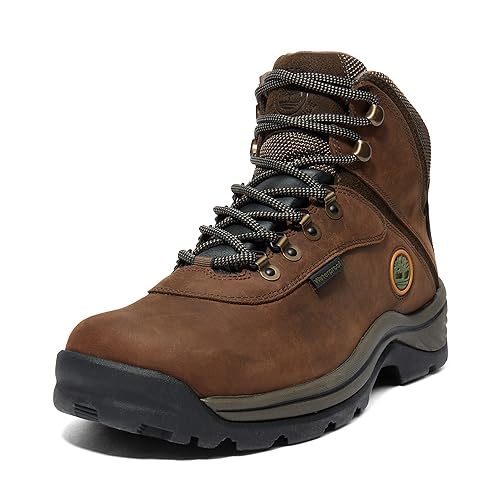

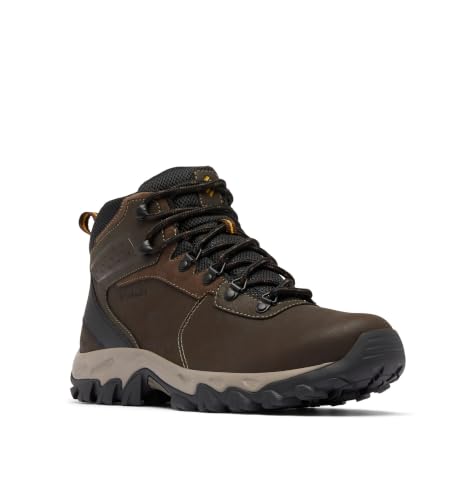

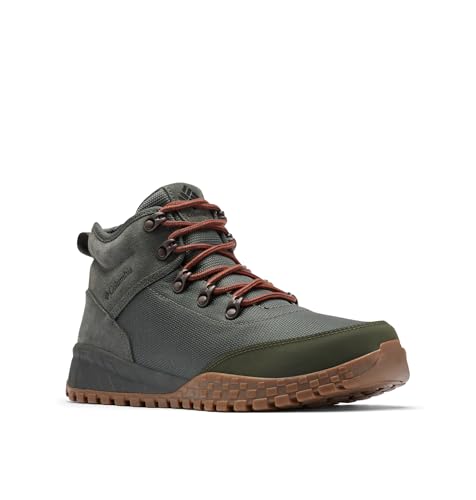

A Buyer Checklist: Criteria That Matter
Features That Matter for New York
Slush and salt classes are the city winter classes. Melt water pools deep at curbs, and a waterproof membrane only protects up to its lining height, so a low boot can still take on water over the top in one bad puddle. Salt is a care class of its own, because it crusts leather, dries it out, and stains fabric. Readers who want the deeper winter cut can compare best boots for new york winter, and for the deepest snow days, best snow boots for new york city covers the dedicated snow class, which trades street style for height and insulation.
Fit, Sizing, and Toe Box
Try boots on late in the day, wearing the socks you commute in, and walk a hard floor for several minutes before judging. Toes need room to spread on long blocks and to shift forward on station ramps without striking the front. Fit runs by last class as well, so the winter guides to best women's boots for new york winter and best men's boots for new york winter separate the calf room and width facts worth checking. A pair that only feels right standing still has not passed the test yet.
Grip on Ice and Wet Pavement
No boot class promises no fall on ice, and any listing that hints otherwise should be read with suspicion. Tread classes are read honestly instead: soft rubber compounds with many small edges grip wet stone and smooth platform floors better than hard, polished soles. On true ice, treat every sole as a partial answer and let your pace do the rest of the work. Check that the tread pattern runs across the heel as well, since the heel strike is where most slips begin.
Break In Period and Comfort Out of the Box
Stiff leather classes may need a week of short walks before the flex point softens, while fabric and cushioned classes usually feel right on day one. Plan the break in before a trip or a schedule change, not during it. Pressure at the ankle bone or a crease biting the top of the foot rarely improves with time, so treat those as fit failures, not break in stages. Comfort out of the box matters most for travelers who walk far on arrival day.
Durability and Expected Lifespan
City miles are hard miles: concrete grinds soles, salt attacks stitching, and crowded cars scuff uppers daily. Stitched sole classes outlast glued ones and can often be resoled, which stretches the value across more winters. Expect a daily pair to show its age in the heel and sole first, usually after a few heavy seasons. A boot that survives on looks while its tread smooths out has quietly failed the grip test above.
Weight and Flexibility
Every ounce rides your legs for thousands of steps, so weight is a comfort fact, not a spec sheet detail. Heavy insulated classes earn their bulk on the coldest days and punish you on mild ones. If your days lean toward pure mileage, the walking first view in best walking boots for new york ranks pace and cushion ahead of storm features. Flexible soles suit long pavement days, while stiffer soles help when you carry loads or stand for hours.
Cushioning and Support
Pavement returns every step to your joints, so midsole cushioning decides how your knees feel by evening. Standing waits ask for a different trait: steady support that keeps your arch from tiring while you barely move. Removable insoles let you tune both, swapping the stock insert for a support class that fits your foot. Judge the pair after a full day in them, because foam that feels plush at nine in the morning can feel flat by six.
What the Price Bands Buy
Entry pairs at about $80 to $140 cover dry and mild weather city use, with simpler soles and membranes that give up sooner in slush. The middle band, about $140 to $220, is the checklist sweet spot for most commuters, bringing taller membranes, softer grip compounds, and sturdier stitching. Premium pairs at about $220 to $350 add resoleable construction, richer leather, and insulation classes for the coldest weeks. Match the band to your worst regular week of walking, not to the single worst storm of the year.
Quick Buyer Checklist
- Does the toe box still fit with your thicker winter socks on?
- Does the membrane height clear the slush depth on your usual route?
- Does the tread use a soft compound with edges across the heel?
- Can you walk a full station transfer in them with no hot spot forming?
- Is the upper a class you will actually rinse and condition after salt days?
- Does the seller allow returns after an indoor trial walk?
Red Flags to Watch For
- Grip claims that promise you cannot slip: no sole class can keep that promise on ice.
- Fashion soles with a smooth, hard heel: they skate on wet stone and platform floors.
- Waterproof claims with no membrane height stated: low boots flood over the top in curb puddles.
- Stitching that runs through the splash zone with no sealing: salt water finds those holes first.
- No return window at all: a walking boot you cannot test indoors is a gamble, not a purchase.
How to Make Your Boots Last Longer
Rotate two pairs if you walk daily, because foam and leather both recover shape during a rest day. Dry wet boots at room temperature away from radiators, since forced heat cracks leather and weakens sole glue. Keep a brush by the door for dried salt, and resole stitched pairs when the tread thins rather than replacing the whole boot. Small habits like these stretch a good pair across many more city winters.
Frequently Asked Questions
What features matter most in boots for New York winters?
Membrane height, salt tolerant uppers, and a soft grip compound matter most, because slush depth and treated sidewalks define the season. Warmth helps, but most city walkers overheat in heavy insulation during station waits. One feature buyers overlook is the closure: zips and laces you can work with gloves on save cold fingers every single day. Judge winter pairs by your coldest regular week, not by the extreme storm.
Do boots for New York need to be waterproof?
Boots for New York need real water protection for slush season, and a membrane class is the honest way to get it. Treated leather alone sheds light rain but soaks through in standing melt water. Coated and rubber classes handle the deepest puddles, though they breathe less on long walks. If your route crosses curb lakes daily, choose protection height first and style second.
How should city boots fit for long walks?
City boots should fit snug at the heel, roomy at the toes, and calm at the ankle after several minutes of walking. Try on both feet, since one is often slightly larger, and size for the larger one. Socks change the answer, so test in the pair you actually commute in. A fit that passes a full indoor lap usually passes the street as well.
How long is the break in period for city boots?
The break in period for city boots runs from a single day for cushioned fabric classes to about two weeks of short walks for stiff leather. The flex point across the toes softens first, then the ankle area gives. Pain that sharpens instead of fading is a fit problem, not a stage to push through. Schedule the break in before a heavy walking week whenever you can.
Are expensive city boots worth the money?
Expensive city boots are worth it when you walk daily, because resoleable construction spreads the price across many seasons. A premium pair resoled once can cost less per winter than two cheap pairs replaced back to back. Occasional visitors and light walkers rarely recover the difference. Do the cost per season math for your own mileage before dismissing the higher band.
The Bottom Line
Score fit over distance first, then slush behavior, then grip read without promises. A pair that passes those three tests will serve most city days you own it. Chosen by checklist rather than by label, best boots for new york become a simple match between your routes and a boot class. Check the product table above once more before you decide.


