
Best Boots for New York Winter: A City Buying Guide for 2026
Disclosure: We may earn a commission when you buy through links on this page, at no extra cost to you. As an Amazon Associate I earn from qualifying purchases. Learn more

Compare winter boots for city life in New York: waterproofing, insulation, traction, fit, and care, so you can choose a pair that suits daily commuting.
Winter in New York asks a lot from footwear. One morning can bring slush on the sidewalk, a wet subway platform, salted steps, and a long walk to work, so choosing best boots for new york winter means thinking about city conditions rather than mountain trails. This guide explains the features that matter most for daily city use, so you can compare options with confidence.
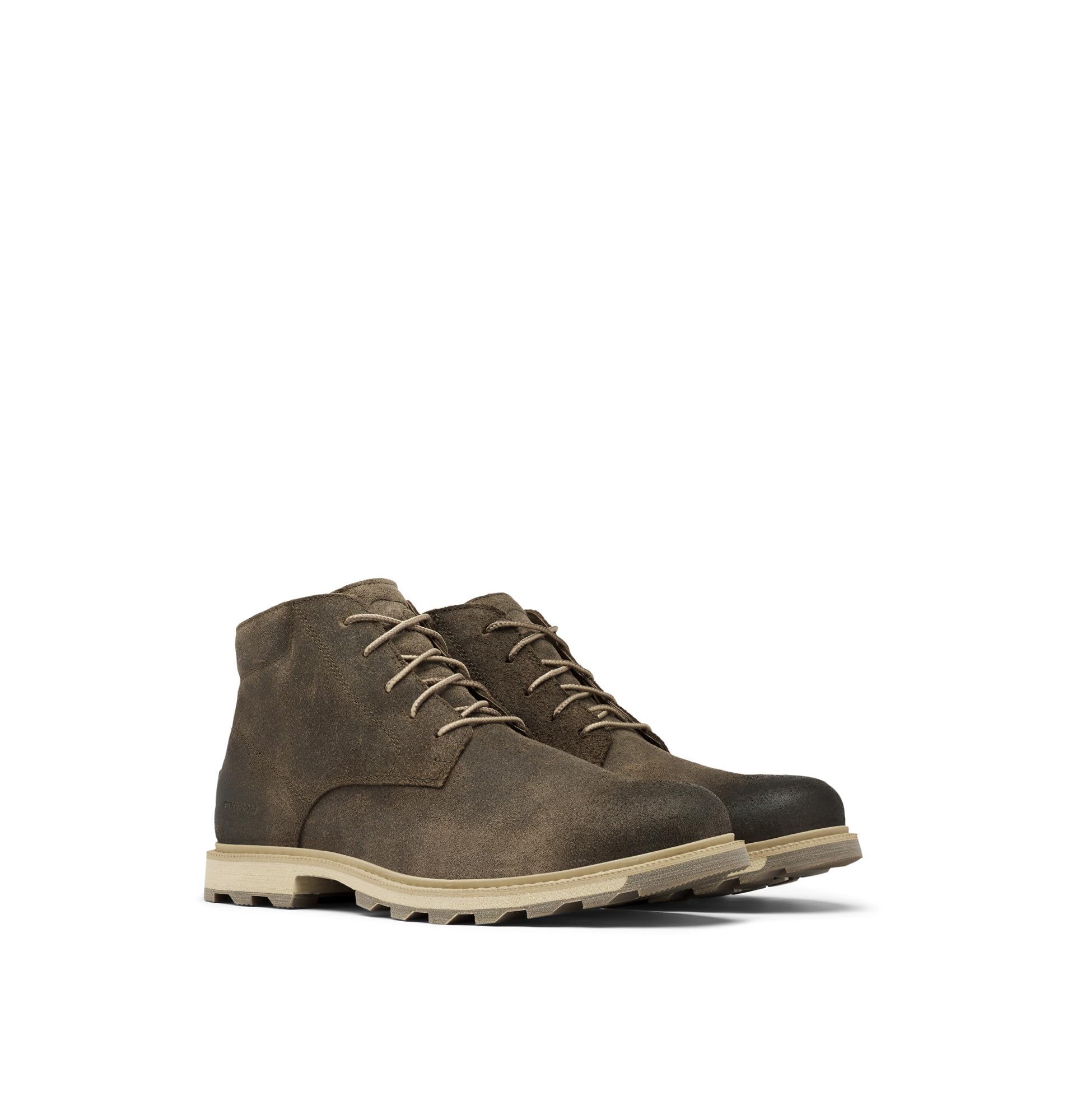
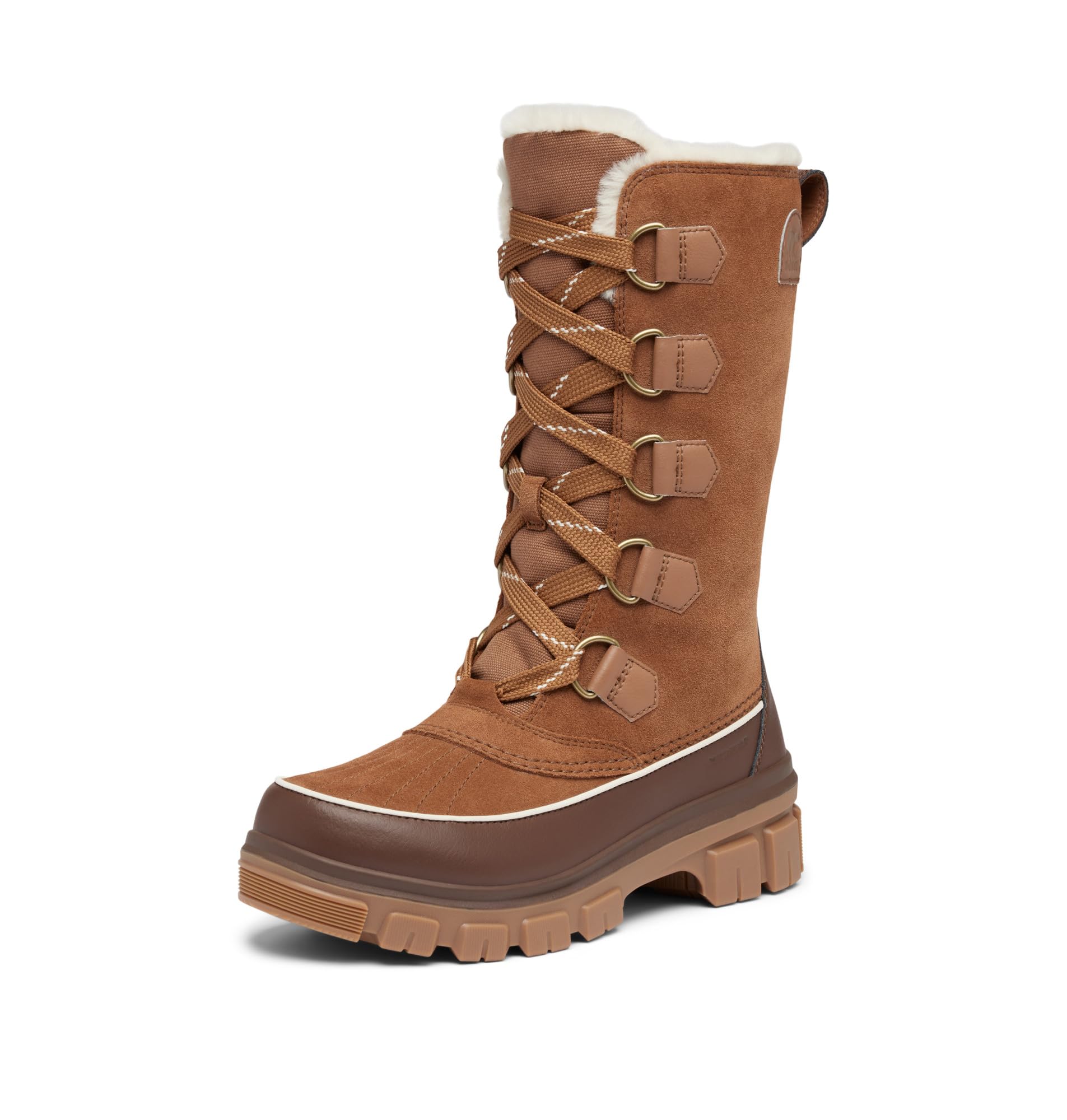
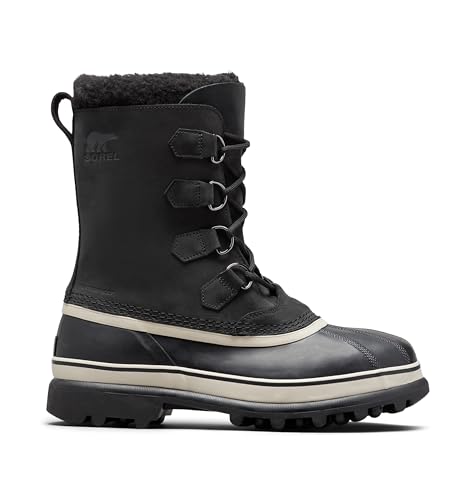
The right pair should keep your feet dry, steady, and comfortable through a full day out. Use the comparison table below to compare types and features side by side, then read the sections that follow to match a boot to your commute, your workplace, and your budget.




What Different Spending Bands Buy You
Lower priced city boots usually cover the basics: a water resistant upper, a rubber outsole, and simple insulation. They can work well for short walks and occasional snow, but they may soak through in deep slush and wear faster on rough pavement. Check the sole grip, the seam sealing, and the closure before you judge a low price as good value.
Midrange boots often add a waterproof membrane, better cushioning, and a more durable outsole. These are a sensible choice for people who walk to transit every day, stand outside waiting for a train, or cross unplowed side streets. The extra cost usually buys steadier traction and a lining that stays comfortable for longer.
Higher priced boots tend to focus on stronger waterproofing, warmer insulation, and tougher materials. They suit long outdoor shifts, frequent travel on foot, and winters with repeated freeze and thaw cycles. Even at this level, fit matters more than price, so a well fitting midrange pair can beat an expensive pair that pinches or slips.
How to Choose Boots for a New York Winter
Features That Matter for New York Winter
City winter brings a mix of wet snow, road salt, ice patches, and dry indoor heat. Look for sealed seams, a waterproof membrane, and an outsole with deep lugs that can grip wet pavement. Insulation should match how long you stay outside, not just how cold the forecast looks, because a short walk to the subway needs less warmth than an hour outdoors.
Weight matters too. A heavy boot can feel tiring by the end of a day that includes stairs, crowded platforms, and long blocks. A lighter boot with good ankle support often works better for commuting than a very bulky boot built for deep snow. Balance warmth, weight, and grip, and test how the boot feels after walking, not only while standing still.
Fit, Sizing, and Toe Box
Measure your feet in the afternoon, when feet tend to be slightly larger, and wear the socks you plan to use in winter. A roomy toe box lets your toes spread and wiggle, which helps circulation and comfort on long walks. Your heel should stay in place without lifting, and the widest part of your foot should sit comfortably over the widest part of the boot.
If you are between sizes, consider how thick your winter socks are and whether you use an insole. A boot that feels snug with thin socks may feel tight with thick socks, while a boot that feels loose with thin socks may need a thicker sock or a different width. Walk indoors on a clean floor before wearing a new pair outside, so you can judge fit without scuffing the soles.
Durability and Expected Lifespan
City use wears boots in specific ways. Pavement grinds down outsoles, salt can stain and stiffen leather, and repeated wetting and drying can weaken stitching. Look for a sturdy outsole, reinforced toe and heel areas, and materials that can be cleaned and conditioned. A boot that can be resoled or repaired may last longer than a boot with a glued sole that cannot be fixed.
How long a pair lasts depends on mileage, weight carried, and care. Daily commuters who walk several miles may see outsole wear within one or two winters, while occasional wearers may get several seasons. Check the outsole depth, the condition of the seams, and the lining each season, and replace a pair when grip fades or water starts to seep in.
Waterproofing and Membranes
Water resistant boots can handle light rain and brief snow, but they are not the same as waterproof boots. A waterproof membrane sits inside the boot and blocks water while still allowing some air movement. Sealed seams matter just as much, because water can enter through stitching even when the upper material itself resists moisture.
There is a trade off with breathability. A fully waterproof boot may feel warmer and less airy indoors, which can lead to damp socks on a long commute. If you spend most of the day inside, a moderately waterproof boot with good ventilation may feel better. If you walk through slush every day, full waterproofing is usually worth the trade off.
Arch Support and Foot Type
People with flat feet often need firmer arch support and a stable heel counter to keep the foot from rolling inward. People with high arches may prefer more cushioning under the midfoot and a flexible forefoot. Neither foot type needs a medical device from a boot, but the right shape can make a long day on your feet far more comfortable.
Removable insoles are useful because they let you swap in a support insole that matches your foot. Try the boot with your usual insole before you decide, and walk on a hard floor to check for pressure points. If pain persists, worsens, or changes how you walk, talk with a clinician about your feet rather than trying to fix the problem with a new boot alone.
Cushioning and Support
Cushioning absorbs impact on hard sidewalks, while support keeps the foot aligned as you walk. A soft boot without structure can feel comfortable at first and tiring later, while a very stiff boot can feel harsh on the first few walks. Look for a balance: a cushioned midsole, a stable heel, and a forefoot that bends where your foot naturally bends.
Heel to toe drop, the height difference between heel and forefoot, affects how your stride feels. A lower drop often feels closer to the ground, while a higher drop can feel more cushioned under the heel. There is no single right number for city walking, so compare how each option feels on stairs and on long blocks, and choose the feel you can sustain all day.
Types of Boots for City Winter
Waterproof City Boots
Waterproof city boots are built for wet streets, slush, and rain. They usually have a sealed membrane, a rubber outsole, and a shaft high enough to keep splashes out. They suit commuters who walk to transit in all weather and want one pair that handles most winter days.
Insulated Winter Boots
Insulated boots add a warm lining for cold mornings and long waits outdoors. They are a good choice if you stand outside often or walk long distances in freezing weather. The trade off is bulk, so check that the boot still fits well with winter socks and does not feel clumsy on stairs.
Lightweight Commuter Boots
Lightweight boots focus on easy walking, packability, and all day comfort. They may use thinner insulation and a more flexible sole, which suits shorter commutes and indoor workdays. They are less suited to deep snow or long exposure to cold, so keep a warmer pair for the worst days if your commute is long.
Supportive Everyday Boots
Supportive everyday boots sit between a work boot and a walking shoe. They offer a stable heel, firm arch support, and a durable outsole without the weight of a heavy winter boot. They suit people who walk a lot on pavement and want steady support from morning to evening.
For a closer look at options shaped for different feet, see our guide to best women's boots for new york winter and our guide to best men's boots for new york winter. If your winter plans extend beyond the city, our guide to best boots for new york covers broader conditions, and our guide to best winter shoes for new york city compares lighter footwear for milder days.
Care and Maintenance Tips
- Brush off salt and dirt after each wear, because salt can dry out leather and stain fabric if left in place.
- Air dry wet boots away from direct heat, and stuff them with paper to help them hold their shape while drying.
- Rotate two pairs for daily wear when you can, so each pair has time to dry fully between uses.
- Lace boots snugly but not tightly, and relace after the first few minutes of walking to prevent heel slip.
- Clean and condition leather regularly, and reproof fabric uppers when water stops beading on the surface.
- Check outsoles and seams each month in winter, and replace a pair when traction fades or leaks appear.
Frequently Asked Questions
What features matter most in boots for New York winter?
Waterproofing, traction, and fit matter most for city winter. Sealed seams and a waterproof membrane keep slush out, while a lugged rubber outsole grips wet pavement and icy patches. Insulation should match your time outdoors, and a roomy toe box with a stable heel keeps long walks comfortable. A boot that fits well and grips reliably will serve a commuter better than a warmer boot that slips or pinches, so test fit and grip before judging warmth alone.
How long is the break in period for winter boots?
Most city winter boots feel comfortable within a few short walks, although stiff leather pairs can take a week or two of regular wear. Start with short trips around your neighborhood, and wear the socks you plan to use in winter. If sharp pressure, numbness, or blisters appear in the same spot every time, the fit is likely wrong rather than unbroken. A good pair should improve with wear, not require you to endure pain while waiting for it to soften.
Are expensive boots worth it for city winter?
Higher prices often buy better waterproofing, stronger outsoles, and more durable materials, which can matter for daily commuters. For occasional wear, a well chosen midrange pair can perform just as well and leave money for good socks and care products. Judge value by how often you walk in slush, how long you stay outside, and how many winters you expect the pair to last. A boot that fits poorly is poor value at any price, so fit should come before price tier.
Do I need waterproof boots for New York winter?
Most daily commuters benefit from waterproof boots, because slush, puddles, and melting snow are common from December through March. Water resistant boots can work for short walks in light snow, but they may soak through on wet days with deep slush. If you drive to work and spend little time outside, a water resistant pair may be enough. If you walk to transit every day, waterproofing is one of the most useful features you can choose.
How should winter boots fit with thick socks?
Winter boots should fit snugly around the heel and midfoot while leaving room for your toes to wiggle in thick socks. Measure your feet in the afternoon, try the boots with your winter socks, and walk on a hard floor to check for heel lift. Your toes should not press against the front when you walk downhill or down stairs. If a pair only fits with thin socks, size up or choose a wider width rather than planning to wear thinner socks in cold weather.
Final Thoughts
Start with fit, then check waterproofing, traction, and insulation for your commute. A boot that handles slush, grips icy pavement, and stays comfortable through a full day will serve you better than a boot chosen on warmth alone. Compare the options in the product table above, weigh how much time you spend outside, and choose the pair that fits your daily route. With the right fit and care, best boots for new york winter can carry you through the season in comfort.


