
Best Boots for Sub Zero Weather in 2026: Which Type Is Right for You?
Disclosure: We may earn a commission when you buy through links on this page, at no extra cost to you. As an Amazon Associate I earn from qualifying purchases. Learn more

Compare boots for sub zero weather by insulation, traction and fit across types, plus price ranges and a clear sizing checklist for the coldest days.
Sub zero cold punishes small mistakes. A boot that feels warm on a short walk can leave your toes numb after an hour on frozen ground. The best boots for sub zero weather match insulation, traction and fit to how active you will be, and the comparison table below helps you compare types.
Start with your coldest real day, not your average day. Think about how long you stay outside, whether you move or stand still, and whether snow is dry, wet or packed into ice. Those answers point you to the right type, liner and sole.

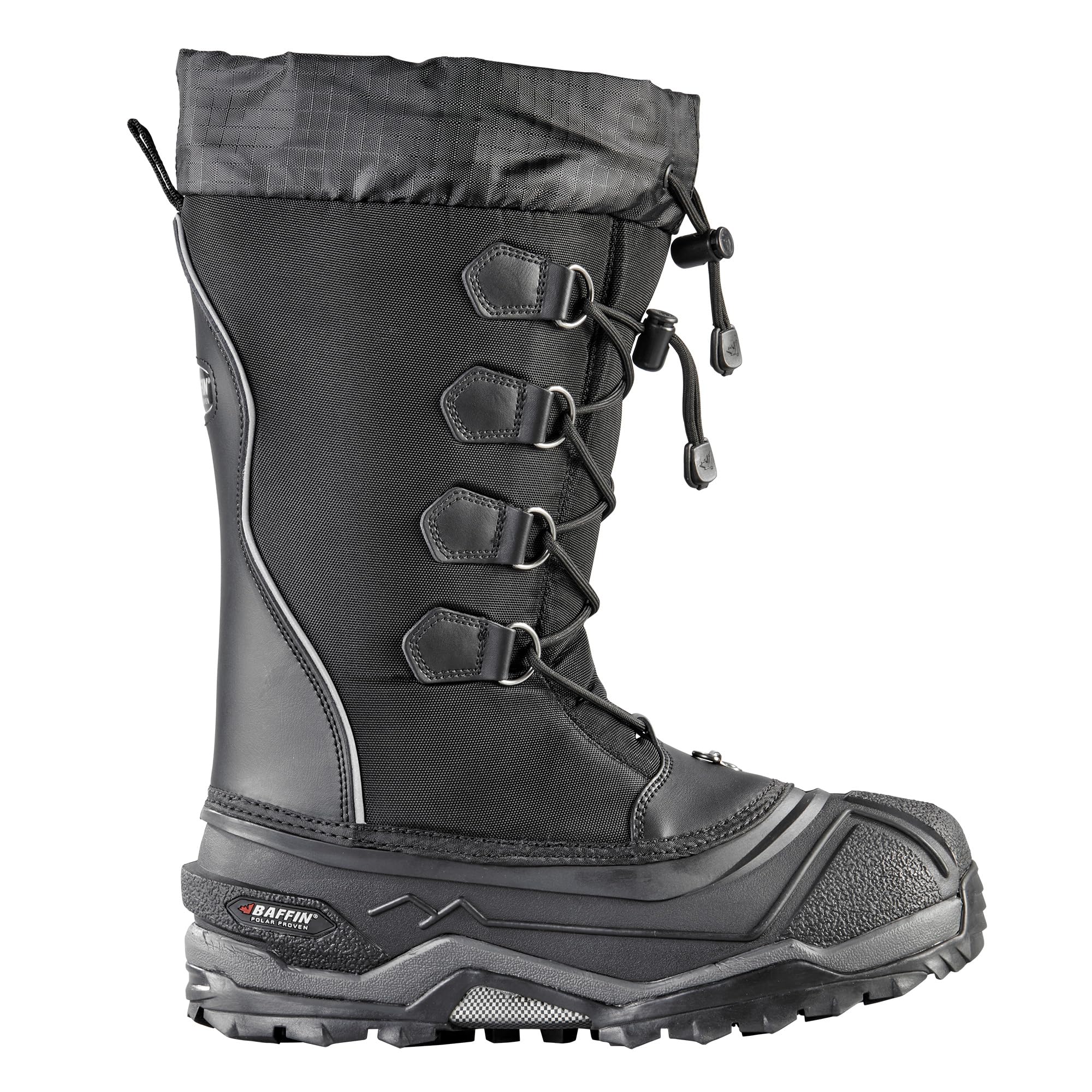

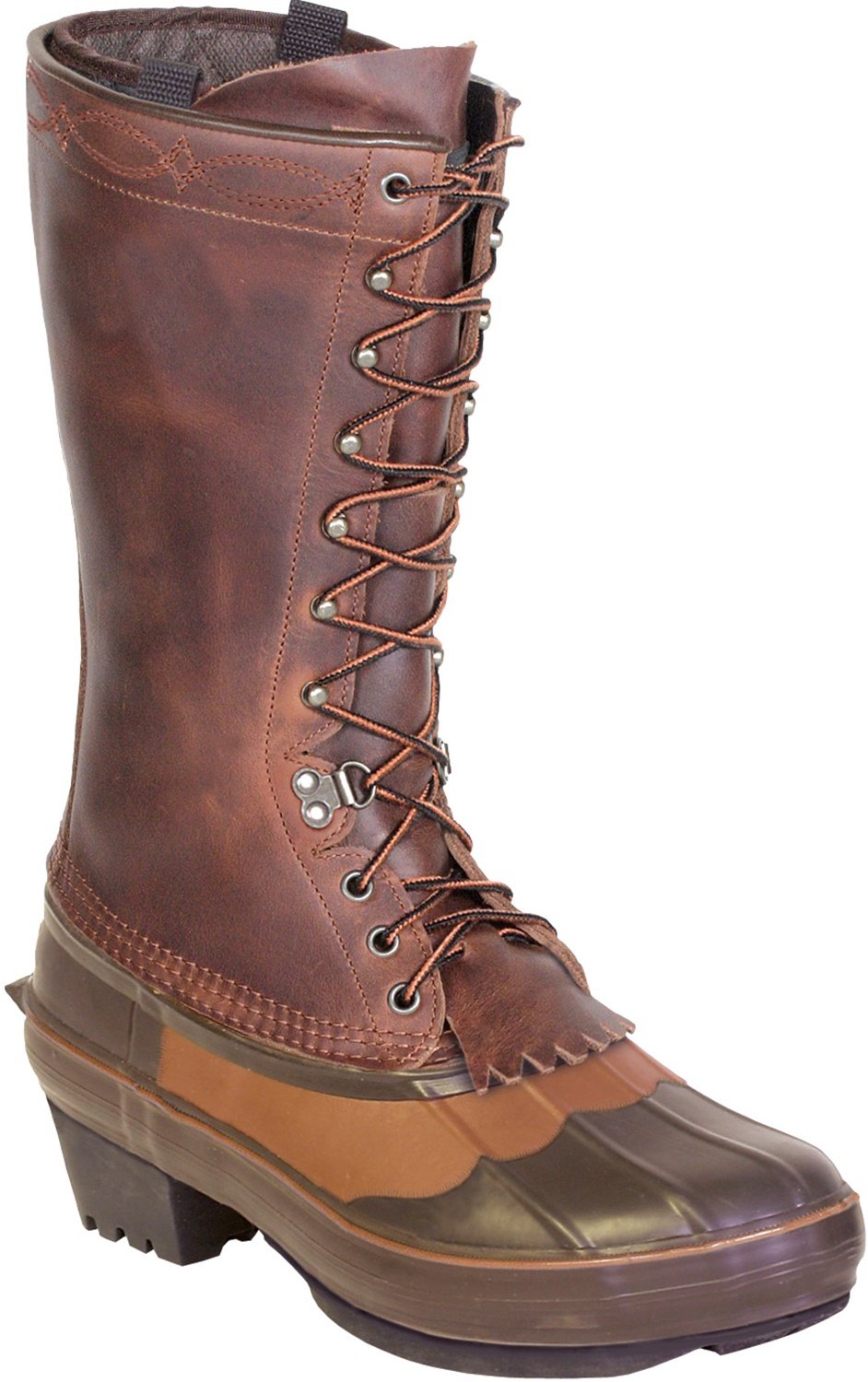

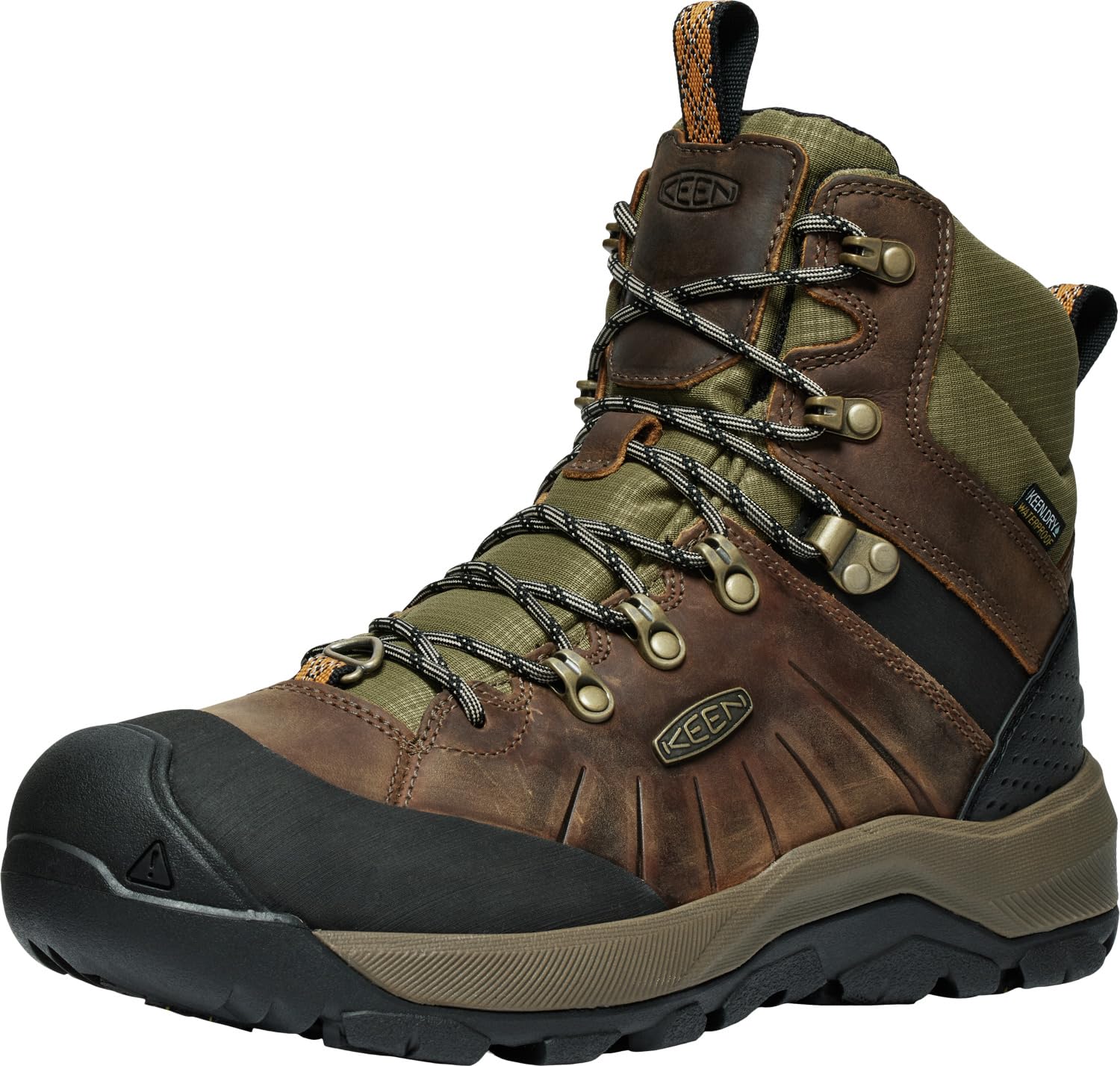
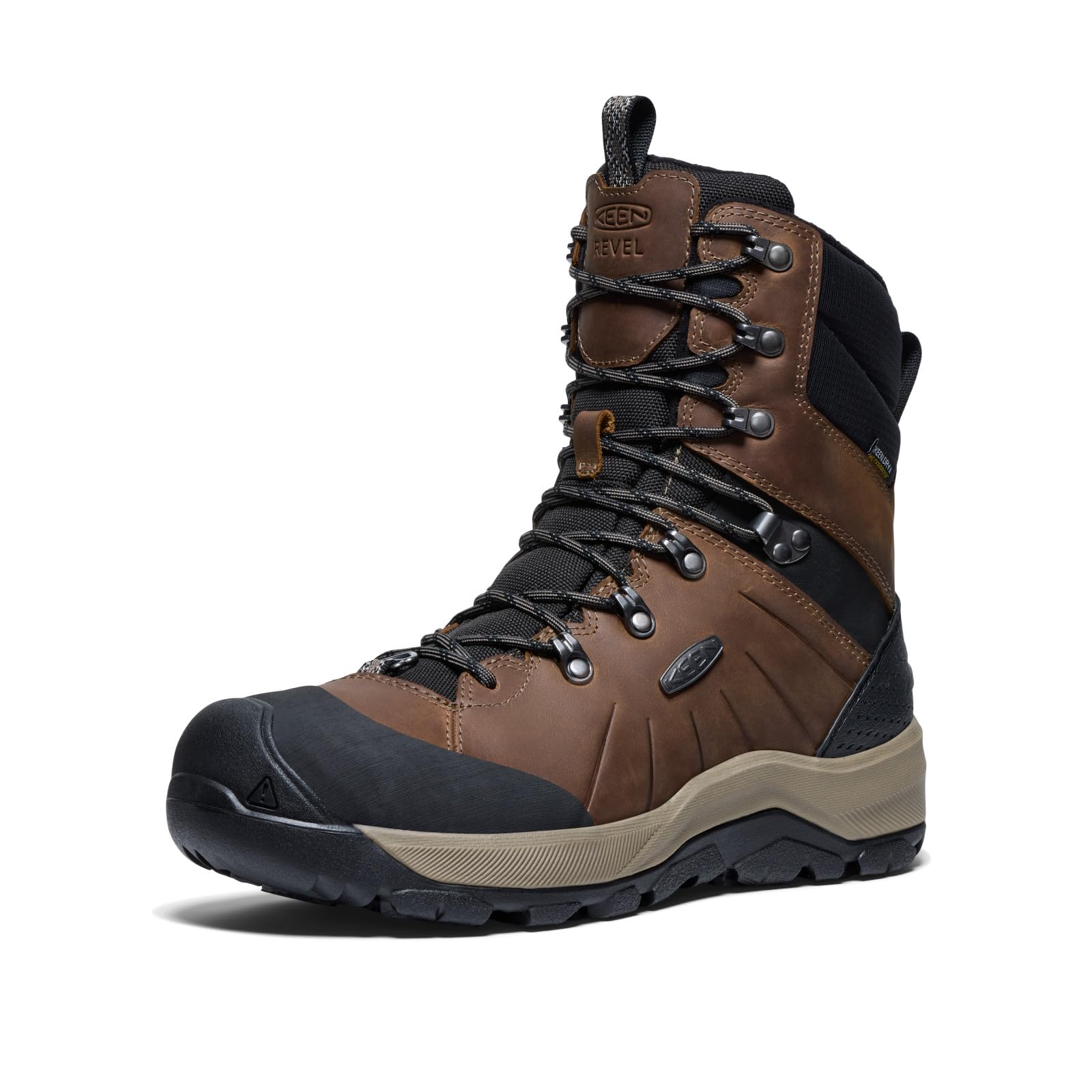

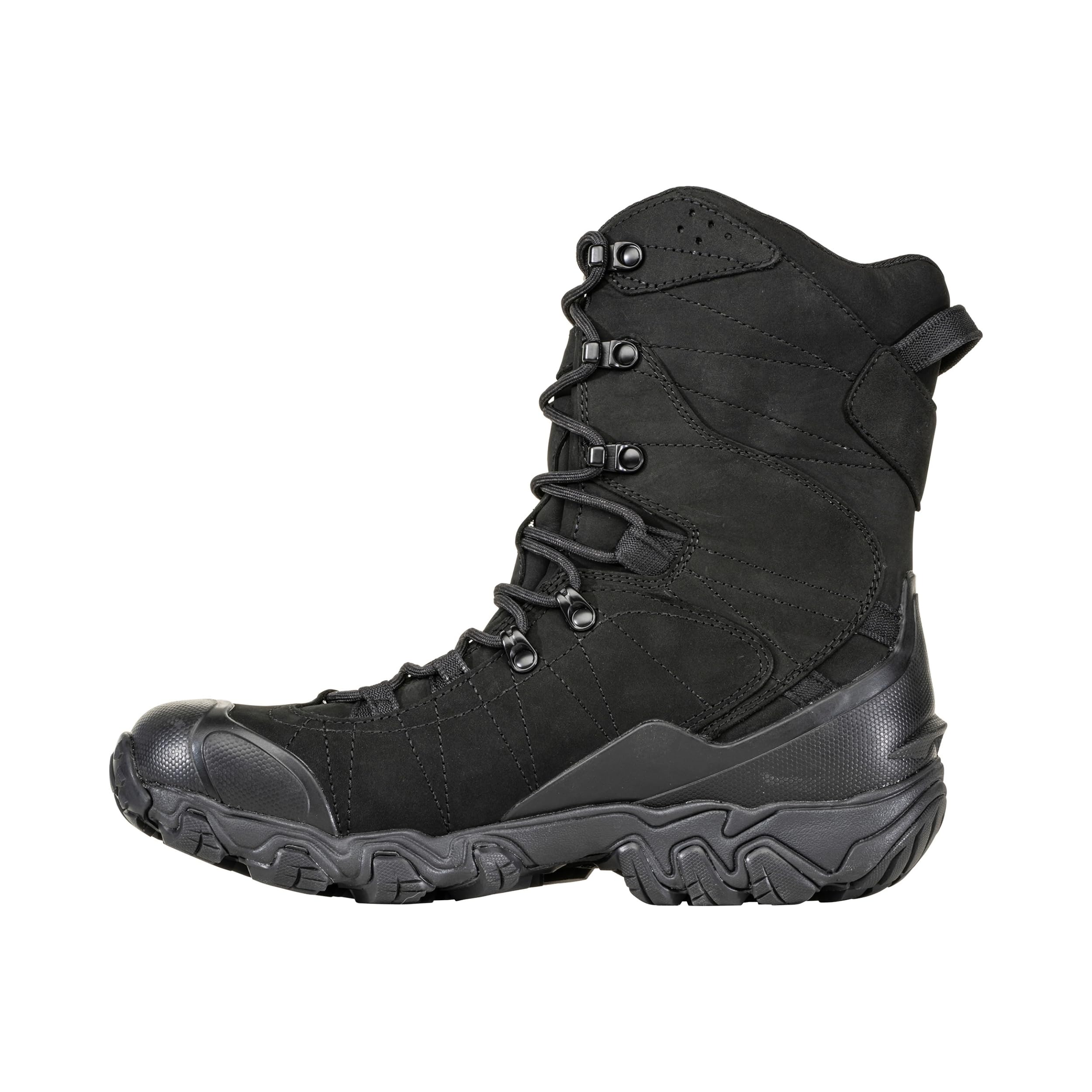
Who Should Buy Which Boots for Sub Zero Weather?
Your activity level changes how much insulation you need, because moving feet make heat and still feet lose it fast. Choose for your stillest hour.
Outdoor Workers Who Stand on Frozen Ground
You may spend long stretches in one place, with cold rising through the sole. Choose a tall pac boot or a heavily insulated work boot with a thick removable liner and a wide toe box. Traction matters on icy yards, and closures you can work with gloves save time. See our guide to the best winter boots for sub zero temperatures.
Commuters, Dog Walkers and Snow Clearers
You move in bursts, then wait on platforms or driveways. A midweight insulated boot with a flexible sole walks more naturally than a stiff expedition boot and still handles short waits. Look for a waterproof upper, moderate insulation and a sole that grips packed snow. A removable insole helps if heavy insulation feels hot indoors.
Hunters, Ice Anglers and Winter Campers
You sit or stand in snow for hours, often far from a warm room. Warmth while still matters more than easy walking, so choose the highest insulation level you can carry and a shaft tall enough to keep deep snow out. A spare dry liner is worth its space. If still hunting is your main use, see our guide to the best sub zero hunting boots.
Types of Boots for Sub Zero Weather Compared
Three broad types cover most sub zero days, and each trades warmth, weight and walking comfort differently. See our guide to the best sub zero boots alongside the type notes below.
Tall Pac Boots With Removable Liners
Pac boots pair a rubber lower section with a leather or fabric upper and a thick felt liner you can pull out to dry. They are often the warmest choice for standing and yard work, with prices about $120 to $250. Their soft build can feel loose on long walks, and the liner takes up room, so sizing with thick socks is essential.
Insulated Waterproof Boots for Walking
These boots look like sturdy hiking boots, with insulation built into the upper and a waterproof membrane such as Gore Tex sealed inside. They walk better than pac boots and suit commuting and winter trails, usually about $150 to $300. Built in insulation dries more slowly than a removable liner, so they suit active use better than long still hours.
Stiff Expedition Boots for Extreme Cold
Expedition boots use a rigid sole, a thick insulated inner boot and often a built in gaiter to seal out snow and wind. They serve mountaineers and rescue teams facing the lowest temperatures, at about $300 to $600. That protection is heavy and stiff for errands, and the price only makes sense for long, remote trips.
Key Features to Compare
When you compare the best boots for sub zero weather, work through these five factors in order, because warmth on paper means little if the sole slips or the fit cuts off circulation.
Insulation Weight and Temperature Rating
Insulation is often listed in grams. About 400 to 800 grams suits active days, while 1000 grams or more suits standing and the coldest regions. Temperature ratings are only a guide, since brands test them differently and your socks, fit and activity change the result. Treat a rating as a ceiling for an active wearer, and choose more insulation if you stand still.
Waterproof Shell and Sealed Seams
Wet insulation loses warmth fast, so the outer boot must keep meltwater and slush out. Pac boots rely on a rubber lower section, while other boots use a waterproof membrane and sealed seams under a treated upper. Check that the tongue is attached on both sides, because an open tongue lets snow slide in at the laces. A snug snow collar adds a second defense.
Traction That Keeps Its Bite When Temperatures Plunge
Cold hardens cheap rubber, so choose a soft compound that stays flexible below zero and lugs about 4 to 6 mm deep for snow. Wide lug spacing sheds packed snow instead of clogging, and a flat heel helps on icy steps. No sole grips glare ice alone, so use separate traction aids on steep ice.
Fit, Toe Box Room and Circulation
A snug boot can be a cold boot, because tight toes and compressed insulation reduce blood flow and warmth. You want room to wiggle your toes in thick wool socks, with your heel held so it does not lift at every step. Many women find a last shaped for a narrower heel fits better, so see our guide to the best women's boots for below zero weather.
Shaft Height, Weight and Closures You Can Use With Gloves
Shafts of about 9 to 16 inches keep snow out when you step off a cleared path, and taller shafts suit deeper snow. Weight rises with insulation, so the warmest boot is rarely best for long walks. Test laces, buckles or a zip while wearing gloves. If you cannot tighten the boot with gloves on, you will avoid adjusting it outdoors.
A Sizing and Warmth Check Before You Buy
Shop late in the day, when your feet are at their largest, and bring the socks you will wear outside. Stand in the boot, slide one finger behind your heel, and confirm your toes do not press the front. Walk on a slope if the store allows it, because heel lift shows up fastest downhill.
Then stand still for several minutes. Toes that tingle or go numb quickly can signal a tight fit or too little insulation for still use. Persistent numbness, skin that turns white or gray, or blistering after warming are signs to seek medical care promptly, and readers with circulation problems should talk with their clinician about personal needs. See our guide to the best boots for below zero weather.
Common Mistakes to Avoid
- Buying your usual shoe size leaves no room for thick socks and makes your toes cold sooner.
- Choosing insulation by temperature rating alone ignores whether you will stand still or keep moving.
- Wearing cotton socks traps sweat against your skin and chills your feet once you stop moving.
- Judging traction on dry store floors tells you nothing about grip on packed snow or ice.
- Leaving liners inside wet boots overnight keeps insulation damp and weakens warmth the next day.
- Picking a stiff expedition boot for short errands adds weight and cost without adding useful warmth.
Care and Maintenance for Boots in Sub Zero Weather
Pull removable liners and insoles out after every wet outing and let them air dry at room temperature, away from direct heat, which can crack rubber and warp liners. Brush off road salt once the boot is dry, because salt can stiffen leather uppers.
Store boots upright in a dry place with shafts open. Replace a liner that stays flat after drying, since compressed insulation will not recover its warmth. Check lug depth each season, because a worn sole is the first safety part to fade.
FAQ
What features matter most in boots for sub zero weather when you stand still for hours?
For still hours, insulation under the foot matters most, because cold climbs through the sole while you generate little heat. A thick insole or a felt pad under the liner adds a barrier many buyers overlook. Standing on a foam mat or deep snow instead of bare ice also slows heat loss, even with the same boot.
How should boots for sub zero weather fit with thick winter socks?
Boots for sub zero weather should feel roomy at the toes and secure at the heel in your thickest socks. Try both feet, since one foot is often larger, and size for the larger one. If your toes tingle after a short walk outside, the boot is compressing your foot once the insulation settles, and a half size up is worth testing.
How often should I replace boots for sub zero weather?
Replace boots for sub zero weather when the sole is worn smooth, the liner stays flat after drying, or water enters through cracks or seams. Many users get several seasons from a quality pair, but warmth fades before a boot falls apart. Compare how your feet feel on the same route and temperature as the season before.
Can I wear boots for sub zero weather all day, indoors and outdoors?
Yes, you can wear boots for sub zero weather all day, but heavily insulated models often feel hot and sweaty indoors. Sweat soaked socks then chill your feet when you go back outside. If your day mixes both settings, choose a midweight insulated boot and bring spare dry wool socks, which costs far less than a second pair of boots.
Do I need waterproof boots for sub zero weather if the snow stays dry?
Dry, powdery snow below zero can brush off a treated upper, so waterproofing matters less on short outings in deep cold. It matters again once snow melts on a warm boot, you step in slush, or temperatures rise near freezing. A waterproof membrane adds little weight, so most buyers lose nothing by keeping that protection.
Our Verdict
Match the type to your stillest hour, then check insulation, sole grip and toe room in that order. Pac boots win for standing warmth, insulated waterproof boots win for walking, and expedition boots belong on remote trips. Use the product table above to compare insulation, heights and prices.
Chosen with those checks, the best boots for sub zero weather keep your feet warm because the whole system works together, from sock room to sole compound. Buy for your coldest real day and dry the liners every night.


