
Best Boots for Below Zero Weather in 2026: Every Type Explained Side by Side
Disclosure: We may earn a commission when you buy through links on this page, at no extra cost to you. As an Amazon Associate I earn from qualifying purchases. Learn more

Compare boots for below zero weather by insulation, waterproof shells, ice traction and fit with thick socks, plus care tips and a clear buying checklist.
Choosing cold weather footwear gets confusing fast, because a boot that feels warm on a short walk can fail during hours on frozen ground. The best boots for below zero weather match insulation, fit and traction to how still or active you will be. This guide compares the main types in the comparison table below.
Start with your coldest realistic day, not the mildest one. Think about wind, wet snow, time outdoors and whether you can go inside to warm up. Those answers matter more than a bold temperature claim on a box.

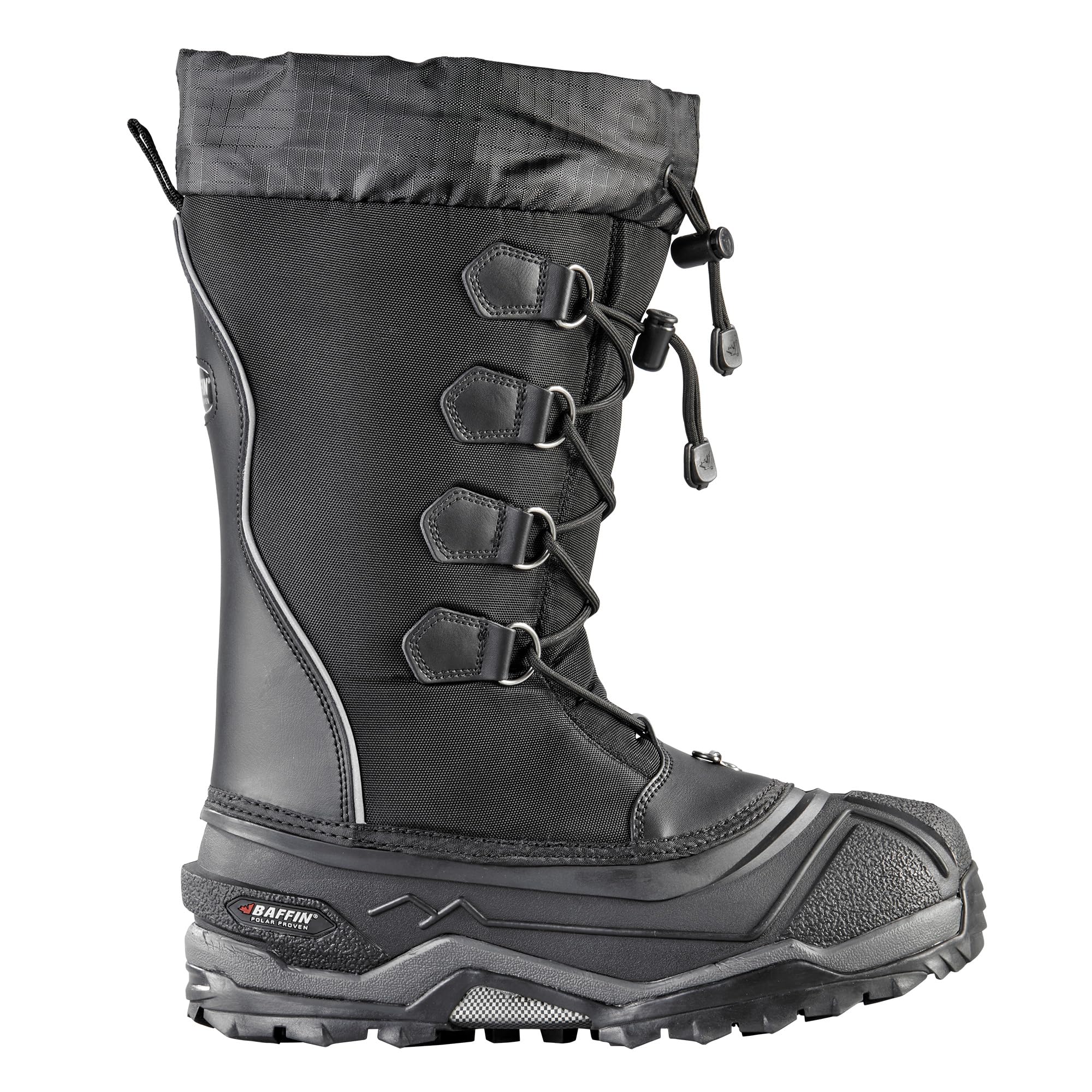
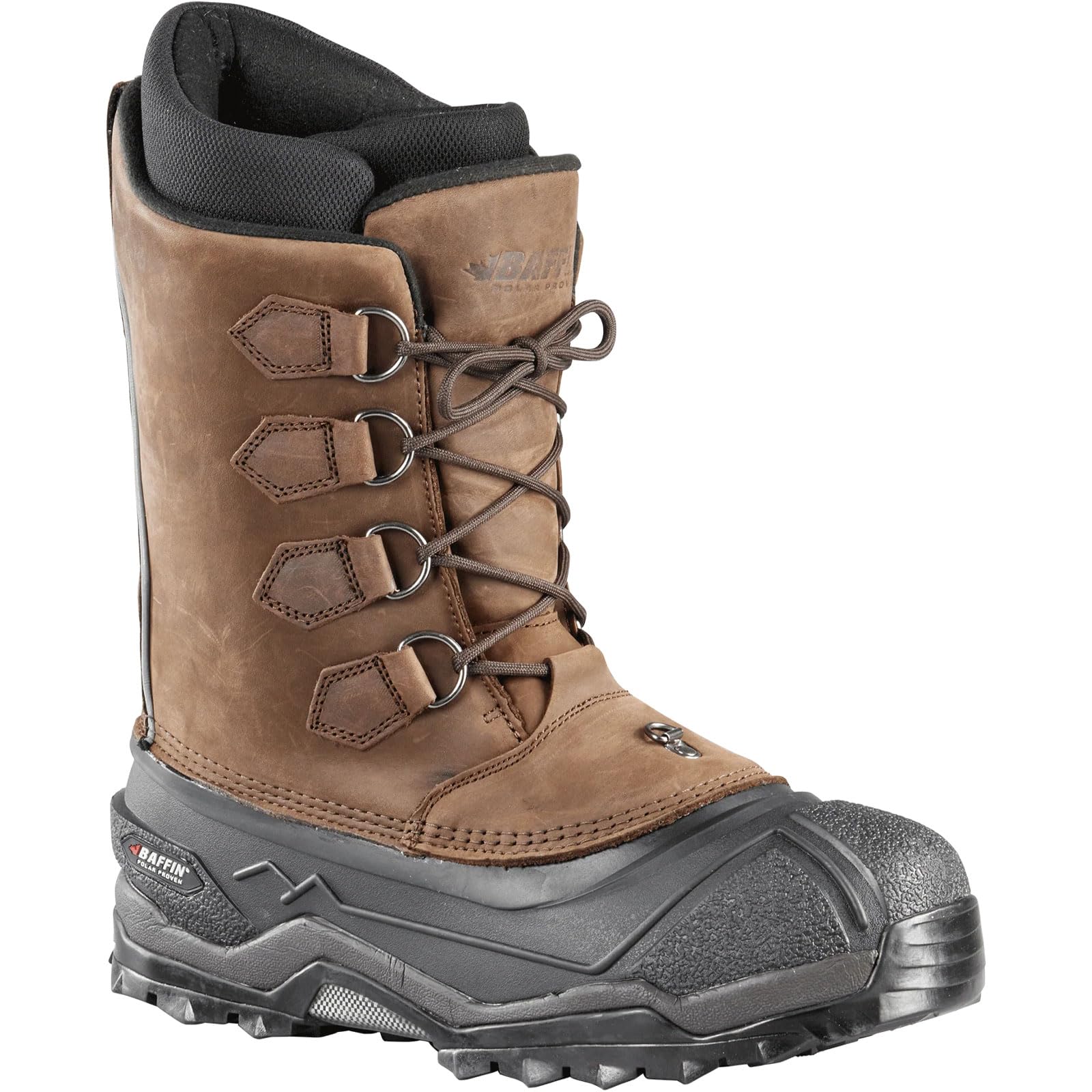
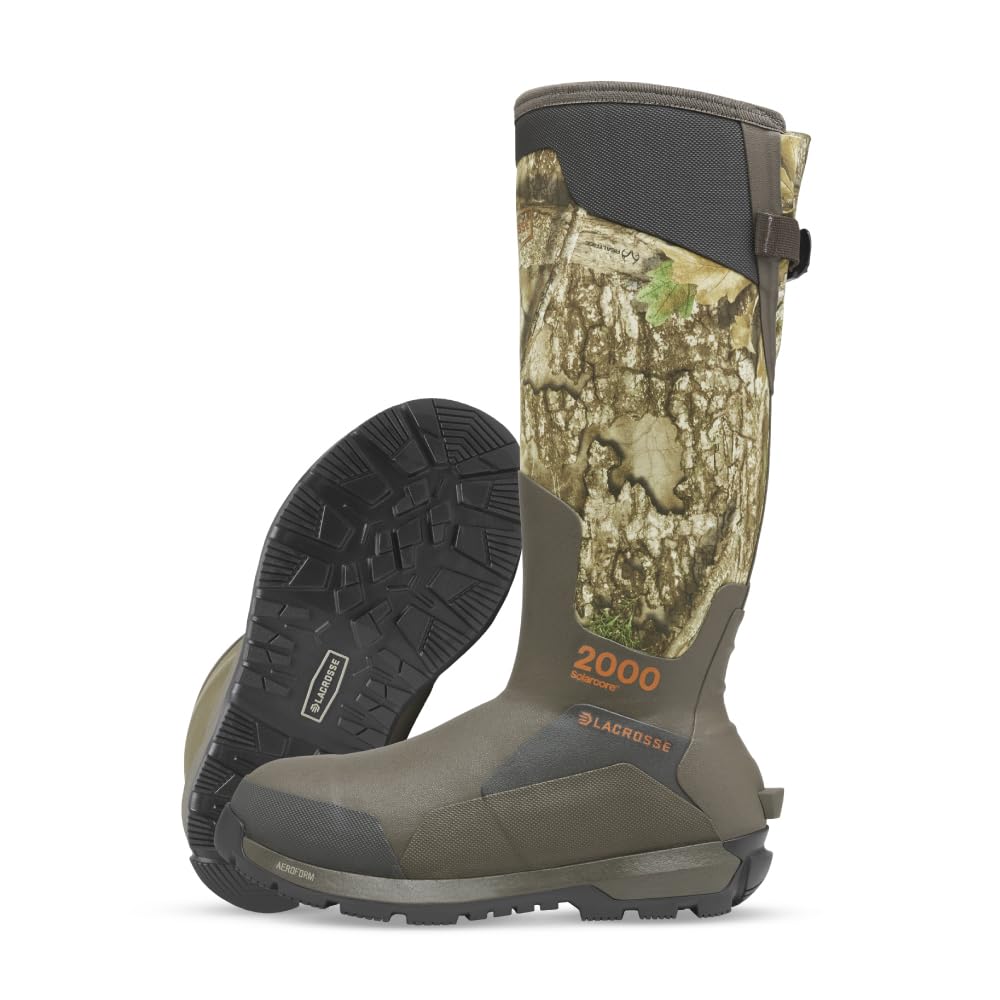


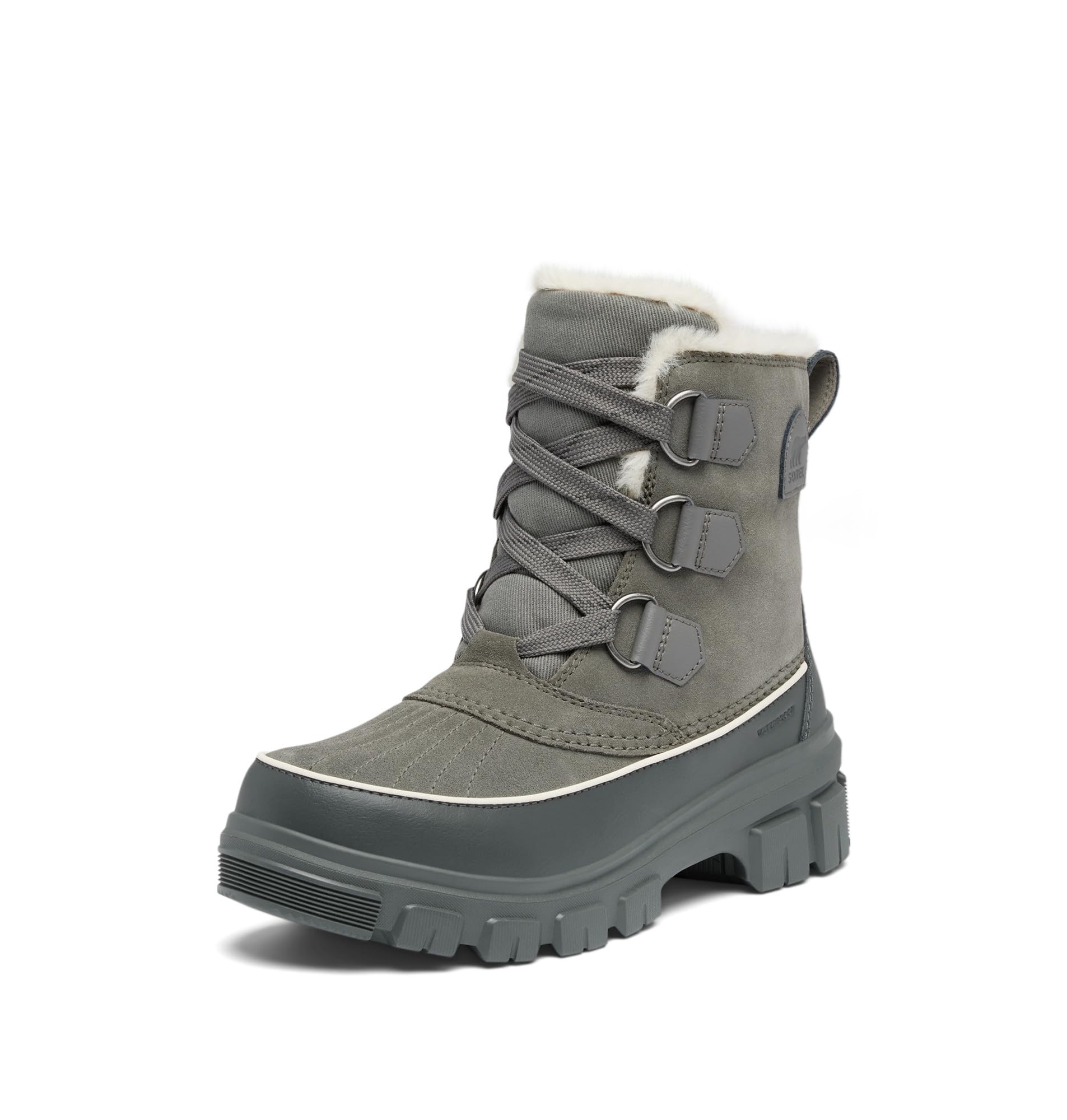
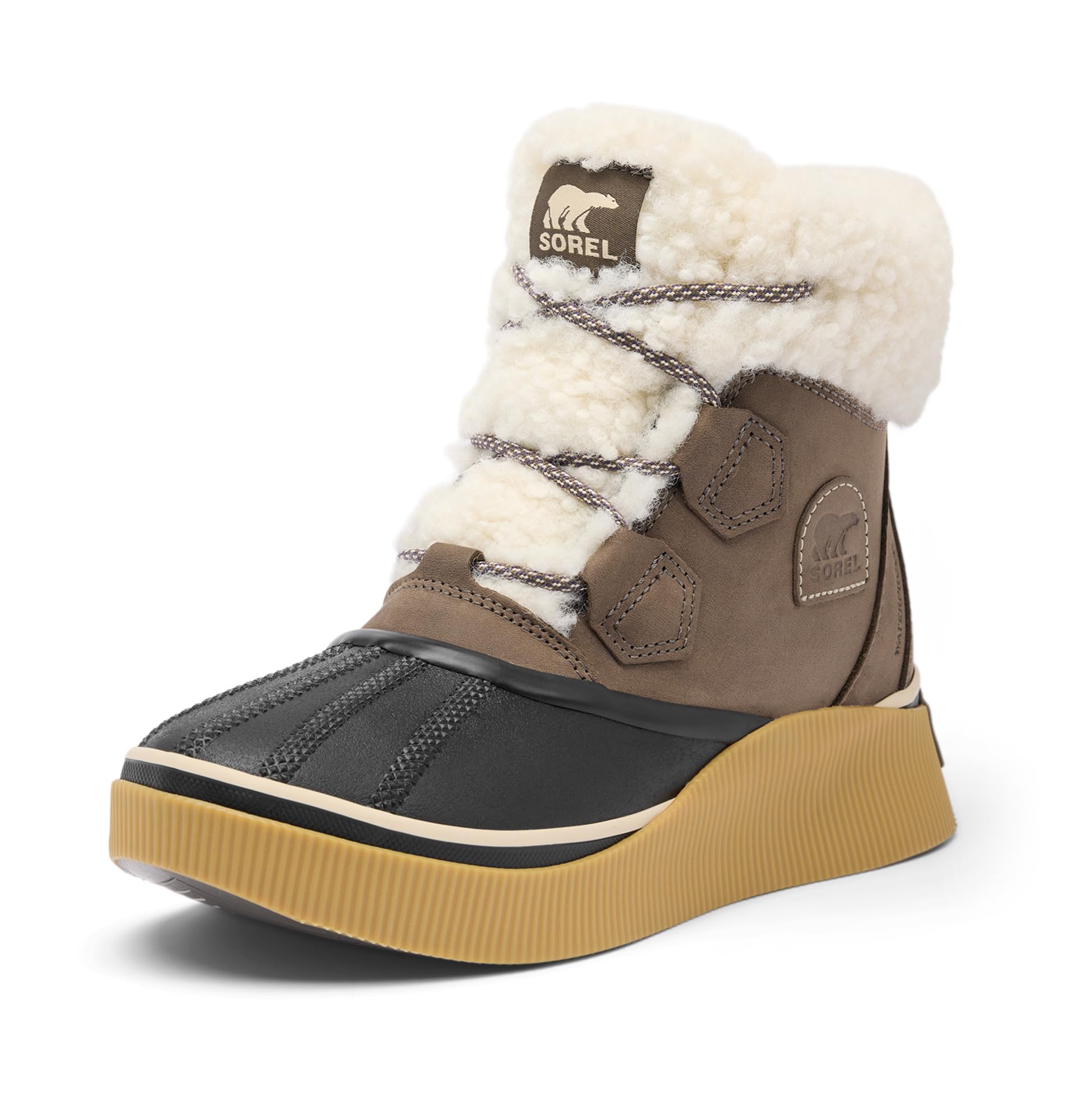

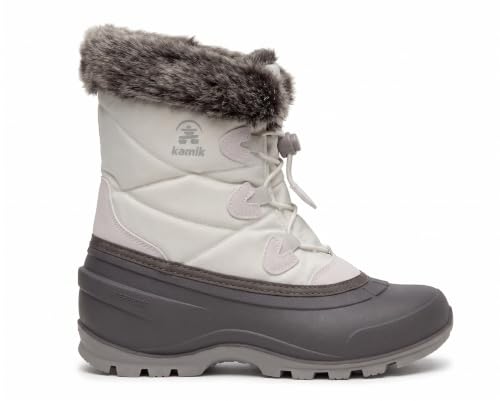
Types of Boots for Below Zero Weather Compared
Most boots built for this cold fall into three broad types. Choosing the best boots for below zero weather starts with activity level, because movement creates body heat while standing still creates none. For more snow styles, see our guide to the best winter boots for below zero weather.
Removable Liner Pac Boots for Standing Still Outdoors
Pac boots pair a rubber lower section with a taller upper and a thick removable felt or foam liner. That liner holds warm air around your foot, and you can pull it out at night to dry fully. This is the warmest type for ice fishing, snow clearing and outdoor work with long still periods. The trade off is bulk, weight and less ankle support on uneven ground. Expect to pay about $120 to $250.
Fixed Insulation Waterproof Boots for Daily Winter Use
These boots sew insulation inside a leather or synthetic upper and add a waterproof membrane such as Gore Tex behind the outer material. Sealed seams keep melting snow out while the slimmer shape feels closer to a normal hiking boot as you walk. They suit commuting, dog walking and mixed days between deep snow and cleared pavement. They cannot match a thick pac liner when you stand still for hours. Most pairs cost about $100 to $220.
Lightweight Insulated Active Boots for Walking and Snowshoeing
Active boots use thinner insulation, a stiffer sole and a closer fit so your foot can flex and grip as you move. Your own movement supplies much of the warmth, so these boots feel comfortable on winter trails and under snowshoes where a bulky pac boot would strain your stride. Breathable panels help sweat escape during effort, though that airflow becomes a weakness once you stop. Choose this type for motion, not for waiting in deep cold. Prices often run about $90 to $180.
Pac Boots vs Waterproof Active Boots: Which Should You Choose?
Decide first by warmth at rest. A pac boot wins when you sit or stand, because its thick liner traps heat without help from movement. An active waterproof boot wins on a trail, because its stiffer sole and lighter weight reduce fatigue. Next compare drying time, since pac liners dry overnight once removed while fixed insulation can stay damp after a soaked day. If your outings mix both patterns, pick the boot that protects you during the still part.
Key Features to Compare
Use these checks in order, because warmth claims alone tell you little about performance on frozen ground.
Insulation Amount and Temperature Ratings
Insulation is usually listed by weight, with about 400 grams for active use in deep cold and about 800 to 1000 grams or a thick liner for still outdoor work. Temperature ratings are not set by one shared standard, so treat a rating as a rough guide tied to activity rather than a promise. Persistent numbness, skin that looks white or gray, or skin that feels hard or waxy needs prompt medical care, and blistering after warming up also needs a professional. If you have circulation concerns, talk with your clinician about your personal needs.
Waterproof Shells, Sealed Seams and Snow Entry Points
A waterproof boot only stays dry if water cannot enter at the seams, the tongue or the top opening. Look for sealed or taped seams, a tongue attached up its sides, and a shaft height above the snow depth you expect. Rubber lowers shed slush well, while coated leather needs its finish kept intact to resist soaking. A snug cuff or a gaiter helps in deep drifts, because most leaks in tall snow come over the collar.
Outsole Traction and Rubber That Stays Flexible in Cold
Traction comes from lug shape, lug depth and a rubber compound that stays flexible when temperatures fall below zero. Deep lugs of about 4 to 6 millimeters grip packed snow, while softer rubber and fine surface cuts help on smooth ice where deep lugs alone can skate. A stiff shank keeps your foot steady on frozen ruts. No tread pattern makes glare ice safe, so shorten your steps and use added traction aids where ice is polished and steep.
Fit, Sizing and Toe Box Room With Thick Socks
Measure your feet late in the day while wearing your thickest winter socks, because feet swell slightly and sock bulk changes the size you need. Your toes should wiggle freely and never press the front on a slope, since compressed toes lose warmth fast. Aim for about a thumb width ahead of your longest toe, with a heel that lifts only slightly. Women often need a narrower heel with the same toe room, so see our guide to the best women's boots for below zero weather for fit points shaped for women.
Shaft Height, Closures and Cushioning for Long Days
Taller shafts of about 8 to 12 inches block deeper snow and support the ankle, while shorter boots feel lighter for cleared streets. Choose closures you can work with gloves on, such as wide lace hooks or large pull loops. Cushioning under the heel softens frozen pavement, and modest arch support helps when a stiff sole would otherwise tire your feet. A very soft sole may feel plush indoors yet bottom out on icy ground, so firmness is a feature here.
Common Mistakes to Avoid
Small errors matter more below zero, because cold hides discomfort until it becomes a problem.
- Buying your normal shoe size leaves no room for thick socks and warm air, so your toes get cold faster.
- Trusting a temperature rating without checking activity level leads to boots that feel warm while walking but cold while standing.
- Wearing cotton socks holds sweat against your skin, so your feet chill as soon as your pace slows.
- Choosing smooth fashion soles on icy streets turns a short walk into a fall risk.
- Drying wet boots against a hot radiator cracks leather and can damage waterproof membranes and glues.
- Ignoring a loose heel fit causes friction blisters that you may not feel until your feet warm up indoors.
Care and Maintenance for Boots Used Below Zero
Remove liners and insoles after each outing and let the whole boot dry at room temperature with air moving around it. Stuffing the toe with plain paper for the first hour pulls out surface moisture, and rotating two pairs gives each pair a full day to dry. Brush off road salt once the boot is dry, because salt draws moisture from leather and leaves stiff marks.
Clean rubber lowers with plain water, and treat leather uppers only with products the maker allows for waterproof membranes. Check laces, hooks and outsole lugs before the coldest months, since a worn lug or a frayed lace is easier to fix in autumn than during a storm. Store boots upright away from direct heat. For a shorter list of the coldest rated styles, see our guide to the best below zero boots.
FAQ
What features matter most in boots for below zero weather?
Warmth at your activity level matters most, followed by dry construction and ice traction. One point many shoppers miss is the insole, because a thin stock insole lets cold pass up from frozen ground even in a well insulated upper. A thicker wool or felt insole can add warmth without changing boot size, as long as your toes still have room to move.
How long is the break in period for boots for below zero weather?
Most insulated boots need about three to five short outings before stiff uppers and soles settle around your feet. Wear them indoors first, then on brief walks, and add time only when no hot spots appear. Do test walks near home, so you can change footwear quickly if a heel rub starts. A boot that still pinches after this period is the wrong size or shape.
Do boots for below zero weather need to be waterproof?
Yes, boots for this cold should resist water if you will cross slush, wet snow or melting edges at all. Dry powder is less likely to soak a boot, yet one step into treated slush near a road can wet leather quickly. Waterproof linings also slow drying, so remove insoles that night even when the outside looks dry. That habit prevents odor and keeps insulation loft from packing down.
How should boots for below zero weather fit at the heel?
Boots for this cold should hold your heel close while leaving your toes completely free. Test this on a ramp or a stair edge, where a loose heel shows itself as lift with every step down. A small amount of lift in a stiff new boot can settle, but a heel that slides side to side will not improve. Try a different lacing pattern through the top hooks before you change size, since ankle lock often fixes lift.
Can you wear boots for below zero weather all day?
Yes, you can wear them all day if the insulation matches your pace and you manage moisture. Plan a sock change at midday on long workdays, because dry socks restore warmth better than tightening laces or adding a second damp pair. Indoors, loosen the laces so heat and sweat can escape. Feet that stay hot and wet often feel colder once you step back outside.
Our Verdict
Match the type to your still or moving hours first, then check insulation weight, sealed construction, ice traction and toe room with your winter socks on. Compare your finalists in the product table above and favor the boot for your coldest day.
Chosen that way, the best boots for below zero weather stop being a guess about a temperature rating and become a set of checks you can repeat with confidence.


