Best Boots for Standing All Day Women's: Every Type Explained Side by Side for 2026
Disclosure: We may earn a commission when you buy through links on this page, at no extra cost to you. As an Amazon Associate I earn from qualifying purchases. Learn more

Compare types of best boots for standing all day women's side by side, from cushioning and arch support to fit, toe box room, and breathable uppers.
Boots for long shifts come in more forms than most shoppers expect, and the labels can blur together fast. Waterproof work styles, cushioned neutral styles, lightweight styles, and recovery footwear all promise comfort, yet they solve different problems. This guide compares each type plainly so you can match a pair of best boots for standing all day women's to your floor, your dress code, and your feet.
Start with the comparison table below, then read the type breakdowns to see where each style shines and where it falls short. A nurse on polished floors and a retail lead who walks miles daily will not thrive in the same boot.



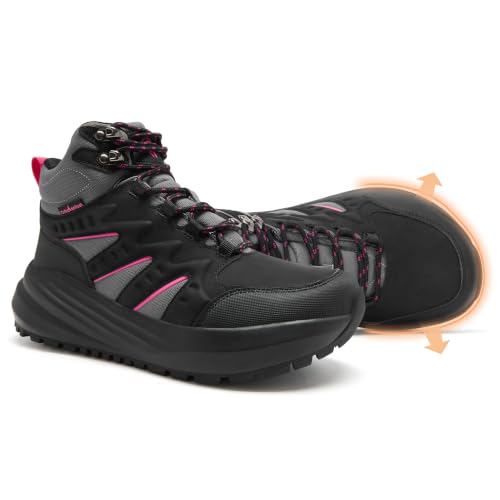

Types of Boots Compared
Think of this category in four broad groups. Waterproof boots protect you from wet floors and outdoor tasks. Lightweight boots cut fatigue when you mix standing with constant walking. Neutral cushioned boots give balanced support without correction for pronation. Sandals and recovery footwear are not boots at all, but many women buy them alongside a main pair, so they belong in the comparison.
Price follows construction more than branding. Lightweight styles often cost around $80 to $140, while waterproof leather work boots often run about $130 to $220. If you are still deciding between boots and lower cut footwear, see our guide to the best shoes to wear for standing all day before you narrow down by type.
Waterproof Boots
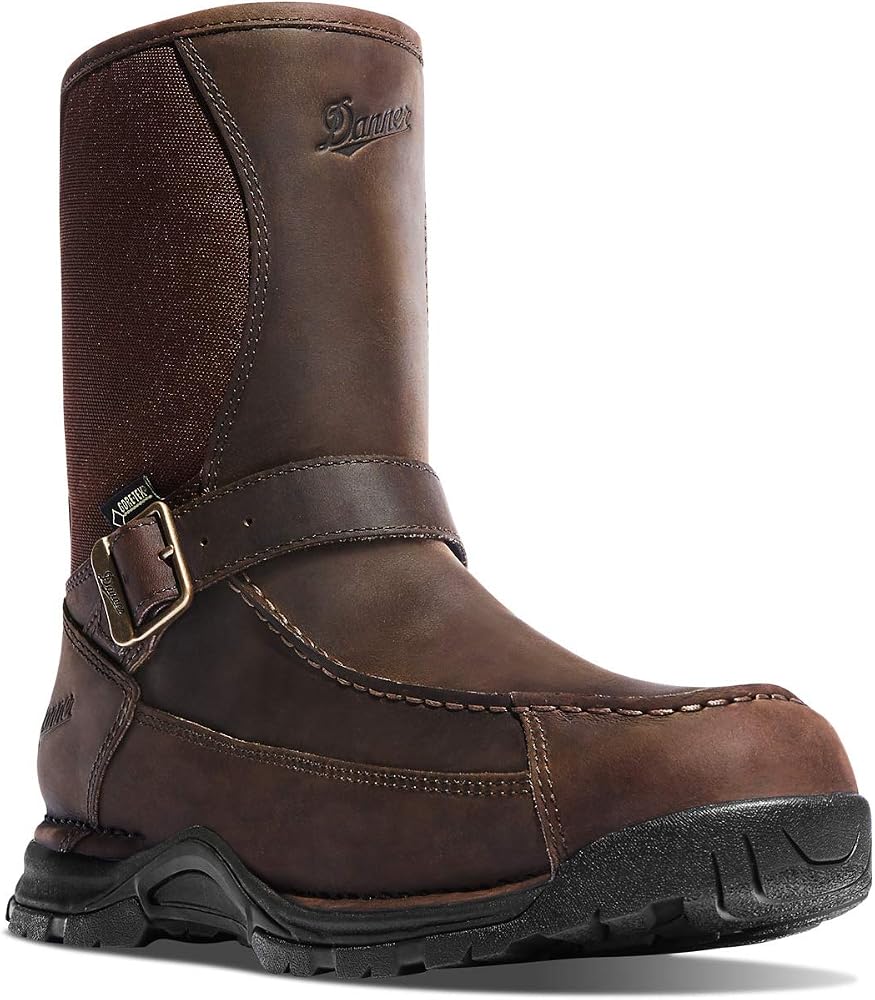
Waterproof boots use a sealed membrane, often Gore Tex or a house brand equivalent, plus taped seams and treated uppers to keep water out. The benefit is obvious if you mop floors, work in food service, or handle outdoor tasks between indoor duties. Dry feet stay warmer, blister less, and feel fresher late in a shift.
The tradeoff is airflow. A membrane that blocks water also slows escaping moisture, so your feet may feel warm in a heated building. Waterproof boots also tend to weigh more and cost more than similar unsealed styles. Choose this type when wet conditions are a real part of your week, and pair it with moisture wicking socks to manage the warmth.
Sandals and Recovery Footwear
Sandals and recovery footwear serve a different job. Thick, soft midsoles and wide straps let swollen feet spread out after hours in a structured boot, and the open design cools skin that has been enclosed all day. Many women keep a pair in a locker for the drive home.
They are not a safe main option for most workplaces, since open toes offer no protection from dropped items, carts, or spills, and many employers ban them on the floor. Treat them as a companion purchase rather than a replacement for boots. For warm weather options, see our guide to the best women's sandals for standing all day and check your dress code before buying.
Lightweight Boots
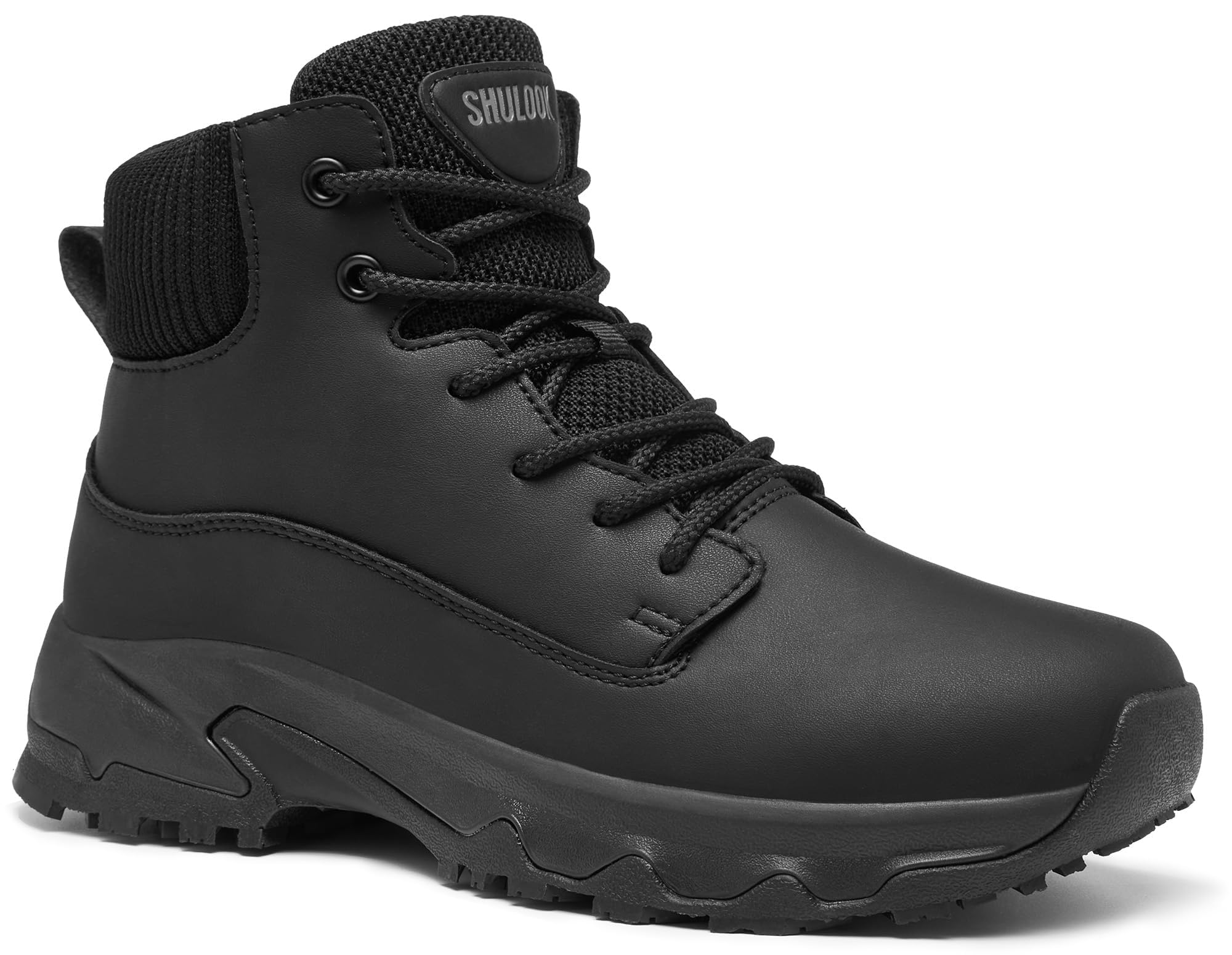
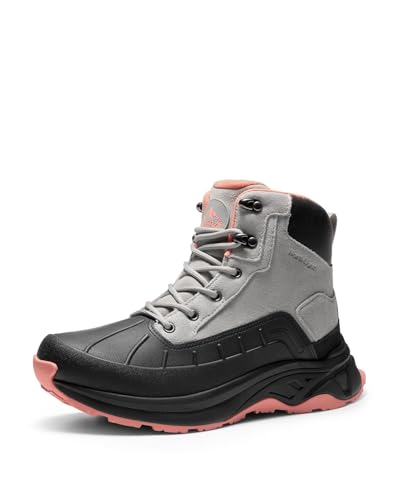
Lightweight boots use foam heavy midsoles, knit or mesh panels, and thinner outsoles to keep each step feeling easy. Every ounce matters, because you lift your feet thousands of times per shift. A lighter boot reduces the drag you feel in your calves and hips by hour eight, especially if your job mixes standing with walking between stations.
The compromise is durability and protection. Thin uppers scuff sooner, soft midsoles compress faster under daily load, and flexible soles transmit more of a hard floor into your feet during pure standing. If your role involves as much walking as standing, our guide to the best women's shoes for walking and standing all day covers that balance.
Neutral Cushioned Boots
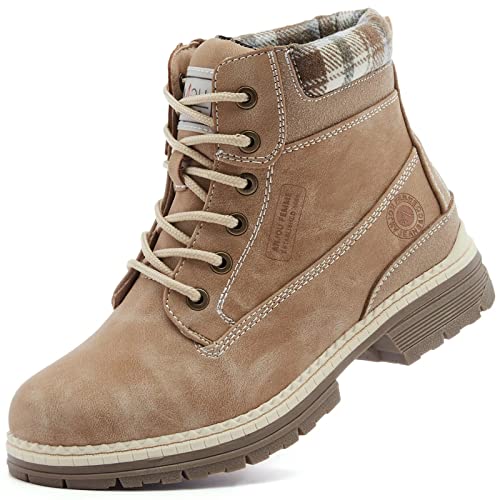
Neutral cushioned boots sit in the middle of the support spectrum. They provide a thick, even layer of cushioning without the rigid guidance features built for strong overpronation. For women with average arches and no specific gait correction from a clinician, this balanced design often feels natural from the first wear.
Stability comes from a wide base, a firm heel counter, and an outsole that grips rather than from corrective structure. That makes neutral boots a versatile default for retail, teaching, and light healthcare roles on dry floors. Most also have removable insoles, so a neutral boot works well as a shell if you wear your own orthotic insert.
Waterproof Boots vs Sandals and Recovery Footwear: Which Should You Choose?
These two sit at opposite ends of the protection scale. Waterproof boots guard against water, spills, and impact, and they satisfy almost every workplace footwear policy. Sandals and recovery styles guard against nothing, but they relieve pressure and heat better than any closed boot can. On support, the boot wins for hours of standing, while the recovery shoe wins for the minutes after you clock out.
Cost and lifespan differ too. A waterproof boot at about $130 to $220 can serve as your only work pair for a year or more, while recovery footwear at around $40 to $80 is an add on with a shorter working life. Most women who stand all day end up owning both. Use the product table above to check which waterproof styles fit your budget before you add a recovery pair.
How to Choose the Right Boot
When you shop for best boots for standing all day women's options, start with your floor surface and shift length, then work through the factors below. A boot strong on cushioning but weak on fit will still hurt by midday.
Features That Matter for Standing All Day
Standing loads your body differently from walking. Without the muscle pumping that movement provides, blood pools in your lower legs and pressure stays fixed on the same spots of your feet. Cushioning should therefore be firm enough to resist bottoming out, not just soft in the store. Look for a midsole that springs back when you press it hard with your thumb.
Arch support matters because a collapsing arch shifts strain into your knees and lower back over a long shift. A moderate heel to toe drop, often about 8 to 12 millimeters, reduces pull on the Achilles for many women. If you notice swelling that does not fade overnight, numbness, or sharp heel pain that lasts for weeks, talk with your clinician or a podiatrist rather than only changing footwear, since those signs can point to issues a boot cannot fix.
Fit, Sizing, and Toe Box
Shop and measure late in the day, when your feet are at their largest after hours of standing. Bring the socks you actually wear to work, since a thick work sock can change the fit by half a size. You want a thumb width of space in front of your longest toe and a heel that stays put without rubbing.
The toe box deserves special attention for women, because many boots are built on a narrow last. Your toes should lie flat and spread slightly under your weight, not stack or curl. If your forefoot feels squeezed while the heel fits well, look for a wide width in the same model rather than sizing up, since a longer boot lets your foot slide and blister.
Upper Materials and Breathability
Full grain leather is the durable classic. It resists scuffs, wipes clean, and molds to your foot over the first weeks, but it breathes slowly and feels warm in summer. Mesh and knit uppers move far more air and weigh less, which suits heated indoor floors, yet they absorb spills and offer less protection from bumps.
Many boots split the difference with leather at the toe and heel and breathable panels along the sides, a smart mix if you move between a cool stockroom and a warm sales floor. Whatever upper you choose, a padded collar and tongue matter, because ankle bones take steady pressure from laces during a long shift.
What Women Should Look For
Women's boots are not simply smaller men's boots when they are made well. A good women's last has a narrower heel relative to the forefoot, a higher arch placement, and a shape that accounts for a lower calf. Those details stop the heel slip and arch mismatch that cause blisters and fatigue in unisex styles shrunk down to size.
Dress code shapes the choice too. Polished black leather ankle boots can pass in offices, salons, and front of house roles where a rugged work boot cannot. If you need a neater look for long days on your feet, see our guide to the best women's dress shoes for standing all day. Also check shaft height against your calves in person, since a top edge that digs in will bother you every shift.
Weight and Flexibility
A practical target is under about 1.5 pounds per boot for indoor roles, with heavier builds reserved for outdoor or industrial work. Flexibility should live at the ball of the foot, where your foot naturally bends, while the midfoot stays firm when you twist the boot by hand. A boot that folds in the middle lets your arch work too hard.
Balance weight against your floor. On smooth tile you need grip more than bulk, while on gravel or wet concrete a thicker lugged outsole earns its weight. For roles that demand rated protection on top of comfort, our guide to the best women's work boots for standing all day explains safety toe and slip rating details.
Setup and Care Tips
Good care starts on day one. Wear new boots for two or three short shifts or evenings at home before trusting them with a full schedule, adding an hour each time. This lets stiff leather soften at your flex points and reveals any rub spot while a return is still easy.
Rotate two pairs if you can, giving each boot a full day to dry and let its midsole foam recover between wears. Air dry wet boots at room temperature away from direct heat, with the insoles pulled out. Clean leather with a damp cloth, condition it every few months so it does not crack, and brush dirt from mesh instead of soaking it.
- Replace insoles every six to nine months, since they compress long before the boot itself wears out.
- Retie your laces at midday once your feet swell, rather than forcing swollen feet into a morning tight fit.
- Check outsoles monthly for smooth worn patches that cut your grip on wet floors.
- Store boots upright in a dry place, never sealed in a bag while damp.
Boots: Your Questions Answered
What makes women's boots for standing all day different from men's boots?
Women's boots for standing all day differ mainly in the shape of the last they are built on. The heel is typically narrower relative to a roomier forefoot, the arch sits slightly higher, and the shaft is shaped for a lower calf. A well made women's boot also tends to weigh less at the same size. These differences reduce the heel slip and pressure points that a scaled down men's boot often causes.
What features matter most in boots for standing all day for women?
The features that matter most are cushioning that resists bottoming out, steady arch support, and a slip resistant outsole matched to your floor. After those three, look at fit in the toe box and the boot's weight. One point shoppers often miss is insole quality, since a dense, shaped insole can improve a mid priced boot more than a small upgrade in upper material. Check the product table above to compare which styles include removable insoles.
How long is the break in period for women's boots worn for standing all day?
The break in period for women's boots worn for standing all day is usually one to two weeks of gradual wear for leather styles. Mesh and knit boots often feel right within a day or two because their uppers flex from the start. Add wear time slowly and stop if you feel a hot spot forming, since pushing through early rubbing is the fastest route to a blister. Boots that still hurt after two weeks are the wrong fit.
How should women's boots for standing all day fit at work?
Women's boots for standing all day should fit snugly at the heel and midfoot with clear space at the toes. Your longest toe should not touch the front when you stand. Width should let your forefoot spread under your full weight without spilling over the sole edge. Try boots on in the afternoon with work socks, because a morning fitting on rested feet often leads to a pair that feels tight by hour six.
Can women wear the same boots for standing all day every workday?
Women can wear the same boots for standing all day every workday, but the boots will not last as long or feel as supportive. Midsole foam needs roughly a day to fully rebound after a long shift, so daily wear without a rest day flattens cushioning months sooner. If a second pair is not in your budget, swapping in fresh insoles and airing the boots overnight still helps.
The Bottom Line
Narrow your choice by type first. Pick waterproof boots for wet work, lightweight or neutral cushioned boots for dry indoor floors, and recovery footwear only as an after shift partner. Then judge each candidate on lasting cushioning, arch support, and a toe box that lets your feet spread under load. The comparison table above pulls those details together in one place.
The right best boots for standing all day women's pair is the one that still feels steady and kind to your feet in the final hour of your longest shift. Fit it late in the day, break it in slowly, and rotate pairs when you can.