
Best Boots for Stable Work in 2026: A Simple Guide for First Time Buyers
Disclosure: We may earn a commission when you buy through links on this page, at no extra cost to you. As an Amazon Associate I earn from qualifying purchases. Learn more

New to buying boots? Our simple guide to the best boots for stable work explains the basics, key specs, and smart tips so your first purchase is the right one.
Buying your first yard boots can feel confusing, because barn floors, mud and wash areas ask more of footwear than a dry workshop does. The best boots for stable work keep your footing steady, your socks dry and your toes protected while you feed, muck out and lead horses. This guide starts with plain terms and moves step by step to fit and care, so you can use the comparison table below with confidence.
Stable work in this guide means daily work in and around horse stables, not desk work and not riding itself. Think wet concrete aisles, straw and shavings, muddy gateways and uneven yards, often in poor weather. Your boots must rinse clean, grip when the ground is slick and stay comfortable through hours of standing and walking.

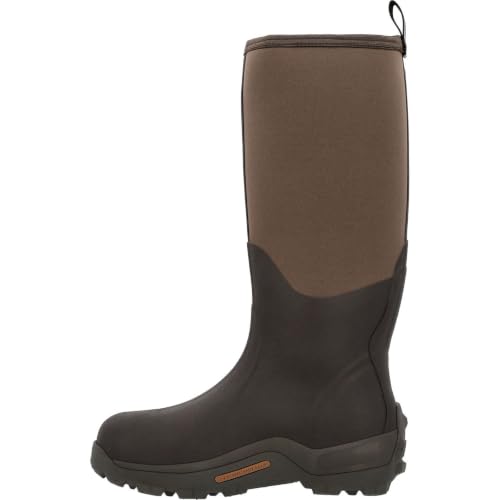

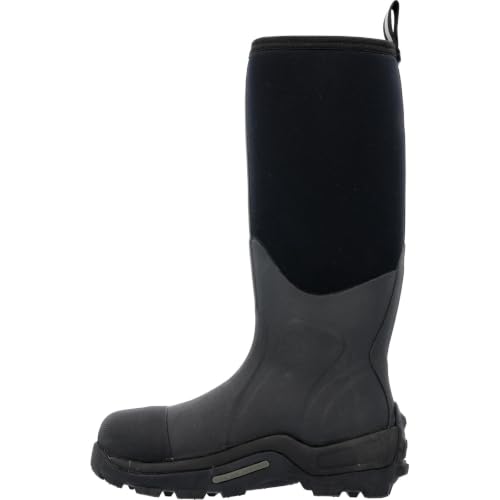


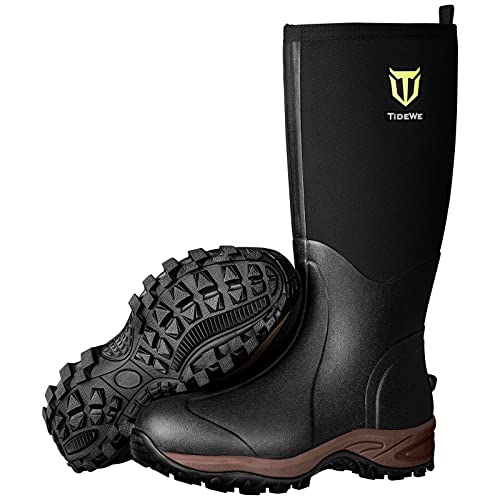

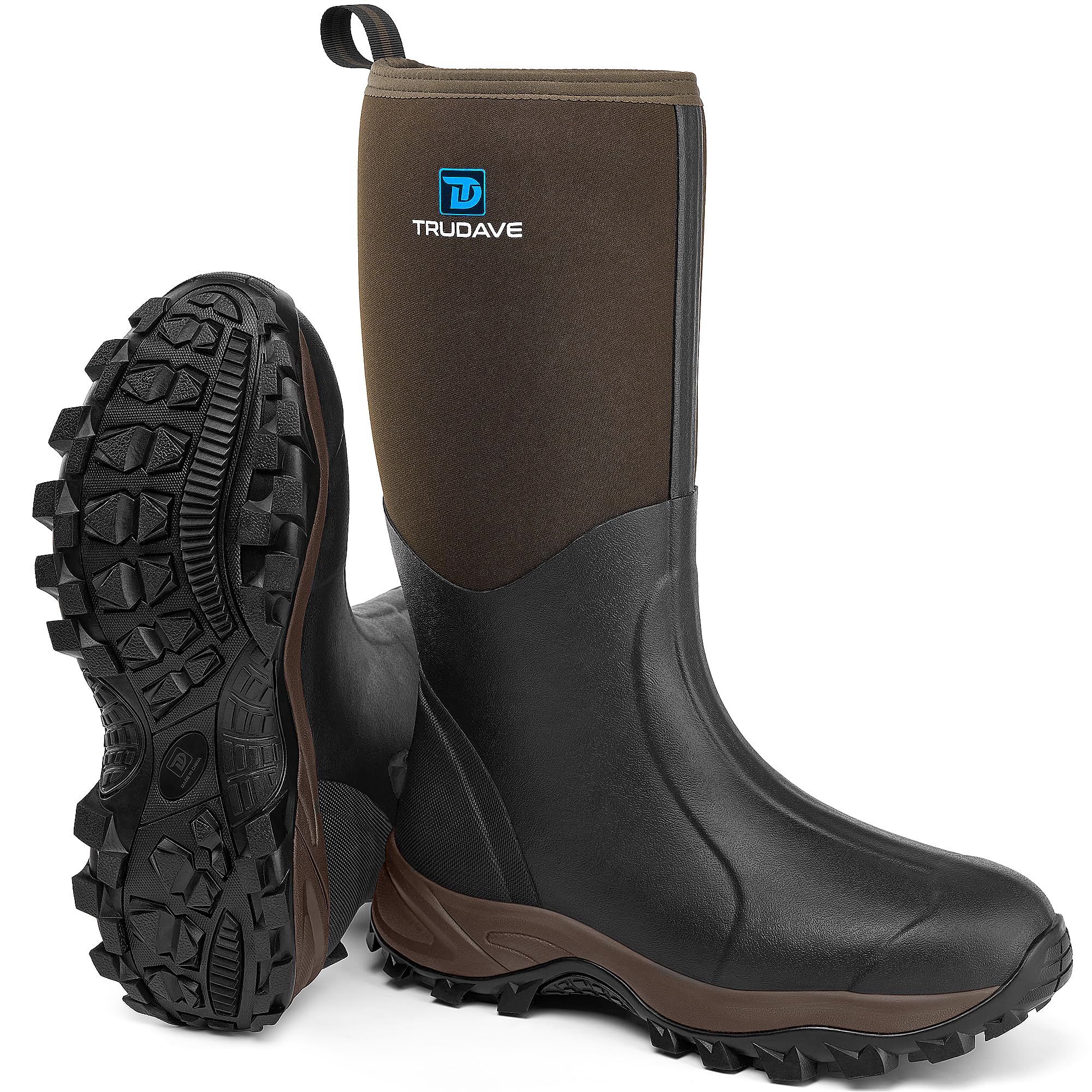
Boots 101: The Basics
A stable boot is a work boot built for wet and messy ground. A taller shaft keeps bedding, hay and splash water out, a lugged outsole grips mud and wet concrete, and a sealed upper rinses clean after chores. If most of your work is dry building or warehouse work instead, see our guide to the best work boots for that broader category.
Three terms explain most product pages. The shaft rises above your ankle and shields your lower leg. A shank is a stiff layer in the sole that helps the boot hold its shape on uneven ground. The toe box is the space around your toes, and its width decides whether thick socks feel roomy or cramped.
Who Should Buy Which Boots for Stable Work?
The best boots for stable work are not simply the tallest or toughest pair on the page. Match the boot to the chores you repeat most, the ground at your yard and the number of hours you spend on your feet each day.
Daily Hands Who Muck Out and Feed
You move between stalls, the muck heap and feed rooms all shift, often pushing a loaded barrow over wet ground. Choose a waterproof shaft of about 12 to 16 inches and a sole that sheds mud. Weight matters for you, because a heavy pair adds effort to thousands of steps before lunch.
Riders Who Do Yard Chores Before and After Riding
You handle chores around lessons or schooling, then change footwear to ride. Choose a shorter pull on or lace up style that comes off quickly at the tack room door, with enough toe room for warm socks. Avoid very tall and stiff shafts, because you will take these boots off several times a day.
Weekend Helpers and New Stable Staff
You help on set days with turnout, hay nets, sweeping and washing down. Choose a simple waterproof boot with clear sizing, a moderate price of about $60 to $120 and a sole made for both concrete and mud. A plain design you can hose off suits you better than leather that needs conditioning after every visit.
Stable Boot Specs Without the Jargon
Read each spec by asking one question: how will this change a wet morning at the yard? The points below follow that order, from staying upright to staying dry.
Stability Features That Matter for Stable Work
Stability starts with a wide and fairly flat base, a firm heel counter that holds your heel in place and a shank that limits twisting on rutted ground. Look for a modest heel to toe drop of about 4 to 8 mm, because a tall and narrow heel can wobble on wet concrete.
Fit Around the Yard: Heel Hold and Toe Room
Measure and try boots late in the day, when your feet are at their largest, and wear the socks you will work in. Aim for about half an inch of space past your longest toe, a heel that lifts only slightly and no pinch across the forefoot. If you usually shop the mens range for general yard work, see our guide to the best men's work boots for more on sizing in that range.
Underfoot Support for Long Days in the Barn
Concrete aisles send tiredness into your feet and knees during long shifts, so look for a cushioned midsole that still feels firm when you stand in one place. Arch support should follow the shape of your foot without pressing a hard ridge into it. If you use separate supports, see our guide to the best inserts for work boots and check that the boot has enough depth for them.
Grip on Wet Aisles, Mud, and Straw
The outsole is the tread that meets the ground, and stable yards mix smooth concrete with deep mud in the same round of chores. Lugs of about 4 to 6 mm grip gateways and fields, while wider gaps between lugs release mud instead of packing it into a slick layer. On mostly paved yards, choose a finer tread, because deep lugs can feel clumsy and wear faster on hard surfaces.
Upper Materials, Waterproofing, and Breathability
Rubber and neoprene shafts rinse clean in seconds and suit daily muck and wash down work, but they let out little heat on warm days. Leather molds to your leg, yet it needs drying and conditioning to stay waterproof. A leather boot with a Gore Tex lining suits drier yards and cold weather, while a full rubber boot suits yards where you stand in water or liquid manure.
Durability, Toe Protection, and Expected Lifespan
Manure, urine and daily hosing attack seams and leather faster than ordinary dirt, so check for sealed seams, a bonded sole and a toe cap that resists scuffs. A steel or composite safety toe adds protection if a horse stands on your foot. With daily use, many stable boots serve well for about 12 to 24 months before tread or waterproofing fades. Seek medical care promptly for a crush injury, loss of feeling or pain that stops you bearing weight, and talk with your clinician about personal foot needs.
Your First Week Breaking In Stable Boots
Start at home, not on a busy morning at the yard. Wear your new boots indoors for an hour, then for one short round of dry chores, and check for rubbing at the heel, ankle and toes after each outing. Keep the packaging until those first outings feel right, because a boot that rubs on a short round will hurt more on a full shift.
Rookie Mistakes to Avoid
Most first purchase regrets at the yard come from a short list of avoidable errors.
- Buying riding boots for yard chores leaves you with a smooth sole that slides on wet concrete.
- Choosing fashion wellingtons with no support makes long shifts on concrete aisles painful by midday.
- Sizing boots with thin socks means thick winter socks will cramp your toes and reduce warmth.
- Ignoring shaft height lets bedding, hay and splash water drop inside the boot all morning.
- Leaving manure on boots overnight lets acids and moisture weaken seams, leather and linings.
Care and Maintenance of Stable Boots
Rinse mud and manure off your boots at the end of each visit with plain water and a stiff brush, paying attention to the tread and the join between sole and upper. Store the pair upright in a ventilated place, because boots stored clean dry faster and smell far less.
Let wet boots air dry at room temperature away from direct heat, because radiators can crack leather and warp rubber. Condition leather uppers once they are dry, and check soles, seams and pull loops each month for splits or smooth patches. A small split found early is a repair question, while a split found in a flooded gateway is a wet sock.
Frequently Asked Questions
How should boots for stable work fit at the heel and toes?
Boots for stable work should hold your heel fairly still while leaving clear space in front of your toes. Try the slope test in the shop: stand on a gentle ramp and lean forward slightly. Your toes should not jam into the end, because that pressure builds when you walk down a muddy slope with a barrow.
Do I need waterproof boots for stable work?
Yes, most stable work calls for waterproof boots, because wash down areas, wet bedding and rain soaked yards soak ordinary shoes within minutes. The main exception is a covered yard with dry floors where you only sweep and feed. Even there, choose at least a water resistant upper, because one spilled bucket can end your shift in wet socks.
Can I wear boots for stable work all day?
Yes, you can wear boots for stable work all day if the fit is right and you build up wearing time during the first week. Plan one short break to change socks if your feet feel damp, because damp skin rubs and blisters more easily. Many workers prefer a lighter pair for summer and a taller insulated pair for winter.
How long does the break in period last for stable boots?
The break in period for stable boots usually lasts about one to two weeks of regular short outings. Rubber pull on styles often feel right sooner, while stiff leather may need three weeks before the ankle softens. Sharp pain, numb toes or a blister that returns in the same spot are not normal break in signs, so stop and reassess the size.
How often should I replace boots for stable work?
Replace boots for stable work when the tread looks smooth, the upper leaks after cleaning, or the midsole feels flat and hard under your weight. Keep a note of the month you started wearing the pair, because slow wear is hard to judge from memory. Replacing a worn sole before winter is safer than waiting for a fall.
Our Verdict
For a first purchase, put grip, waterproofing and fit ahead of looks, brand and extra height. Choose the shaft and sole for the wettest ground you cross each week, then confirm the toe room with your real work socks. The product table above can then narrow your shortlist by size, material and price.
Chosen with those points in mind, best boots for stable work stop being a guess and become simple, safe footwear for the yard. Start with one honest assessment of your chores, and your first pair will serve you well.


