
Best Boots for Snow and Ice Women's by Budget: A Buying Guide for 2026
Disclosure: We may earn a commission when you buy through links on this page, at no extra cost to you. As an Amazon Associate I earn from qualifying purchases. Learn more

Compare the best boots for snow and ice women's by budget and learn which ice traction, insulation, and waterproofing upgrades are worth paying for.
Prices for women's winter boots stretch from under $60 to well past $250, and the price tag alone tells you little about grip on a frozen sidewalk. This guide to the best boots for snow and ice women's options explains what each budget level buys, so you spend on traction and warmth instead of decoration. The goal is warm, dry feet and steady footing all winter.
Start with how you spend winter days, then use the comparison table below to match boot types to your budget. A commuter crossing polished ice needs different soles than a dog walker on packed snow, and both need a fit shaped for a woman's foot and calf. The sections below sort those needs by price, feature, and routine.


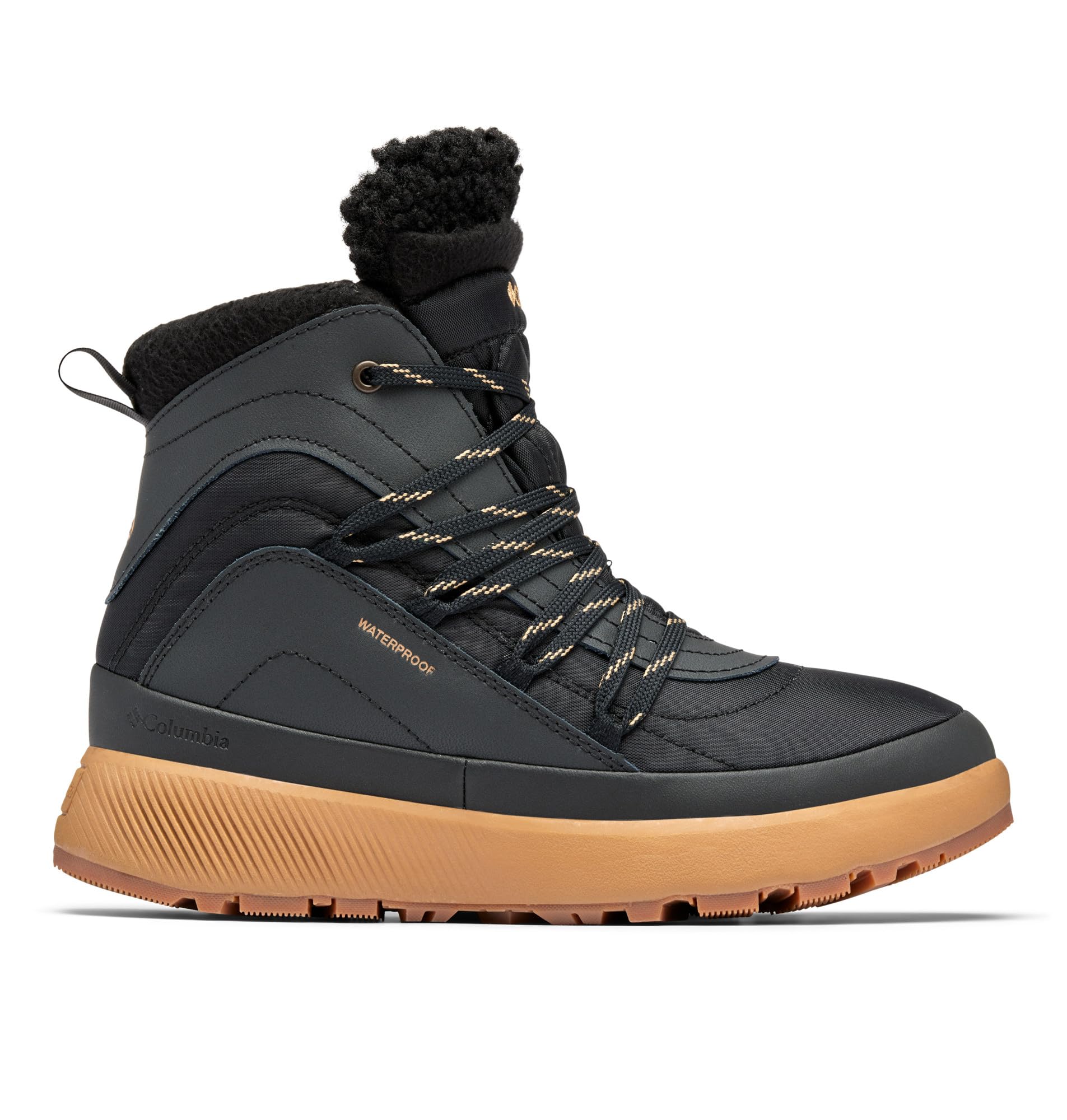


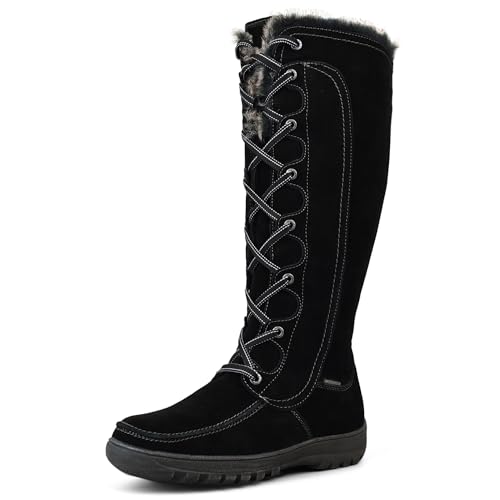
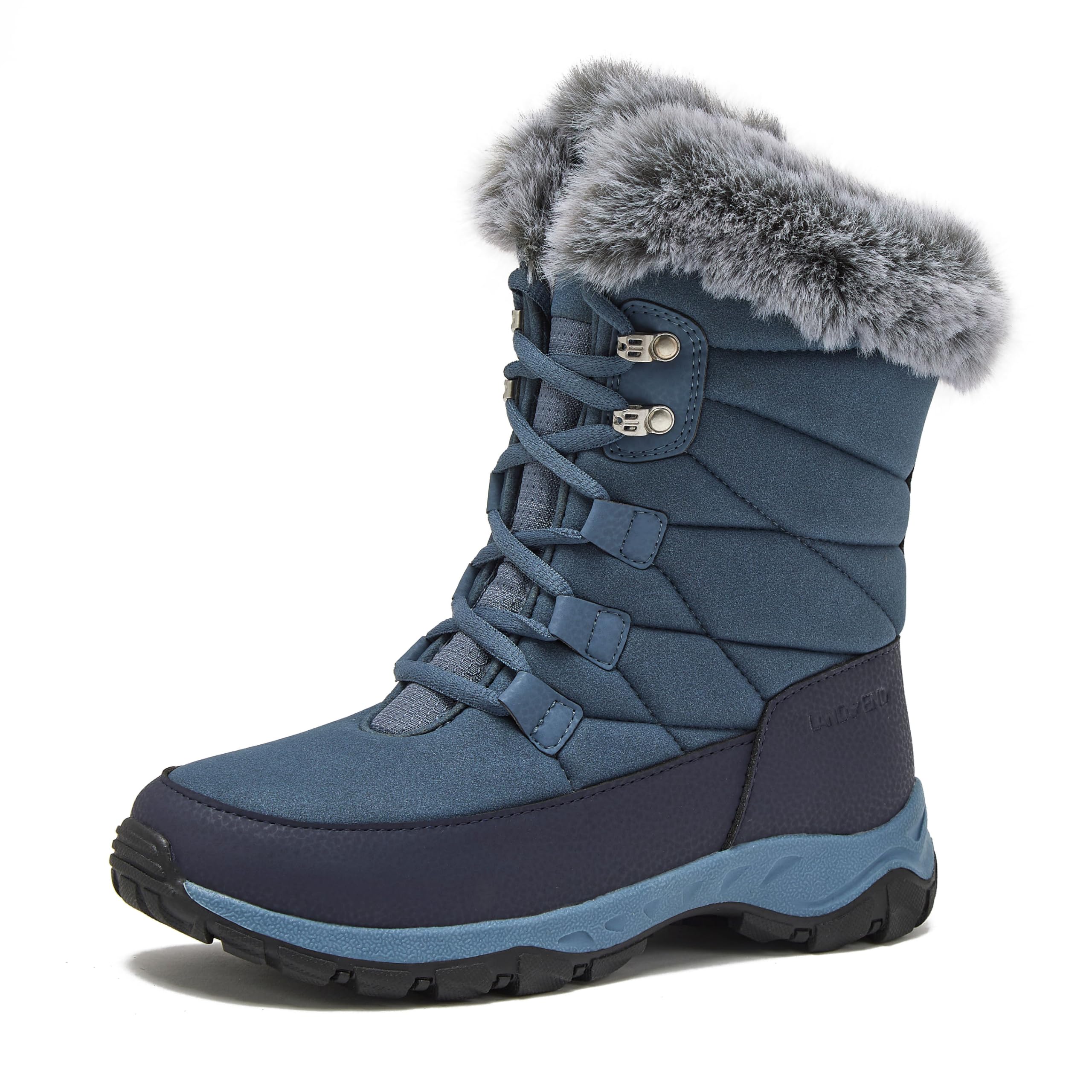
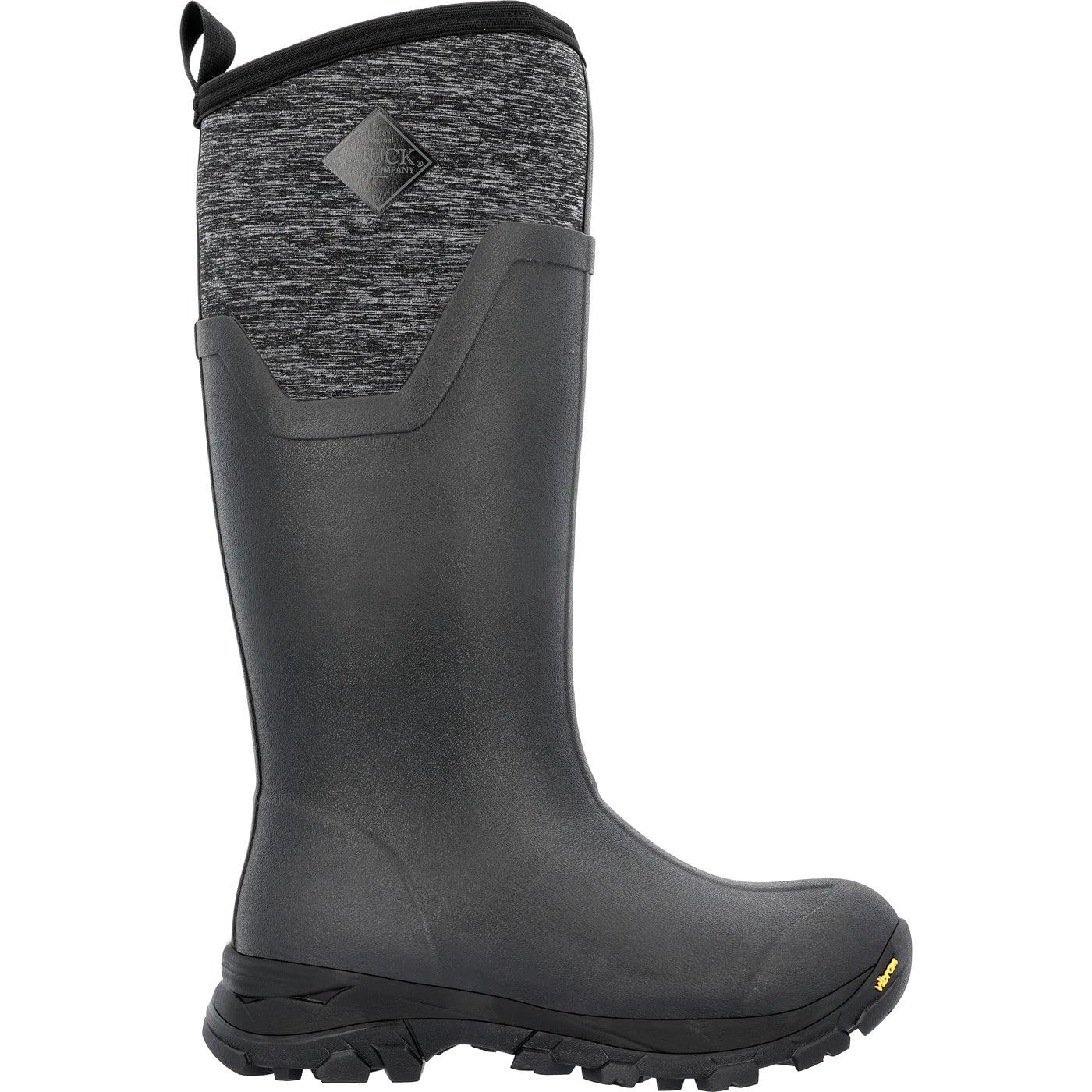
Who Should Buy Women's Snow and Ice Boots on Each Budget
Women Who Commute Across Icy Sidewalks and Lots
If your walk to work crosses frozen curbs and parking lots, put most of your budget into the outsole and a secure lace up fit. Each step lands on the slickest surfaces of your day, so a mid height boot with deep lugs and a snug heel earns its cost quickly. Midrange prices usually cover this need without extreme cold insulation.
Women Who Work Outdoors in Snow for Hours
Outdoor workers and women clearing long driveways stay out long enough for thin insulation and small leaks to become real problems. Look for taller shafts, sealed seams, and insulation suited to active use in deep cold, even at premium prices. If severe cold matters more than ice, see our guide to the best women's winter boots for snow and ice.
Women Who Walk Dogs and Hike Easy Winter Trails
Trail walkers meet uneven snow, hidden ice under fresh powder, and slush at road crossings in one outing. You need a boot that bends at the forefoot for a natural stride, grips on uneven ground, and keeps snow out when you step off the packed path. For rougher ground, see our guide to the best women's hiking boots for snow and ice before choosing a casual city style.
What Each Price Tier Buys You in Winter Traction and Warmth
Budget Tier: Basic Warmth for Mild Winter Towns
Budget boots, about $60 to $100, pair a water resistant upper with a simple lugged sole and light synthetic insulation. That mix handles dry snow, short walks, and cleared sidewalks, and suits women who face only a few icy weeks each year. Trade offs include faster sole wear, a less precise heel fit, and linings that lose comfort during long, windy waits.
Midrange Tier: Sealed Uppers and Ice Focused Rubber
At about $100 to $180, this range commonly adds true waterproof membranes, sealed seams, and rubber that stays flexible when temperatures drop. Insulation grows thicker, fits become more shaped at the heel and calf, and soles gain varied lug angles for braking on slopes. If you walk daily in a snowy city, compare the best boots for snow and ice women's category against your sock thickness and start here.
Premium Tier: Lighter Weight and Deep Cold Protection
Premium boots, about $180 to $280, use lighter insulation that still traps serious heat, durable leather or advanced textile uppers, and stable midsoles for long days. Expect better hardware, smoother lacing, and linings that manage moisture during active use. This tier suits subzero regions and women who wear one pair daily for months.
Key Features to Compare in Women's Snow and Ice Boots
Traction Rubber and Lug Shape for Packed Ice
Ice grip starts with rubber that stays soft in the cold, because hard rubber skates across frozen ground instead of biting into it. Look for deep, multidirectional lugs with wide spacing, firm edges, and siping, the small slits that open under your weight and add contact points. For sole designs in detail, see our guide to the best snow boots for women's with ice grip.
Waterproofing, Sealed Seams, and Snow Entry Points
A waterproof membrane only helps if the rest of the boot keeps water out, so check for sealed seams and a gusseted tongue that blocks the lace area. Membranes such as Gore Tex add breathable protection for active wearers, while coated uppers cost less but breathe poorly. A shaft that closes snugly at the top also stops slush and loose snow from creeping in.
Insulation Weight and Breathability for Changing Activity
Insulation is sold by weight, commonly about 200 to 400 grams for active walking and about 600 grams or more for standing in deep cold. More is not always better, because a boot that traps heat on a brisk walk leaves socks damp and feet colder later. Match the fill to your activity first and your climate second, and favor moisture wicking linings if you move between heated buildings and cold streets.
Women's Last Shape, Calf Fit, and Toe Box Room
Boots built on a women's last usually carry a narrower heel, a slimmer and lower calf, and arch placement set for a smaller foot, which stops heel slip and blisters. The toe box still needs real width, because toes should spread slightly for balance on ice and need room for midweight socks. Try boots late in the day with winter socks, and reject pairs that lift at the heel.
Arch Support, Cushioning, and Heel to Toe Drop
A firm arch and a cushioned midsole spread the load across your foot when frozen ground returns every step with little give. Women with flat feet or overpronation often prefer a stability design that limits inward roll, while high arches do better in a neutral cushioned boot with room for an aftermarket insole. Heel to toe drop usually sits around 8 to 12 mm in winter boots.
Shaft Height, Total Weight, and Closure Style
Shaft height decides how deep a drift you can cross before snow pours in, and mid calf styles suit most town and trail use. Weight adds up across a long day, so a heavy boot needs a clear reason, such as deep cold work. Laces give the most adjustable hold, while a side zip speeds entry but adds a leak path. For broader choices, see our guide to the best women's snow boots.
Common Mistakes to Avoid When Buying Women's Winter Boots
- Choosing smooth fashion soles for icy streets leaves you warm but unable to grip on the days you need traction most.
- Buying your summer shoe size without trying thick socks leads to pinched toes that feel colder in crowded insulation.
- Paying for the thickest insulation in a mild city winter makes feet overheat and sweat through socks on active walks.
- Ignoring calf fit lets the shaft rub or gape, so snow enters at the top and chafing ends walks early.
- Assuming water resistant means waterproof puts you in deep slush with wet socks once seams start leaking.
- Storing boots wet keeps linings damp, so odors build and insulation slowly loses its loft.
Care and Maintenance for Women's Snow Boots
Dry boots at room temperature after wet outings, with insoles removed and shafts propped open so air reaches the lining. Keep them away from radiators, because hot air cracks leather and weakens sole glues. Brush dried salt off with a soft cloth and clean water, since road salt pulls moisture from leather and leaves stiff marks.
Renew water repellent finishes when water stops beading on the upper, and condition leather only with products made for waterproof boots. Check laces, eyelets, and lug edges each month, and plan for replacement insoles and fresh laces as your main long term costs. Store boots clean, dry, and upright out of direct sun.
Frequently Asked Questions About Women's Snow and Ice Boots
What makes women's snow and ice boots different from men's snow boots?
The difference is fit, not color. Women's versions use a shorter sizing scale and a last shaped around a narrower heel, a higher instep in many designs, and a calf opening placed lower on the leg. That shaping matters on ice, because a boot that moves with your foot instead of shifting at each step is far less likely to slide at a slick crossing.
How long is the break in period for women's snow boots?
Most insulated winter boots feel close to their final fit within about three to five short outings. Wear a new pair indoors first, then on brief errands, and save long hikes until pressure points settle. If a spot still rubs after a week, the size or last is likely wrong, because thick insulation compresses only slightly.
How should women's snow boots fit at the heel and toes?
Your heel should stay seated as you walk, toes should clear the front by roughly a thumb width, and nothing should press hard enough to tingle. Test fit on a ramp or sturdy step, because toes that feel fine standing still can jam forward on descents. Bring the exact socks you plan to wear for the test.
Can women wear snow and ice boots all day at work?
Yes, and if your job moves between indoor heat and outdoor cold, choose moderate insulation and a breathable lining rather than the warmest model. Standing roles on concrete benefit from a supportive insole and a midday sock change. For fully heated offices, keep indoor shoes instead, because heavy insulated boots at a desk leave feet hot and tired.
Do women's boots for snow and ice need to be waterproof?
For slush, wet snow, and treated sidewalks, yes, because meltwater pools where you step and soaks stitched uppers within minutes. In very cold, dry regions where snow stays powdery, a water resistant boot can be enough and may breathe better. Judge your usual route honestly, since one flooded curb can matter more than average snowfall figures.
Our Verdict
Spend first on ice grip, then on waterproofing that matches your slush level, then on a women's fit that holds your heel without crowding your toes. Budget boots serve mild towns, midrange boots cover most daily winter walking, and premium pairs repay months of deep cold use. Check the product table above before ordering the best boots for snow and ice women's pair in your tier, and confirm return terms for fit.


