Best Boots for Slushy Weather at Every Price: What Your Money Really Gets You in 2026
Disclosure: We may earn a commission when you buy through links on this page, at no extra cost to you. As an Amazon Associate I earn from qualifying purchases. Learn more

Compare boots for slushy weather across price tiers. Learn what sealed seams, traction, and insulation you get and where extra spending pays off most.
Slush is harder on boots than deep snow or plain rain. It soaks from below, splashes from the side, and hides slick pavement under a gray layer. The best boots for slushy weather keep that cold mix out while you keep your footing, and prices vary widely for reasons that are not always obvious. Use the comparison table below to see how the main types line up.
This guide sorts the spending for you. You will learn which buyers can save, which buyers gain real protection by paying more, and which features matter far more than looks.


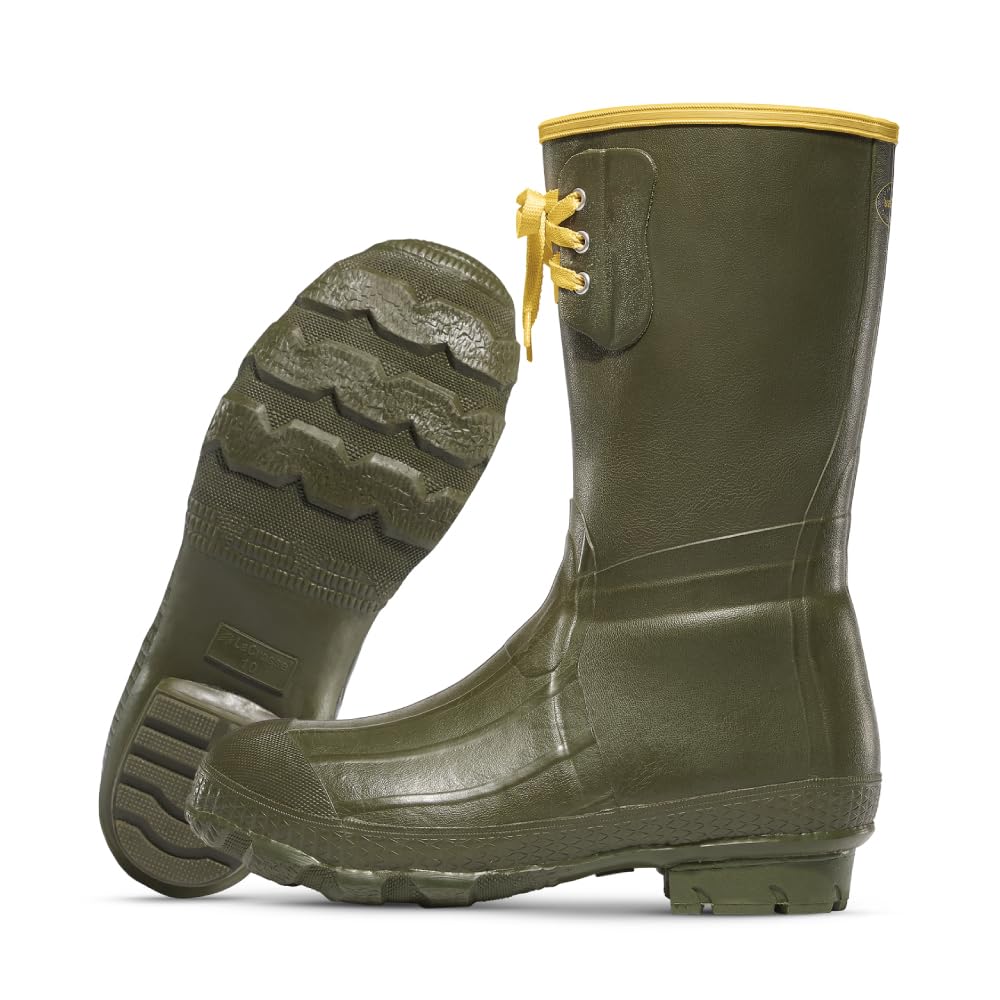

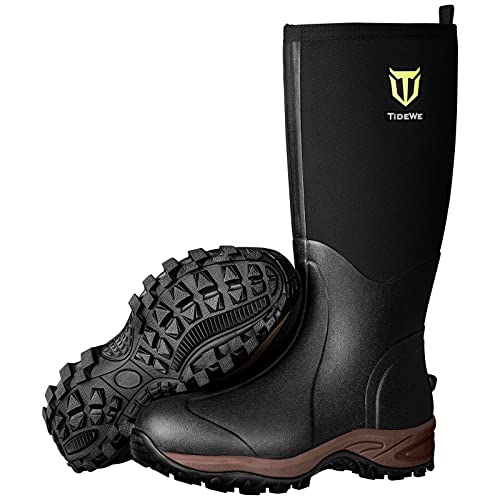

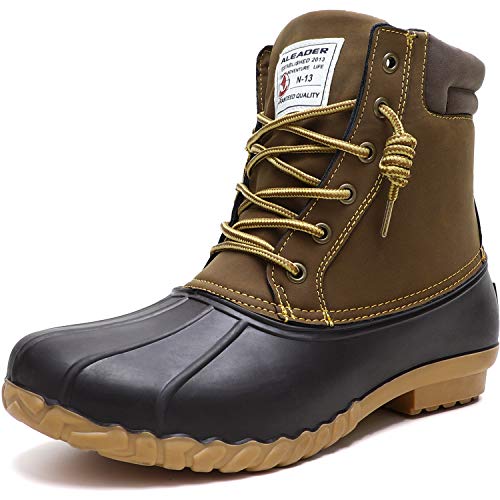

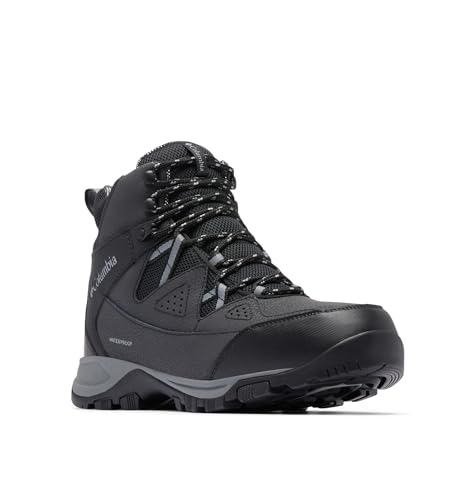
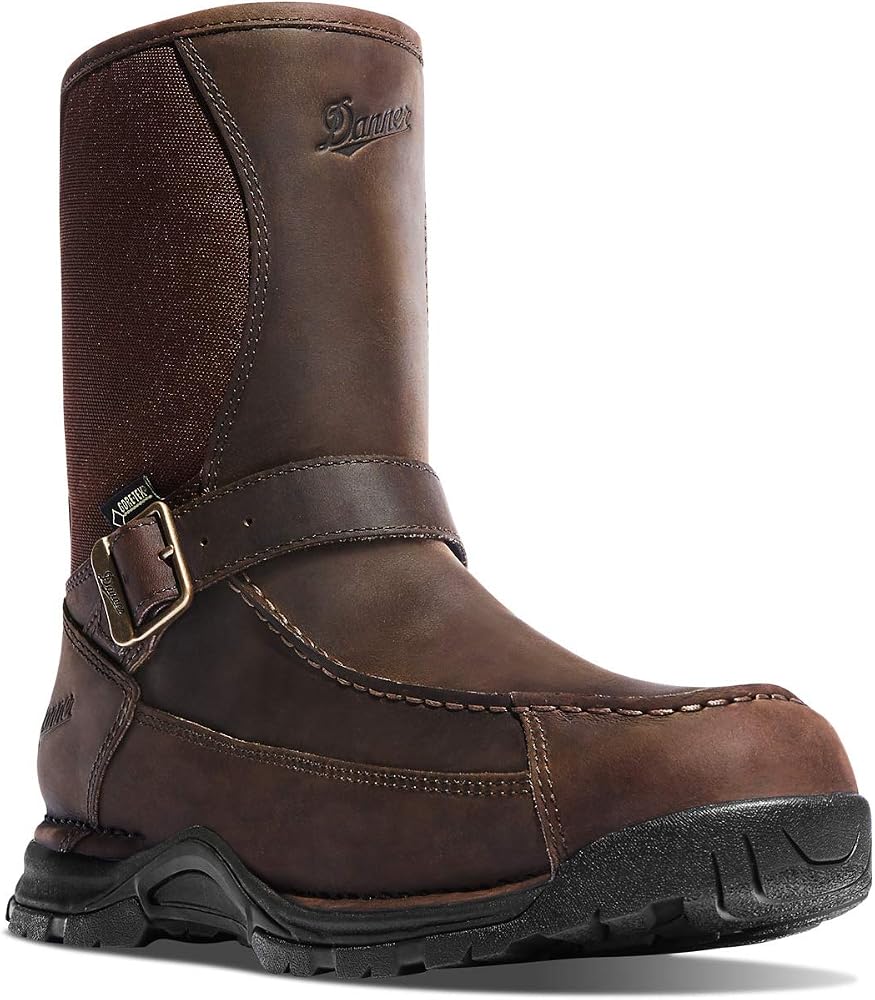
Who Should Buy Boots for Slushy Streets and Sidewalks
Start with how you meet slush most days. Your distance on foot, time standing still, and exposure to road salt should shape both the boot style and the budget you set.
Daily Commuters Who Walk to Transit
You cross plowed intersections, wait on wet platforms, and step through curb puddles that can reach your ankles. Choose a mid calf shaft, sealed seams, and a rubber outsole with clear grip on wet stone and tile. Cushioning and arch support matter because hard sidewalks punish your feet over a full week. A lighter boot also helps on stairs.
Drivers Who Shovel, Load, and Run Errands
Your slush time comes in short bursts around driveways, parking lots, and store doors. A pull on style saves time, and a roomy toe box lets you wear thick socks without pinching. Look for a sole that flexes enough for pedals yet still bites on an icy ramp. If most trips are short, a modest price can cover your needs.
Outdoor Workers Who Stand in Slush for Hours
You may direct traffic, deliver goods, or tend animals while slush soaks the ground all shift. Standing still cools feet faster than walking, so insulation and a dry lining matter more for you than for a brisk walker. Stability under load matters too, since a loaded cart can pull you sideways on slick ground. Your use justifies a higher tier more often.
What You Get for Your Money in Slush Season
When you shop for the best boots for slushy weather by price, compare what each tier protects rather than how tall the boot looks. The gaps below describe typical trade offs you will see across brands.
Budget Tier: Basic Dryness for Light Use
Boots around $50 to $90 usually pair a rubber lower section with a simpler upper and basic seam sealing. They keep out shallow slush on short trips and clean off easily after salt exposure. Expect thinner cushioning, modest insulation, and an outsole that grips wet pavement but feels less secure on polished ice. This tier suits errand runs and short dog walks, while daily long walks expose its limits.
Middle Tier: Stronger Sealing and All Day Comfort
Boots about $90 to $160 often add a proven waterproof membrane such as Gore Tex, fully sealed seams, and deeper lugs in a softer rubber compound. Insulation becomes more even, linings dry faster, and the fit offers better arch support. If you want one pair for a whole season of commuting, start here. Readers comparing broader options can see our guide to the best all weather boots for use beyond the slush season.
Premium Tier: Warmth, Grip, and Longer Service
Boots about $160 to $250 earn their price through dense insulation, tough leather or advanced synthetic uppers, and outsoles tuned for wet ice. You also tend to get a more shaped fit, better stability on frozen ruts, and parts that resist salt damage longer. This tier pays off if you work outdoors or walk far each day. For deeper cold without slush, see our guide to the best cold weather boots as a useful contrast.
Key Features to Compare
Judge each feature by the slush problem it solves. A tall boot that leaks at the seams still fails, and a warm boot with a flat sole still slides.
Waterproofing, Sealed Seams, and Shaft Height
Slush enters through stitch holes, tongue gaps, and low collars before it ever soaks through solid rubber. Look for a waterproof membrane, sealed seams, and a gusseted tongue that blocks the mix at the laces. Shaft height decides splash protection, with mid calf styles guarding most curb puddles and knee high styles guarding deep drifts. A close collar fit also helps, since a wide gap at the top lets spray from passing cars straight inside.
Outsole Traction and Lug Pattern
Traction in slush depends on lug depth, lug spacing, and rubber that stays flexible in the cold. Lugs about 4 to 6 mm deep can push through loose slush to reach the pavement below, while wide gaps shed the mix instead of packing it flat. Siping, the small cuts across each lug, adds edges that grip wet stone and painted crosswalks. Avoid smooth soles, because they skate on the thin water film over ice.
Insulation, Lining, and Breathability
Insulation is often listed by weight, with about 200 grams suiting active walkers in mild cold and about 400 grams suiting slower or colder days. More is not always better, since a hot foot sweats, and damp socks then chill your skin once you stop. A lining that pulls moisture away keeps that cycle calmer, and breathable membranes let some vapor escape. If your slush season blends into warm rain, see our guide to the best warm weather boots for lighter choices.
Fit, Sizing, Toe Box, and Closure
Measure your feet late in the day, when they are at their largest, and judge fit while wearing your winter socks. Your toes need room to spread for balance on slick ground, so a toe box that allows slight wiggle room protects comfort and warmth. Heel slip should stay small, because a loose heel rubs blisters and weakens stability. Laces give the closest seal at the ankle, while pull on styles trade fit control for speed. Heel to toe drop feels lower in most winter boots, which helps you sense the ground.
Season Long Costs of Wearing Boots in Slush
The purchase price is only part of what a slush boot costs you. Wool blend socks, spare insoles, and salt removing cleaner add a modest yearly sum. A budget pair replaced every season can cost more over three winters than a middle tier pair that lasts, and worn lugs cannot be restored once the rubber is smooth. Count warranty terms and replacement laces too, then divide the total by the winters you expect from the pair.
Common Mistakes to Avoid
These errors send many buyers back to the store by mid season.
- Choosing a low shaft for deep curb slush soaks your socks within the first block.
- Buying a tight fit for thick socks cuts circulation and makes your feet feel colder.
- Trusting a water resistant label in standing slush lets seams leak under steady pressure.
- Picking smooth fashion soles for icy sidewalks turns each crosswalk into a slide risk.
- Paying for heavy insulation for short car trips leaves your feet sweaty and uncomfortable.
- Skipping salt rinses after each storm lets road salt dry out leather and stain fabric.
Care and Maintenance for Boots Used in Slush
Rinse road salt off your boots with plain water after storm days, then wipe the uppers and soles with a soft cloth. Salt left in place pulls moisture from leather and leaves stiff white marks on fabric. Stuff the boots loosely with paper and let them dry at room temperature away from direct heat, since hot air can crack rubber and warp glued seams.
Once dry, brush dried mud from the lugs so the tread can bite again, and check seams, eyelets, and sole edges for gaps or peeling. Treat leather with a conditioner made for wet use if the maker advises it, and store the pair upright in a cool dry place.
FAQ
What features matter most in boots for slushy weather?
Sealed waterproofing, shaft height, and outsole grip matter most in boots for slushy weather. Start with those three, then judge warmth against how long you stay outside. One point many buyers miss is collar fit, since a snug top edge stops splashes that a tall shaft cannot block if it gaps open.
Do I need waterproof boots for slushy weather?
Yes, you need fully waterproof boots for slushy weather, not merely water resistant ones. Slush presses melt water against seams for minutes at a time, which defeats light coatings. A quick home check helps too, so stand in a shallow tray of water and feel inside for damp spots before your first storm walk.
Can I wear boots for slushy weather all day?
Yes, you can wear boots for slushy weather all day if the fit, cushioning, and warmth match your activity. Indoor heat is the usual problem, so a pair that feels perfect at a bus stop may feel hot at a desk. Keep a pair of indoor shoes at work if you can, and your boots will also dry fully between outings.
How often should I replace boots for slushy weather?
Replace boots for slushy weather when the lugs look smooth, the lining stays damp, or the seams begin to leak. Timing varies with mileage, so judge the boot rather than the calendar. Press a thumbnail into the outsole edge, since rubber that feels hard and slick in cold air has often lost its grip.
How long is the break in period for boots for slushy weather?
The break in period for boots for slushy weather is usually short, often a few wears around the house and two or three short walks. Rubber and foam styles may feel right at once, while stiff leather uppers soften more slowly. Wear your winter socks during this stage, because a boot that feels fine in thin socks can pinch once your real socks go on.
Final Thoughts
Match shaft height and sealing to your deepest usual slush, grip to your slickest street, and insulation to how long you stay out. Let price follow those needs, and use the product table above to confirm the tier that fits your winter.
Chosen that way, the best boots for slushy weather stop being a gamble on the forecast. You get dry socks, steady steps, and a pair that earns its place by the door all season.