
Best Boots for Scrambling in 2026: Grip, Fit and Ankle Support
Disclosure: We may earn a commission when you buy through links on this page, at no extra cost to you. As an Amazon Associate I earn from qualifying purchases. Learn more

Compare the best boots for scrambling by sticky grip, toe precision, ankle support, fit and weight, with a clear checklist for rocky ridges and scree.
Scrambling sits between hiking and climbing. You walk steep ground, step onto rock slabs, use your hands for balance, and cross loose scree on the way down. The best boots for scrambling grip like an approach shoe yet support your ankle like a boot, and this guide shows you how to judge both sides in the comparison table below.
Start with the ground you actually cover. Short rock steps on a dry ridge ask for precision at the toe, while wet slabs and loose stone ask for stronger support and a tougher upper. The sections below match each route type to outsole, fit, stiffness and weight.


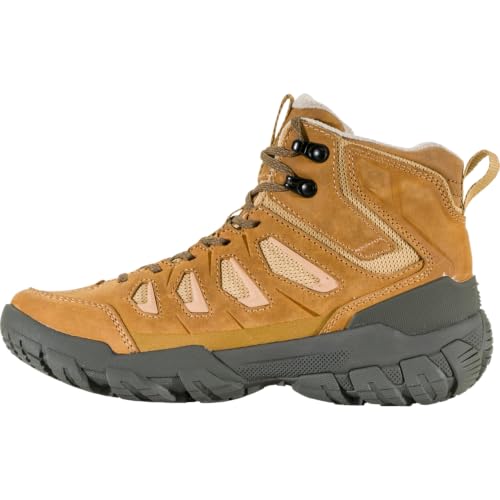
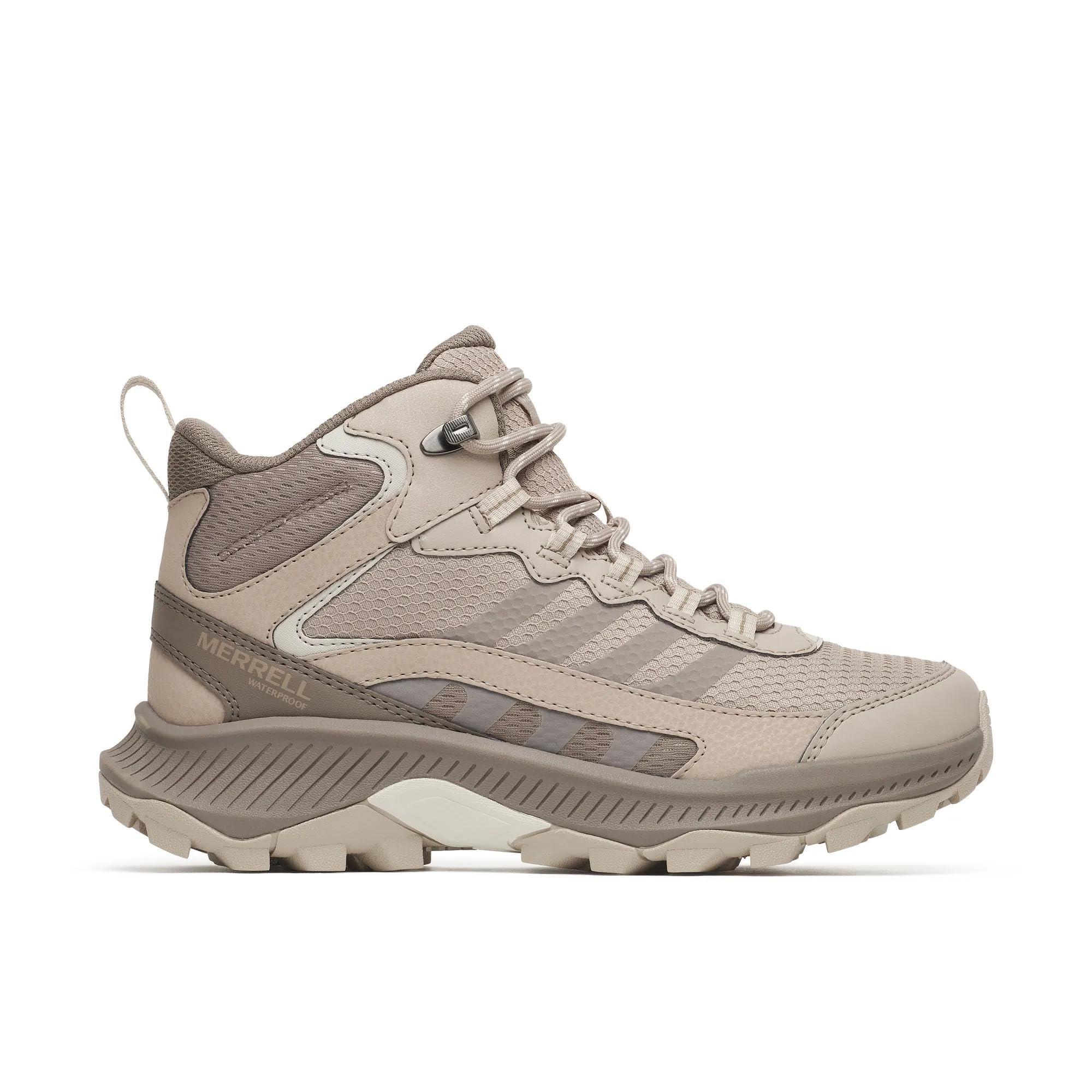
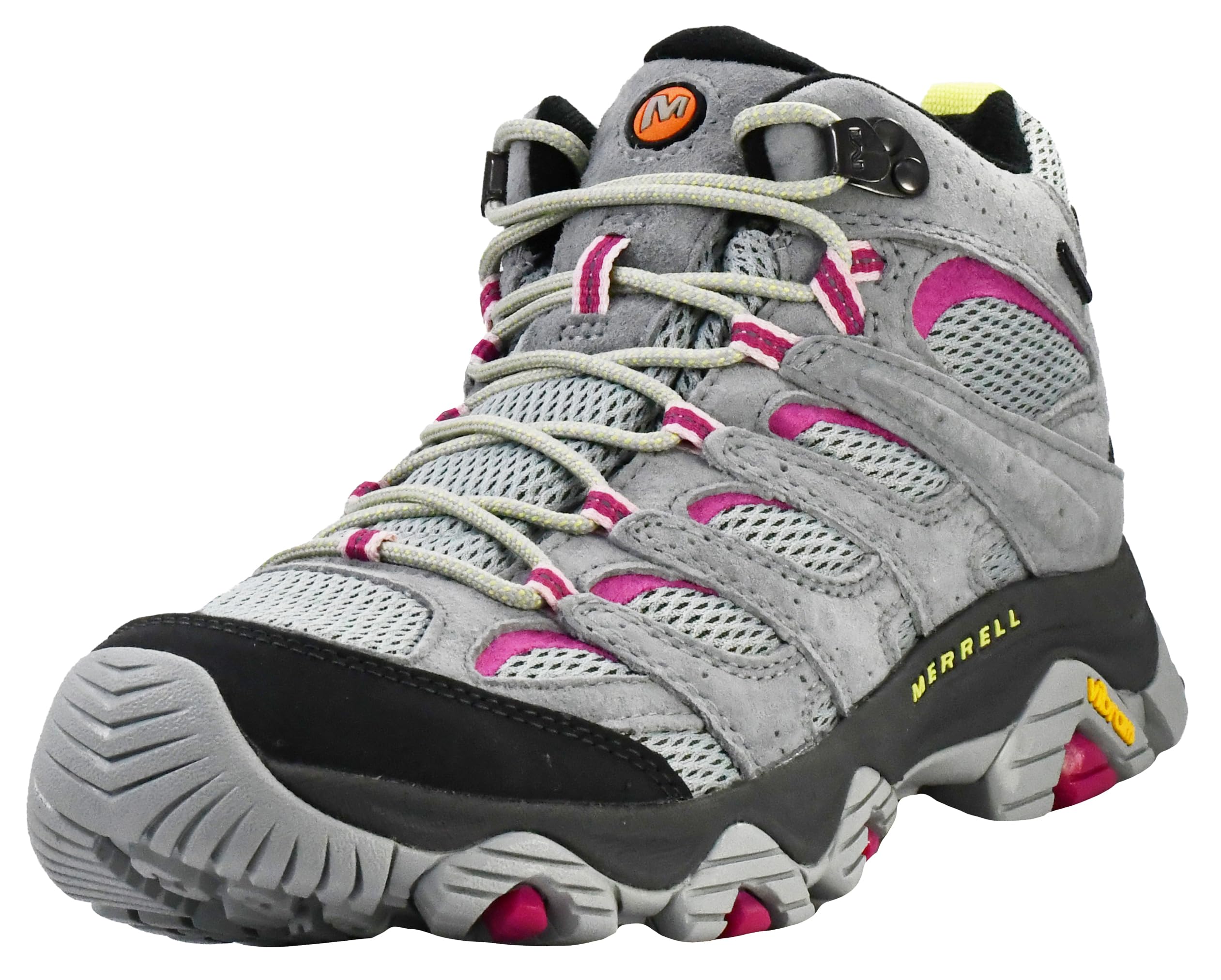


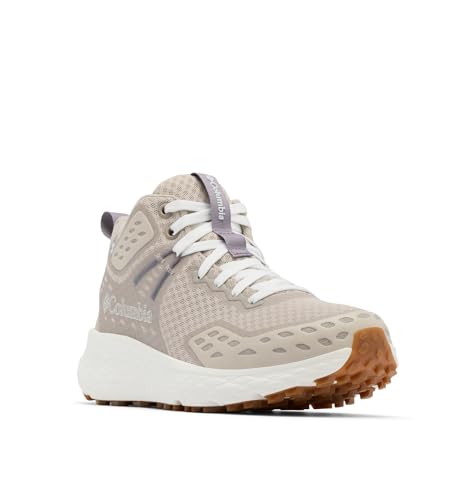

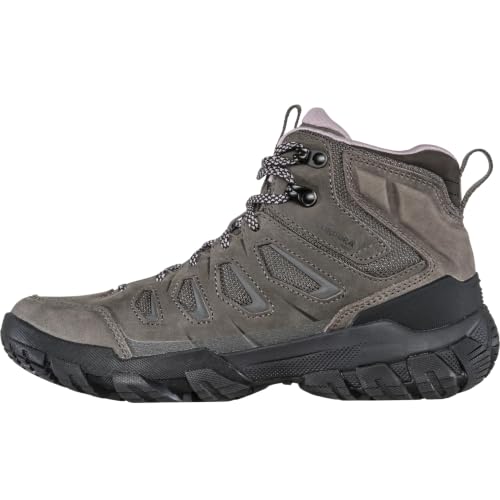
Who Should Buy Which Scrambling Boots?
Pick by the hardest move on your usual route, not by the easy walk in. A boot that feels fine on a flat trail can feel clumsy on a rock step.
Hikers Who Leave the Trail for Rocky Ridges
You follow paths that turn into exposed rock, placing your feet on edges and steadying yourself with a hand. Choose a mid height boot with sticky rubber, a firm sole and a close fit at the heel. You need stiffness to stand on a small edge without the sole folding, plus enough flex to walk several miles in comfort.
Climbers Who Want More Support Than an Approach Shoe Gives
You already move well on rock, but your ankles tire on long approaches and rough descents under a pack. Choose a boot with a precise toe, a stiff midsole and a higher cuff than your current shoes.
Walkers on Wet, Loose and Mixed Ground
Your routes mix wet grass, mud, broken rock and slab in one day. Choose a waterproof boot with deeper lugs at the heel for braking on descents and a broad, stable sole. A membrane keeps feet drier in boggy ground, and a tough upper resists cuts from sharp stone.
Key Features to Compare
Compare these factors in the same order each time, because grip and fit decide your safety on rock long before comfort extras matter. When you shop for best boots for scrambling, test the toe and the heel first, then judge the upper, cushioning and weight.
Outsole Grip, Sticky Rubber and Edging
The outsole is your contact with the rock, so its rubber and shape matter more than any other part. Sticky rubber grips smooth slabs better than hard rubber, while deeper lugs bite into dirt and scree between rock sections. Look for a flatter zone under the toes, since a smooth patch there lets you smear on slabs and stand on edges.
Toe Box Shape, Toe Precision and Toe Protection
A scrambling toe box is narrower than a roomy hiking toe box, because your forefoot must stay put when you weight a small hold. You still need space to spread your toes on descents, so aim for a close fit without pressure on the longest toe. A rubber toe cap shields the upper from sharp rock.
Ankle Support, Stability and Sole Stiffness
A higher cuff limits sideways ankle movement on uneven stone and gives stability when a foot lands on a loose rock. Sole stiffness matters just as much: a sole that twists easily makes edging tiring, while a very stiff sole can feel clumsy on easy ground. Moderate resistance suits most scrambling, and stronger resistance suits heavier packs.
Fit, Sizing and Heel Hold on Rock Steps
Try boots late in the day, when your feet are at their largest, and wear the socks you use on the hill. Your heel should stay down as you step up onto a stair edge, and your toes should clear the front when you push the foot forward. Many scramblers size close to their hiking boot size, while some go half a size down for precision. Never accept heel lift, because lift turns into blisters.
Upper Materials, Breathability and Waterproof Membranes
Leather uppers resist abrasion and hold their shape on rough ground, but they feel warmer and dry slowly. Synthetic panels and mesh vents breathe better on dry summer ridges and weigh less, yet sharp rock can scuff them sooner. A Gore Tex membrane suits wet climates and boggy approaches, while a non waterproof upper drains and dries faster after stream crossings.
Cushioning, Arch Support and Boot Weight
Cushioning under the heel softens long descents on hard trails, but a very thick sole lifts your foot away from the rock and dulls precision. A moderate stack with a firm arch area keeps the foot stable on edges and supports flat feet and high arches alike with the right insole. Most scrambling boots weigh about 2 to 3 pounds per pair, and lighter pairs reduce leg fatigue.
Types of Scrambling Boots Compared
Three types cover most routes. If you are still deciding between footwear styles, see our guide to the best hiking boots for scrambling for the boot side of the choice, and our guide to the best approach shoes for scrambling if a lower and lighter shoe may suit your ground better.
Light Mid Height Boots for Dry Ridges
These boots pair a sticky outsole and a close toe with a light, flexible upper. They walk well, feel precise on dry rock and suit summer ridges with a long approach. Choose this type if your scrambling is mostly dry and done with a light pack.
Stiff Support Boots for Steep and Rough Routes
These boots use a firm midsole, a higher cuff and a tough leather or dense synthetic upper. They edge well, carry heavier packs and protect your feet on talus. Choose this type for steep routes, frequent scree and days when your ankles tire first.
Low Scrambling Shoes for Short Rock Sections
Some walkers prefer a low shoe when the rock is brief and the walking is long, and our guide to the best shoes for rock scrambling covers that option in detail. Treat them as a fair weather choice, not a swap for a boot on rough routes.
Common Mistakes to Avoid
Most poor buys come from judging a scrambling boot like a normal hiking boot.
- Buying a roomy hiking fit leaves your forefoot sliding on edges, so each rock step feels uncertain.
- Choosing hard, deep lug soles alone gives weak grip on smooth slabs, so wet rock becomes a slide risk.
- Ignoring heel lift in the shop leads to blisters and poor control on steep descents.
- Picking the stiffest boot for easy ridges makes walking tiring, so you avoid wearing the boots at all.
- Wearing brand new boots on a long exposed route risks sore feet far from an easy way down.
Care and Maintenance for Scrambling Boots
Brush grit and dried mud from the outsole and upper after each outing, because trapped grit grinds at stitching and rubber. Rinse with plain water when mud is heavy, then air dry the boots away from direct heat, since heat can crack leather and weaken glue at the sole.
Check the toe cap, the rand and the outsole edges before big days out. Small cuts in the rubber or lifting at the rand grow quickly on sharp rock, and early repair costs less than a new pair. Treat leather with conditioner when it looks dry, reproof membranes as the maker directs, and store boots upright in a cool, dry place. Replace insoles that have gone flat.
FAQ
What features matter most in scrambling boots for steep rock?
Sticky rubber and a precise toe matter most in scrambling boots for steep rock. Those two decide whether a small edge feels secure or sketchy. After grip, judge heel hold, because a locked heel keeps the precise toe where you placed it.
How long is the break in period for scrambling boots?
The break in period for scrambling boots is usually about 20 to 40 miles of walking. Stiff leather models sit at the long end of that range, while light synthetic models often feel ready sooner. Build up on short, low routes first, and add tape to any hot spot the moment you feel rubbing.
Are expensive scrambling boots worth paying more for?
Expensive scrambling boots can be worth paying more for if you scramble often on rough rock. Higher prices usually buy stickier rubber, a better shaped last and a tougher rand, and those details show up as confidence on slabs. Spend first on fit, and treat brand as the last tie breaker.
How should scrambling boots fit for edging and descents?
Scrambling boots should fit close at the heel and midfoot, with a thumb width of space in front of your longest toe. That space protects toes on descents, while the close heel keeps the boot steady for edging. Lace the lower section snug and the cuff a touch looser if your ankle needs more flex on the walk in.
How often should I replace scrambling boots?
You should replace scrambling boots when the toe rubber rounds off, the midsole feels dead, or the upper splits at a flex point. Many pairs last about 400 to 700 miles, but sharp rock can wear the toe zone long before the heel looks worn. Check the front third of the outsole under bright light.
Wrapping Up
Put grip first, fit second and support third. Dry ridge walkers can go lighter, climbers can go more precise, and wet ground walkers should keep a membrane and deeper heel lugs. Use the product table above to compare outsole, weight and cuff height.
When you judge best boots for scrambling by the rock under your feet rather than by looks or price alone, the right pair feels secure on a step in the shop and calm on a slab outside. Choose that pair and break it in on short routes.


