Best Boots for Postal Workers for 2026: A Buying Guide
Disclosure: We may earn a commission when you buy through links on this page, at no extra cost to you. As an Amazon Associate I earn from qualifying purchases. Learn more

Long routes punish feet. Compare the best boots for postal workers on fit, cushioning, traction and waterproofing for city and rural carriers.
A postal route turns ordinary walking into a full workday of pavement, porches, curbs and stairs, often for 8 to 12 miles. Choosing the best boots for postal workers means matching cushioning, grip and fit to that steady mileage. This guide explains the factors that matter most on route, and the comparison table below brings the main options together.
Your needs also change with the season and the route itself. A carrier on dry city blocks faces different demands than one climbing rural driveways after rain, and swollen feet at hour six feel nothing like fresh feet in the morning.


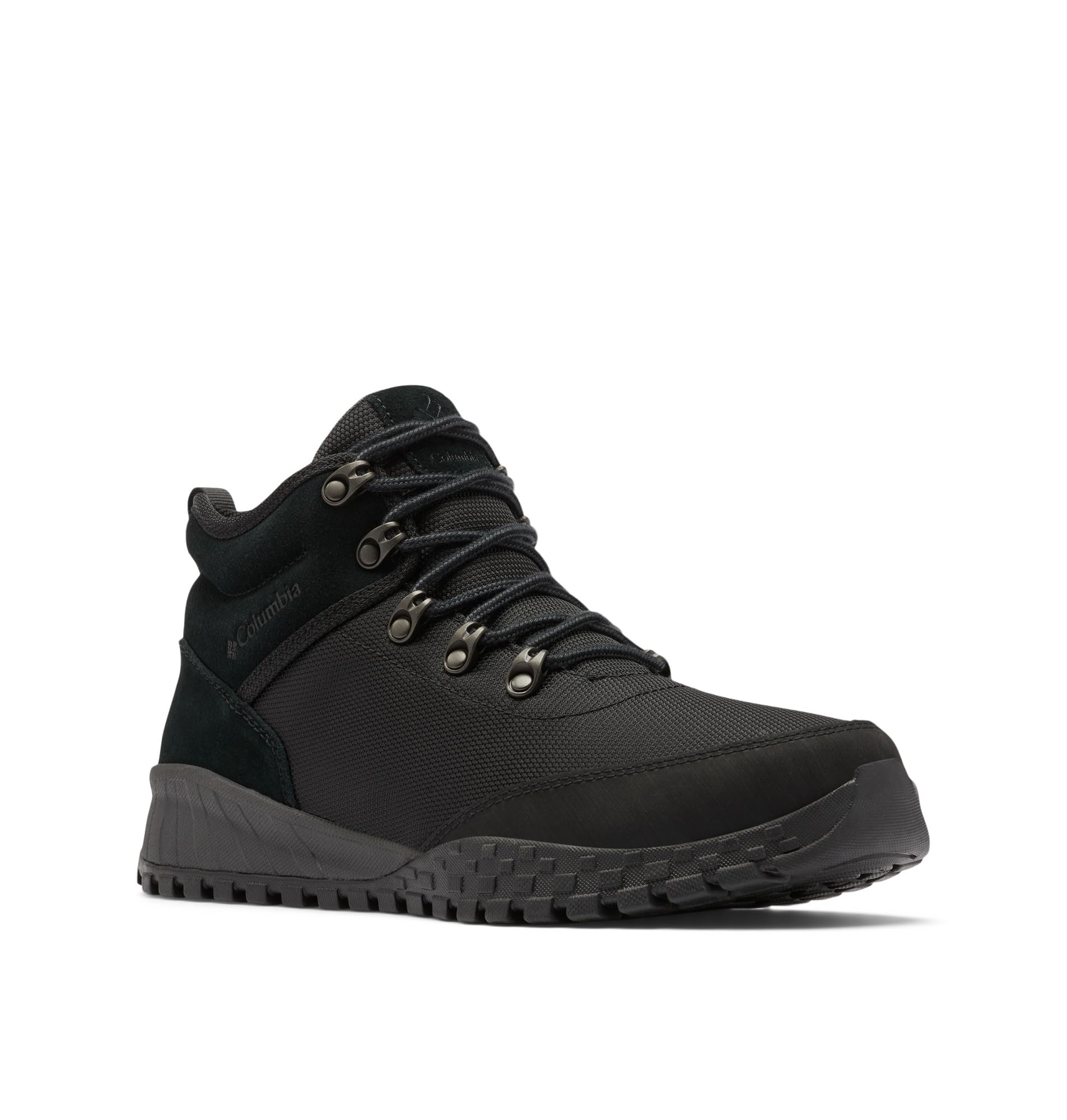
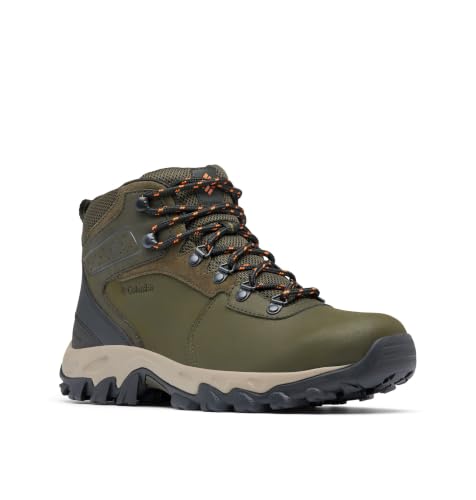
Who Should Buy Boots for Postal Route Work?
City Carriers Walking Pavement Routes All Day
You need a boot that treats concrete and asphalt as the main terrain, because repeated impact on hard surfaces tires your legs by midafternoon. Prioritize deep cushioning, a flexible forefoot and grip on painted crosswalks and smooth tiles. For a comparison on hard surface support, see our guide to the best boots for concrete workers.
Rural Carriers Crossing Grass, Gravel and Mud
Rural routes mix surfaces in a single loop, from gravel shoulders to wet lawns and uneven driveways where a flat city sole can skate. Look for a deeper lug pattern, a taller upper that keeps grit out, and a stable heel for sloped ground. Ankle support matters more for you, since one hidden dip can roll a tired foot.
Carriers Facing Rain, Snow and Slush on Route
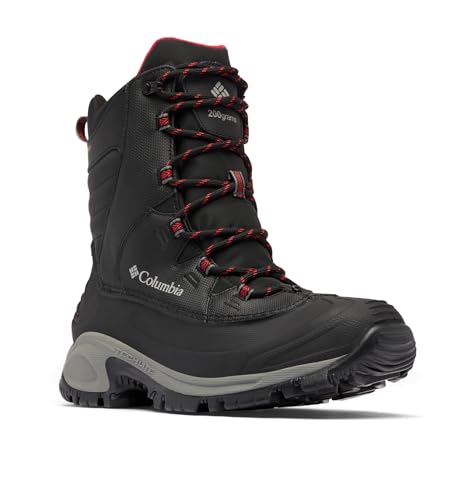
If your route runs through standing water, slush at curbs and snow packed porches, waterproof protection becomes a daily requirement. A sealed membrane and gusseted tongue help keep socks dry through the shift. For deeper winter coverage, see our guide to the best winter boots for postal workers.
Key Features to Compare
When you compare the best boots for postal workers, judge each model against the same route based checklist below. A boot that fails on fit or traction will still cost you comfort before the week ends.
Fit, Sizing and Toe Box for Feet That Swell on Route
Measure both feet in the afternoon, when they are at their largest, and size to the longer foot. A roomy toe box lets your toes spread on push off and prevents sore nails on downhill porches, while the heel should sit snug so it does not lift. Leave a thumb width in front of your longest toe and wear your route socks for the fitting.
Cushioning and Arch Support for High Mileage Days
Cushioning absorbs the shock that pavement sends into your knees and lower back thousands of times per shift. A thicker midsole suits heavy daily mileage, while firmer foam holds its shape longer. Arch support should match your foot shape, because a flat foot needs gentle structure to limit inward rolling, and a high arch needs padding under the midfoot. If foot, knee or back pain keeps returning, talk with a clinician about personal needs.
Outsole Traction for Porches, Steps and Wet Pavement
The outsole is your only contact with slick porch paint, wet leaves and icy steps, so tread design deserves close attention. Lugs of about 3 to 5 mm give mixed routes something to bite with, while flatter contact zones suit smooth city surfaces where wide rubber patches grip best. Look for siping, the small cuts in the rubber that open on wet ground.
Waterproofing, Gore Tex Membranes and Breathability
A waterproof membrane such as Gore Tex blocks rain and puddle water while letting some sweat vapor escape, which is why sealed boots feel warmer than open mesh styles. Choose full waterproofing when you step through wet grass or slush daily, since soaked padding adds weight and chills feet fast. For dry and hot routes, a breathable upper dries quicker overnight and vents heat better.
Weight, Flexibility and Heel to Toe Drop
Every ounce on your foot is lifted thousands of times a day, so weight adds up across a route. Many walking focused boots weigh about 13 to 20 ounces per boot. Lighter styles reduce leg fatigue, while heavier builds bring thicker uppers and deeper tread. Heel to toe drop, the height difference between heel and forefoot, often sits around 8 to 12 mm, with a higher drop easing calf pressure.
Upper Height, Ankle Support and Durability
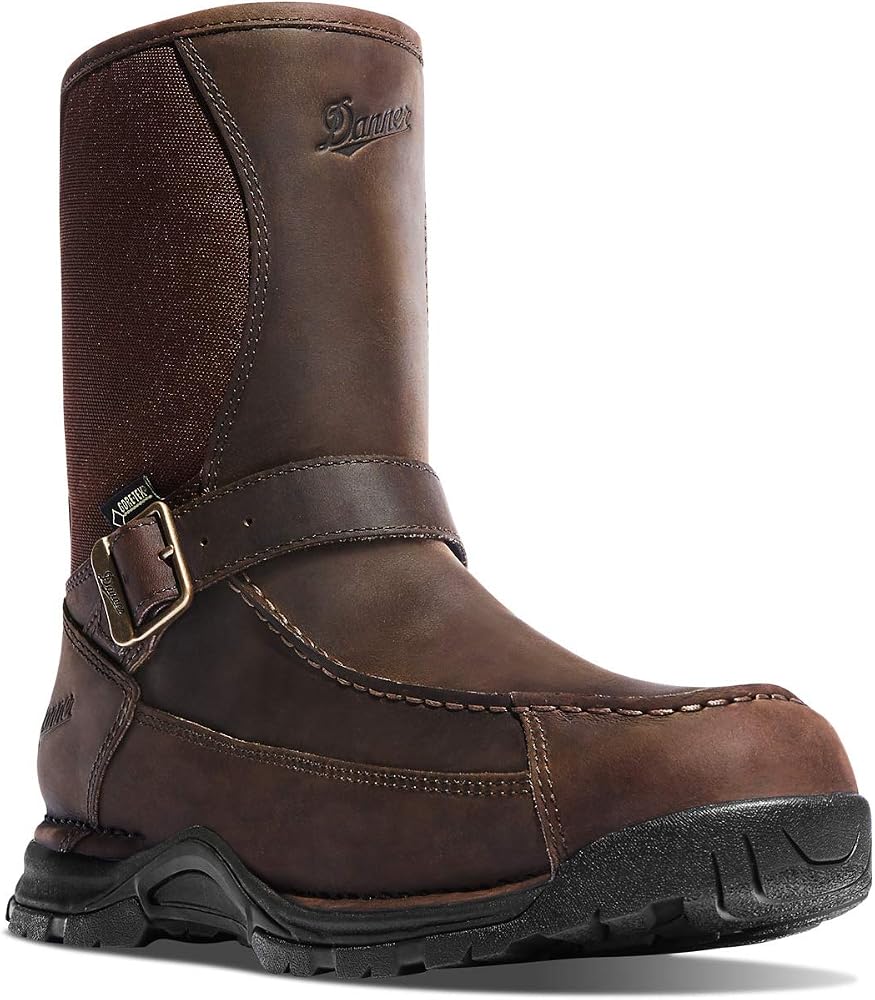
A mid height collar steadies the ankle on cambers and yard edges while still bending easily for driving, and a taller shaft suits snow and loose gravel. Leather uppers resist scrapes and mold gradually to your foot, while synthetic uppers start lighter and dry faster. Check stitching around the toe and heel, since those zones flex the most and usually show wear first.
Types of Boots for Postal Routes Compared
Boot types split by support style and weather protection. Readers who prefer a lower shoe cut can also see our guide to the best postal shoes.
Lightweight Boots for Dry City Walking
Lightweight boots use thinner uppers and softer midsoles to cut fatigue on dry pavement loops, and they suit carriers who value a nimble feel for frequent stops. The tradeoff is thinner protection against rocks and soaked ground. On the driest routes, some carriers instead check our guide to the best walking shoes for postal workers.
Stability Support Boots for Feet That Roll Inward
Stability boots add firmer foam on the inner midsole and a structured heel counter to guide feet that roll inward as they tire. They fit carriers who notice uneven wear on the inner edge of old soles or aching arches late in a shift. The feel is more controlled and a little less soft than a neutral boot.
Neutral Cushioned Boots for Balanced Strides
Neutral boots rely on even cushioning without corrective structure, which suits carriers whose ankles stay upright and who wear through the center of the outsole. They tend to feel softest on pavement miles and work well with separate insoles. If your old boots lean sharply to one side, a neutral design may not give enough guidance.
Waterproof Boots for Wet and Cold Routes
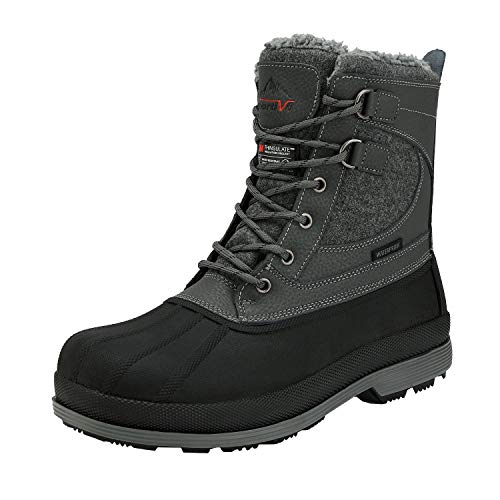
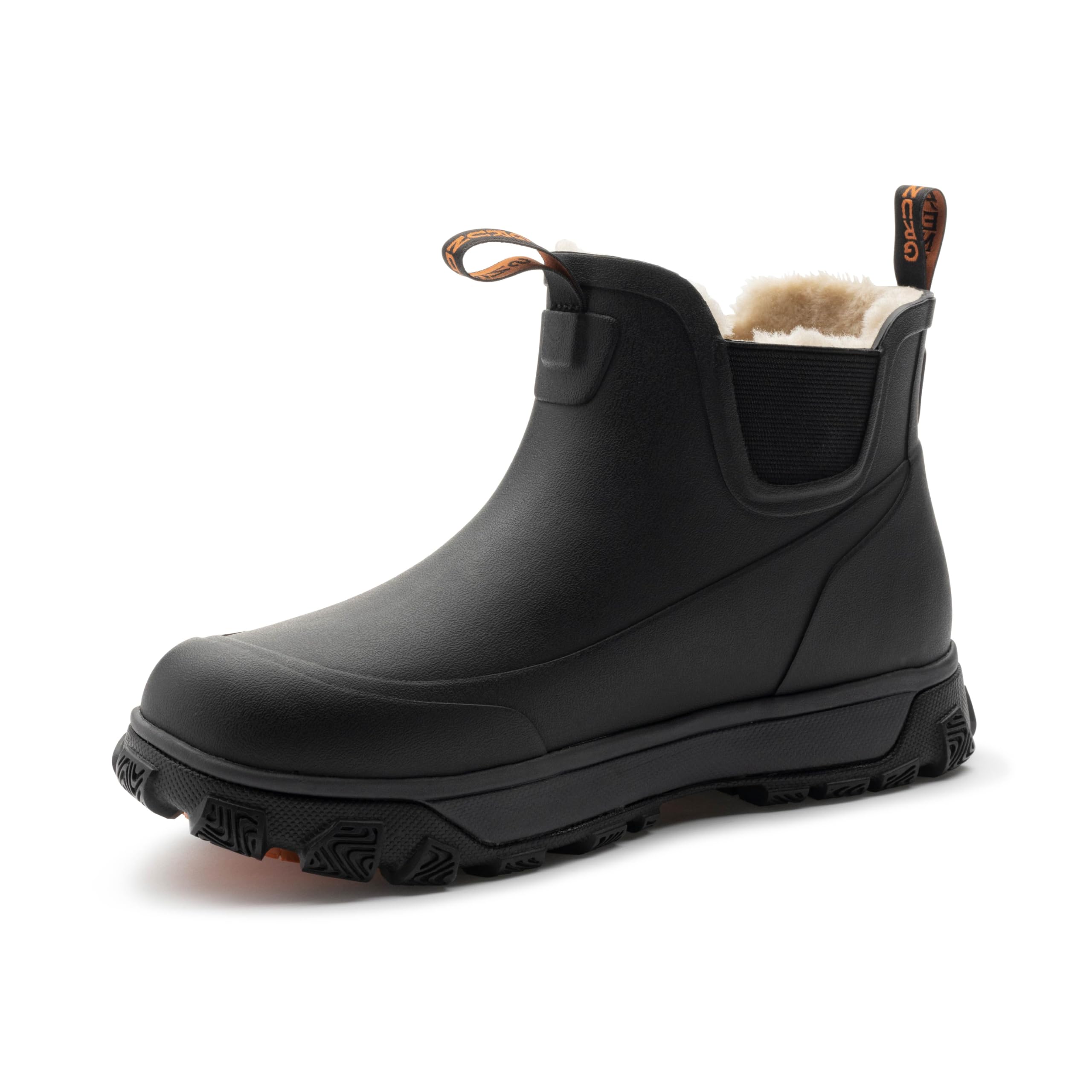
Waterproof boots pair a sealed membrane with treated uppers and a closed tongue to keep route water out. They are the natural pick for rainy regions, snowy neighborhoods and rural stops with wet grass at every box. Expect a warmer, slightly stiffer ride than a breathable boot, plus slower drying once the inside gets damp.
Common Mistakes to Avoid
- Buying boots fitted in the morning, so the size pinches once your feet swell late in a shift.
- Choosing deep trail lugs for pavement routes, so the tall knobs wear fast and grip less on smooth tile.
- Wearing new boots on a full route at once, so stiff spots turn into blisters before you can change.
- Ignoring a smooth patch worn into the heel, so one slick porch step can send you sliding.
- Picking the lightest boot for a snowy rural route, so thin uppers soak through and socks stay cold.
Care and Maintenance for Postal Route Boots
Brush dried mud from the uppers and lugs after each shift, because grit left in the tread cuts grip and works into seams. Pull the insoles out, loosen the laces, and air dry the boots away from direct heat, since a radiator can crack leather and warp foam. Rotating two pairs gives midsole foam a day to recover.
Leather uppers benefit from an occasional conditioner once they look dry, while synthetic uppers usually need only a wipe with a damp cloth and mild soap. Check laces for fraying and replace worn laces before one snaps mid route. Store boots upright in a dry spot out of strong sunlight.
FAQ
What features matter most in boots for postal workers on high mileage walking routes?
Fit, cushioning and wet weather grip matter most, because those three decide how your feet feel at mile ten. Track one typical week of route distance and surfaces, then match tread depth and waterproofing to that record instead of guessing. A boot that fits your longest day rarely feels like the wrong purchase.
How should boots for postal workers fit when feet swell during a shift?
Boots for postal workers should feel secure at the heel with clear space at the toes when you try them late in the day. Use the extra top eyelet to lock the heel down, which stops forward slide without crushing the forefoot. If your toes still strike the front on a slope after relacing, the size is wrong.
Are expensive boots for postal workers worth the higher cost?
Expensive boots for postal workers can be worth it when the extra cost buys durable leather and a midsole that holds up past one season. Compare cost per route day, since a boot at about $160 worn for 200 shifts costs less per day than a boot at about $90 that gives up after 80 shifts.
Do postal workers need waterproof boots for year round delivery routes?
Postal workers need waterproof boots only when wet ground is a regular part of the route, not as an automatic default. Use one practical test, which is whether your socks come home damp at least twice in a normal wet week. If they do, waterproofing earns its warmth on wet routes.
How often should postal workers replace boots worn on daily routes?
Postal workers should plan to replace route boots roughly every 300 to 500 miles of walking, which can arrive within a few months on a full walking route. Watch for deep creases across the midsole, a heel that leans to one side, and new aches in the same spot each day.
How long is the break in period for new postal route boots?
The break in period for new postal route boots usually runs about one to two weeks of gradually longer wear. Start with errands and short walks, then wear the boots for part of a shift while carrying your trusted pair as backup, because leather models soften more slowly than soft synthetic styles.
Our Verdict
The right route boot starts with an end of day fit, adds cushioning matched to your mileage, and finishes with tread and weather protection for your streets. Match the type to your route, then use the product table above to compare details. Chosen that way, the best boots for postal workers become the quietest part of your workday.