Best Boots for Police Academy: What Actually Matters Before You Buy for 2026
Disclosure: We may earn a commission when you buy through links on this page, at no extra cost to you. As an Amazon Associate I earn from qualifying purchases. Learn more

Use this checklist to choose the best boots for police academy training, covering fit, traction, support, academy rules, and lasting comfort on long days.
Academy days are long, physical, and closely inspected, so your boots have to do far more than look sharp at morning formation. The best boots for police academy training are the ones that follow your academy rules, fit your feet honestly, and still feel steady after hours of standing, marching, and drilling. A boot that pinches or slips will distract you constantly.
This guide works as a checklist you can run against any pair before you spend money. Work through the fit, traction, support, and build points below, then compare your shortlist with the comparison table below.


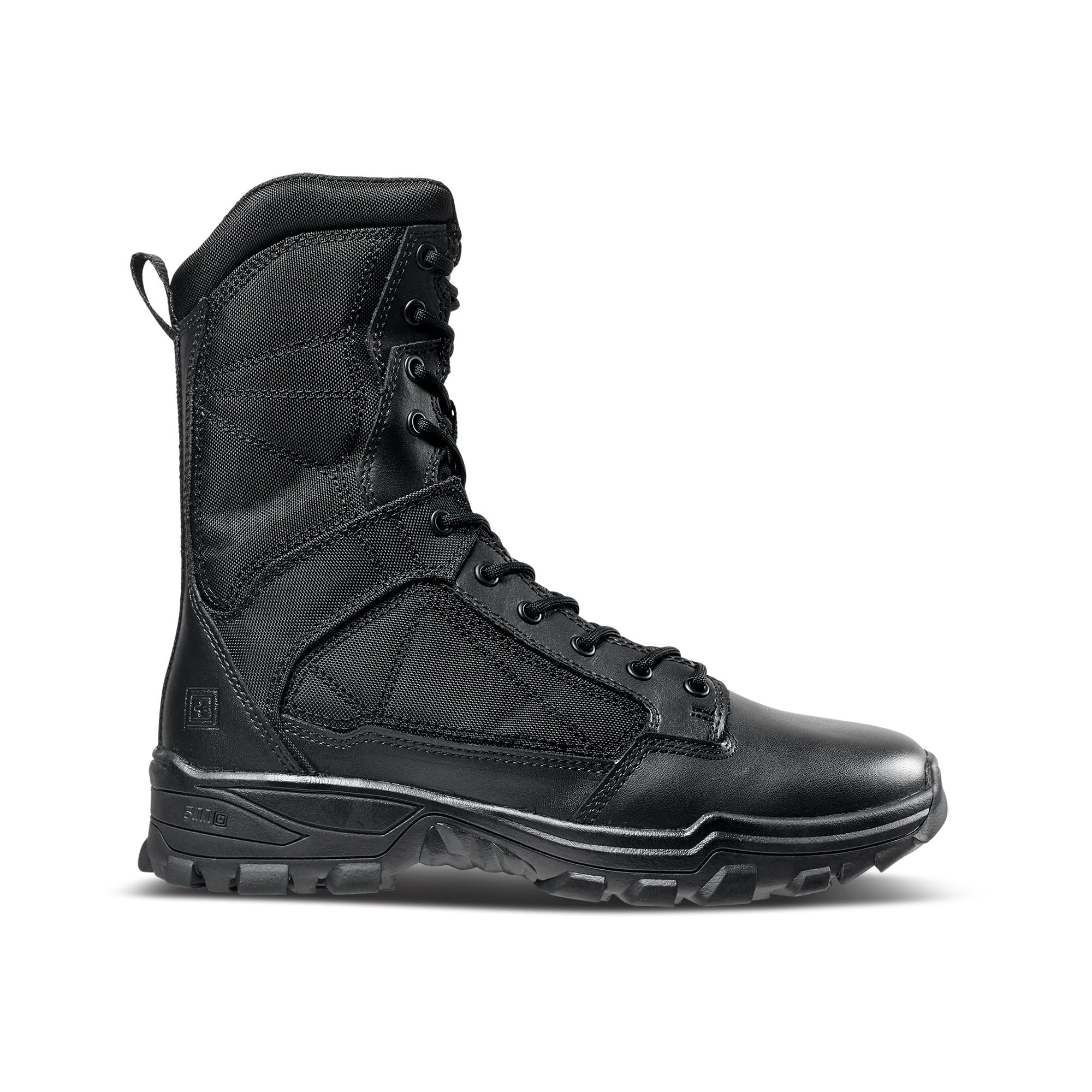


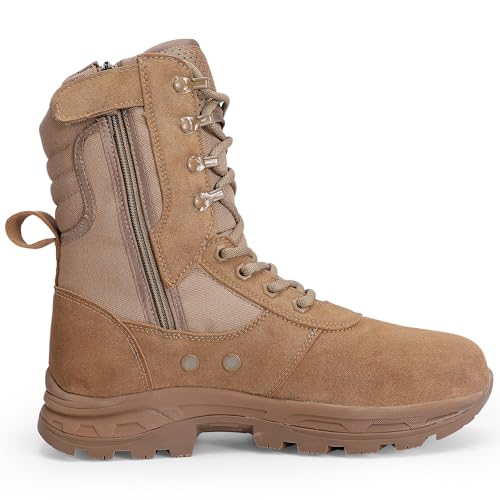

How to Evaluate Boots Before Academy Starts
Treat every candidate pair like it has to pass an inspection, because it will. Score each boot on rules, fit, grip, weight, support, and materials, and drop any pair that fails one category badly. If you want a wider view of duty footwear first, see our guide to the best police boots before you narrow your list.
Features That Matter for Police Academy
Academy wear differs from ordinary duty wear because your day mixes classroom sitting, drill practice, physical training, and defensive tactics. Most academies require a black boot with a polishable toe, a plain front with no visible logos, and a shaft reaching the ankle or higher. Confirm the rules in your handbook first, since a boot that breaks the dress code is useless however comfortable it feels. After rules, stability matters most, because a steady base protects your ankles during quick direction changes.
Fit, Sizing, and Toe Box
Shop and measure your feet in the afternoon, when they are at their largest after a day of walking and standing. Wear your training sock, and check that the toe box leaves roughly a thumb width in front of your longest toe so your toes never jam during sudden stops. Your heel should sit snug with almost no lift when you walk, while the widest part of your foot should flex without pressing hard against the sides. Between sizes, choose the larger size and fine tune fit with a thicker sock or a quality insole.
Outsole Traction and Terrain
The outsole is your only contact with wet pavement, drill fields, hall floors, and grass, so its pattern deserves attention. Lugs around 3 to 5 mm deep grip loose ground well, while flatter rubber with fine grooves holds better on smooth indoor floors, and many academy boots blend both zones. Look for oil resistant, slip resistant rubber, and flex the boot to confirm the sole bends at the ball of the foot, not the middle. Recruits who expect lots of obstacle and tactics work can also see our guide to the best police tactical boots for a more aggressive style of footwear.
Weight and Flexibility
Every ounce on your foot is lifted thousands of times a day, so lighter boots reduce leg fatigue during runs and long formations. A good boot still needs a sturdy shank and ankle support, so judge weight against protection rather than chasing the lightest pair available. Flexibility matters too, because a boot that bends naturally at the forefoot lets your stride roll instead of slap. Note the heel to toe drop too, since a moderate drop feels familiar to most runners, while a very flat boot can strain unprepared calves.
Arch Support and Foot Type
Hours on hard floors punish weak support, so match the boot to your arch. Flat feet usually do better with a firmer midsole and a stability design that slows overpronation, while high arches often need extra cushioning because the foot absorbs shock poorly. Many boots accept a replacement insole, which adds arch support without changing sizes. If you develop sharp heel pain, numbness that keeps returning, or swelling that does not settle overnight, stop and talk with a clinician or the academy medical staff rather than training through it.
Upper Materials and Breathability
Full grain leather takes a shine for inspections and resists scuffs, but it feels warm and needs a real break in period. Panels of nylon or mesh make a boot more breathable and lighter, which helps during summer training and indoor workouts, though they will not polish. A Gore Tex lining blocks rain, yet it slows drying once the inside gets wet and adds warmth in hot weather. Many recruits land on a mixed upper, with leather at the toe and heel for polish and fabric panels along the sides for airflow.
Buying Guidance Beyond the Checklist
Once a boot passes the core checks, three decisions separate a smart purchase from a regret: shaft style, waterproofing, and budget planning.
Choosing Shaft Height and Closure Style
Most academies require a boot around 6 to 8 inches tall, and the taller shaft gives more ankle support during uneven ground work and tactics drills. Shorter shafts feel lighter and flex more easily, which some recruits prefer for running heavy programs. Standard laces give the most precise fit and are accepted everywhere, while side zip designs speed up morning dressing but can feel looser around the ankle and may be banned by stricter dress codes. Check that eyelets and speed lacing hooks feel like solid metal rather than thin stamped parts.
Deciding on Waterproofing and a Polishable Toe
Waterproofing earns its cost if your academy trains outdoors through the rainy season, because wet feet blister faster and chill quickly. If most training happens indoors or in a dry climate, a plain breathable upper dries faster and feels cooler. The polishable toe is rarely optional, since instructors inspect shine and a fabric toe simply cannot take polish. Test toe leather with your thumbnail; smooth leather that marks cleanly and wipes clear holds a gloss far better than coated finishes.
Setting a Budget and Planning Ahead
Serviceable academy boots often cost around $150, and most recruits stay well under $250 while still getting better leather, stronger stitching, and a sole that lasts the full program. Budget for quality socks and a basic care kit too, since socks do half the comfort work. Think past graduation too, because a well kept academy boot often becomes a backup duty boot later; see our guide to the best boots for police officers to understand how duty needs change once you are on the job. A second identical pair bought midway, once you trust the fit, spreads wear and gives you a dry pair on wet weeks.
Quick Buyer Checklist
Run through these questions for every pair you try, and treat any no as a reason to pause.
- Does the boot match your academy rules for color, height, and toe finish?
- Can you wiggle your toes freely while standing in your training socks?
- Does your heel stay seated when you climb stairs or lunge?
- Does the sole grip both smooth floors and outdoor pavement with confidence?
- Can you polish the toe to a clean shine with normal boot polish?
- Does the boot feel steady when you stand on one foot for ten seconds?
- Is the weight comfortable after fifteen minutes of walking the store?
- Does the seller allow exchanges if the fit changes after break in?
Red Flags to Watch For
Some boots look the part in photos yet fail quickly under academy use, so watch for these signs.
- Vague sizing charts with no guidance on width, which often means inconsistent fit between production runs.
- A fashion style toe made of coated material that cracks instead of polishing, which fails inspection within weeks.
- Soles glued with no stitching and no stated rubber type, which can separate during hot weather drills.
- No stated shaft height or materials list, which makes it impossible to confirm academy dress code compliance.
- A warranty of only a few weeks on seams and soles, which signals the maker expects a short service life.
One flag deserves a closer look, and two or more together mean you should choose a different pair. Use the product table above to compare stated specs side by side, since gaps stand out quickly when you line up contenders for the best boots for police academy training.
How to Make Your Academy Boots Last Longer
Brush off grit after each training day, because ground in dirt acts like sandpaper inside creases and stitching. When boots get soaked, loosen the laces, remove the insoles, and air dry them away from direct heat, since high heat stiffens leather and weakens sole glue. Condition smooth leather once it starts looking dry, and keep polish on the toe so scuffs stay shallow and inspections stay easy.
Rotate two pairs if your budget allows, giving each a full day to dry between wears. At home, changing into sandals and recovery footwear lets your feet cool and your insoles dry fully, which slows odor and foam breakdown. Graduates who keep this rotation habit on shift work make the same point in our guide to the best police patrol boots. Replace insoles when they stay flat after a rest day, check laces for fraying monthly, and retire a boot when the outsole tread wears smooth at the heel or ball.
Frequently Asked Questions
What features matter most in boots for police academy training?
Rules compliance, honest fit, and steady traction matter most in boots for police academy training. A boot must satisfy the dress code, fit with toe box room and a locked heel, and grip your training surfaces. One detail many recruits miss is lace quality, since thin round laces loosen during drills, while flat laces hold tension all day.
How long is the break in period for police academy boots?
The break in period for police academy boots usually runs about one to two weeks of daily walking. Start with short walks, then add longer outings before a full training day. Wear the boots for chores and errands first, which builds flex in the leather without the blister risk of a sudden ten hour day.
How often should police academy boots be replaced?
Police academy boots should be replaced when the midsole feels dead, the tread wears smooth, or the upper cracks beyond what polish can hide. For many recruits one pair survives the academy, while heavier trainees or wet climates wear a pair out sooner. Keep your receipt, because a sole that separates early is a warranty conversation, not a cost you should quietly absorb.
Do police academy boots need to be waterproof?
Police academy boots only need to be waterproof if your training includes regular rain, wet fields, or winter slush. Waterproof linings help there but add warmth and slow drying. In a hot, dry region, treat plain leather with a light water resistant wax instead, which sheds splashes while keeping the boot cooler.
Are expensive police academy boots worth the cost?
Expensive police academy boots are worth the cost only when the extra money buys fit options, better leather, and a resoleable or strongly bonded sole. Paying more for styling or features your academy bans adds nothing. A smarter splurge is a mid priced boot plus insoles fitted to your arches, which improves comfort more than a premium label.
Can police academy boots be worn all day?
Police academy boots can be worn all day once they are broken in and paired with proper socks. These boots are built for long shifts of standing and walking, so a full academy day sits within their design. Change socks at midday if allowed, because dry socks cut friction during afternoon training, and loosen laces slightly during classroom blocks.
Final Thoughts
The right academy boot passes your dress code, fits with room to swell, grips every surface you train on, and supports your arches through long days. Use the checklist above, compare finalists against the product table above, and allow two weeks to break the winning pair in. Choose carefully and your best boots for police academy purchase will carry you from the first inspection to graduation without costing you focus, comfort, or points on the drill field.