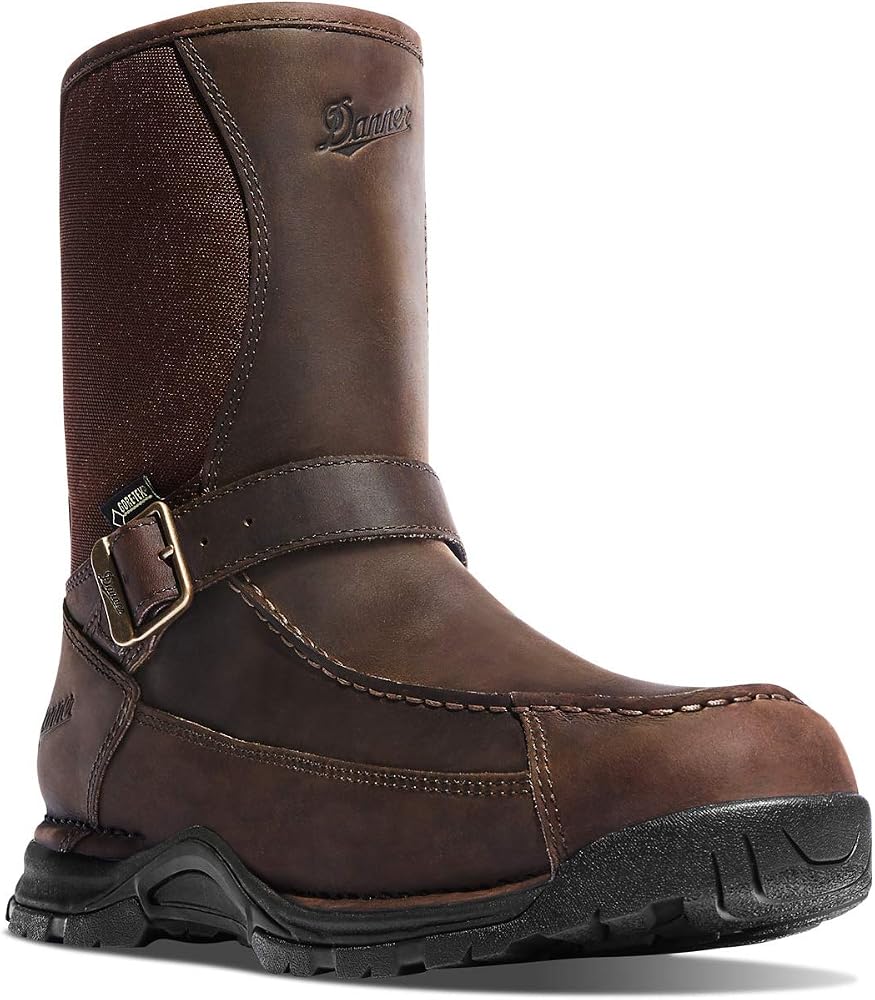
Best Boots for Police Officers: What Actually Matters Before You Buy in 2026
Disclosure: We may earn a commission when you buy through links on this page, at no extra cost to you. As an Amazon Associate I earn from qualifying purchases. Learn more

Learn what makes boots for police officers work for long shifts: fit, support, grip, weather protection, and care, plus a checklist to compare options.
Choosing the best boots for police officers starts with the shift itself, not with a single feature. You may walk city blocks, stand for long periods, climb stairs, drive, and then move quickly when a call changes. The comparison table below gives a quick view of the main types, and this guide explains how to judge each one against your daily work.
Use the checklist in this guide as a practical filter. If a pair fails on fit, grip, or comfort during a long day, the other features matter far less. A good choice should feel steady, support your feet, and stay comfortable from the start of a shift to the end.


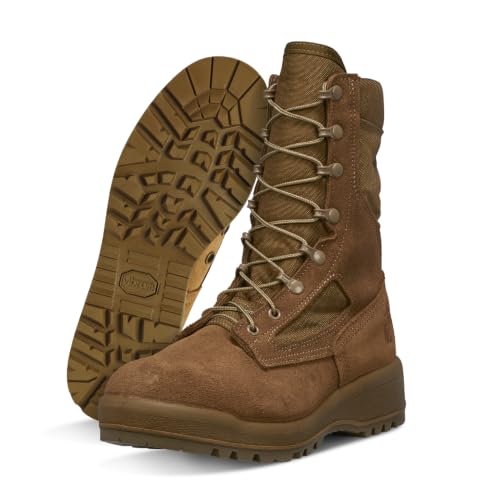

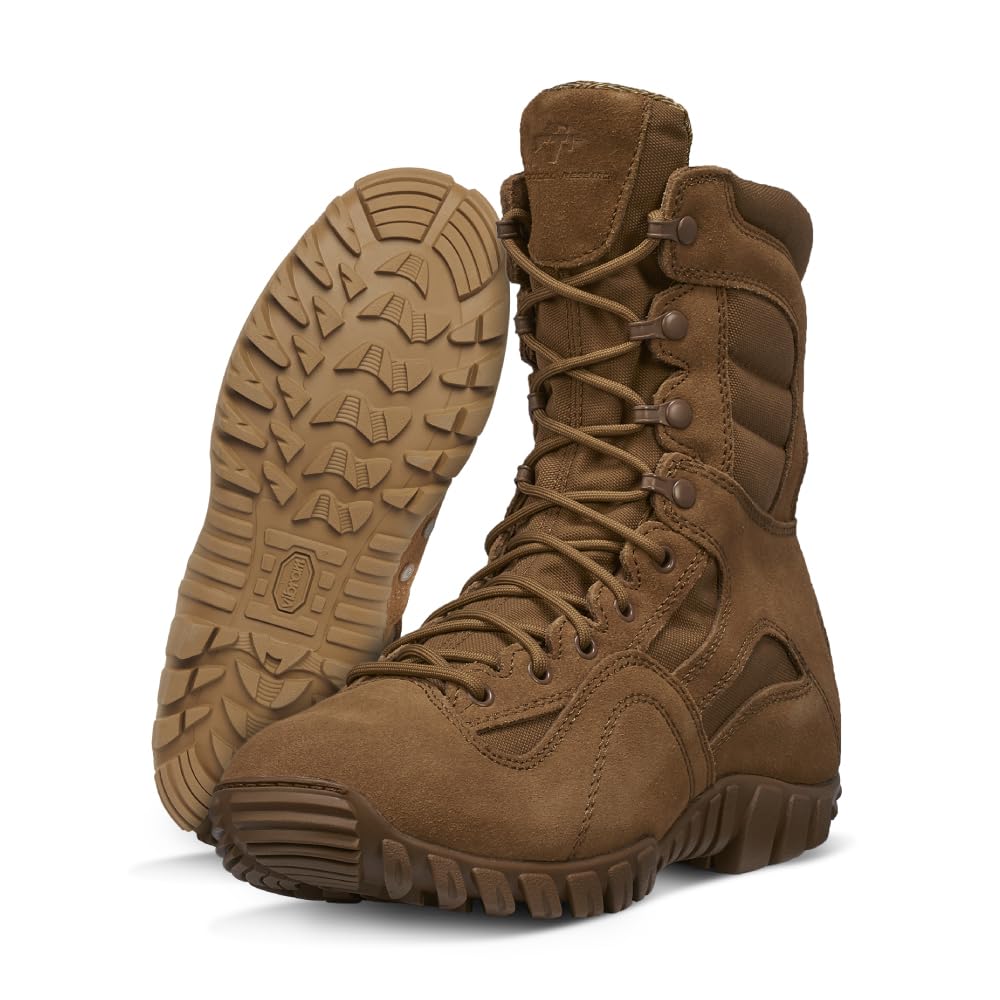

Key Features to Compare
The features below work together. A boot that grips well but pinches your toes will slow you down, and a soft boot that wears out fast will cost more over time. Judge each factor in light of patrol work, weather, and the surfaces you walk on most often.
Features That Matter for Police Officers
Patrol work asks for a balance that many other jobs do not. You need grip for wet pavement, support for long standing, and enough flexibility to move, sit, and drive without strain. Look for a stable sole, a firm heel counter, and a shaft height that suits your uniform rules and your comfort.
Check your employer rules first, since some departments set limits on color, height, toe protection, or sole style. A boot that meets those rules and fits your daily route is a better choice than a boot with extra features you will never use.
Fit, Sizing, and Toe Box
Measure your feet in the afternoon, when feet tend to be slightly larger, and wear the socks you plan to use on duty. The toe box should give your toes room to spread without sliding forward when you stop quickly. If your heel lifts with each step, try a different size or lacing pattern before you accept the pair. A good fit should feel snug around the midfoot and heel, with no sharp pressure on the toes or the ankle bones.
Upper Materials and Breathability
Leather uppers tend to hold shape well and resist scuffs, while knit or mesh panels can feel lighter and let more air move through the boot. Many duty boots mix materials, with leather in high wear areas and lighter panels where flexibility matters. In warm weather, breathability helps keep feet drier, which can reduce blister risk during long walks. In cold or wet weather, a tighter upper and fewer mesh panels help keep water and wind out.
Break In Period and Comfort Out of the Box
Some boots feel comfortable right away, while others need short wear sessions before they soften. Wear a new pair for short periods at home first, and pay attention to pressure points at the ankle, heel, and toes. If pain appears in the same spot each time, the shape may not suit your foot, and more wear time may not fix it.
Padding around the collar and tongue can help, but it should not hide a poor fit. Comfort on day one is a useful sign, though a brief break in period can still be normal for stiffer leather.
Waterproofing
Waterproof membranes can help in rain, puddles, and wet grass, but they also reduce airflow. If you work mostly indoors or in dry weather, a water resistant finish may be enough and may feel cooler. If you often stand in rain or walk through wet ground, a membrane plus sealed seams gives more protection.
Check how the boot handles drainage too, since water that enters over the top still needs a way to dry. Dry boots between shifts, and remove insoles when possible so moisture can escape.
Outsole Traction and Terrain
Look at lug depth, lug spacing, and how the sole feels on smooth floors as well as rough pavement. Deep lugs grip dirt and gravel well, but very deep lugs can feel less stable on polished indoor floors. A sole with a mix of grip zones often works better for patrol work that moves between indoors and outdoors.
Oil resistant and slip resistant soles are worth checking if you walk through fuel, food areas, or slick entryways. Replace worn soles promptly, since smooth patches reduce grip even if the upper still looks fine.
What Different Spending Levels Get You
Lower cost boots can work well for shorter shifts or as a backup pair, especially if the fit is right and the sole grips well. They may use simpler cushioning and thinner leather, so check stitching, sole bonding, and how the boot holds shape after a few weeks. Middle cost boots often add better insoles, stronger uppers, and more consistent waterproofing, which can matter on long shifts.
Higher cost boots may offer more durable materials, better footbeds, and repairable construction, but price alone does not guarantee comfort. Compare the features above at each level, and let fit and your work pattern guide the final choice.
Quick Buyer Checklist
Run through these questions before you buy, and skip any pair that fails more than one of them.
- Does the pair meet your employer rules for color, height, and toe protection?
- Does the toe box give room without letting your foot slide forward?
- Does the sole grip both wet pavement and smooth indoor floors?
- Can you walk, stand, sit, and drive in the boots without new pressure points?
- Does the waterproofing match the weather and ground you face most often?
- Are the seams, stitching, and sole bonding neat and even?
- Can you clean and dry the boots easily between shifts?
- Does the weight feel manageable after a full shift, not just in the store?
Red Flags to Watch For
Be wary of vague size charts, missing care guidance, or claims that a boot will never wear out. No boot offers a guarantee of protection, so treat absolute promises with care. Very short warranties, uneven stitching, and soles that feel stiff and slick on smooth floors are also warning signs.
If the seller cannot explain the sole material, the membrane type, or the expected care routine, keep looking. A clear product page should state the materials, the intended use, and how to maintain the pair.
Care and Maintenance Tips
Air dry wet boots away from direct heat, and stuff them lightly with paper to help them hold shape while they dry. Rotate two pairs for daily wear when you can, since rest days let cushioning and leather recover. Clean mud and salt off the uppers after wet shifts, and check laces, eyelets, and soles for wear each week.
Replace insoles when they flatten, and replace the boots when grip fades or support no longer feels even. Good care will not make a poor fit work, but it will help a good pair last longer.
Frequently Asked Questions
What features matter most in boots for police officers?
Fit, grip, and support matter most, followed by weather protection that suits your climate. A roomy toe box, a stable sole, and a shaft height that matches your uniform rules form a strong starting point. Breathability matters on warm days, while sealed seams matter in rain and wet ground. Check employer rules early, since they may limit color, height, or toe style. Comfort during a full shift is the final test, and it should guide your choice more than any single feature.
Are expensive boots worth it for police officers?
Expensive boots can be worth it when they offer a better fit, more durable materials, or a footbed that stays supportive over long shifts. They are not worth it if the shape pinches your feet or the sole feels slick on the floors you walk on. Compare cushioning, upper strength, sole grip, and ease of care at each price level. A middle cost pair with the right fit often serves better than a costly pair with the wrong shape. Let your daily route, shift length, and employer rules set the value, not price alone.
How long is the break in period for police boots?
The break in period varies by material, with softer boots often feeling ready in a few short wears and stiffer leather taking longer. Wear new boots for short periods first, and note any pressure that stays in the same spot. Mild stiffness that fades is normal, but sharp pain, numbness, or blisters in one area suggest a fit problem. If discomfort persists, see a clinician, especially if you have reduced feeling, circulation problems, or foot conditions. Do not rely on break in time to fix a boot that clearly does not match your foot shape.
Do police officers need waterproof boots?
Waterproof boots help most when you often work in rain, wet grass, or standing water. A membrane plus sealed seams keeps water out better than a surface finish alone, though it can feel warmer. If you work mainly indoors or in dry weather, a water resistant pair may feel cooler and still handle light rain. Think about how often water reaches your feet, not just how often it rains. Also plan for drying time, since any boot needs air drying between shifts to stay fresh.
How often should police officers replace boots?
Replace boots when the sole loses grip, the cushioning flattens, or support feels uneven from one side to the other. Heavy daily use wears boots faster than occasional wear, so mileage and shift length matter more than calendar age alone. Check the outsole, heel, stitching, and insole each month, and watch for leaks or sole separation. Rotating two pairs can extend the life of each pair, but it does not restore worn grip. If pain, numbness, or swelling appears, talk with a clinician and check whether fit or support has changed.
Can police officers wear boots all day?
Many officers wear boots all day, but comfort depends on fit, weight, and cushioning. A pair that feels fine for an hour may feel heavy after ten hours, so test new boots over longer periods. Good socks, a supportive insole, and a break in routine help, but they cannot fix a narrow toe box or a stiff ankle collar. If you notice persistent pain, numbness, or swelling, seek medical advice and review your fit, socks, and shift pattern; see our guide to best police boots for a related comparison of duty boot types.
Final Thoughts
The best boots for police officers are the ones that meet your employer rules, fit well through a full shift, and grip the surfaces you actually walk on. Start with fit and support, then match waterproofing, breathability, and sole design to your climate and route. Use the checklist above to compare options side by side, and check the product table above before you decide.