
Best Boots for Older Women: Buying Guide for 2026
Disclosure: We may earn a commission when you buy through links on this page, at no extra cost to you. As an Amazon Associate I earn from qualifying purchases. Learn more
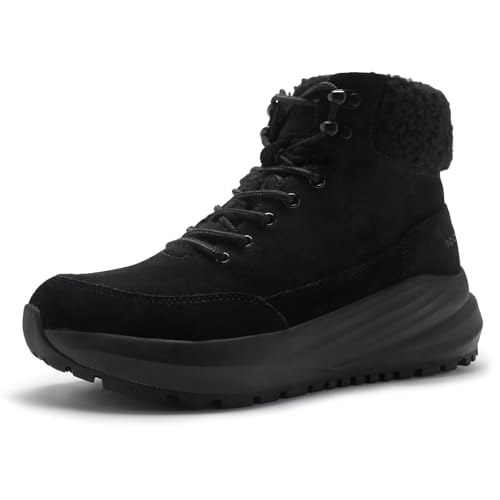
Easy entry, roomy toes and steady grip decide comfort. Use this guide to pick the best boots for older women for daily wear and winter.
The right boots should feel steady from the first step, not like something you endure until they soften up. If you are shopping for best boots for older women options, the details that matter most are a roomy toe box, gentle cushioning, a stable heel, and a closure you can manage without a struggle. Those four things affect your balance and how long you can stay on your feet.
This guide covers fit, support, traction, and weather protection in plain terms, so you can match a boot to your routine instead of guessing from a photo. Start with the comparison table below to see how styles differ, then use the sections that follow to check what photos cannot show.

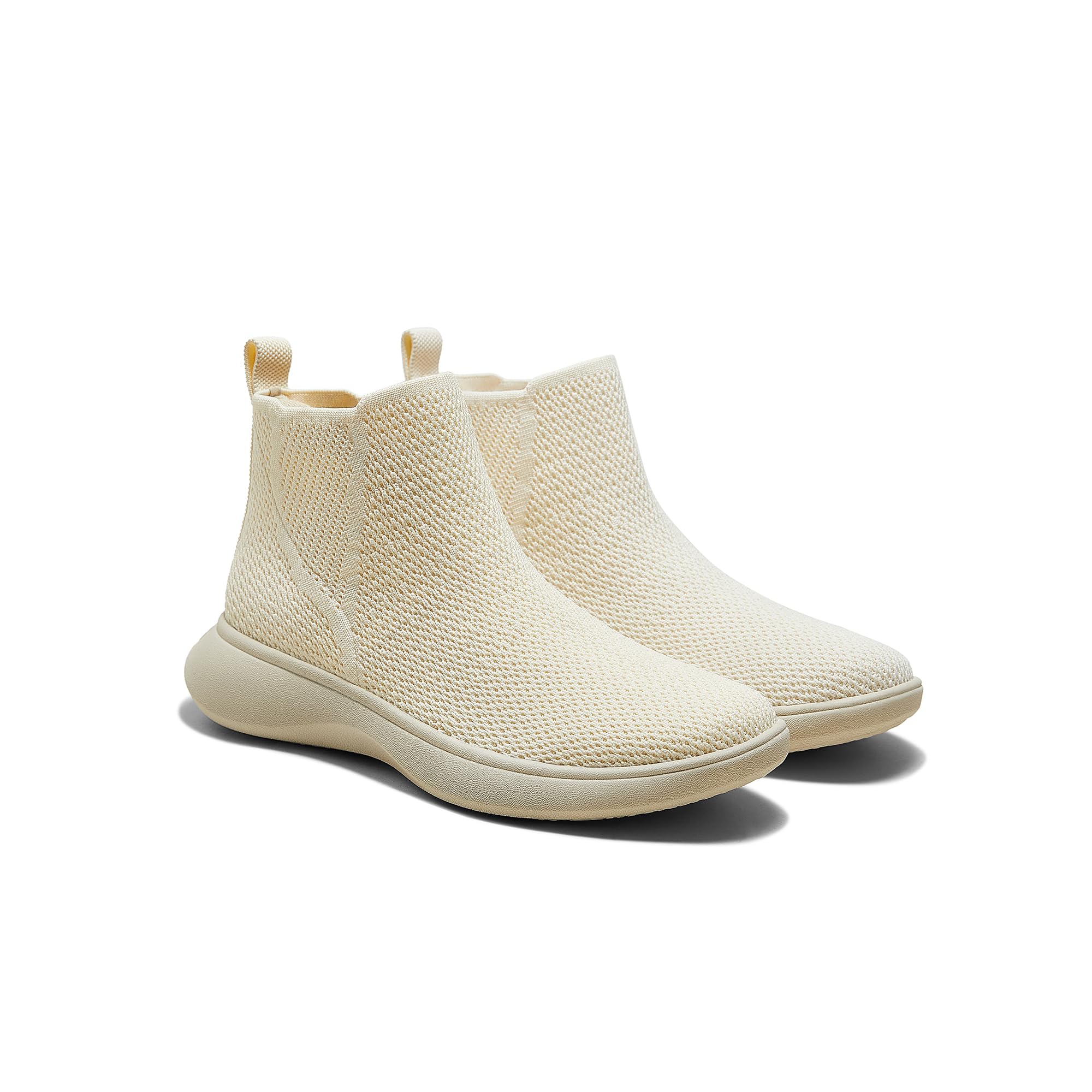

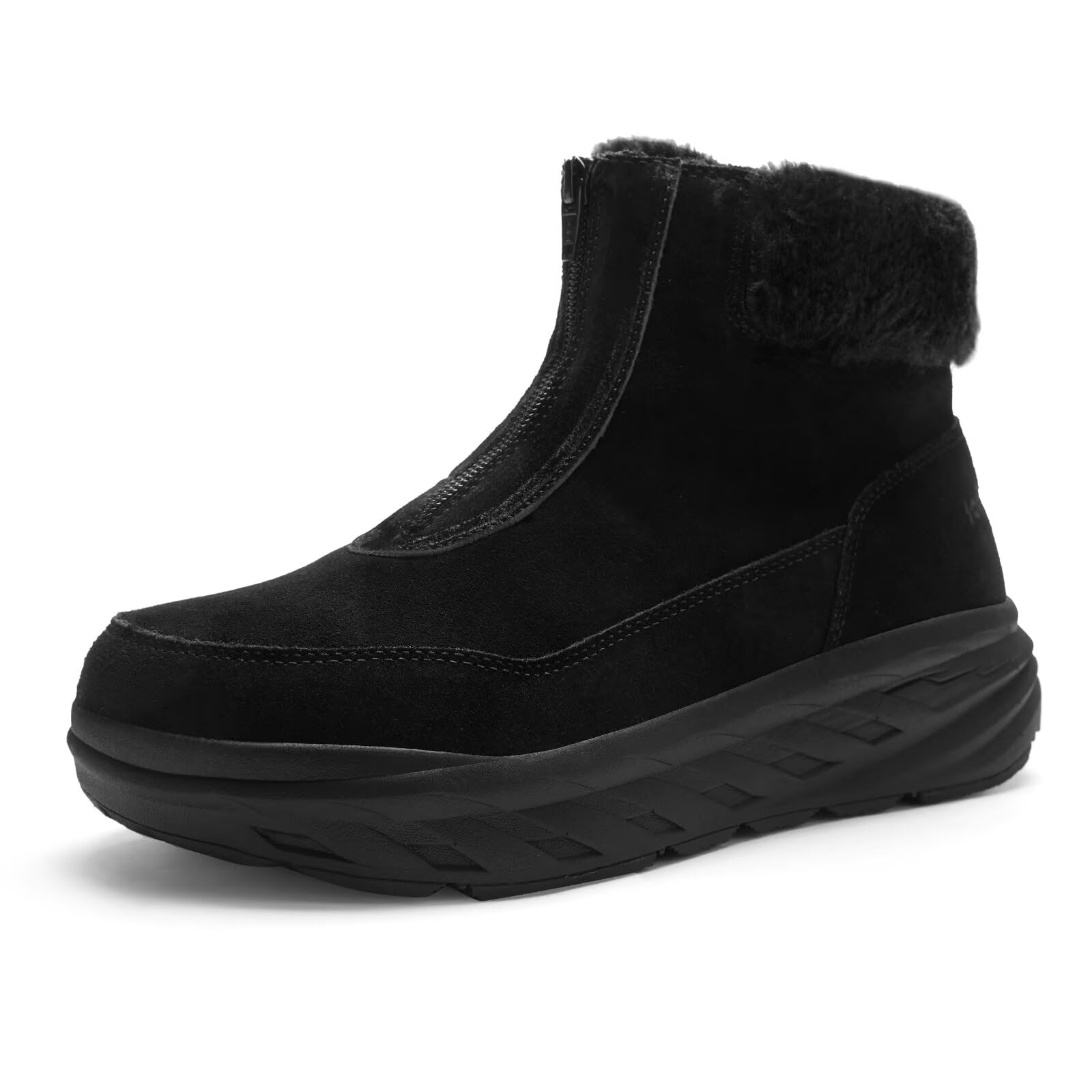

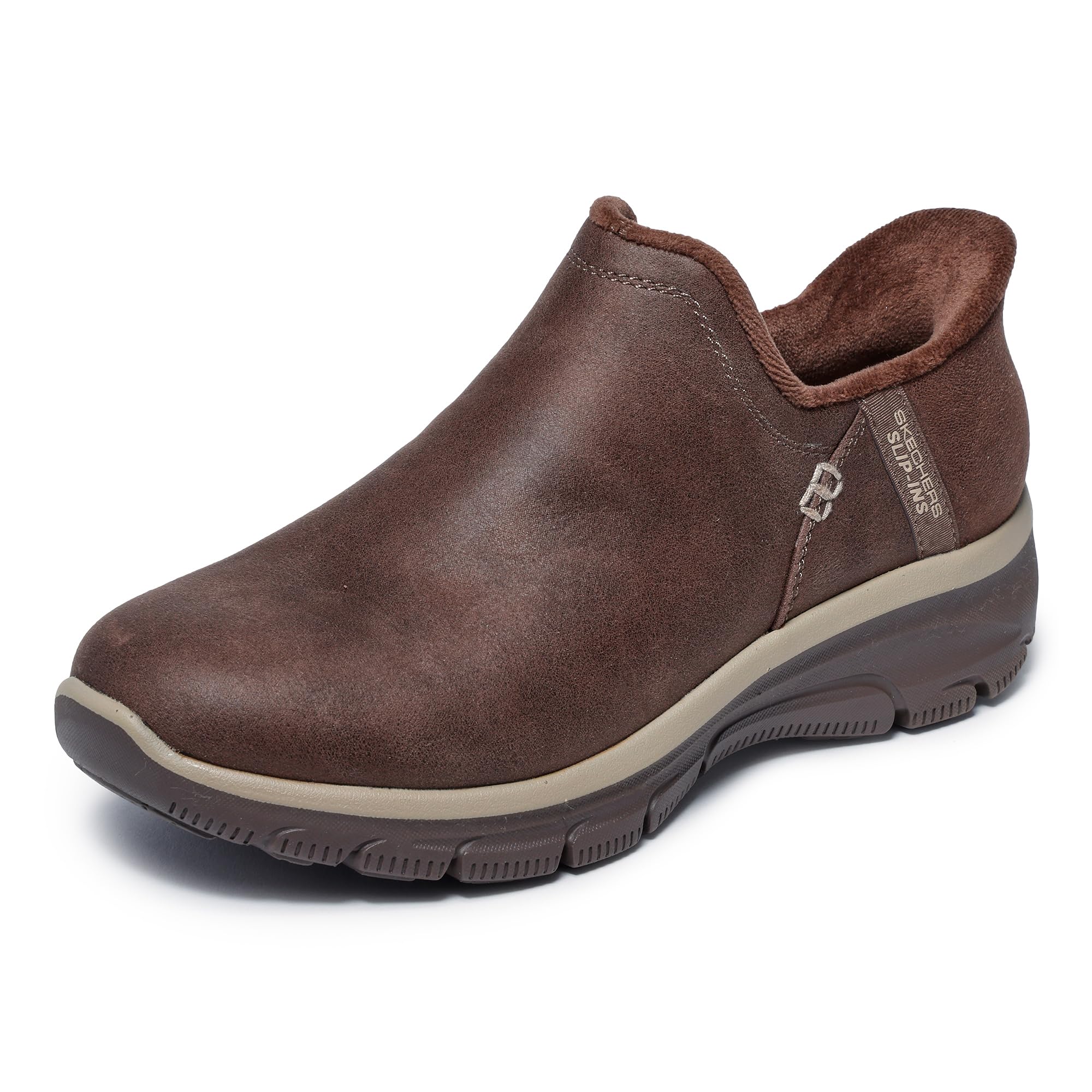

How to Narrow Your Shortlist Before You Buy
Boots look similar in listings, yet they feel very different on the foot. Three quick checks before you order will rule out most poor matches.
Start With Your Walking Routine
Think about where the boots will actually go. Smooth store floors, cracked sidewalks, garden paths, and winter slush each ask something different of the sole and the upper. Note your two most common surfaces and your longest typical walk.
If most of your walking is on flat pavement at an easy pace, a boot may be more shoe than you need on mild days, so see our guide to the best walking shoes for older women for a lighter option.
Decide Which Comfort Problem Matters Most
Name the one issue that ends your walks early. For some women it is forefoot pressure from bunions or hammertoes. For others it is heel pain, tired arches, cold feet, or wobbling on uneven ground. Each problem points to a different fix, such as a wider toe box, a firmer heel counter, or a lower and broader heel.
Set a Sensible Budget Range
Most everyday boots for this group cost about $80 to $180, with insulated and leather styles often costing more. Extra money usually buys better leather and a more durable outsole rather than instant comfort. A modest boot that fits well will serve you better than a costly boot that pinches.
How to Choose Boots That Support You All Day
When you compare the best boots for older women side by side in the product table above, work through the factors below in order. Fit comes first, because no amount of cushioning can rescue a boot that is the wrong shape for your foot.
What Older Women Should Look For First
Weight and easy entry deserve more attention than they usually get. A heavy boot tires the legs and can change your stride on stairs, so favor lighter builds for daily wear. Closures matter just as much. A side zip lets you keep laces tied at your preferred tension, a large pull loop helps when bending is uncomfortable, and wide lace spacing is kinder to hands with stiff or sore fingers.
Cushioning, Arch Support, and Stability
Cushioning should absorb step impact without feeling like standing on a soft pillow. Very soft foam can reduce stability, because your foot sinks and shifts with each step. Look for a broad heel base and a heel to toe drop of about 8 to 12 mm, plus a contoured and removable insole, which leaves room for your own orthotic if you use one.
Talk with a clinician or podiatrist before relying on any boot to fix a foot problem if you notice numbness, a sore that is slow to heal, sudden swelling in one foot, sharp heel pain that lasts for weeks, or a recent change in your balance. Those signs need a professional assessment. This matters even more if you live with diabetes or poor circulation.
Fit, Sizing, and Toe Box Room
Measure both feet late in the day, standing up, while wearing the socks you plan to use. Use the larger foot as your guide, and between sizes choose the larger one with an insole or thicker sock rather than a snug boot that presses on the toes. Inside the boot, aim for about a thumb width of space in front of your longest toe, room to wiggle every toe, and a heel that lifts only slightly as you walk. The toe box should be tall as well as wide, so the tops of your toes do not rub the upper.
Waterproofing With Gore Tex and Other Membranes
Waterproof boots use a membrane inside the upper, and Gore Tex is the best known version, to block rain and slush while letting some moisture vapor escape. That protection is worth having if you walk a dog in wet grass, garden in damp soil, or face slushy parking lots all winter. The trade off is warmth and slower drying, so if your winters are cold but dry, a water resistant leather boot may be the more breathable choice.
Break In Period and Comfort Out of the Box
Boots built on foam midsoles should feel comfortable on a short indoor walk right away. Leather boots with firmer soles need more time, often a week or two of short outings before the upper shapes itself to your foot. Blisters, hot spots, or numb toes during that trial signal a poor fit, not a stage to push through. Test each pair on a few steps and a sharp turn on carpet, watching for heel lift and toe jamming.
Outsole Traction and Terrain
Read the outsole pattern the way you would read a tire tread. Shallow, closely spaced lugs suit pavement and store floors and feel smooth underfoot. Deeper lugs of about 4 to 5 mm grip gravel, mud, and packed snow better. Wet tile, painted crosswalks, and icy patches carry the highest fall risk, so favor wide, flat contact areas and siping, the thin cuts in the rubber that channel water away. If your walks turn into proper trails with roots and loose rock, see our guide to the best boots for hiking women for stouter options.
Types of Boots and When Each One Fits
Style names can be vague, so group boots by the job they do. The three groups below cover most daily needs.
Ankle Boots for Daily Errands
Ankle boots are the easiest starting point for most women. They weigh less than taller styles and usually have a side zip that makes them simple to put on while seated. Look for a low, broad heel rather than a narrow fashion heel, because heel shape has a direct effect on stability. Choose this group for driving, shopping, appointments, and short walks on cleared paths.
Waterproof Boots for Rain and Slush
Waterproof boots earn their place when your routine keeps you outside in wet seasons. A slightly taller shaft keeps slush and puddle splash off your socks, and a sealed upper means you can rinse mud off under a tap. On warm spring days these boots can feel stuffy, so many women treat them as a second pair rather than an only pair.
Taller Boots for Cold Weather
Taller insulated boots suit cold climates, longer outdoor time, and snow that reaches above the ankle. A moderate fill is enough for errands and short walks, while heavy fills suit standing still at bus stops or watching grandchildren play outside. Check that the shaft fits your calf with room for trouser legs.
Boots are not the right tool for every activity. They are too stiff and warm for running, so if you jog or do run and walk intervals, see our guide to the best running shoes for older women instead. On hot days when feet swell and you stay on smooth ground, a supportive open style may feel better, and our guide to the best sandals for older women covers that choice.
Tips to Get the Most From Your Boots
A few habits during the first weeks show whether a pair is a keeper.
- Wear new boots indoors for several short sessions before a long outing, so you can spot rubbing while a return is still easy.
- Lace from the bottom up and snug the middle eyelets firmly, since a secure midfoot is what stops your heel from lifting.
- Use the side zip for daily entry once your lace tension is set, rather than loosening and retying the laces every time.
- Rotate two pairs on heavy walking weeks when you can, giving each pair a full day for the cushioning to recover.
- Choose socks with a padded sole and a smooth toe seam, because sock friction causes many hot spots blamed on boots.
- Rest your feet at home in the evening instead of staying in boots, and see our guide to the best slippers for women for warm indoor options with a proper sole.
How to Make Your Boots Last Longer
Pull the insoles out after wet walks and let everything air dry at room temperature, away from radiators and direct heat, which can crack leather and weaken glue. Brush dried mud off before it works into seams and stitching, and condition leather uppers when they look dry.
Check the heel edges and lug depth every few months, because a heel worn down on one side changes how your foot lands. Insoles usually wear out before the boot itself does, so a fresh insole of the same thickness often restores the fit.
Frequently Asked Questions
What features matter most in boots for older women?
Fit, stability, and easy entry matter most in boots for older women. A wide and tall toe box protects bunions and sensitive toes, a broad low heel and a firm heel counter steady each step, and a side zip or large pull loop makes the boots manageable on stiff mornings.
How should boots for older women fit around the toes and heel?
Boots for older women should let every toe lie flat and wiggle while the heel stays seated with only slight movement. One detail many shoppers miss is sock testing: try the boots with your thickest winter socks and your thinnest pair. If your heel slips in both, the last shape is wrong for you.
Do older women need waterproof boots for daily wear?
Older women need waterproof boots for daily wear only when wet ground is part of the routine, such as dog walking, gardening, or a rainy walk to the bus. Waterproof linings also block cooling airflow, so in a mild and mostly dry climate they can leave feet sweaty enough to chill later.
How long does it take to break in boots for older women?
Most boots for older women settle in within one to two weeks of short daily walks, and foam soled styles often need only a few outings. Marking hot spots with tape on the insole shows exactly where rubbing starts. Pain that increases with each wear is not break in.
Can older women wear boots all day without sore feet?
Older women can wear boots all day when the fit is right, the heel is low and broad, and the day includes chances to sit. Build up wearing time over the first week. If your feet ache by evening, the usual culprits are a toe box that narrows too early and an insole that has packed flat.
How often should boots for older women be replaced?
Boots for older women should be replaced when the outsole lugs are worn smooth, the heel is visibly uneven, or the midsole feels dead and no longer softens your steps. For many women that point arrives after two to four winters of regular use. When the boot starts to lean or twist as you walk, replacement is due even if the leather still looks good.
Final Thoughts
Start with fit, then check stability, grip, and how easily the boots go on and come off. Compare your finalists in the product table above against your walking routine, your sock thickness, and any orthotic you plan to use.
Chosen well, the best boots for older women feel unremarkable in the best possible way. They simply let you walk, shop, visit, and get through winter errands without thinking about your feet. Take your time with the indoor tests and let comfort, not the label, make the final call.


