
Best Boots for Summer Work in 2026: Every Type Explained Side by Side
Disclosure: We may earn a commission when you buy through links on this page, at no extra cost to you. As an Amazon Associate I earn from qualifying purchases. Learn more

Compare boots for summer work by type, breathability, safety toe and fit, with a clear checklist to pick the right style for hot, long shifts.
Leather feels hotter by midday, feet swell on concrete, and sweat turns a snug fit into blisters. The best boots for summer work solve the heat problem first, then give you the toe protection and grip your job requires. Use the comparison table below to match each type to your ground and shift length.
Start by naming your hardest condition. Outdoor crews fight sun and hot pavement, warehouse staff fight indoor heat and long standing, and wet jobs fight moisture that never fully leaves the boot. The sections below compare types, cooling features and fit checks for hot weather.

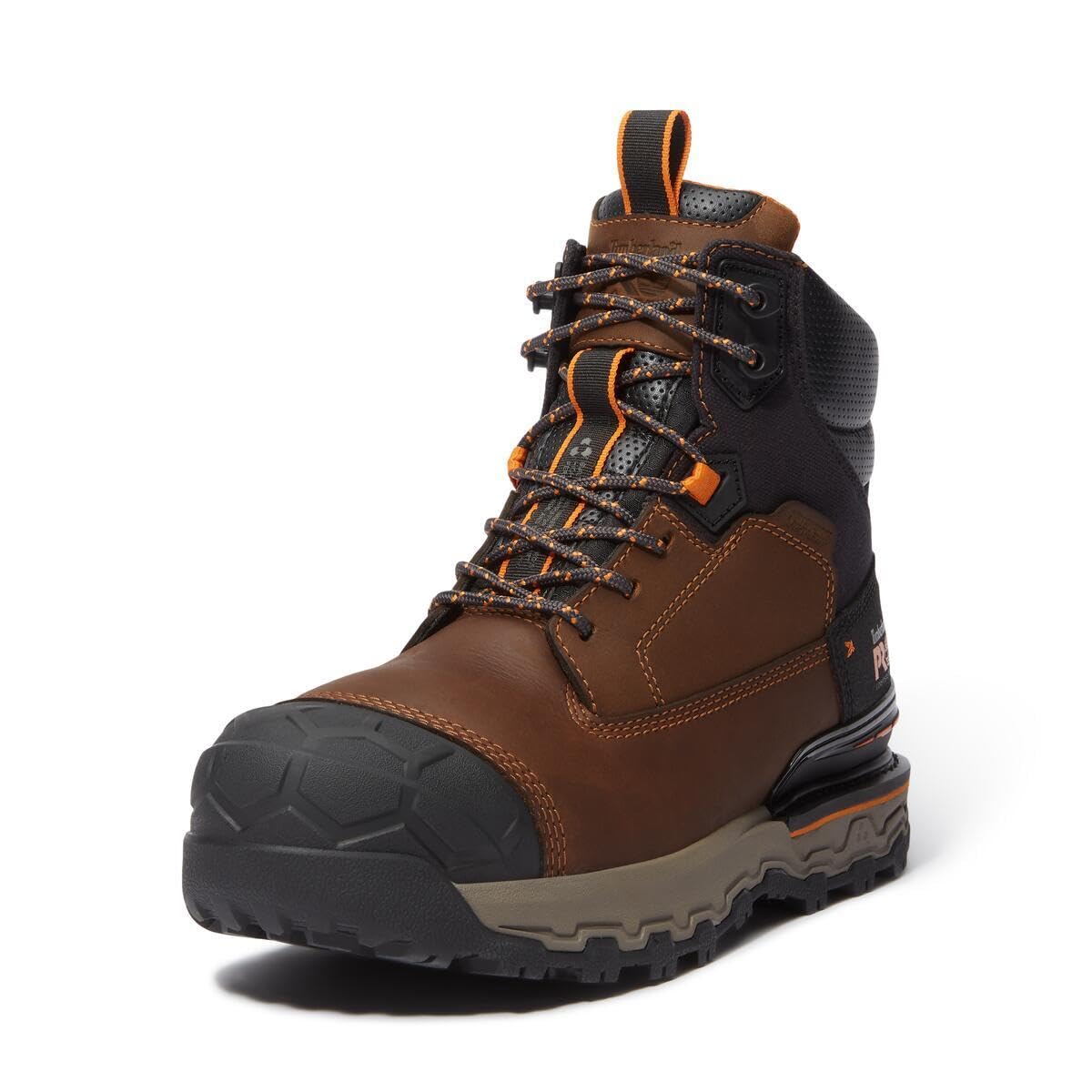


Who Should Buy Which Boots for Summer Work?
Your daily ground and your safety toe rule decide more than style does. Pick your group below first, then narrow the shaft height, upper and weight that fit that work.
Outdoor Crews on Hot Concrete and Asphalt
You work in direct sun, often on pavement that holds heat long after noon. Choose an uninsulated boot with mesh panels or perforated leather so air moves with each step. A lighter boot matters here, because heavy footwear adds leg fatigue.
Warehouse and Delivery Workers Moving Between Heat Zones
You move between loading docks, trucks and indoor floors, standing for long stretches on hard surfaces. Choose a light boot with firm cushioning under the heel and a stable base that resists rolling on smooth floors. A lower shaft gives better airflow around the ankle.
Landscapers and Farm Workers in Wet Grass and Dust
Your boots face morning moisture, irrigation water, soil and plant debris. Choose a taller shaft that keeps grit out and an upper you can brush clean at the end of the day. Grip matters more than sleek looks here.
Types of Boots for Summer Work Compared
No one upper suits every summer job, because the best boots for summer work balance cooling with protection in different ways.
Uninsulated Leather Work Boots
A leather boot with no added insulation is the durable default for construction and trade work. Full grain leather resists scrapes better than most fabrics, and it molds to your foot shape over the first weeks. The tradeoff is warmth, since thick leather moves air slowly even without insulation. Most pairs cost about $100 to $180, and they suit dry sites where abrasion is the bigger risk.
Mesh Panel Lightweight Work Boots
These boots pair leather or synthetic frames with open mesh panels that release heat as you walk. They weigh noticeably less than full leather pairs on long routes and ladder work. The mesh tears sooner on sharp scrapes, so they fit cleaner indoor and light outdoor jobs best. Most pairs cost about $80 to $150. For more on weight and uppers, see our guide to the best lightweight work boots for summer.
Pull On Wellington Boots for Wet Summer Jobs
A Wellington style boot uses a tall rubber or waterproof shaft with no laces, so water, mud and slurry stay outside during washdowns. Airflow is poor inside a sealed shaft, and socks feel damp from sweat. Choose this type only when outside water is constant. Most pairs cost about $70 to $140. If standing water defines your job, see our guide to the best rubber work boots for summer.
Hiker Style Work Boots with Ventilated Uppers
Hiker style work boots use a lower cut, padded collar and trail shaped outsole, then add a safety toe and sturdier midsole for job sites. The shorter shaft lets heat escape around the ankle. Ankle support is lower than in a tall boot, so rough ground needs more care. Most pairs cost about $90 to $160, and they suit mixed indoor and outdoor work.
Key Features to Compare
Compare these five factors in the same order each time. A cool boot that fails your toe rule or fits poorly once your feet swell will not stay comfortable past week one.
Breathability and Ventilation in Summer Heat
A breathable upper lets warm air leave the boot instead of building up inside. Mesh panels move the most air, perforated leather moves less but lasts longer, and a moisture wicking lining pulls sweat off your skin so the inside feels drier. Avoid added insulation and thick waterproof layers for dry hot work. For pavement heat in particular, see our guide to the best work boots for summer heat.
Safety Toe Material and Heat
Your toe cap material changes both weight and how the front of the boot feels in heat. Steel gives a slim profile and strong protection, but it conducts heat from hot ground and adds weight. Composite caps feel closer to the air temperature around them and weigh less, while alloy caps sit between the two on weight. Choose a soft toe only where your employer allows it.
Weight, Cushioning and Arch Support
Every extra ounce matters more in month three of summer than on a cool morning. Look for cushioning that stays firm under the heel, because soft foam that packs down stops protecting your joints on concrete. A modest heel to toe drop keeps your calf in a natural range, and steady arch support spreads load across the whole foot. A firm heel counter adds stability when you turn with a load.
Toe Box Room and Fit When Feet Swell
Feet expand in heat, so a fit that feels perfect in a cool store can pinch by the end of a shift. Try boots late in the day, wearing your work socks, and leave about a thumb width of space before your longest toe. The toe box should let your toes lie flat without pressing the sides. If you shop the men's range, see our guide to the best summer work boots men's for width notes.
Outsole Grip on Hot and Wet Surfaces
The outsole is your only contact with hot pavement, wet concrete and loose soil, so match its pattern to your ground. Flat soles with many small edges grip smooth warehouse floors, while deeper lugs clear mud and hold on grass and gravel. Rubber compounds marked as heat resistant suit roof and asphalt work where surfaces stay hot for hours. Check that the sole flexes at the toes but stays stiff through the arch.
Common Mistakes to Avoid
These errors look small in the store and feel large in hot work.
- Choosing an insulated boot for hot work traps heat inside and leaves feet soaked and prone to blisters.
- Ordering your cool weather size for summer ignores swelling and lets toes strike the safety cap by late shift.
- Choosing the lightest mesh upper for abrasive work wears panels through early and costs you ankle support.
- Ignoring the outsole pattern for your ground leaves you slipping on wet concrete or packed mud.
- Paying for a waterproof membrane for dry indoor work adds heat and cost you never use.
How to Make Your Summer Work Boots Last Longer
Dry your boots in open air and shade after every sweaty shift, away from heaters and direct sun. Loosen the laces, pull the insoles out and let the lining dry before the next wear. Rotate two pairs if you work daily, because a full rest day lets cushioning recover. For sock choices that pull sweat away from the lining, see our guide to the best socks for summer work boots.
Brush off dust and dry mud each evening so grit does not grind into seams and mesh. Rinse heavy mud with plain water, then stuff the boots with newspaper while they dry to hold their shape. Use leather conditioner sparingly on leather uppers, since heavy coats can slow airflow.
FAQ
What features matter most in boots for summer work?
Breathability, light weight and the correct safety toe matter most in boots for summer work. Start with your employer toe rule, then choose the coolest upper that suits your ground. One point buyers miss is the return window, so test a new pair indoors on a warm evening first. That trial reveals swelling and heel slip better than a short walk in a cool store.
Can I wear boots for summer work all day?
Yes, you can wear boots for summer work all day once the fit and break in are right. Build up wear time across the first week instead of starting with your longest shift. A fresh pair of dry socks at midday is the simplest comfort upgrade most workers skip. If one spot rubs in the same place each day, adjust the lacing there before the skin breaks.
Are expensive boots for summer work worth the extra cost?
Expensive boots for summer work are worth the cost when you work hot shifts five or six days a week. Higher prices usually buy lighter materials, cushioning that lasts longer and, on some leather types, a resoleable build. Judge value by cost per season of wear, not by shelf price alone. A cheaper pair replaced twice in one summer often costs more overall.
How long is the break in period for boots for summer work?
The break in period for boots for summer work usually lasts about one to two weeks of regular shifts. Full leather types take the longest, while mesh panel types often feel ready within a few days. Wear new boots for shorter tasks first and keep your old pair nearby as a backup. Stop and change footwear if a heel blister forms, because pushing through in heat can sideline you.
Do I need waterproof boots for summer work?
You need waterproof boots for summer work only when outside water is part of the job most days. A waterproof lining slows sweat drying, so dry and dusty sites feel hotter with one than without one. For occasional rain, a water resistant leather upper and a change into dry socks usually work better. Save full rubber boots for standing water, washdowns and deep mud.
Wrapping Up
Choose by cooling first, then confirm the safety toe, the outsole pattern and the room your feet need once they swell. Use the product table above to confirm shaft height, toe type and weight.
When you judge best boots for summer work by how a pair handles your hottest, longest day, the right choice is usually the simplest one that still protects you. Buy that pair, break it in gently and keep a dry backup ready.


