
Best Boots for Straight Leg Jeans in 2026: Types Compared and How to Choose
Disclosure: We may earn a commission when you buy through links on this page, at no extra cost to you. As an Amazon Associate I earn from qualifying purchases. Learn more

Compare Chelsea, ankle, tall, and chunky boots by shaft fit and price, and learn which boot types pair cleanly with straight leg denim hems and inseams.
Straight leg jeans are the friendliest denim for boots, but the wrong shaft still bunches the hem, catches at the ankle, or disappears under the leg. Shoppers hunting for the best boots for straight leg jeans usually face four main types, and each one sits differently against the leg opening. This guide compares those types plainly, so you can choose by how you actually dress.
You will see how leg opening width decides whether a boot goes under or over the denim, and how heel height quietly changes the break of the leg. The comparison table below lines the types up side by side with their best uses, strengths, limits, and typical prices.
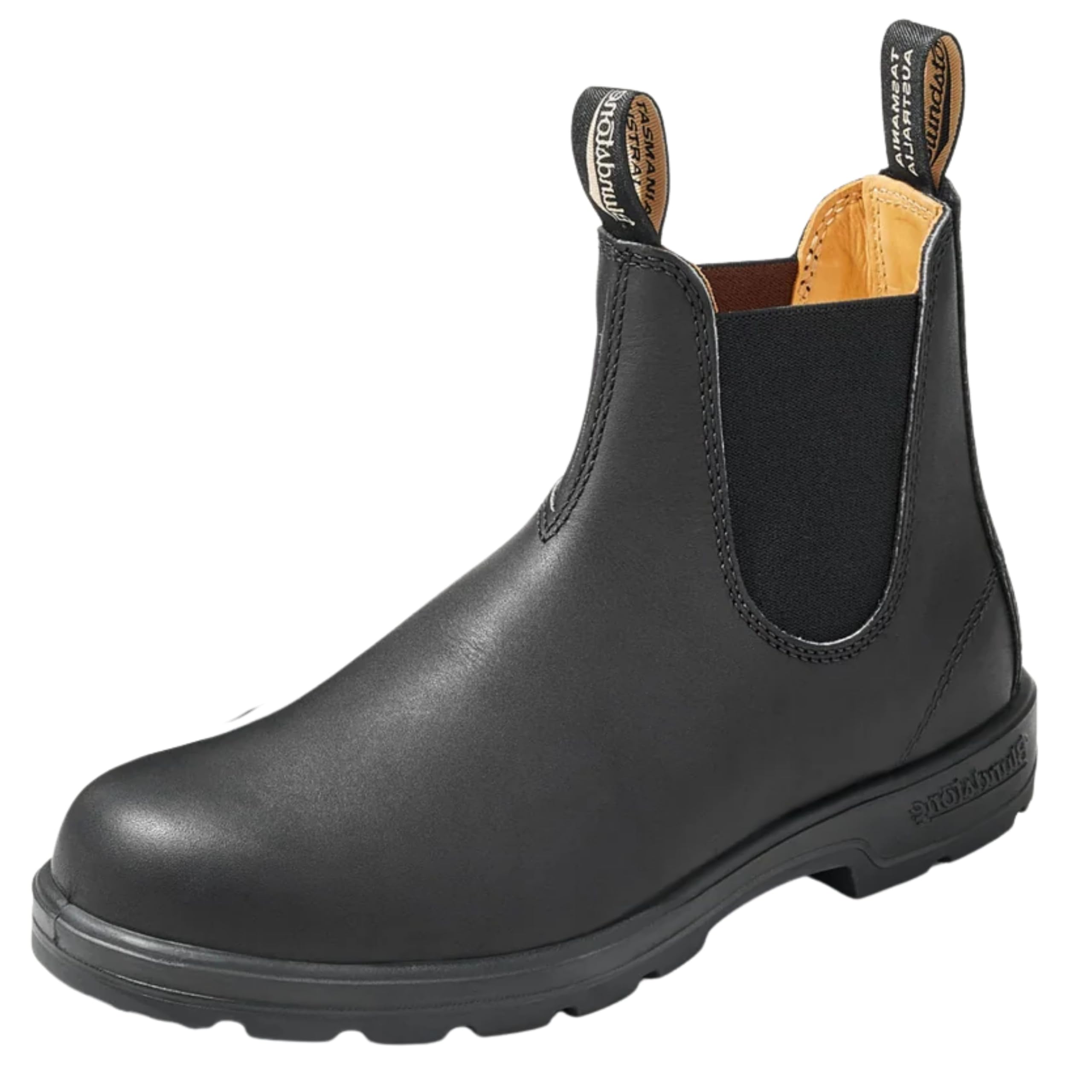


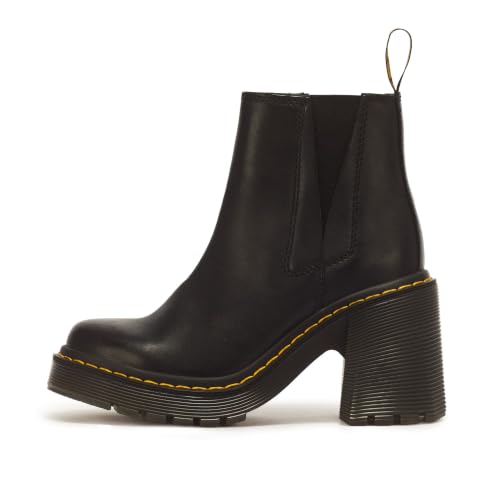


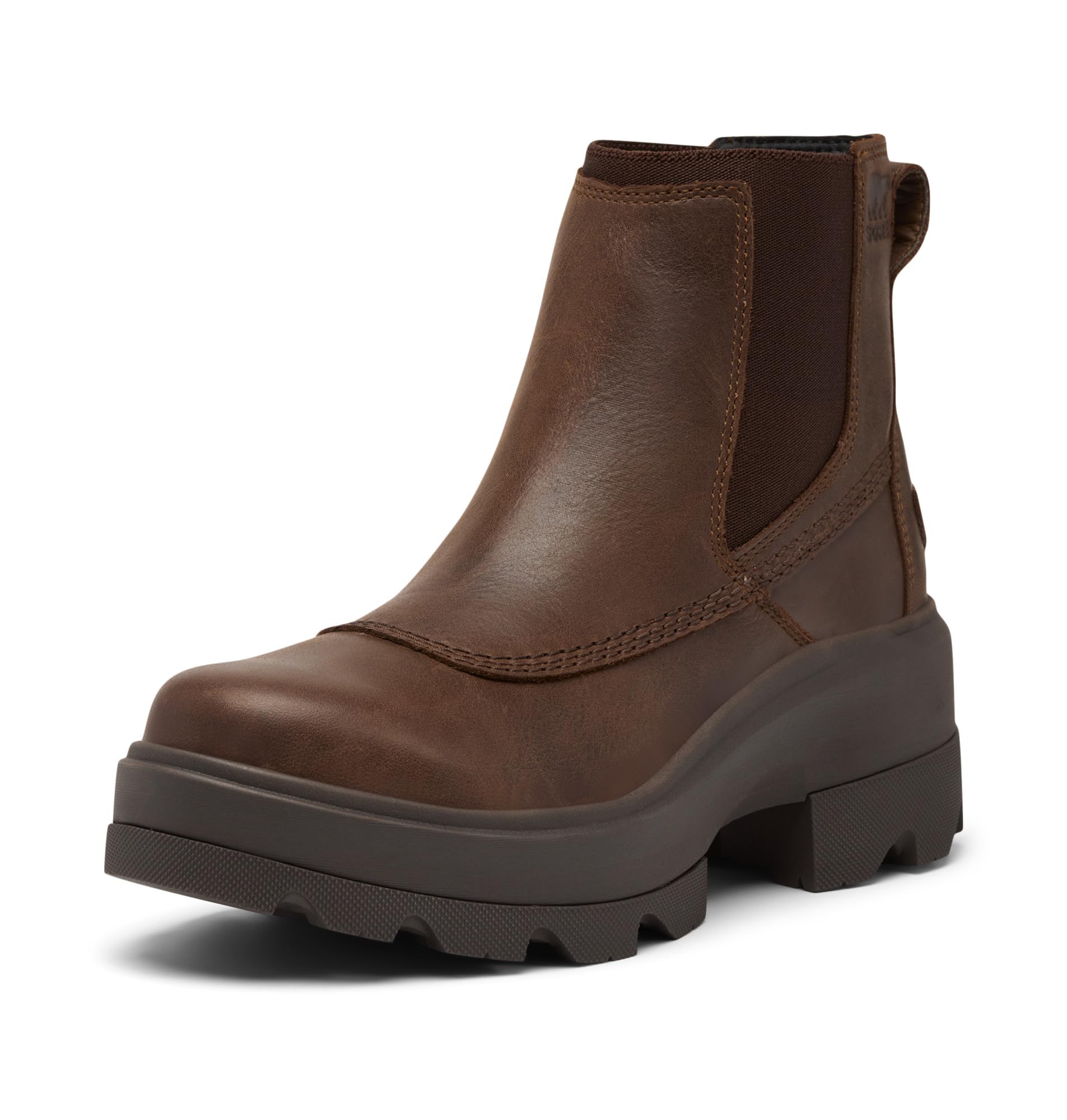
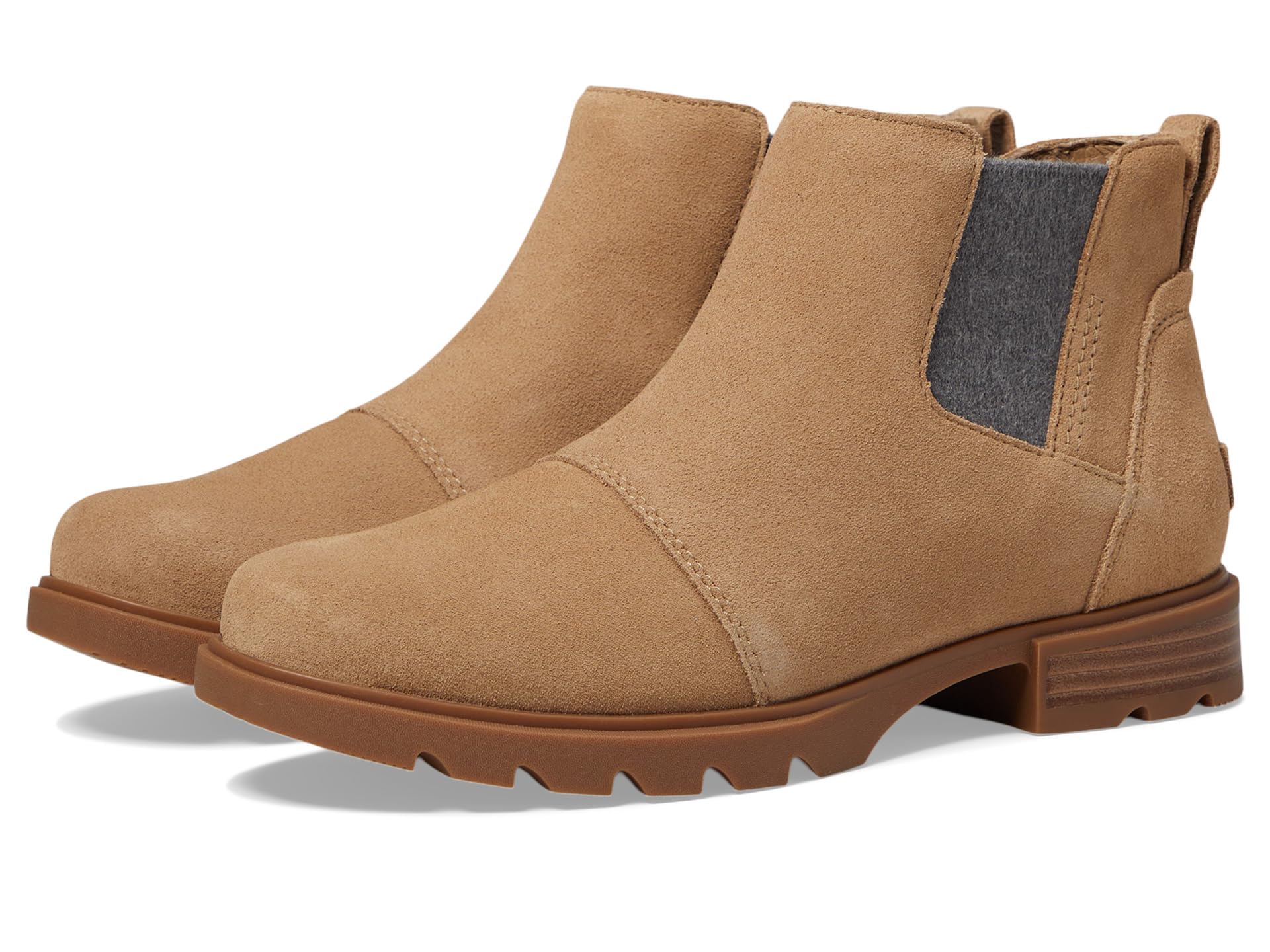
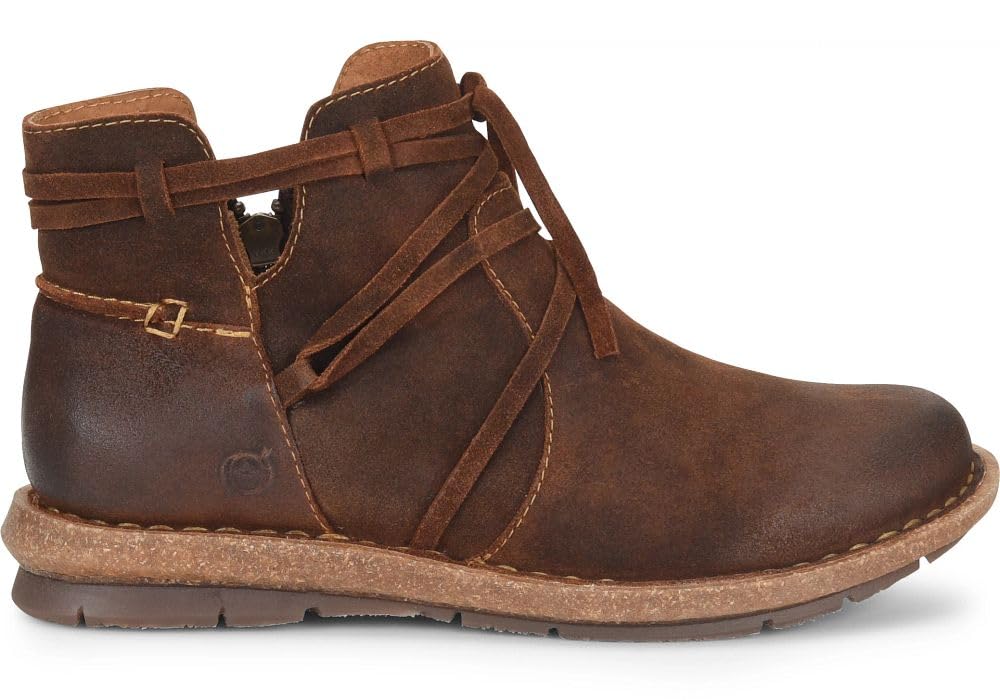
Types of Boots Compared
Everything starts with two measurements. A straight leg opening runs about 16 to 18 inches around, and a slim boot shaft of about 10 to 12 inches around clears that opening easily, sliding under the hem without a fight. A wider or taller shaft changes the pairing completely, because the denim must then go over the boot or be tucked inside it.
| Type | Best For | Pros | Cons | Typical Price |
|---|---|---|---|---|
| Chelsea boots | Clean office and evening looks | Slim shaft slides under the hem | No laces to adjust the fit | about $80 to $180 |
| Ankle boots | Everyday wear with any hem length | Versatile and easy to style | Short shaft shows socks when seated | about $60 to $150 |
| Tall boots | Wearing denim tucked in during cold months | Warm and makes a strong statement | Fabric can bunch at the knee | about $120 to $300 |
| Chunky lace boots | Casual and rugged outfits | Adjustable laces and sturdy soles | Bulk can crowd a narrower leg opening | about $70 to $200 |
Chelsea Boots
Chelsea boots are ankle height boots with elastic side panels and no laces, and their smooth, slim shaft is the reason they pair so well with straight denim. The hem falls cleanly over the shaft with no hardware to catch on, which keeps the line of the leg unbroken from hip to toe. Choose this type when you want one pair that works with office trousers on weekdays and jeans all weekend.
The trade off is fit, because elastic panels give little adjustment. Try them with the socks you plan to wear, since a loose Chelsea slips at the heel.
Ankle Boots
Ankle boots end just above the ankle bone and come in the widest range of heels, toes, and materials of any type here. Worn under the hem, they suit cropped and full length straight legs alike, and a small stacked heel adds polish without changing the casual feel of denim. This is the most forgiving type for a first pairing, because small fit errors hide under the hem.
Watch the shaft height against your hem length. A boot that ends exactly where the hem ends can look cut off, so aim for the hem to overlap the top of the boot by at least an inch.
Tall Boots
Tall boots rise to the knee or just below it, and with straight leg jeans they are worn over the denim rather than under it. Tucking the jeans in wants a slim shaft that follows the calf, while wearing a wider boot over the leg wants room for the fabric inside, so decide which look you want before you shop. A straight leg carries more fabric than a skinny leg, which means more bunching at the knee if the shaft is too close.
Reserve tall boots for colder months and longer coats, where the extra coverage earns its weight. In warm weather the pairing looks heavy and feels too hot.
Chunky Lace Boots
Chunky lace boots bring thick soles, padded collars, and a work inspired build to the pairing. Laces give the best adjustment of any type here, and the sturdy sole balances the straight, honest line of classic denim. They shine with heavier jeans in autumn and winter, and with casual shirts rather than tailored jackets.
Bulk is the limit to respect. A wide sole and thick collar need the full width of the leg opening, so a slimmer straight leg may strain over the boot, and the hem can ride up onto the collar as you walk.
Slim Ankle Boots vs Tall Boots: Which Should You Choose?
These two types solve opposite problems. Ankle boots disappear under the hem and let the jeans lead, while tall boots cover the jeans and become the outfit. Ankle boots win on versatility, price, and warm weather comfort, and they pair with every inseam you own. Tall boots win on warmth, drama, and cold season coverage, but they demand the right shaft width and a longer coat to look balanced.
Wider denim changes the math entirely, and our guide to best shoes to wear with wide leg jeans covers that pairing in full. For straight legs, start with ankle boots if you want one pair for everything, and add tall boots later if you love the tucked in look.
How to Choose the Right Boot
Features That Matter for Straight Leg Jeans
Shaft circumference and shaft height matter more here than in any other boot purchase, because they decide the under or over question before style even enters the picture. A pointed or almond toe lengthens the look of a straight leg, while a round toe keeps it relaxed. Heel height changes how the hem falls, so judge every pair while wearing the jeans themselves, never with shorts or bare legs in the shop.
Fit, Sizing, and Toe Box
Try boots on in the afternoon with the jeans and socks you will wear most, because feet swell during the day and denim thickness changes how a shaft feels. Your toes need about a thumb width of room, and the heel should lift only slightly as the leather softens. If you fall between sizes, the larger size with an insole usually beats a tight boot that fights the hem at every step.
Inseam and the Break
The break is the small fold where the hem rests on the boot, and inseam length controls it. An inseam about 1 to 2 inches over your shoe length gives a clean single break with ankle and Chelsea boots, while a shorter inseam shows the whole boot and suits a cropped look. Heels add effective length, so a heeled pair needs a slightly longer inseam to keep the same break.
Our guide to best jeans for boots walks through inseam and opening choices from the denim side. When in doubt, buy the longer inseam, because a tailor can shorten jeans but never lengthen them.
Cushioning and Support
Boots worn all day need a cushioned insole and a heel that absorbs shock, especially on hard city floors. A padded collar protects the ankle where the hem and the boot move against each other all day. Flat fashion soles look sleek but punish your feet by evening, so check the insole is removable if you plan to add your own support.
Durability and Expected Lifespan
Leather boots worn in rotation can last for years, and resoleable pairs last longest of all. Heel caps and toe areas wear first where they meet the hem and the ground, so inspect those spots when you shop. A glued sole costs less and suits occasional wear, while stitched construction suits daily wear.
Care Tips for Boots Worn With Denim
Rotate two pairs if you wear boots daily, and let each pair air dry away from direct heat between wears. Dark denim can transfer dye onto light suede, so wipe pale boots after the first wears with new jeans. Store tall boots upright with rolled towels or boot trees inside, because a folded shaft creases exactly where the hem used to rest.
FAQs
What features matter most in boots for straight leg jeans?
Shaft height relative to your hem matters most, because it decides whether the pairing looks smooth or awkward before any other detail registers. A hem that overlaps the boot top by an inch or more hides the join completely. Next comes toe shape, since an almond toe stretches the line of a straight leg. Judge both while standing in front of a full length mirror, wearing the jeans you reach for most.
Can I wear boots all day with straight leg jeans?
Yes, boots can be worn all day with straight leg jeans when the insole has real cushioning and the collar is padded. The friction point to watch is the ankle crease, where the hem, the sock, and the boot edge all move together. A sock that rises above the boot top removes that friction entirely. If your feet tire by midday, a slim gel insole usually fixes it without changing the fit.
Are expensive boots worth it for wearing with jeans?
Expensive boots earn their price through leather that ages gracefully and soles that can be replaced, which matters when one pair anchors most of your denim outfits. A pair at about $150 to $250 worn three days a week can cost less per wear than a cheap pair replaced every season. Pay for construction and leather quality first, and let fashion details come after those two.
How long is the break in period for boots worn with jeans?
Most boots settle within about one to two weeks of regular wear, and the ankle crease is the area that softens last. Wearing them around the house with your jeans for a few evenings speeds the process without risking sore feet at work. Suede and soft leather break in fastest, while thick work boot leather may need a month of patience before it feels like your own.
How often should I replace boots worn with jeans?
Replace fashion boots when the heel cap wears down to the stack or the sole smooths out, because both changes alter how the hem hangs and how safely you walk. That point often arrives after two to three seasons of steady wear for glued soles, and much later for stitched ones. A worn heel also shortens your effective inseam, so a sudden change in the break is an early warning sign.
The Bottom Line
Match the type to the hem first: ankle and Chelsea boots under the leg for everyday ease, tall boots over the leg for cold weather drama, and chunky lace boots for rugged outfits. Keep the product table above in mind as you compare shaft widths against your leg openings. Get those two numbers right, and the best boots for straight leg jeans will look deliberate with every pair of denim you own.


