
Best Boots for Suits of 2026: Complete Buying Guide
Disclosure: We may earn a commission when you buy through links on this page, at no extra cost to you. As an Amazon Associate I earn from qualifying purchases. Learn more

Learn how to choose boots for suits by style, shaft height, leather, sole and fit, with clear guidance on colors, comfort and care for formal wear.
Cold sidewalks, wet station floors and long receptions can ruin thin dress shoes and soak your socks. The best boots for suits solve that problem by covering the ankle, gripping better and still looking clean under tailored trousers. This guide explains which styles stay formal enough for offices and weddings, and how to use the comparison table below to check them.
You will learn how shaft height changes the trouser line, why sole thickness matters more than tread depth, and which leather colors pair with navy, charcoal and black tailoring. The sections below cover fit, common mistakes and care.


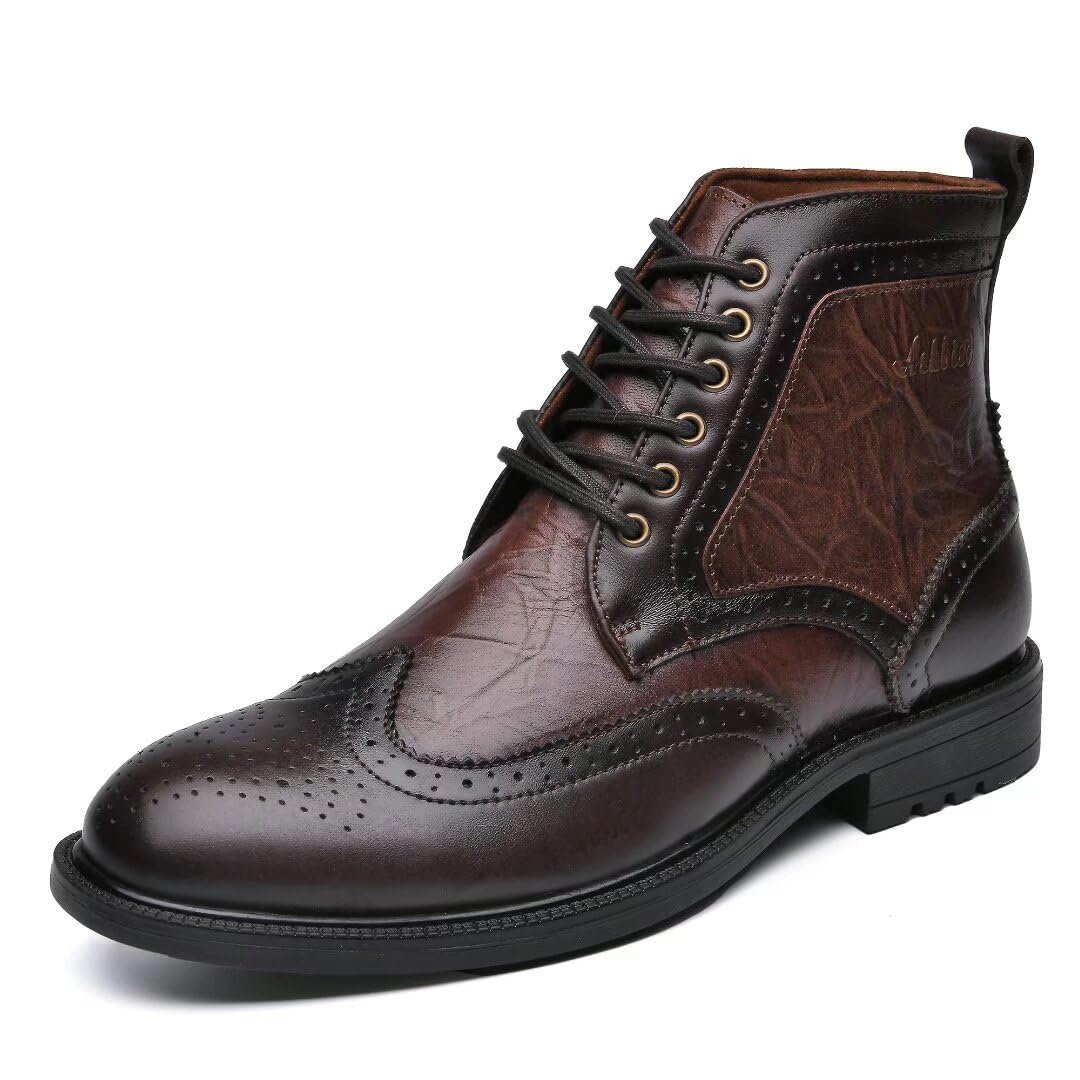


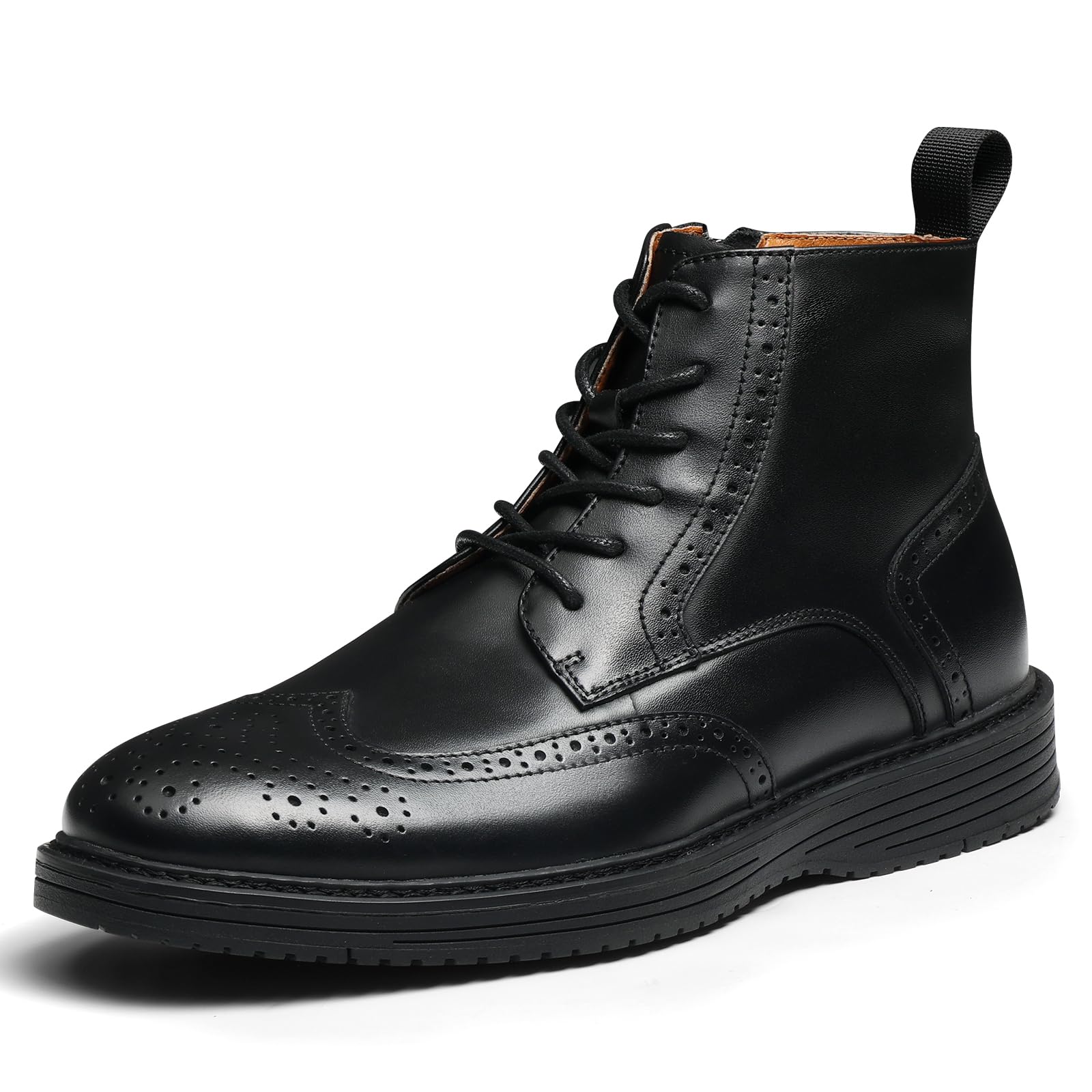

Who Should Buy Boots to Wear With a Suit?
Boots earn their place when weather, walking or long hours make thin dress shoes a poor choice. If you are building your formal wardrobe, see our guide to the best suit sets first, then match the boot to the suits you wear most.
Office Professionals Who Need Winter Coverage
You walk from parking lots and platforms, then sit through meetings where the boot still shows below the desk. Choose a smooth leather Chelsea or lace up style in black or dark brown, with a low profile sole that reads as a dress shoe. Ankle coverage protects socks and trouser hems on wet mornings, and a padded insole helps during long standing.
Grooms and Wedding Guests in Cool Weather
Wedding days mix outdoor photos, grass, gravel and hours of standing, often in cool or wet weather. A polished boot keeps its shape in pictures and supports you better than a thin shoe. Match the leather color to your belt, and coordinate small details by reading our guide to the best watches with suits before you finalize the outfit.
Business Travelers Who Pack One Formal Pair
You need one pair that covers boardrooms, dinners and the walk between them, without packing a second formal shoe. A Chelsea boot in dark brown works with navy and grey suits, slips off quickly at airport security and takes little room in a case. Pick a rubber outsole for unfamiliar wet streets.
Key Features to Compare
When you compare the best boots for suits, judge them beside your trousers, not beside hiking or work boots. Formal boots win on line, finish and restraint. Most leather pairs cost about $150 to $400, with suede often at the lower end.
Silhouette and Formality Level
The silhouette is the outline the boot makes under a trouser leg, and it decides how formal the pairing looks. Sleek boots with a close shaft, an almond toe and few visible details suit business and evening wear. Chunky soles, heavy stitching and straps push the same boot toward casual outfits. Keep the boot slim if your suits are slim, because broad tailoring can carry a rounder toe while narrow tailoring cannot.
Shaft Height and Trouser Fit
Most dress boots rise about 6 to 8 inches and end just above the ankle bone. That height lets the trouser hem fall cleanly over the shaft, with no skin or sock showing when you sit and the leg lifts. A shaft that is too wide catches on the hem and bunches the fabric, while a tall shaft can fight narrow trouser openings. Bring your usual suit trousers to try ons, and sit and stand to check the line.
Leather, Suede and Color Matching
Smooth full grain leather is the most formal upper because it takes a shine and wipes clean. Suede looks softer and suits daytime or less formal tailoring, but it marks more easily in rain. Black leather pairs with black and charcoal suits, dark brown works with navy and grey, and tan needs care because the contrast draws the eye downward. If black tailoring fills your wardrobe, see our guide to the best shoes for black suit for pairing detail.
Sole Profile and Grip on Hard Floors
A leather sole is the thinnest and most traditional choice, and it slides easily when you pivot on carpet. Its weakness is grip on wet stone, tile and painted steps. A thin rubber outsole or rubber inset adds traction and lasts longer on pavement, while staying low enough to look formal. Deep lugs belong on trail boots and look wrong under a suit, so choose rubber if your commute includes rain or polished floors.
Fit, Toe Shape and Sizing
Try dress boots on in the afternoon, when your feet are at their largest, wearing the thin socks you pair with suits, and check that your toes lie flat without pressing the front and the widest part of your foot meets the widest part of the boot. An almond toe gives a formal line with more room than a sharp point, which can squeeze smaller toes. Lace up styles adjust across the instep, while Chelsea boots rely on elastic panels and must feel snug from the first wear. A cushioned insole, modest arch support, a breathable leather lining and a heel of about 1 inch matter most on long standing days.
Boot Styles That Work With Suits
Three classic styles cover almost every suit, and they differ in formality and how they fasten.
Chelsea Boots for Clean Lines
Chelsea boots have no laces, a smooth front and elastic side panels, so nothing interrupts the trouser line. That clean face makes them the easiest boot to dress up for offices, dinners and weddings. They pair best with slim or straight trousers that fall over the shaft. The fit must be right at the shop, because there are no laces to adjust later.
Dress Chukka Boots for Relaxed Tailoring
Chukka boots are ankle boots with two or three lace eyelets and a more relaxed feel, especially in suede. They suit daytime suits, flannel and textured fabrics, and smart separates better than evening wear. The open lacing gives a little instep adjustment that Chelsea boots cannot offer. Choose smooth leather and a thin sole if you want chukkas to stay close to business dress.
Lace Up Dress Boots for Formal Structure
Lace up dress boots follow the shape of a formal shoe and add ankle coverage above it. Rows of laces let you fine tune the fit through the day, and a plain toe or cap toe keeps the look restrained. They suit traditional suits and cold weather formality well. They take longer to put on, so they fit planned office days better than rushed travel mornings.
Common Mistakes to Avoid
Most pairing failures come from scale and finish, not from the idea of boots with a suit itself.
- Wearing rugged work boots under a fine suit pulls every eye to your feet.
- Choosing a shaft so wide that the trouser hem catches on it leaves the fabric bunched and creased all day.
- Mixing black boots with a brown belt splits the outfit into two competing color stories.
- Buying pointed boots a size too small squeezes your toes and shortens the life of the leather.
- Wearing suede boots in heavy rain without protection leaves lasting water marks.
- Debuting new boots at a wedding without breaking them in first leaves you sore before the reception ends.
Care and Maintenance for Dress Boots
Brush dust from leather after each wear and wipe wet soles dry before you store the boots. Use cedar shoe trees whenever the boots rest, because trees hold the shape and absorb moisture from the lining. Rotate two pairs if you wear boots daily, and rest each pair a full day between wears.
Condition smooth leather when it looks dry, then polish in thin layers to restore shine. Keep suede away from polish and use a suede brush instead, raising the nap gently after spots dry. Store boots upright in a cool dry place, and hang the suit you wore with them on sturdy hangers; see our guide to the best suit hangers for keeping shoulders in shape.
Boots for Suits: Your Questions Answered
What features matter most in boots worn with a tailored suit?
A clean silhouette and the right shaft height matter most, because they decide whether the boot reads as formal at a glance. After that, check color against your most worn suit rather than your least worn one. A useful shop test is to view the full outfit in a long mirror from several steps back.
Can you wear boots with a suit for a full workday?
Yes, you can wear boots with a suit for a full workday if the fit is right and the insole has real cushioning. Ankle coverage steadies the foot on stairs and wet pavements. Boots run warmer than low shoes, so very hot offices are their weakest setting. If your heels ache by evening, a thin replacement insole often helps more than a larger size.
Are expensive boots for wear with suits worth the extra cost?
Expensive boots are worth the cost when the extra money buys better leather and a sole that can be replaced once it wears thin. Price alone proves little, so check stitching, lining and sole attachment in person. A modest pair with clean lines beats a costly pair with casual detailing.
How long is the break in period for new dress boots?
Most leather dress boots need about three to five wears before the ankle and instep feel fully natural. Start with short days and add an hour or two each time. Blisters mean the fit or socks are wrong, not that you should push through pain. Adjust lacing or sock thickness if a hot spot appears.
Do dress boots worn with suits need protection from rain?
Dress boots worn with suits benefit from light rain protection, but heavy waterproofing can change the finish. Let wet leather dry slowly at room temperature, away from radiators, because direct heat can crack the surface. For suede, apply a protective spray before the first wear. Carry overshoes only if your commute includes standing water.
Wrapping Up
Start with the silhouette, then check shaft height against your trousers and color against your most worn suit. Use the product table above to compare sole type, upper and price before you order.
Chosen that way, the best boots for suits stop being a compromise for bad weather and become the pair you reach for all winter. Pick the simplest style that fits your tailoring, break it in before an important day, and it will serve you for seasons.


