
Best Boots for Negative Degree Weather in 2026: Every Type Explained Side by Side
Disclosure: We may earn a commission when you buy through links on this page, at no extra cost to you. As an Amazon Associate I earn from qualifying purchases. Learn more

Compare types of boots for negative degree weather and learn how insulation, waterproof shells, ice traction and sock room affect warmth and safety.
Below zero cold changes what a boot must do. Warmth on a short walk differs from warmth while you stand on ice for hours, and the best boots for negative degree weather for one job can fail at the other. Use the comparison table below to match each type to your activity, snow depth and coldest usual day.
This guide compares types instead of naming models. You will learn how insulation, liners, shells, fit with thick socks and outsole grip work together in lasting cold.



Who Should Buy Which Boots for Subzero Cold?
Your activity level sets your warmth need. Moving feet make some heat, while still feet lose heat fast, so be honest about how you spend time outside.
Outdoor Workers Who Stand on Frozen Ground
You may spend a full shift on ice or frozen soil with long still periods. Choose a tall boot with a thick sole, room for a heavy sock and closures you can work with gloves on.
Winter Hikers and Snowshoe Users Who Keep Moving
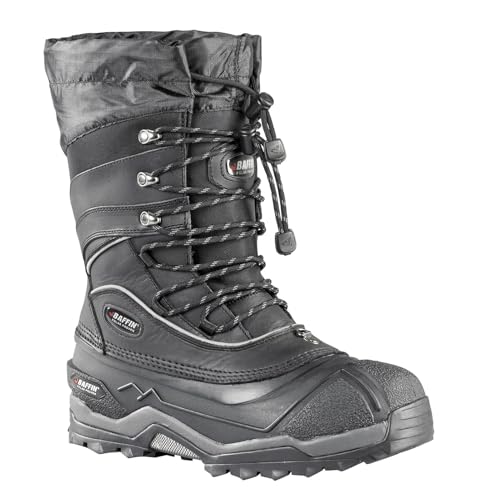
You make heat as you move, so a lighter insulated hiking boot often serves you better than a bulky boot that slows your pace. Look for a firm sole and a shaft that works with gaiters. For deep drifts, see our guide to the best snow boots for negative degree weather.
Residents Who Do Chores in Deep Cold
You shovel, walk a dog and carry wood several times a day for short spells. Choose a boot that pulls on fast, grips an icy cleared path and dries quickly. A removable liner helps, because a damp liner feels cold again by evening.
Types of Boots for Negative Degree Weather Compared
When you shop for the best boots for negative degree weather, start with the type, because type decides how a boot handles sweat, deep snow and drying time.
Pac Boots With Removable Felt Liners
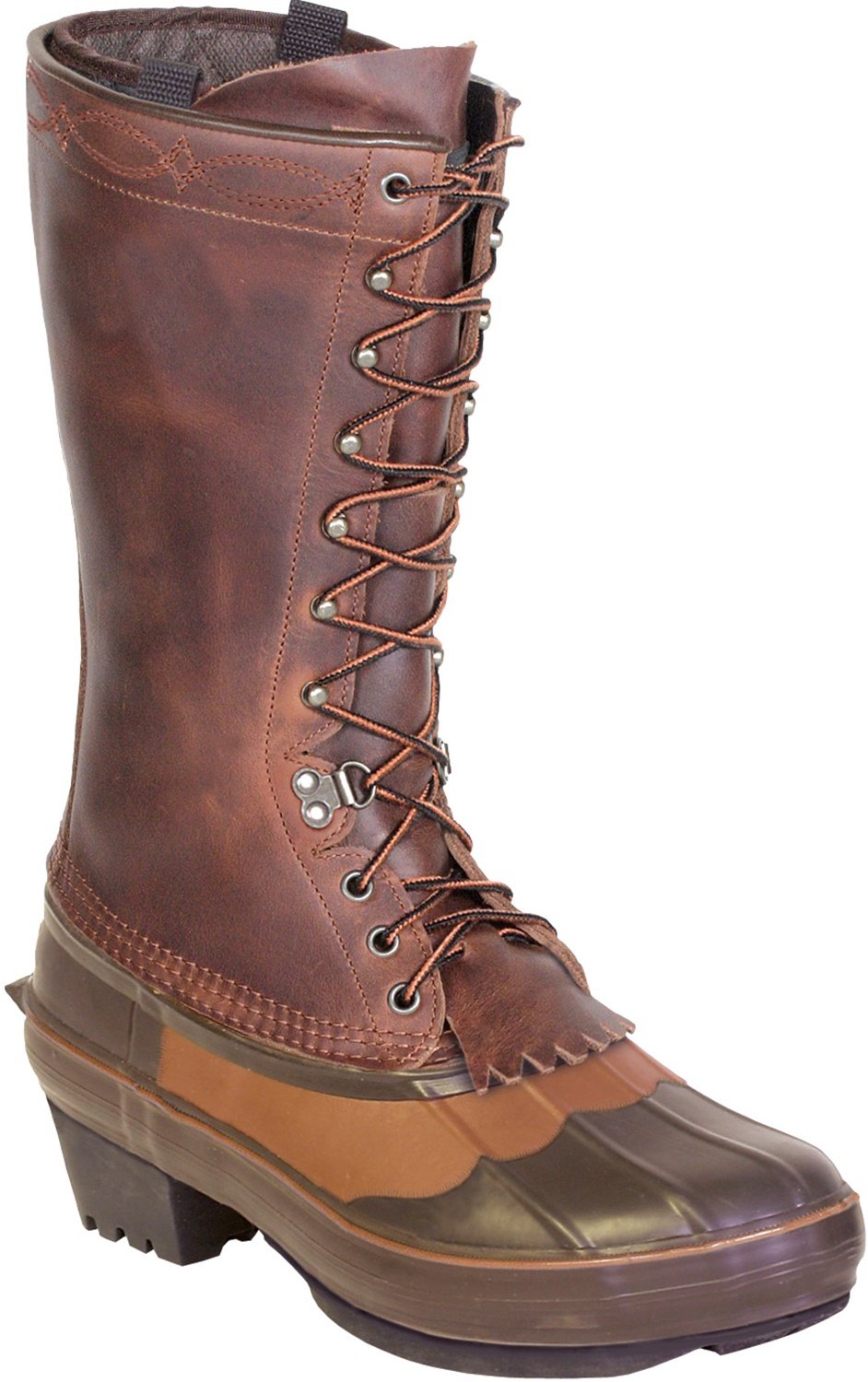
Pac boots pair a rubber lower shell with a leather or fabric upper and a thick felt liner you can take out. The liner traps still air, which suits very cold, mostly dry days and long still periods, and you can dry it overnight. The trade off is bulk and soft support, so this type feels clumsy on long walks.
Insulated Leather Snow and Work Boots
These boots use a leather or mixed upper, fixed insulation and a waterproof membrane, built like a sturdy hiking or work boot. They support your ankle and lace snugly for uneven ground, which suits mixed days of walking, driving and standing. Fixed insulation dries slowly, so daily use can leave them damp inside. Choose this type for varied winter work.
Mountaineering Boots Built for Extreme Cold
Mountaineering boots for the coldest routes use a stiff sole, an insulated inner boot and often a built in gaiter that seals out spindrift. The stiff sole accepts crampons and kicks steps in hard snow, and the fit is precise rather than roomy. That precision suits steep snow and ice travel, but not thick socks or long flat walks.
Insulated Rubber Boots for Wet Snow and Slush
A rubber boot keeps melt water and slush out completely, and insulated versions add foam or felt to slow heat loss. This type suits farm work, ice fishing and streets with deep slush. Rubber does not breathe, so sweat can chill your feet once you stop. For drier mixed conditions, see our guide to the best all weather boots.
Key Features to Compare
Compare these factors in order, because warmth claims mean little until you know the insulation and the fit.
Insulation Amount and Temperature Ratings
Insulation is sold by weight, most often about 200 grams for active use, about 400 grams for general subzero days and about 800 grams or more for still work in severe cold. Brands set temperature ratings on their own, with no shared lab standard, so treat a rating as a rough guide. Activity, socks and fit shift the real result a lot.
Fit, Sizing and Room for Thick Socks
A tight boot squeezes blood flow and leaves no air layer around your toes, so fit decides warmth more than most buyers expect. Try boots late in the day with the thickest sock you plan to use, and look for about half an inch of space at your toes. Your heel should stay put while your toes wiggle freely. Between sizes, choose the larger size.
Waterproof Shells, Membranes and Snow Entry
A waterproof membrane such as Gore Tex blocks outside water while letting some sweat vapor escape, and sealed seams stop melt water at the stitch holes. Height matters just as much, because snow that spills over the top melts inside and no membrane can stop it. Choose a shaft at mid calf or higher for deep snow.
Outsole Grip for Ice and Hard Packed Snow Below Zero
Cold hardens cheap rubber, so look for a sole that stays flexible in low temperatures with deep lugs, often about 4 to 6 mm, that bite into packed snow. Wide lug spacing sheds snow instead of packing it smooth. No rubber lug grips glare ice well, so add removable cleats for icy yards.
Shaft Height, Weight and Closures for Gloved Hands
Tall boots keep snow out, but each added pound costs energy on long walks. For flat ground and chores, a lighter mid calf boot is often enough. Check the closure with winter gloves on, because small hooks and thin laces are hard to grip with numb fingers. Speed hooks and wide pull loops help most.
How to Match a Boot to Your Coldest Day
Start with the coldest conditions you face often, not the rarest night you can recall. A boot bought for a rare minus 40 degree night will feel heavy through a normal month of minus 10 degree days. Note your lowest usual temperature, your longest still period and your usual snow depth, then match those facts to a type above.
Watch for warning signs as you test any boot outside. Toes that stay numb indoors, skin that looks pale, waxy and hard, or new blisters on cold skin can signal frostbite and need prompt medical care. Warm the feet gently, do not rub the skin or use direct heat, and talk with a clinician about personal cold limits.
Common Mistakes to Avoid
- Buying boots that fit snugly with thin socks leaves no room for thick socks and makes your feet colder.
- Trusting a temperature rating as a guarantee leads you to underdress for still work, since ratings share no single standard.
- Wearing cotton socks holds sweat against your skin and chills your feet once you stop moving.
- Choosing a low shaft for deep snow lets snow spill in at the top and melt through your socks.
- Drying liners on a radiator cracks materials and can shrink felt, which ruins the fit.
- Skipping traction cleats on glare ice risks a fall, because deep lugs alone cannot grip smooth ice.
Care and Maintenance for Boots Used Below Zero
Remove liners and insoles after each outing and let them air dry at room temperature, away from heaters and direct sun. Stuff a damp boot with plain paper and change the paper once it takes up moisture. A dry liner is one of the simplest warmth gains you can get.
Brush off salt and grit once the boot is dry, because road salt dries out leather. Treat leather with the conditioner the maker suggests, and check seams, hooks and sole edges each month for cracks. Store boots upright in a cool dry room, never sealed in a bag while damp.
FAQ
What features matter most in boots for negative degree weather on still workdays?
For still work, insulation amount and sole thickness matter most. A thick sole slows heat loss into frozen ground, and a felt insole adds a low cost layer under your foot. Loosen the laces slightly during breaks, since a looser fit and small movements help blood reach your toes.
Can I wear boots for negative degree weather all day?
Yes, you can wear boots for negative degree weather all day if the fit leaves toe room and you dry them at night. Change socks at midday on long days, because dry socks restore warmth fast. Indoors, loosen the laces or switch to shoes, since heavy insulation makes feet sweat in heated rooms.
How should boots for negative degree weather fit with winter socks?
Boots for negative degree weather should fit with a thumb width of space at the toes and no heel lift as you walk. Test on stairs if the shop allows it, because toes that jam forward downhill will ache and chill outdoors. Bring your own winter socks to the fitting rather than guessing with thin shop socks.
How often should I replace boots for negative degree weather?
Replace boots for negative degree weather when the insulation feels thin and packed, the lugs wear smooth or the shell cracks. Press the liner between your fingers at home, since felt that no longer springs back has lost much of its loft. Cracked rubber at the flex point lets water in and cannot be sealed for long.
How long is the break in period for boots for negative degree weather?
The break in period for boots for negative degree weather is short for pac and rubber types and about one to two weeks of short wears for stiff leather types. Start with house wear and brief errands, and add outdoor time gradually. Blisters heal slowly in deep cold, so never save a new pair for your longest day.
Do I need waterproof boots for negative degree weather?
You need waterproof boots for negative degree weather when your snow is wet, your streets hold slush or you step through melt water. In dry powder well below freezing, water rarely stays liquid, so insulation and shaft height matter more. Breathability and drying speed should guide your choice there.
The Bottom Line
Match the type to how still or active you are, then check insulation, sock room and sole grip in that order. Use the product table above to compare those points side by side before you order.
Chosen with those checks, the best boots for negative degree weather keep your feet warm because the whole system works, from sock space to sole.


