
Best Boots for Muddy Conditions in 2026: Types Compared and How to Choose
Disclosure: We may earn a commission when you buy through links on this page, at no extra cost to you. As an Amazon Associate I earn from qualifying purchases. Learn more

Deep lugs, the right shaft height, and a secure fit decide the best boots for muddy conditions. Compare the main types for your ground.
Mud changes every step. It pulls at your heels, hides slick clay under shallow water, and soaks socks through low shoes fast. The best boots for muddy conditions keep water out, grip soft ground, and let you lift each foot without a fight. This guide compares boot types so you can match height, tread, and fit to your ground.
Start with how deep the mud gets and how long you stay out in it. A flooded yard, a soft trail, and a wet jobsite each reward a different build. Use the comparison table below to see the types side by side, then read on for the fit and care details that decide comfort after the first hour.


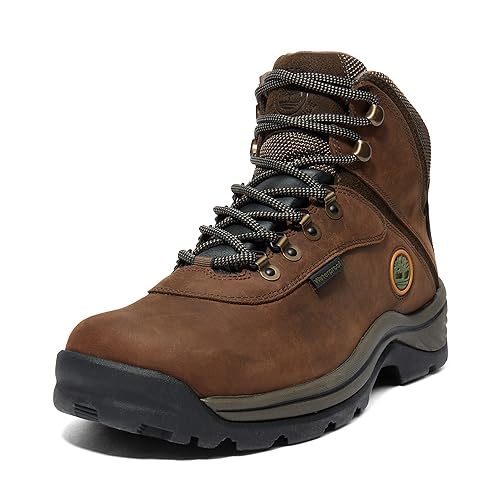


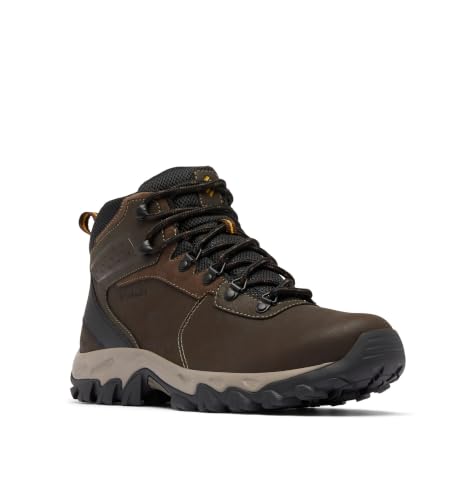

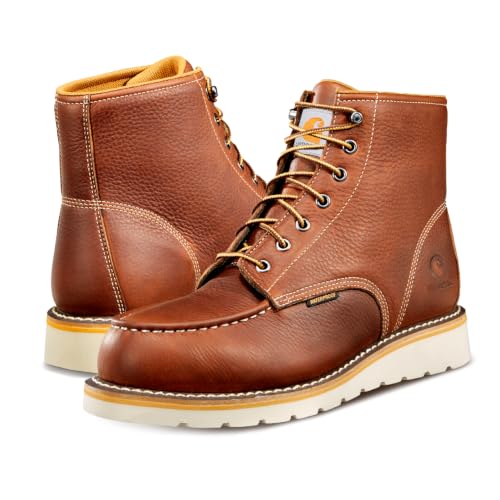
Who Should Buy Boots for Muddy Ground?
Your main task in the mud shapes the right choice more than any single feature. Find your group below.
Farm and Yard Workers Who Stand in Wet Ground
You spend long stretches standing in barnyards, gardens, and flooded pens, so total water protection matters more than light weight. Look for a tall shaft that mud cannot top, a sole that rinses clean under a hose, and room inside for thick work socks. A stable, fairly flat base helps while you carry feed or tools across slick concrete and clay.
Hikers and Walkers on Soft Trails
You cover distance on ground that shifts from soft trail to rutted track, so ankle support and a secure laced fit matter as much as waterproofing. A lighter boot tires your legs less over miles, and a shaped heel helps you brake on muddy descents. For route focused advice, see our guide to the best hiking boots for muddy conditions.
Workers on Wet Jobsites and in Muddy Yards
You need grip on mud plus protection from dropped tools, sharp debris, and rough surfaces, so a safety toe and a tougher upper move up your list. Weight runs higher in this group, a fair trade when your day mixes mud with gravel and machinery. See our guide to the best work boots for muddy conditions for jobsite specific checks.
Types of Boots for Muddy Conditions Compared
Comparing types side by side shows why the best boots for muddy conditions for a flooded field differ from the pair you want on a soft trail. Each type below covers how it works, where it shines, where it falls short, and typical cost.
Tall Rubber Boots for Deep Mud and Standing Water
A tall rubber boot is a single waterproof shell, sometimes with a soft insulating shaft, that mud and standing water cannot soak through. It is the surest choice for deep mud and flooded yards, and you can rinse the whole boot clean in seconds. The trade offs are a looser fit, modest ankle support, and warmth that feels heavy in summer. Most pairs cost about $60 to $150.
Waterproof Hiking Boots for Moving Over Uneven Ground
These boots pair a laced leather or synthetic upper with a waterproof membrane such as Gore Tex, so rain and shallow mud stay out while your ankle stays supported. They suit walkers who cover miles on uneven ground. Their weakness shows when water tops the shaft, because a filled membrane boot dries slowly. Most pairs cost about $120 to $250.
Leather and Synthetic Work Boots for Grip Plus Protection
Work boots built for wet ground combine a lugged sole, a treated leather or synthetic upper, and often a protective toe cap. They handle mixed surfaces well, from mud to gravel, and stand up to daily jobsite wear. They are the heaviest type here, and leather versions need regular conditioning. Most pairs cost about $100 to $220.
Key Features to Compare
Outsole Lugs That Grip and Shed Mud
The outsole decides whether you walk or skate. Look for lugs about 5 to 8 mm deep with wide gaps between them, because packed mud needs room to fall away. Lugs angled in more than one direction bite when you push off and when you stop, and a defined heel edge helps you brake on a muddy slope. Soft rubber grips wet clay and slick roots better than hard rubber, though it wears a little faster on pavement.
Waterproofing, Shaft Height and Sealed Seams
Water enters a boot in three places, through the material, through the seams, and over the top. A solid rubber lower blocks the first route completely, while a breathable membrane blocks rain and puddle splash but lets sweat vapor escape. Sealed seams close the second route, so check that stitching sits behind a waterproof layer. Shaft height closes the third route. An ankle boot handles splashes, a mid calf boot handles most trail and yard mud, and a tall boot near the knee suits water above the ankle.
Fit, Toe Box and Sizing With Thick Socks
Measure both feet late in the day, when they are at their largest, and try boots on with the exact socks you plan to wear in mud. A roomy toe box lets your toes spread for balance on slick ground, and you want roughly a thumb width of space in front of your longest toe. Your heel should stay seated when you walk, because a lifting heel pumps mud at the collar and raises blisters.
Cushioning and Stability When Every Step Sinks
Cushioning in the midsole softens the hard ground that often hides under a thin layer of mud, which your knees notice after long hours. Stability comes from a wide base, a firm heel counter, and a midsole that resists twisting on a rut edge. Heel to toe drop also shapes your stride. Hiking styles often sit around 8 to 12 mm of drop, while tall rubber boots sit nearly flat. Flat feet call for firmer arch support, and high arches call for more cushioning under the heel.
Upper Weight, Breathability and Warmth
Every upper trades air flow against protection. A breathable membrane boot feels cooler on long, mild weather walks, while a tall rubber shaft traps heat but never wets out, which makes it the warmer choice in cold mud with wool socks. Insulated linings help in winter, yet they slow drying in summer. Weight follows the same trade. A light hiking pair may weigh about 2 pounds, while a protective work pair may pass 4 pounds, and that gap grows with each mile.
Common Mistakes to Avoid
- Buying low shoes for deep mud lets water and grit pour over the collar within minutes.
- Choosing lugs that sit close together packs them with clay, so the sole turns smooth and slippery.
- Sizing boots while wearing thin socks makes thick mud day socks cramp your toes and slow circulation.
- Picking tall rubber boots for long trail miles leaves your ankles unsupported on rutted, uneven ground.
- Ignoring a loose heel fit lets mud suction pull the boot half off with every step.
- Storing boots caked in mud leaves dried clay drawing moisture from leather until it stiffens and cracks.
Care and Maintenance for Boots Used in Mud
Rinse mud off on the same day, before clay dries into the tread and seams, using a soft brush and lukewarm water. Pull the insoles out, loosen the laces, and let the boots air dry with the shafts held open. Stuffing tall boots with dry newspaper pulls moisture from the lining and helps the shaft keep its shape.
Once leather boots are clean and dry, work in a suitable conditioner so the upper stays flexible and sheds splash water. Restore the water repellent finish on membrane boots when water stops beading on the surface. Store pairs upright by the door. A washable mat there helps too, and our guide to the best rug for muddy boots covers sizes that catch drips.
Frequently Asked Questions
What features matter most in boots for muddy conditions on soft ground?
Deep, widely spaced lugs and a waterproof shaft matter most in boots for muddy conditions on soft ground. One point buyers often miss is soil type. Sticky clay needs wider lug gaps than sandy mud, because clay clings and fills narrow patterns fast. At home, press the sole into soft earth and check how cleanly the soil releases.
How should boots for muddy conditions fit when you wear thick socks?
Boots for muddy conditions should feel snug at the heel and midfoot with clear space at the toes when you wear thick socks. Test the fit on a ramp or a stair edge, not just on flat floor, because feet slide forward on descents. If your toes tap the front, go up half a size. If only the heel slips, keep the size and use a heel locking lace pattern.
Do boots for muddy conditions need a fully waterproof upper?
Boots for muddy conditions need a fully waterproof upper only when you stand in water or cross deep mud often. For rain and splash on firm paths, a treated upper with sealed seams is enough and feels cooler. If you choose a membrane boot for deeper routes, add gaiters over the shaft, since most water gets in at the top.
Can boots for muddy conditions grip ice and frozen mud in winter?
Boots for muddy conditions grip frozen ruts and packed snow fairly well, but their lugs cannot bite smooth ice. Mud tread is wide and open, while ice needs many fine edges or metal studs. If your winter routes mix frozen mud with icy patches, read our guide to the best boots for icy conditions for harder surfaces.
How long does the break in period last for boots for muddy conditions?
The break in period for boots for muddy conditions lasts about 10 to 20 hours of walking for leather and hiking styles. Build up with short walks on dry ground first, so stiff spots show up early. Tall rubber boots need almost no break in, though a new pair can rub at the calf, and a tall sock solves that quickly.
Wrapping Up
Match shaft height to your deepest mud, choose lugs that shed clay, and fit every pair with the socks you will actually wear. Those three checks narrow the field fast. If you compare the product table above with them in mind, the best boots for muddy conditions for your ground will stand out quickly, and your feet will stay dry and steady.


