Best Boots for Metatarsalgia: Which One Fits the Way You Use It for 2026
Disclosure: We may earn a commission when you buy through links on this page, at no extra cost to you. As an Amazon Associate I earn from qualifying purchases. Learn more
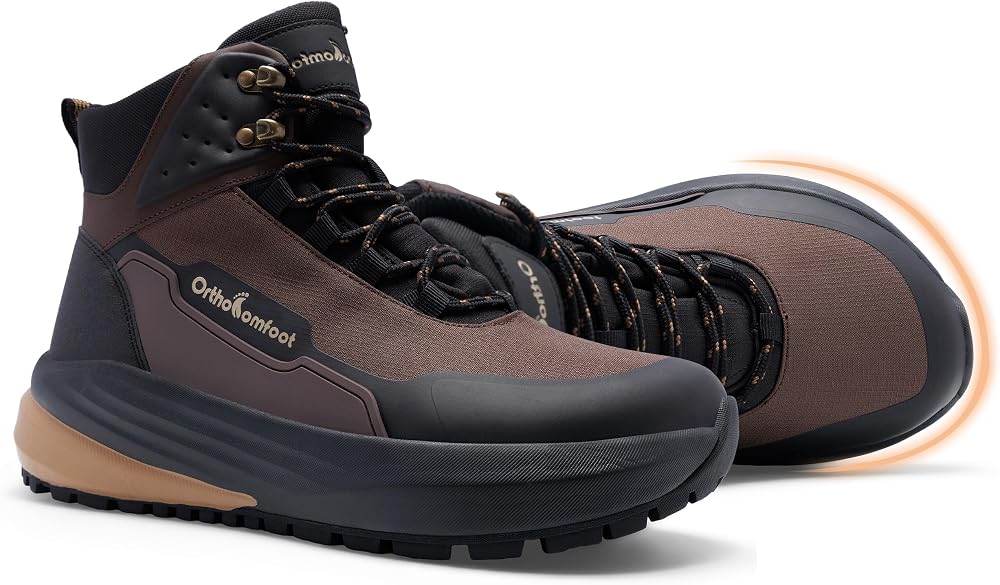
Forefoot cushion, toe box room and sole stiffness decide the best boots for metatarsalgia. Here is how to match them to your day.
There is no single boot that suits every foot with ball of foot pain. A pair that feels great on a muddy trail can feel harsh on a concrete warehouse floor, and a soft cushioned pair can feel unstable on uneven ground. Choosing the best boots for metatarsalgia starts with how you actually spend your day, then matches cushion, fit, and sole stiffness to that routine.
This guide walks through the main use cases first, then the fit and support details that protect the forefoot. Use the comparison table below to line up the options once you know which features matter most for your feet.


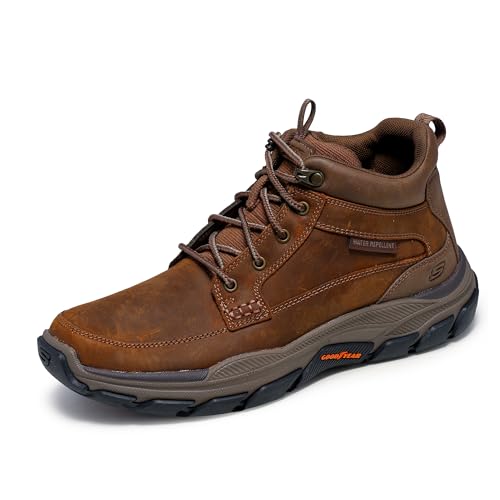

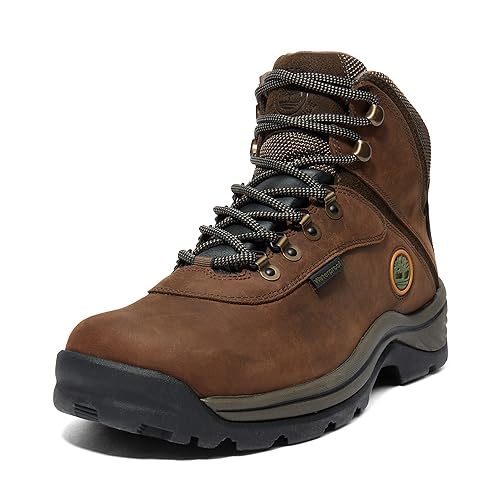
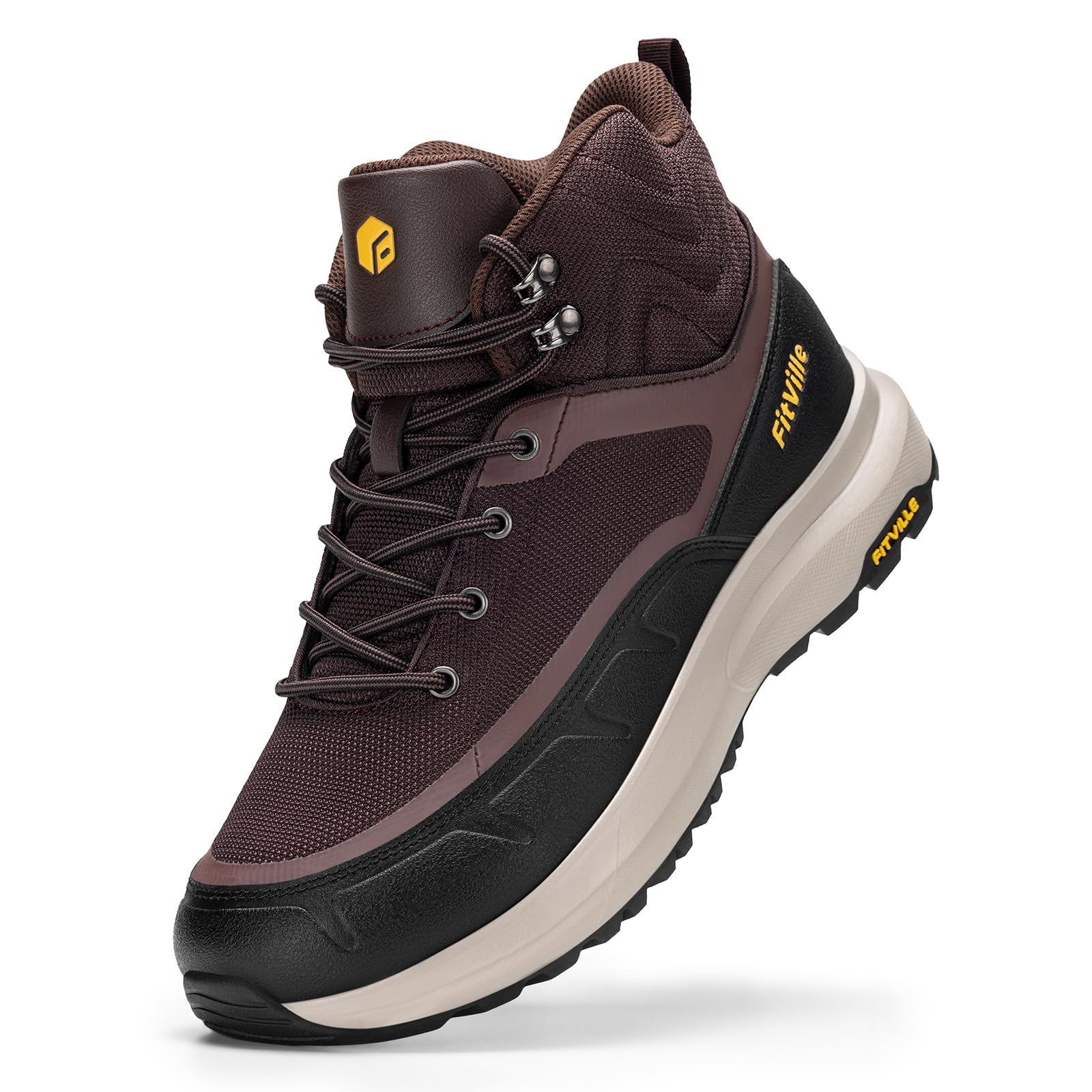
Who Should Buy Which Boots?
Metatarsalgia pain sits under the ball of the foot, where the metatarsal bones meet the toes. Boots help when they spread pressure across that area instead of letting it pile up on one or two sore spots. The right design depends on your surface, your hours on your feet, and how much support your arches need, so start with the group below that sounds most like your week.
For Bad Weather and Tough Conditions
Wet commutes, muddy job sites, and slushy sidewalks call for a waterproof membrane, sealed seams, and a grippy outsole that still cushions the forefoot. A boot with Gore Tex lining keeps rain out while letting heat escape, though waterproofing adds warmth. Look for a firm midsole that does not collapse under the ball of the foot when the ground gets slick and uneven.
If trails are your main setting, see our guide to the best hiking boots for metatarsalgia for deeper lug and ankle support advice. Trail boots pair a stiffer sole with stronger traction, which reduces the bending that often stirs up forefoot pain on descents.
For Long Days on Hard Floors
Warehouse staff, nurses, retail workers, and kitchen crews stand and walk on concrete or tile for eight hours or more. For this group, thick forefoot cushion and a sole that rolls the foot forward matter more than rugged tread. A mild rocker shape helps the foot move through each step without forcing the toes to bend sharply at push off, when ball of foot pain usually peaks.
If your job sets rules on toe protection or slip resistance, see our guide to the best work boots for metatarsalgia for safety rated options. After a long shift, many people rotate into recovery footwear at home, so see our guide to the best slippers for metatarsalgia for cushioned pairs that keep pressure off the forefoot indoors.
For Frequent or Serious Users
Daily dog walkers, delivery drivers, and hikers who log miles every week wear through soft foam faster than casual users. Favor durable midsole materials, a stable base, and a replaceable insole, because swapping in a fresh cushioned insole restores forefoot padding without replacing the whole boot. Stability through the midfoot also matters, since a foot that rolls inward loads the inner metatarsals harder with every step.
Serious users often rotate two pairs, giving the foam a full day to recover its shape between wears. That habit extends cushion life, keeps pressure spread more evenly, and gives wet pairs time to dry fully.
For Weekend Beginners
If you walk a few miles on Saturdays, garden, or travel on foot a few times a year, you do not need the stiffest or heaviest boot on the shelf. A lighter pair with decent forefoot padding and a roomy front end is usually enough, and it will feel friendly right out of the box. Spend on fit first, because a modest boot that fits your forefoot beats a premium boot that squeezes it.
Think about what you wear off the trail too. Warm weather and rest days call for open footwear that still supports the arch, so see our guide to the best sandals for metatarsalgia for that part of the rotation. Keeping pressure off the ball of the foot all week helps comfort build steadily.
Key Features to Compare
Store pages for the best boots for metatarsalgia list dozens of specs, but only a handful change how the forefoot feels hour after hour. The product table above gathers the key specs in one place, and the sections below explain what each one means.
Fit, Sizing, and Toe Box
Fit decides whether every other feature can do its job. Measure your feet late in the day, when they are at their largest, and check length and width while standing. The toe box should let your toes lie flat and spread slightly, with about a thumb width of space in front of the longest toe. A squeezed forefoot forces the metatarsal heads together and raises pressure exactly where it hurts.
Sizing runs differently across brands, and women often need a last shaped for a narrower heel with a roomy forefoot rather than a scaled down mens boot. If that sounds like your foot, see our guide to the best women's boots for metatarsalgia for fit notes by foot shape. Between sizes, choose the one that keeps the forefoot free, then fine tune the heel with lacing.
Durability and Expected Lifespan
Forefoot cushion fades long before the upper wears out, so lifespan is really about how long the midsole keeps spreading pressure. Most cushioned boots feel their best for about 300 to 500 miles of walking, depending on your weight, surface, and foam type. After that range, the ball of the foot often starts to feel the ground again even though the boot still looks fine.
Press your thumb into the forefoot midsole every few months. If it feels flat and firm instead of springy, the padding that protects your metatarsals is mostly gone, and a new insole or a new pair belongs on your list. Leather uppers tend to outlast lightweight mesh designs, but they add weight and need more care.
Outsole Traction and Terrain
The outsole is the rubber layer that meets the ground, and its lug pattern should match your surface. Deep, spaced lugs grip mud and loose gravel, while shallow, wide patterns suit wet pavement and smooth indoor floors. Softer rubber grips wet stone better but wears down faster on dry concrete, so think about where most of your miles happen.
Outsole stiffness matters as much as grip. A sole that bends easily right under the ball of the foot lets the metatarsals flex and load with each step. A firmer plate or a thicker sole in that zone spreads the load across a wider area, which is why many trail and work boots feel kinder on sore forefeet than thin casual boots do.
Weight and Flexibility
Lightweight shoes and boots reduce leg fatigue on long days, and tired legs change your stride in ways that load the forefoot. Still, the lightest option is not always the kindest one. Very light, very flexible boots often lack the sole stiffness that shields the ball of the foot, so there is a balance point for each person and each route.
Hold the boot and try to bend it. It should flex near the toes, not fold in the middle of the arch, and it should resist twisting along its length. That torsional stability keeps the foot tracking straight, which limits the rolling motion that overloads one side of the forefoot.
Features That Matter for Metatarsalgia
Four details do most of the work for this condition. Forefoot cushion with a metatarsal pad or a contoured insole lifts and spreads the metatarsal heads so pressure is shared. Arch support keeps the foot from collapsing inward and shifting load forward. Heel to toe drop, the height difference between heel and forefoot, should stay modest, since a high heel pitch pushes weight toward the ball of the foot. A gentle rocker sole eases the bend at push off.
Watch for warning signs that go beyond normal fitting soreness. Pain that keeps getting worse, swelling, bruising, numbness, tingling, or pain that lingers after rest and new footwear all deserve a medical visit rather than another boot swap. A clinician or podiatrist can check for stress injuries or nerve issues, and can advise on orthotics and personal needs that a buying guide cannot judge.
Common Mistakes to Avoid When Buying Boots
- Buying by price alone, because the cheapest pair often has thin forefoot foam that packs down fast and leaves the ball of the foot exposed.
- Ignoring toe box width, because a snug forefoot squeezes the metatarsal bones together and raises pressure with every step you take.
- Sizing up for length instead of choosing a proper wide fit, because extra length lets the foot slide and slam the toes forward on slopes.
- Judging comfort in a two minute store walk, because forefoot pain often shows up after thirty minutes, not at the first fitting.
- Keeping one pair long past its cushion life, because worn foam quietly returns the pressure you bought the boots to remove.
- Skipping the return policy check, because feet with forefoot pain sometimes need a home trial on carpet before the fit is truly clear.
Setup and Care Tips
Break new boots in gradually, starting with short walks on easy ground before any long day. Tighten laces snugly over the midfoot while leaving the front laces slightly looser, a pattern that holds the heel back and gives the forefoot room. Pair the boots with cushioned socks padded under the ball of the foot, and consider a replacement insole with a built in metatarsal pad if the stock insole feels flat.
Air dry wet boots at room temperature away from direct heat, since heat cracks leather and warps foam. Pull the insoles out after wet days so the inside dries fully, and brush dried mud off the outsole lugs to keep traction honest. Rotating two pairs during the week lets each midsole recover between wears.
Boots: Your Questions Answered
What features matter most in boots for metatarsalgia?
Forefoot cushion, a wide toe box, and a firm sole under the ball of the foot matter most in boots for metatarsalgia. Together they spread pressure instead of letting it focus on one sore spot. A metatarsal pad inside the insole adds targeted relief, and modest arch support keeps load from drifting forward. In the store, press and walk: the forefoot should feel padded, never thin or hard against the floor.
How long is the break in period for boots for metatarsalgia?
Most cushioned boots for metatarsalgia feel comfortable within a few short walks, while stiff leather pairs can take two to three weeks of gradual wear. Start with thirty to sixty minutes at a time and add distance slowly. One point many buyers miss: forefoot padding does not need breaking in, so sharp ball of foot pain on day one is a fit problem, not a stage to push through.
Can you wear boots for metatarsalgia all day?
Yes, you can wear well fitted boots for metatarsalgia all day when the cushion and toe room suit your feet. Build up wear time over the first week so your feet adjust to the new support. A midday sock change helps on very long shifts, since fresh padding and dry fabric reduce friction and heat. If pain climbs steadily through the day despite a good fit, raise that pattern with a clinician.
Do you need waterproof boots for metatarsalgia?
You need waterproof boots for metatarsalgia only when your routine includes rain, snow, wet grass, or washdown floors. Waterproof membranes keep feet dry, and dry feet blister less on long walks. The tradeoff is warmth, because membranes breathe more slowly than open mesh. If most of your walking is indoors or in dry weather, a breathable non waterproof pair will usually feel cooler and lighter.
How should boots for metatarsalgia fit?
Boots for metatarsalgia should fit snug through the heel and midfoot, with clear space around the toes and no pinch across the forefoot. Your toes should wiggle freely, and the widest part of your foot should sit at the widest part of the boot. Try pairs late in the day with your usual socks. Standing on one foot is a useful extra check: crowding under load means you likely need more width.
Are expensive boots for metatarsalgia worth it?
Expensive boots for metatarsalgia are worth it when the higher price buys denser cushion, a sturdier sole, and a replaceable insole, often at around $150 for a solid daily pair. Those upgrades extend the months of forefoot protection you actually feel. Price alone guarantees nothing, though, and a mid priced pair that fits your forefoot well will beat a costly pair that pinches.
Final Thoughts
Start with your use case, then judge every pair on forefoot cushion, toe box room, and sole stiffness under the ball of the foot. Those three checks filter the product table above down to a short list fast, and they focus on comfort you can feel by mile two, not just minute two in the store.
The right best boots for metatarsalgia choice is the pair matched to your surface, your hours, and your foot shape, not the pair with the longest feature list. Compare your short list in the product table above, order with a solid return policy, and give your favorite pair a fair home trial before the first long day.