
Best Boots for Ball of Foot Pain in 2026: Matching the Right Model to Your Routine
Disclosure: We may earn a commission when you buy through links on this page, at no extra cost to you. As an Amazon Associate I earn from qualifying purchases. Learn more

Compare boots for ball of foot pain by cushioning, toe box width, rocker sole and fit, with a clear checklist for work, hiking and daily wear.
There is no single boot that suits every sore forefoot. A boot that feels kind on a short paved walk can punish you on a rocky descent or a long shift on concrete. That is why the best boots for ball of foot pain are the ones matched to your routine, your ground and the socks you actually wear, and the comparison table below helps you check that match.
Start by naming your main use. Trail days ask for grip and a sole that resists bending at the forefoot. Work shifts ask for cushioning that still feels fresh at hour eight. Wet commutes ask for dry feet without a hot, stiff upper.

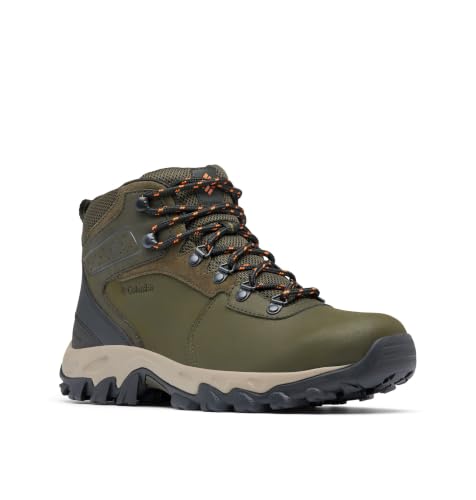

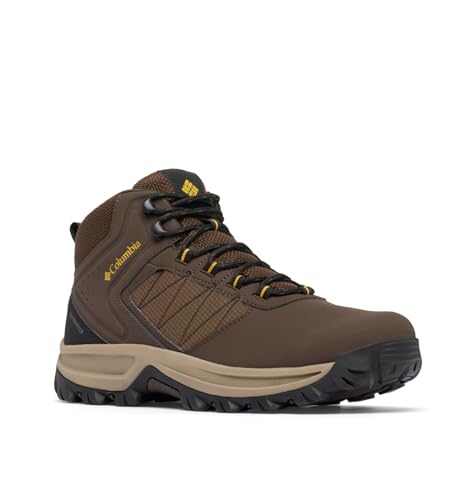


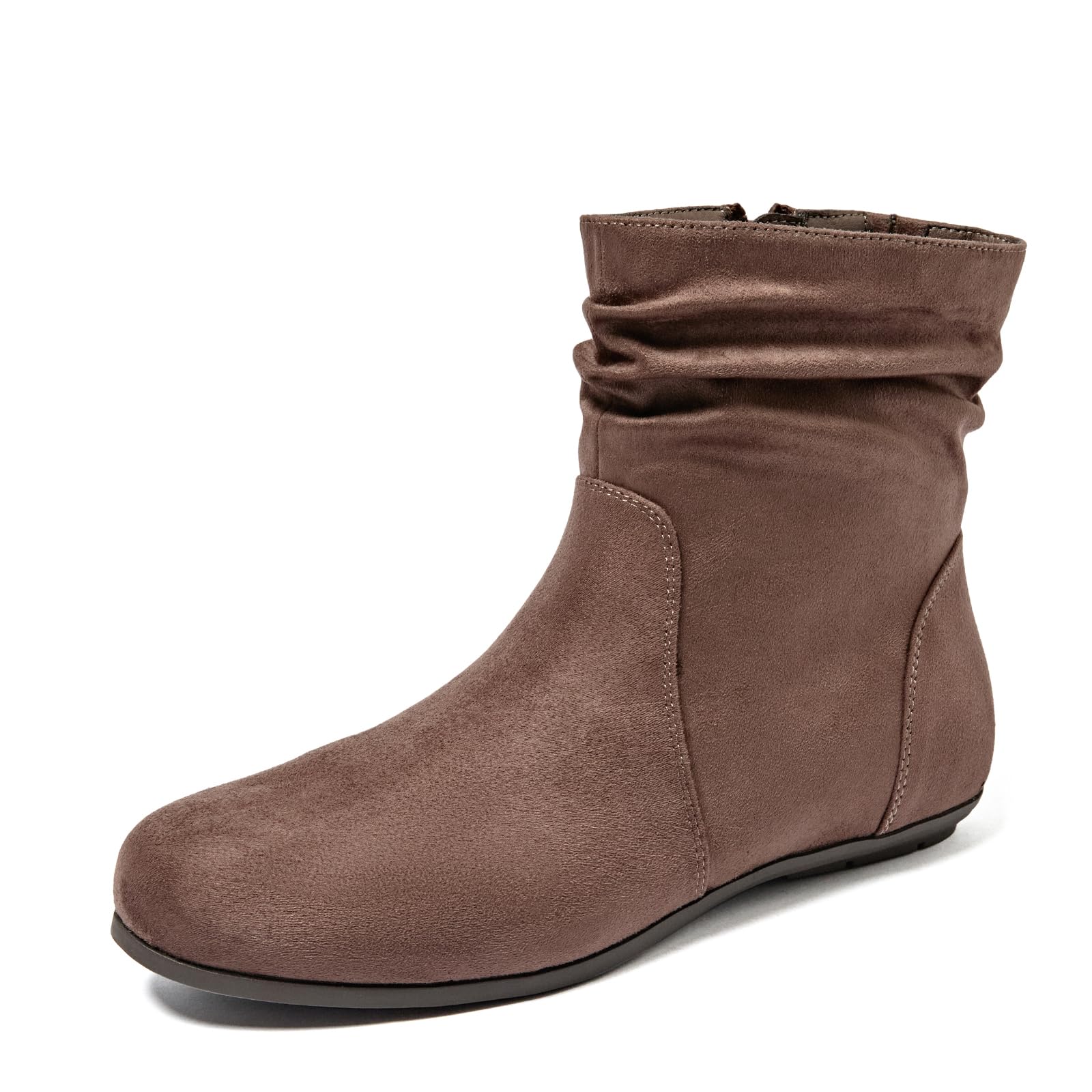

Match Your Boots to Your Usual Walking Day
Buy for the day you repeat most often, not for the hardest day you can imagine. Your usual surface, distance and weather should decide the boot.
For Weekend Walkers and New Hikers
You walk a few miles at a time on paths, parks and easy trails, and you want comfort without a heavy or costly boot. Choose a light mid cut boot with soft forefoot cushioning, a roomy toe box and a sole that flexes a little as you learn your pace. Avoid stiff mountain boots for this use, because extra weight can tire your feet before the walk itself does.
For Bad Weather and Tough Conditions
You walk through rain, mud and cold ground, so a soaked insole and a slippery step would undo any comfort gain. Choose a waterproof boot with a sealed membrane such as Gore Tex, a deeper lug outsole and an upper that holds its shape when wet. Breathable linings matter less here than staying dry, but pick lighter panels if your walks run warm, because damp heat can soften skin and raise friction under the forefoot.
For Frequent Users and Long Work Shifts
You wear boots most days, often on hard floors, and small pressure points become big ones by the end of the week. Choose durable leather or tough synthetic uppers, firm support through the midfoot and cushioning that resists packing down. If your job sets the rules on height or toe protection, see our guide to the best work boots for ball of foot pain for choices shaped by workplace demands.
Picking the Right Boots for Different Uses
The same forefoot can want two different boots in one week. On short, flat errands in dry weather, a lighter shoe often gives enough support, and our guide to the best walking shoes for ball of foot pain covers that lower cut option. Boots earn their place when you need ankle coverage, grip on loose ground or a sole that stays steady under a pack.
Best Hiking Boots for Ball of Foot Pain: What to Prioritize
On the trail, three things change. First, descents push your weight forward, so you need a toe box with height as well as width, plus lacing that locks the heel back. Second, uneven rock rewards a stiffer forefoot and a mild rocker shape, because the sole bends less at the sore spot. Third, grip matters more than softness, so pick defined lugs over a smooth, soft sole that can feel unsure on wet stone.
Key Features to Compare
When you compare the best boots for ball of foot pain, work through the forefoot first and the looks last. The four points below decide most of your comfort on the ground.
Features That Matter for Ball of Foot Pain
Pressure under the ball of the foot drops when the load spreads over a wider area and the forefoot bends less. Look for a cushioned midsole with a firm base, a removable padded insole, and a sole with a gentle rocker curve at the front. A heel to toe drop of about 5 to 10 mm suits many walkers, while a flat and very soft sole lets the forefoot take the full bend at push off. See a doctor promptly if you notice numbness that does not fade, a sore that does not heal, sudden swelling, sharp pain after an injury or pain that keeps growing despite better footwear. This guide covers general fit and comfort only, so talk with your clinician about personal needs.
Break In Period and Comfort Out of the Box
A boot can feel snug in the shop and still be right, but sharp pressure on the ball of the foot on day one rarely breaks in away. Soft trail boots may settle within a few short walks, while stiff leather boots can need two to three weeks of rising wear time. Build up in stages, from an hour at home to a short walk, and tape any hot spot early. If your toes jam forward on a slope during a trial wear at home, exchange the size while returns are still simple.
Outsole Traction and Terrain
The outsole is your contact with mud, wet pavement and loose gravel, and a slipping step lands hard on the forefoot. Lugs of about 4 to 5 mm grip soft trails well, while shallower, wider lugs feel steadier on stone and hard paths. Rubber made for wet grip holds better on slick rock but can wear faster on concrete, so daily pavement walkers should favor durability. Check the lugs under the ball of the foot, because smooth rubber there removes both grip and support.
Fit, Sizing, and Toe Box
Shop late in the day, when your feet are at their largest, and wear the socks you plan to use. You want room to spread and wiggle your toes, with no squeeze across the widest part of the forefoot, and your heel should stay seated as you walk. Many sore forefeet do better in a wide fitting than in a standard boot sized up, because extra length alone lets the foot slide forward. If one foot is larger, fit that foot and use lacing to settle the smaller one.
Common Mistakes to Avoid
- Choosing by price alone leaves you with thin cushioning that packs down and returns the pressure within weeks.
- Ignoring forefoot width squeezes the ball of the foot and turns a short walk into a burning ache.
- Buying a size up for room lets your foot slide forward, so your toes jam on every descent.
- Trying boots on in thin socks at home hides how tight the toe box will feel in thick trail socks.
- Skipping the returns terms traps you with a boot that still hurts after its break in period.
Drying, Resting and Rotating Boots to Protect the Forefoot
Brush mud off after each wet outing and pull the insoles out so air can reach the inside. Dry boots at room temperature away from direct heat, because strong heat can crack leather and warp cushioning. Resting a pair for a day between wears lets the foam recover, so rotate two pairs if you walk daily. At home, supportive options in our guides to the best sandals for ball of foot pain and the best slippers for ball of foot pain beat bare feet on hard floors.
Watch the parts that protect your forefoot. Replace insoles when they stay compressed after a night of rest, often after about six to twelve months of regular use. Check forefoot lugs and the midsole for deep creases or a tilt that throws your weight to one side. Boots that can be resoled are worth that service when the upper still fits well, since a fresh sole restores grip without a new break in period.
Boots: Your Questions Answered
Are expensive boots worth it for ball of foot pain?
Expensive boots are worth it only when the extra cost buys denser cushioning, a better shaped last or a resole service you will use. Price alone does not spread pressure. A modest boot with a roomy toe box and a firm, rockered sole will serve most walkers better than a costly narrow boot. Spend first on fit, then on durability.
Do I need waterproof boots for ball of foot pain?
You need waterproof boots only if your routes are often wet, muddy or snowy. A membrane keeps the insole dry, and a dry insole keeps its cushioning shape longer on long wet days. In dry heat, that same membrane can hold warmth in, so a breathable non waterproof upper may feel kinder. Match the choice to your wettest regular month, not to one rare storm.
Can I wear boots for ball of foot pain all day?
Yes, you can wear well fitted boots all day, provided the forefoot still feels free after several hours. Plan a short sit or a sock change on the longest days, because feet swell as the day goes on and a morning fit can tighten by evening. If one spot rubs or burns at the same time each day, that is a fit signal, not something to push through for a week.
How often should I replace boots for ball of foot pain?
Replace your boots when the cushioning no longer springs back or the outsole wears smooth under the forefoot, often after about 400 to 600 miles of walking. A useful home check is to set the boots on a table and look from behind, since a leaning heel shows support has given way on one side. Sharp rock shortens that life, while pavement wears lugs down faster.
How should boots for ball of foot pain fit?
Boots should fit with your toes spread, your heel held and about a thumb width of space ahead of your longest toe while you stand. Walk a slope or a firm ramp in the shop if you can, because toes that touch the front only on flat ground will jam on descents. Lace firmly over the midfoot first, then check that the forefoot still has room before you pay.
Wrapping Up
Match the boot to your routine first, then check the forefoot details in order: room to spread, cushioning with a firm base, a sole that bends less at the ball and grip for your ground. Weekend walkers can stay light, and daily wearers should buy for durability.
Use the product table above to compare those points side by side, and choose the best boots for ball of foot pain that fit your longest regular day, not your easiest one. A careful first fit saves returns, blisters and sore evenings later.


