
Best Boots for Men Waterproof: What to Check Before You Buy in 2026
Disclosure: We may earn a commission when you buy through links on this page, at no extra cost to you. As an Amazon Associate I earn from qualifying purchases. Learn more

The best boots for men waterproof match the sealing method, shaft height, and traction to your wettest ground. Here is how to choose.
Wet socks ruin a day faster than almost any other small problem, and the best boots for men waterproof are the ones that stay dry where you actually walk: wet grass, slush, job sites, muddy trails, or a rainy commute. The word waterproof appears on thousands of boots, though, and it can mean anything from a sealed rubber shell to a light spray coating.
This guide explains how waterproofing works, compares the main boot types, and shows which features decide comfort after the first hour. Use the product table above to line up the options, then use the sections below to match one to your routine.


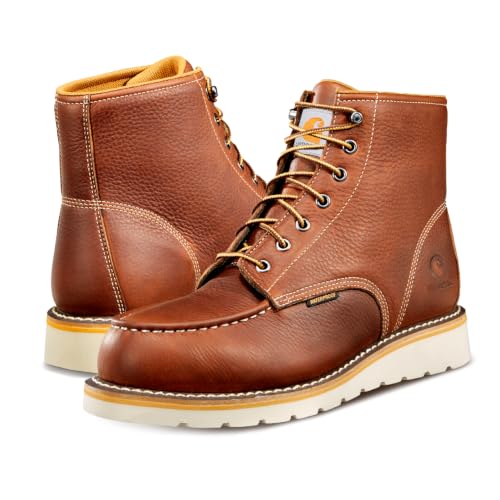
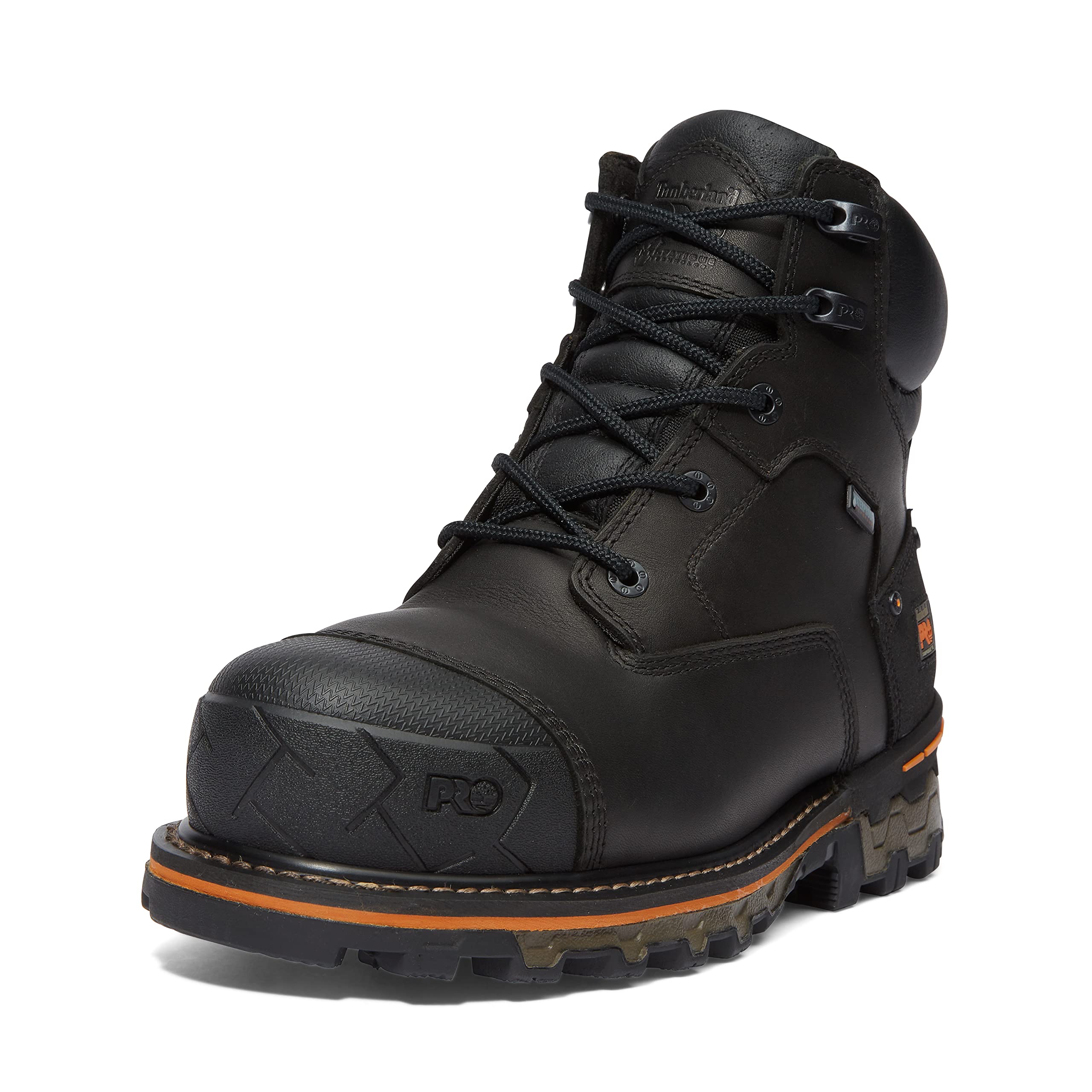


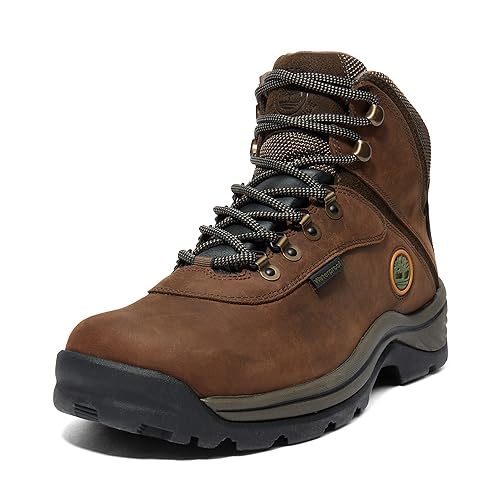

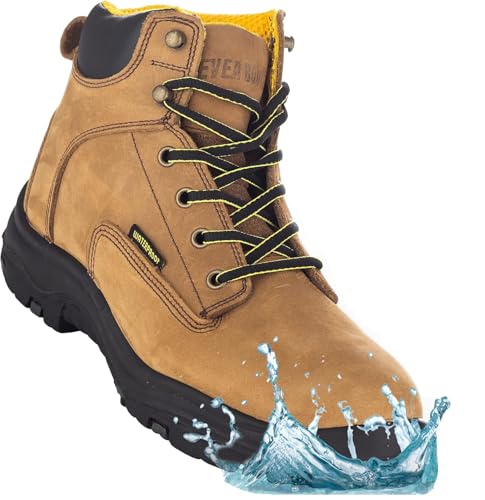
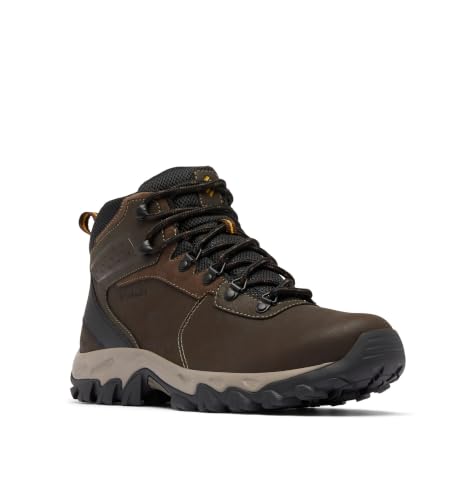
How Waterproof Boots Keep Water Out
Three different methods sit behind the same label, and each one behaves differently in the real world. Knowing which method a boot uses tells you more than the marketing copy does.
Membrane Linings
A membrane such as Gore Tex is a thin lining between the outer layer and your sock. It blocks liquid water while letting some sweat vapor escape, so the boot stays more breathable than a sealed shell. Look for sealed seams and a gusseted tongue, because water usually enters through stitching and lace holes rather than through the leather itself. A membrane only protects up to the top of its lining, so a puddle deeper than the sealed height will still pour in over the collar.
Sealed Rubber and Synthetic Shells
Rubber and neoprene boots have no stitching below the shaft, so they are the most reliable choice for standing water, mud, and washdown work. They rinse clean in seconds. The trade off is airflow, since a sealed shell traps heat and sweat, and ankle support is usually modest compared with a laced leather boot.
Treated Leather
Oil tanned or wax treated leather sheds light rain and splashes, and many work boots combine it with a membrane for extra protection. Treatment fades with wear, so water resistant leather needs fresh conditioner a few times a year. Treat a water resistant label as protection for showers and wet grass, not for wading.
Types of Waterproof Boots for Men
The right type depends on how much of your day happens outdoors and how deep the wet ground gets.
Waterproof Work Boots
Work styles add a safety toe option, a stiff shank, and oil resistant soles on top of a waterproof build. They suit construction, landscaping, farm, and warehouse jobs with wet loading areas. They weigh more and need a longer break in, but a sturdy leather boot with a sealed membrane can last several seasons. For a closer look at job site rules, see our guide to the best work boots for men waterproof.
Waterproof Hiking and Trail Boots
Hiking boots balance weather protection with a lighter build, flexible soles, and deep lugs for dirt and wet rock. They suit dog walks, camping trips, and long days on uneven ground. If trails are your main use, see our guide to the best waterproof hiking boots for men.
Insulated Winter Boots
Winter boots add insulation, a taller shaft, and cold flexible rubber for snow and ice. They suit shoveling, commuting, and standing outdoors, though they can feel too warm indoors and in mild weather. Check the insulation weight against how much you move, because a still wearer needs more warmth than a walker.
Rubber and Pull On Boots
Tall rubber boots win for mud, flooded yards, and stable or barn chores. They pull on fast and rinse clean, and they leave no lace holes for water to find. Choose a pair with a cushioned insole if you stand for hours, since a thin footbed tires your feet on hard floors.
Key Features to Compare
Work through these factors in order. A weak result in the first two cannot be rescued by a good result further down the list.
Waterproof Construction and Shaft Height
Check how the boot is sealed, not just how it is labeled. Sealed seams, a gusseted tongue, and a lining that runs the full height of the shaft keep water out at the weak points. Match shaft height to your wettest ground: about 6 inches handles wet grass and light rain, 8 to 10 inches covers slush and shallow puddles, and a tall rubber shaft covers standing water.
Outsole Traction
Wet ground is slippery ground, so the outsole matters as much as the lining. Deep, widely spaced lugs of about 4 to 6 mm shed mud and bite into soft soil, while a flatter pattern with fine cuts grips wet pavement and tile better. Soft rubber stays grippy in the cold, and a defined heel edge helps you brake on a wet slope.
Fit, Sizing, and Toe Box
Try boots late in the day, when your feet are at their largest, and wear the socks you will really use. Leave about a thumb width of space in front of your longest toe, and make sure your heel stays seated when you walk. If you fall between sizes, take the larger size and add a cushioned insole, because a boot that is too tight chills your feet faster and feels worse when wet.
Breathability and Insulation
Waterproof boots hold heat, so choose the lightest build that handles your weather. Uninsulated membrane boots suit spring and fall, while insulated versions suit winter. Sweat is the other source of wet feet, so wool or synthetic socks that wick moisture matter nearly as much as the boot. Cotton socks hold moisture against your skin and cancel much of the benefit.
Cushioning and Arch Support
Hard floors and long walks punish thin footbeds. A cushioned midsole softens impact, and real arch support spreads pressure across the whole foot. A removable insole lets you swap in a more supportive one, which is the cheapest comfort upgrade you can make. If you notice lasting numbness, sharp heel pain, or swelling, talk with a clinician rather than adding more cushioning.
Weight and Durability
Every extra ounce is lifted thousands of times in a day. Lighter boots reduce fatigue on long walks, while heavier boots usually offer tougher leather, stronger stitching, and a more durable sole. Stitched construction can often be resoled, and cemented soles cost less but are usually finished once the tread wears smooth.
Common Mistakes to Avoid
- Trusting a water resistant label for standing water, so the first deep puddle soaks through the seams.
- Choosing a short shaft for slush and snow, so water pours over the collar.
- Sizing with thin socks, so thick socks crowd your toes once you wear them.
- Buying smooth fashion soles for wet pavement, so every wet crossing becomes a slide risk.
- Skipping a break in period, so a stiff new pair raises blisters on the first long day.
- Drying wet boots on a radiator, so the leather cracks and the sole glue weakens.
Care and Maintenance
Brush off mud and rinse salt after wet days, because dried mud and road salt pull moisture out of leather and wear down the finish. Pull out the insoles and let the boots air dry at room temperature, away from radiators and direct heat. Stuffing them loosely with plain paper draws moisture out overnight.
Condition leather when it looks dry, and refresh the water repellent finish when water stops beading on the surface. Rotating two pairs gives each one a full day to dry. For lighter, drier days, our guide to the best waterproof walking shoes for men covers a low cut alternative.
Frequently Asked Questions
What features matter most in waterproof boots for men?
A sealed build, enough shaft height for your wettest ground, and good traction matter most. After those three, fit and breathability decide whether you will actually enjoy wearing them. A boot that keeps water out but blisters your heel is a poor buy.
Are waterproof boots too hot for summer?
They can be. A membrane or rubber shell breathes less than open mesh, so feet run warmer on hot days. If you only need protection for the occasional storm, a breathable boot with a treated upper may be more comfortable, and a waterproof pair can wait for the wet season.
How long does the waterproofing last?
A sealed rubber boot stays waterproof until it cracks, while a membrane lasts as long as the lining stays intact, often several seasons of regular use. Treated leather needs fresh conditioner a few times a year. Leaks usually start at flex points and seams, so check those first when a pair begins to seep.
Should I size up for winter socks?
Try the boots with the exact socks you plan to wear. Many people need about half a size more for thick winter socks, but a loose heel causes blisters, so adjust with insoles and lacing before you add length.
How long is the break in period?
Rubber and synthetic boots feel ready within a day or two. Full leather boots usually need one to two weeks of short wears. Pain that stays in the same spot after that points to a fit problem rather than a break in stage.
Are expensive waterproof boots worth it?
They can be when the extra money buys a better membrane, tougher leather, and a resoleable build. Higher prices do not guarantee a better fit, so judge value by how long the pair stays dry and comfortable, not by the tag. For work use, compare against the rules in our guide to the best boots for men work.
Final Thoughts
Decide where your feet get wet first, then match the sealing method, shaft height, and traction to that ground. Fit and breathability come next, and price comes last. Compare your shortlist in the product table above against those checks before you order.
When you choose the best boots for men waterproof by the ground you cover most often, the right pair keeps your feet dry and comfortable from the first puddle to the last mile.


