
Best Boots for Walking and Standing All Day for 2026: Types Compared
Disclosure: We may earn a commission when you buy through links on this page, at no extra cost to you. As an Amazon Associate I earn from qualifying purchases. Learn more

Compare boot types for long hours on your feet: cushioning, arch support, fit, and waterproofing explained, with prices and care tips for daily wear.
Boots that feel fine for a short errand can turn punishing by the end of a long shift, because walking and standing load your feet in different ways. Walking needs flex and shock absorption at every step, while standing still needs support that keeps pressure from pooling under the heel and forefoot. Shoppers comparing the best boots for walking and standing all day face a wall of similar looking options, so this guide compares the main types directly.
Below you will find the boot types side by side, a direct comparison of the two most popular styles, and the fit factors that decide comfort hour after hour. The comparison table below gives the quick view before the detail starts.

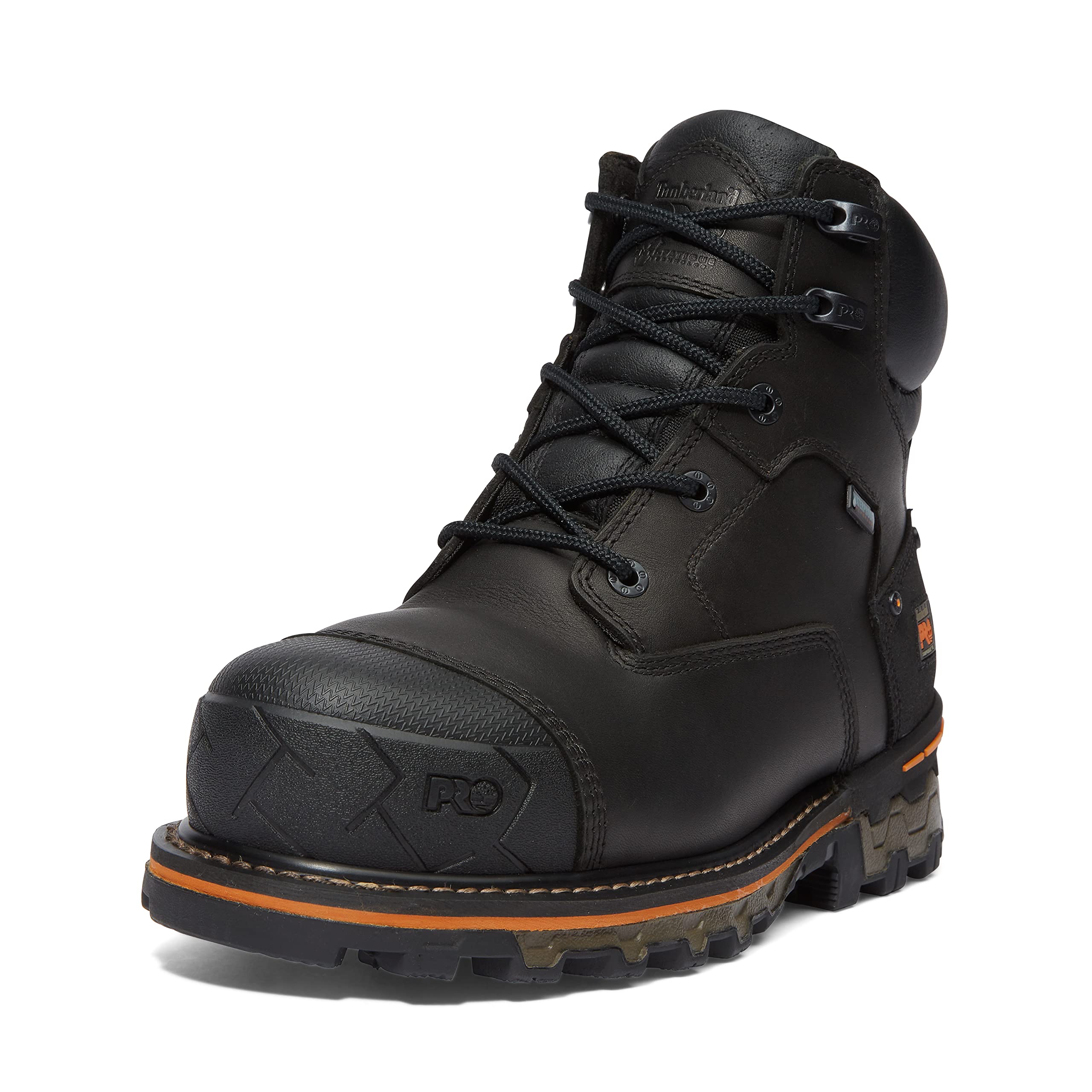


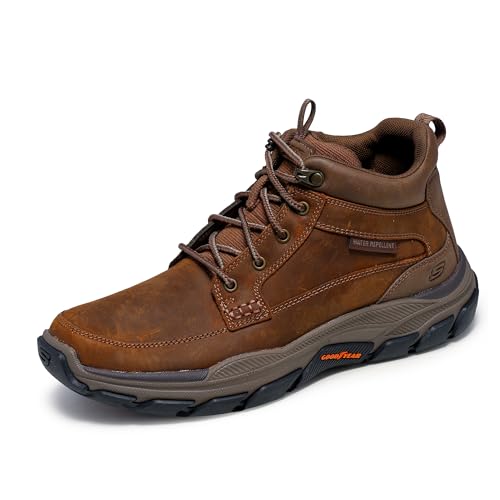


Types of Boots Compared
Each type below trades cushioning, support, weight, and weather protection differently. Start here to narrow the field, then read the choosing section for the details that fine tune the fit.
| Type | Best For | Pros | Cons | Typical Price |
|---|---|---|---|---|
| Lightweight Walking Boots | High step counts on pavement | Low fatigue, flexible sole | Less ankle support, thinner tread | about $70 to $130 |
| Cushioned Neutral Boots | Long standing on hard floors | Even pressure spread, soft landings | Can feel unstable for some feet | about $80 to $150 |
| Waterproof Boots | Wet floors and outdoor routes | Dry feet, sealed seams | Warmer, slower to dry inside | about $90 to $170 |
| Slip Resistant Service Boots | Kitchen, retail, and hospital floors | Strong grip on slick surfaces | Heavier, tread clogs outdoors | about $60 to $120 |
Lightweight Walking Boots
These boots pair a flexible sole with light uppers, so each step costs less energy across thousands of steps a day. Mesh and synthetic panels keep weight down and let heat escape on warm routes. The trade off is thinner cushioning and softer ankle support, which heavy loads expose quickly. Walkers with high daily mileage who carry little tend to love them, and readers comparing options will also find our guide to the best boots for walking all day useful.
Cushioned Neutral Boots
Neutral cushioning spreads pressure evenly instead of guiding the foot into a corrected position, which suits most walkers and nearly everyone who stands in one spot. Thick foam midsoles soften the blow of concrete and tile, the two surfaces that punish feet most. They feel less precise on rough ground, and very soft foam can tire stabilizing muscles. If your arches are average and your main complaint is sore heels by closing time, start here.
Waterproof Boots for Wet Floors and Weather
A waterproof membrane and sealed seams keep rain, slush, and mop water out, which matters for outdoor routes and jobs with constant spills. Boots built around membranes like Gore Tex breathe a little, but never as freely as open mesh, so feet run warmer. They also dry slowly once the inside gets wet. Choose them when wet conditions are a daily fact, not an occasional annoyance, and budget for the slight weight increase.
Slip Resistant Service Boots
Service boots use patterned rubber outsoles designed to channel liquid away and bite into slick tile, sealed concrete, and kitchen floors. Many workplaces require this rating, so check your employer rules before buying. The same tread that grips indoors packs with mud outside, and these boots often weigh more than walking styles. For staff who stand on wet floors all shift, though, the grip is the feature that prevents the worst day at work.
Lightweight Walking Boots vs Cushioned Neutral Boots: Which Should You Choose?
These two types cover most buyers, and the split comes down to how your day divides between moving and standing still. Lightweight boots win on step count: less weight and an easier flex mean fresher legs after long routes. Cushioned neutral boots win on standing time, because their thicker foam keeps absorbing load while you stay in place.
Fit feel differs too, since walking boots often run snugger through the heel while cushioned styles give the forefoot more room. If your shift mixes both, lean cushioned, because standing fatigue is harder to fix with insoles later than walking fatigue is.
How to Choose the Right Boot
Type gets you close, but these factors decide whether a specific pair still feels good at hour ten.
Features That Matter for Walking and Standing All Day
Long hours demand a cushioned midsole that resists packing down, firm arch support matched to your foot shape, and a heel counter that holds the rearfoot steady. A slight rocker in the sole helps walking, while a flatter, wider base helps standing balance. Workers on their feet often look at the best shoes to wear for standing all day for comparison, but boots add ankle coverage shoes cannot. If foot pain, numbness, or swelling keeps returning despite a good fit, see a doctor instead of cycling through more pairs.
Fit, Sizing, and Toe Box
Shop late in the day, when feet have swollen to their working size, and wear your usual work socks. You want a thumb width of space ahead of your longest toe and enough toe box room to spread your toes when standing. Women with narrower heels often do better in women specific lasts, and our guide to the best women's shoes for walking and standing all day explains those fit differences. Never count on a tight boot stretching into comfort.
Waterproofing and Breathability
Pick a membrane only if water is part of your normal day, because waterproof boots always trade away airflow. In hot kitchens, stockrooms, and summer sidewalks, breathable mesh uppers keep feet cooler and reduce blister risk from sweat. Some walkers keep two pairs, one waterproof for wet seasons and one breathable for dry months. That split often beats one compromise boot that does neither job well across the whole year.
Weight and Flexibility
Every extra ounce is lifted thousands of times a day, so lighter boots protect your energy on walking heavy routes. Flex should happen at the ball of the foot, not the middle of the arch, and the boot should twist only slightly when you wring it by hand. Very stiff soles suit rough ground but fight natural stride on flat floors. Match the stiffness to your surface: flexible for pavement, firmer for gravel and uneven yards.
Durability and Expected Lifespan
Full time wear is hard use, and most cushioned boots give their best support for about 300 to 500 miles of walking or roughly six to twelve months of daily shifts. Foam dies before uppers do, so a boot can look fine while its support is gone. Press the midsole and watch the tread: smooth rubber and a flat, dead feel mean replacement time. Rotating pairs, covered below, slows that decline noticeably.
How to Make Your Boots Last Longer
Alternate two pairs so each midsole gets a full day to rebound and dry, which alone can add months of comfortable life. Air dry wet boots at room temperature away from radiators, since direct heat cracks leather and weakens glue. Brush dirt off outsoles weekly so grit does not grind tread away, and after long days your feet recover better in supportive off duty footwear such as the best sandals for walking and standing all day. Replace worn insoles once before replacing the whole boot.
Frequently Asked Questions
What features matter most in boots for walking and standing all day?
Cushioning that resists compression, arch support matched to your foot, and a secure heel fit matter most. Together they spread pressure, absorb the shock of hard floors, and stop the small sliding movements that cause blisters. Breathability and weight come next, especially for walking heavy routes. A boot can advertise all four and still fail if the size is wrong, so treat fit as the first feature and the rest as tiebreakers.
How long is the break in period for work boots?
Soft cushioned boots often feel right within a few shifts, while leather and stiffer styles may need one to two weeks of shorter wears first. Build hours gradually and watch for hot spots, which warn of blisters before they form. A proper break in should ease day by day, never get worse. Sharp pain, numb toes, or heel slip that persists past the first week means the size or shape is wrong for your foot.
Can I wear the same boots all day, every day?
You can, but rotating two pairs is kinder to both the boots and your feet. Foam needs about a day to recover its cushioning after a long shift, and damp linings need time to dry fully. Daily wear in a single pair also wears tread faster on your usual routes. If one pair is all the budget allows, remove the insoles each night to air them and replace the insoles when they flatten.
How should boots for long shifts fit?
They should feel snug at the heel and midfoot, with clear space in front of your toes and width for your forefoot to spread under load. Fit them in the afternoon with work socks on, and walk, stand, and climb a step or two in the store or at home. Toes should never jam the front on a downhill slope. Slight roominess beats slight tightness, because feet only swell as the day goes on.
Are expensive boots worth it for all day wear?
For full time wear, often yes, because pricier boots tend to use denser foam, better leather, and soles that keep their grip longer, which lowers the cost per comfortable month. Casual users on their feet a few hours a day may never feel the difference. The smart middle path is mid range boots bought on sale, rotated and cared for well. Fit still outranks price: an expensive boot in the wrong size is a bad buy at any discount.
The Bottom Line
Match the type to your mix of walking and standing, then let fit, cushioning, and arch support make the final call. The product table above puts the main types in one view so you can shortlist before trying pairs on. Chosen that way, the best boots for walking and standing all day are the ones your feet forget about by the end of the shift.


