
Best Boots for Land Surveying: Which One Fits the Way You Use It for 2026
Disclosure: We may earn a commission when you buy through links on this page, at no extra cost to you. As an Amazon Associate I earn from qualifying purchases. Learn more
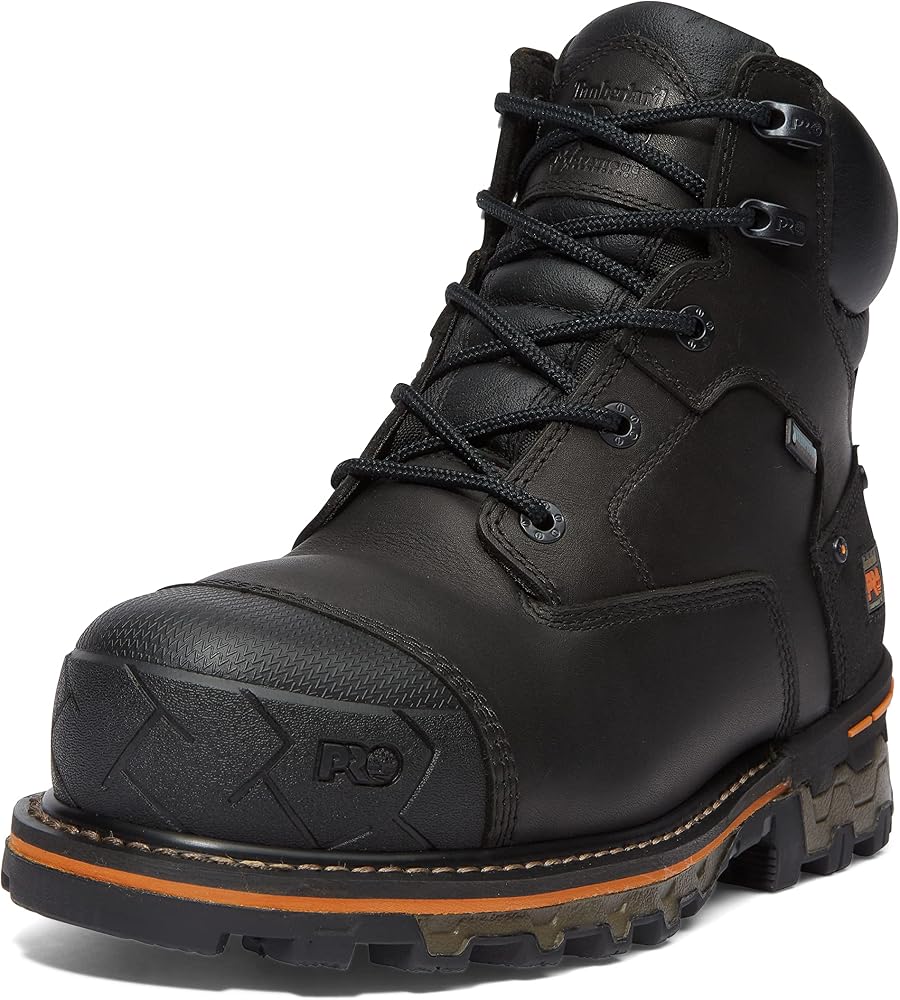
Boots for mud, brush, slopes and long days with gear: the best boots for land surveying.
Surveying rarely keeps you on one kind of ground. A single day can move from pavement to muddy lot lines, brush, gravel shoulders, and steep ditch banks, often while you carry a tripod or rod. Choosing the best boots for land surveying therefore starts with your actual routine, not with a single top rated style, and the comparison table below gives you a quick way to match boot types to that routine.
Think first about how many hours you stand at the instrument, how far you walk between points, and how much water and brush you meet in a normal week. A boot that feels perfect on dry city lots can punish your feet on wet rural acreage, while a heavy waterproof boot can feel like overkill in summer heat.
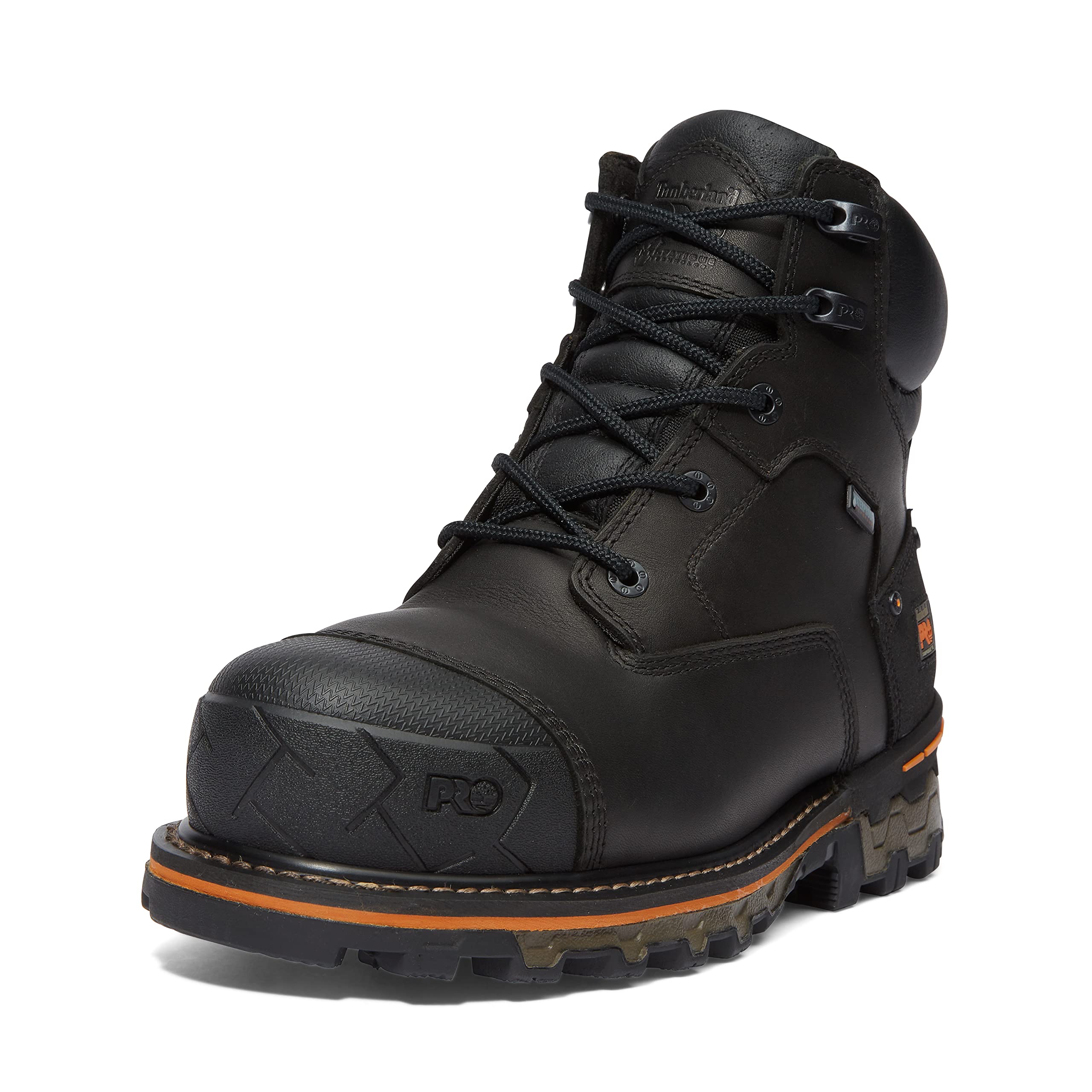


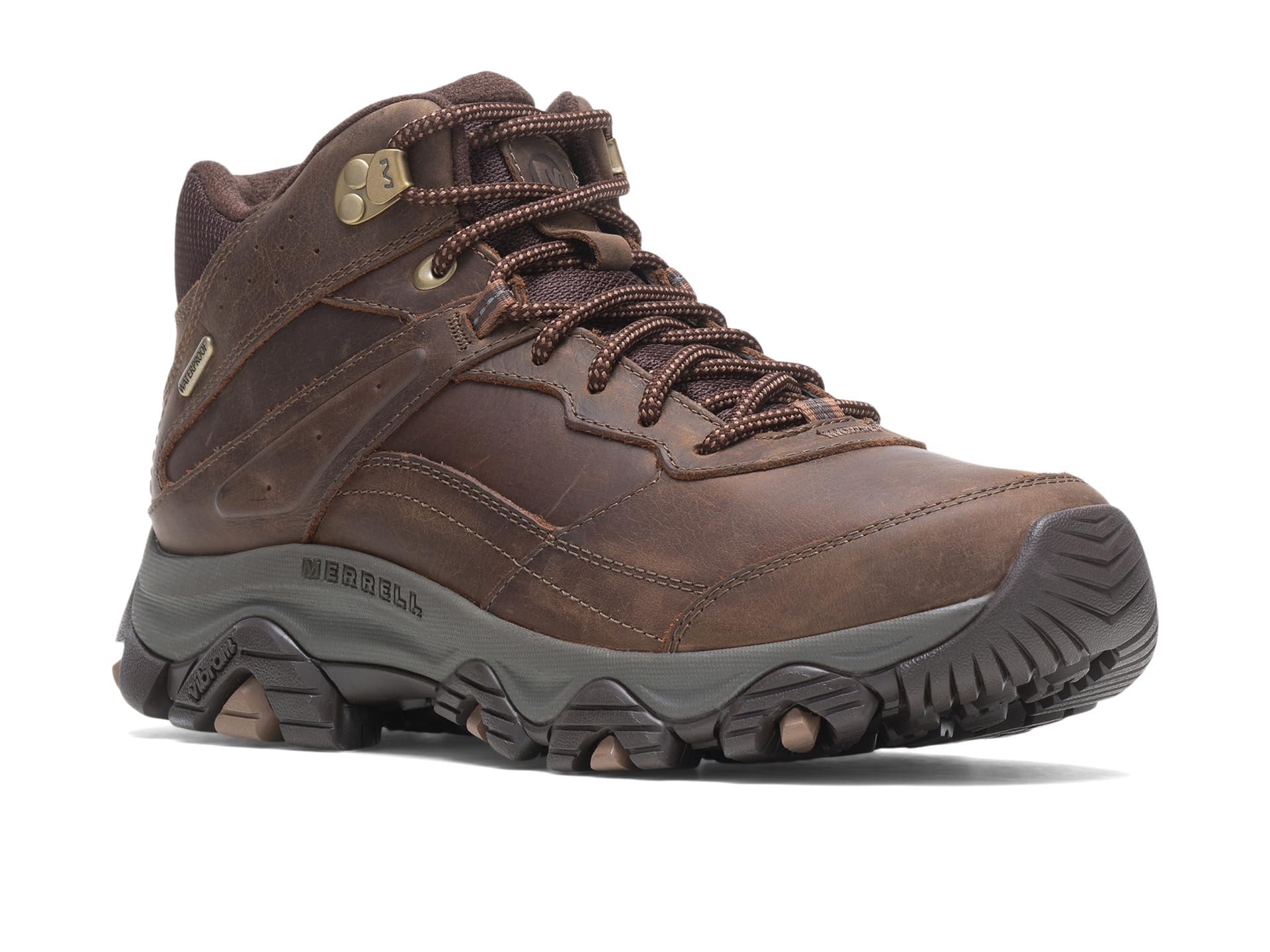


Who Should Buy Which Boots for Land Surveying?
Start by placing yourself in the group closest to your real schedule, because hours and terrain change what counts as good value. Use the product table above as a shortlist, then check each candidate against the needs of your group.
Students and Occasional Rod Helpers
Students, interns, and occasional rod helpers need boots that feel comfortable quickly while they learn field routines. Look for moderate cushioning, a forgiving fabric and leather upper, and a tread pattern with enough depth for grass, dirt roads, and gravel. You do not need the tallest shaft or the stiffest shank for short days on mild ground. Expect to pay around $100 for basic options and up to about $180 for tougher builds, and spending within that range on correct size and decent socks beats paying more for features you will rarely use.
Short Urban Jobs and Construction Layout
City lot surveys, construction layout checks, and short site visits call for lighter boots that take up little room in a crew cab or office corner. A lower shaft, usually around six inches, packs easily as a spare pair and feels less bulky on pavement, curbs, and stairs. These boots dry faster after a brief shower and suit work where you step in and out of a truck all day. The trade off is less ankle coverage in brush and less protection on rutted or rocky ground, so keep them for paved and tidy sites.
Wet Woods, Floodplains and Winter Field Days
Boundary work in wet woods, floodplain surveys, and winter field days demand waterproof construction, taller coverage, and an outsole that sheds mud instead of packing it into a smooth slab. Choose a shaft around eight inches, a tongue that is attached at the sides so water and grit stay out, and leather or coated fabrics that shrug off thorns. Deep, widely spaced lugs grip slick slopes better than fine, close patterns. Expect more warmth and slower drying, a fair exchange when your feet would otherwise be wet within the first hour.
Full Time Field Crews
Full time field crews should treat boots as working tools and buy for durability and support. Prioritize a firm shank, a strongly bonded outsole, and enough internal volume for quality insoles if you use them. Daily users comparing professional options can also see our guide to the best boots for land surveyors for a view focused on career crews.
Key Features to Compare
Features only matter when they change something on the ground, such as how your feet feel at hour eight or whether you slip on a wet bank. When you compare the best boots for land surveying side by side, read each factor below against your terrain and season, because small differences in drop, tread, and fit add up over thousands of steps.
Cushioning and Support
Cushioning absorbs impact, while stability controls how much your foot rolls and twists on uneven ground, and surveying needs a balance of both. Thick, soft midsoles feel kind on pavement but can feel wobbly when you stand on a slope with a tripod on your shoulder. Firmer midsoles with a supportive shank feel steadier in ruts and on side slopes, though they transmit more shock on concrete. Heel to toe drop also matters, since a higher drop shifts load toward the forefoot, while a lower drop spreads load more evenly and can feel more planted during long, still periods at the instrument.
Waterproofing With Gore Tex and Other Membranes
A waterproof breathable membrane such as Gore Tex blocks rain and shallow puddles while letting some sweat vapor escape, which keeps feet drier during active days. That protection has limits, because water that tops the shaft or soaks your socks from above will still reach your feet, and membranes always breathe less freely than plain mesh. In hot, mostly dry regions, a non waterproof boot often feels cooler and dries overnight after a soaking. In cool, wet regions, the membrane earns its cost, especially paired with gaiters.
Features That Matter for Land Surveying
Surveying adds loads and hazards that casual hiking rarely includes, so look beyond general trail specs. Lugs about 4 to 6 mm deep with open spacing clear mud and grip loose soil when you climb banks carrying equipment, and a puncture resistant midsole layer helps where sites hide nails, sharp stone, or cut brush stems. Many construction sites also require a safety toe and sometimes an electrical hazard rating, so check your employer rules before you order. For a broader comparison of tread and shaft choices, see our guide to the best boots for surveying as well.
Fit, Sizing, and Toe Box
Measure both feet late in the day, when they are at their largest, and wear the socks you actually work in. Your toes need roughly a thumb width of space in front, the heel should lift only slightly, and the widest part of your foot should sit in the widest part of the boot without squeezing. A roomy toe box lets toes splay while you balance on slopes, which improves stability and reduces blisters. Sizes vary a lot between brands, so treat your number as a starting point rather than forcing a near fit.
Arch Support and Foot Type
Match support to your arch, because long standing exposes a poor match faster than short walks do. Flat feet that roll inward, often called overpronation, usually feel best in stability designs with firmer material under the arch and a secure heel cup. High arches tend to need more cushioning and a curved shape that shares pressure, since rigid arches absorb less shock on their own. Removable insoles are a plus, as they let you fit orthotics or swap in fresh support later. If you notice lasting foot pain, numbness, tingling, swelling that does not settle, or sores that heal slowly, stop experimenting with insoles and talk with your clinician about your personal needs, especially if you live with diabetes or circulation problems.
Common Mistakes to Avoid When Buying Boots
Most bad boot purchases come from judging one factor in the store and ignoring the conditions of a full field day. Watch for these frequent errors.
- Buying on price alone, so you save a little now and then replace a worn out pair halfway through the season.
- Choosing shallow fashion tread for field work, so the outsole skates on mud and wet grass when you carry heavy gear.
- Trying boots on with thin dress socks, so the size that felt right in the store pinches once you wear real work socks.
- Picking waterproof boots for hot, dry summer routes, so your feet overheat and sweat even on days with no rain at all.
- Ignoring employer safety rules, so a new pair without the required toe protection gets turned away at the site gate.
Tips to Get the Most From Your Boots
Good care protects both the leather and the support inside the boot, and it costs little more than a few minutes after each muddy day. Knock dried mud from the outsole, loosen the laces fully, and pull the insoles out so air can reach the interior. Dry boots at room temperature away from direct heat, because hot air can crack leather and weaken the glues that hold soles in place. Stuffing the boots loosely with newspaper helps draw out moisture after a soaking.
Clean leather uppers with a soft brush and water, then apply a conditioner made for your leather type once the boots are dry, taking care not to coat fabric panels that need to breathe. Rotate two pairs if you work daily, since a full day of rest lets the cushioning recover and the lining dry completely. Replace laces when they fray and insoles when they flatten, and retire the boots when the tread wears smooth at the heel, the midsole stays deeply creased, or the upper cracks through.
FAQ
What features matter most in boots for land surveying?
Fit, tread that matches your terrain, and steady support matter most in boots for land surveying. Get those three right before you pay for extras. One factor many buyers overlook is boot weight, because a heavy pair adds real fatigue over a day of short walks between hundreds of points, and wet leather gains weight as the day goes on.
Can boots for land surveying be worn all day?
Yes, boots for land surveying can be worn all day when the fit, socks, and support suit your feet. Most discomfort on long days comes from heat and moisture rather than from the boot alone. Carrying a spare pair of socks and changing at midday prevents blisters and makes the afternoon feel fresher. If one spot rubs at the same place every day, address it early with a fit change instead of pushing through.
Do boots for land surveying need to be waterproof?
No, boots for land surveying only need to be waterproof if your routes regularly include rain, wet grass, mud, or shallow water. Dry region crews often stay more comfortable in breathable non waterproof boots that vent heat and dry fast. Waterproofing stops at the top of the shaft, so deep creek crossings will wet your feet in any standard boot. For occasional wet days, water resistant leather plus gaiters can be a practical middle path.
How should boots for land surveying fit at the toes and heel?
Boots for land surveying should hold the heel snugly while leaving clear space in front of your longest toe. A quick slope test helps, since standing on an incline or a sturdy step edge shows whether your toes jam forward as they will on ditch banks. Snug lacing across the midfoot can lock the heel without crushing the toes. Never accept toe pressure in the store on the promise that leather will fix it later.
Are expensive boots for land surveying worth the cost?
Expensive boots for land surveying are worth the cost when you work full time and the higher price buys stronger leather, better support, and repairable soles. A useful check is cost per working day, where a durable pair worn for two seasons often beats two cheap pairs that each fail within months. Occasional users rarely recover that premium, so spend first on fit, whatever your budget tier.
How long is the break in period for boots for land surveying?
The break in period for boots for land surveying usually runs from a few short outings for fabric styles to about two weeks of gradual wear for stiff full grain leather. Build up slowly, starting with office or yard tasks, then short field days, before you trust a new pair on a remote boundary survey. Tape known hot spots before long walks during this period. If pain stays sharp or focused in one joint, that signals a fit problem rather than normal break in.
Final Thoughts
The right pair fits your feet, grips your ground, and handles your weather without stealing attention from the work itself. Use the product table above to compare shaft height, waterproofing, toe protection, and support side by side, then narrow your choice by the user group that matches your schedule. Judged that way, the best boots for land surveying for you becomes a clear, practical decision rather than a guess.


