
Best Boots for Land Surveyors: Types Compared and How to Choose for 2026
Disclosure: We may earn a commission when you buy through links on this page, at no extra cost to you. As an Amazon Associate I earn from qualifying purchases. Learn more

Compare boot types and learn how to choose the best boots for land surveyors, with guidance on fit, traction, support, waterproofing, and durability.
Survey work puts your feet through a strange mix of demands. One morning you are standing nearly still behind a total station on gravel, and by afternoon you are crossing wet grass, mud, brush, and sloped ground to set control points. Choosing the best boots for land surveyors starts with matching the boot type to that mix, not with chasing the longest feature list.
This guide compares the main boot types side by side, explains the fit and support details that matter on long field days. Use the comparison table below to narrow your shortlist by terrain and season, then use the sections that follow to check sizing, waterproofing, and durability before you order.


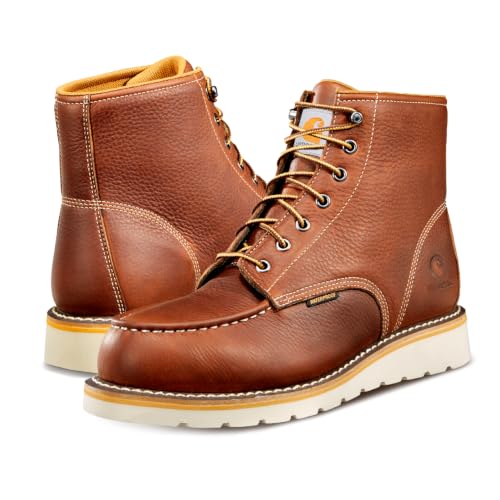


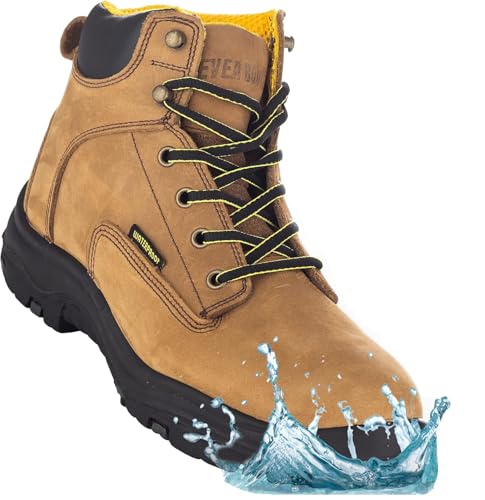

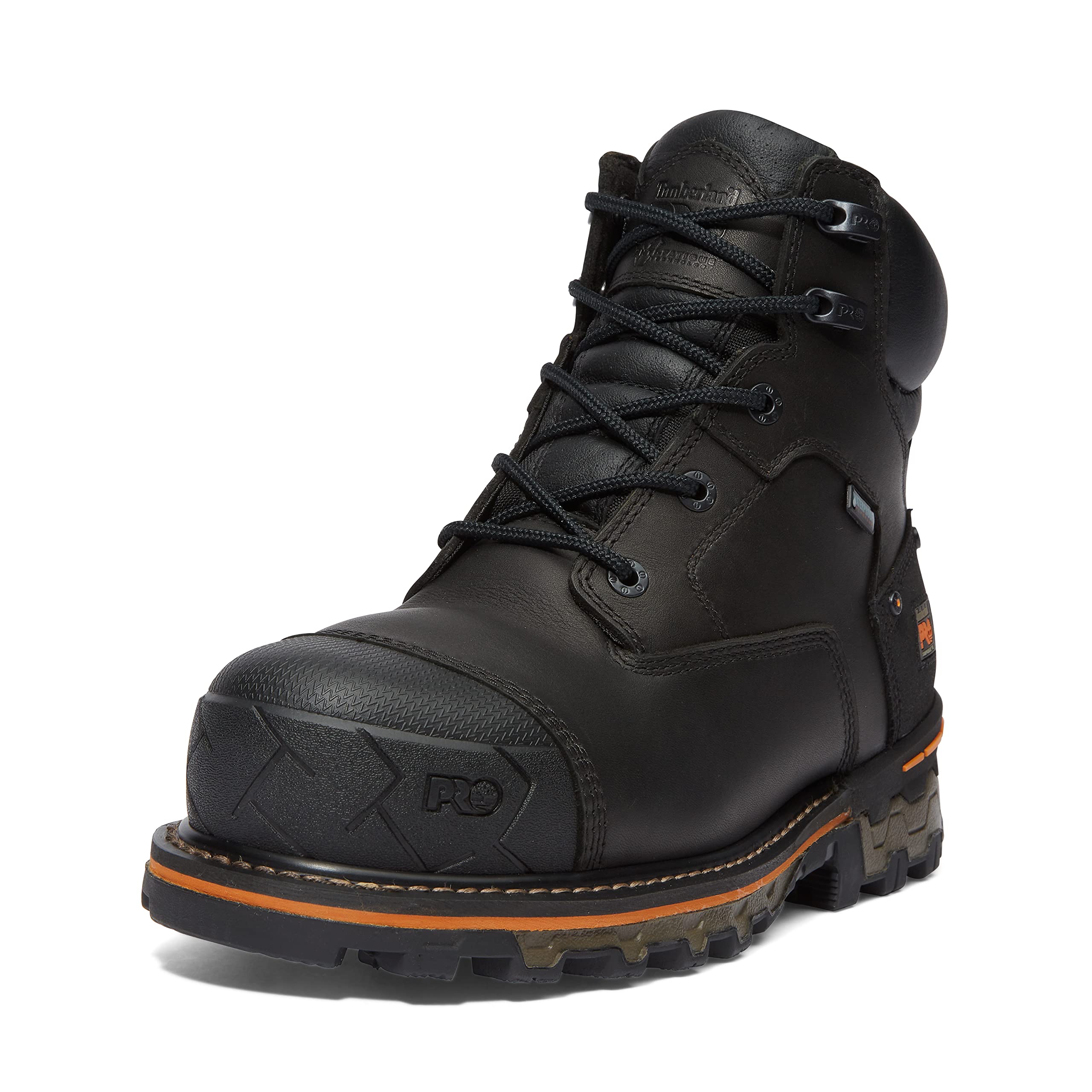
Types of Boots Compared
No single boot type wins everywhere. A crew working paved subdivisions needs something different from a crew cutting through wooded boundary lines in the rain. Comparing the best boots for land surveyors by type is mostly a matter of matching weight, protection, and support to your ground.
Waterproof Field Boots
Waterproof field boots are the default choice for surveyors who work through wet grass, shallow mud, stream edges, and morning dew. A sealed membrane keeps outside water from soaking the lining, while a lugged outsole grips soft ground. They suit boundary work, rural topo surveys, and any assignment where you cannot choose your path across a site.
The trade off is warmth and slower drying. Once water comes over the top of the shaft or through the tongue area, the same membrane that keeps water out also slows how fast the inside dries.
Tall Leather Work Boots
Tall leather boots give you the most protection against brush, briars, kicked up debris, and ankle rolls on uneven ground. The higher shaft supports the ankle when you step into hidden ruts or cross slopes, and thick leather shrugs off abrasion from rocks and concrete forms. Many surveyors who work construction staking and rural land jobs prefer this style for its toughness.
Leather needs a break in period and regular conditioning, and it weighs more than fabric based designs. On long traverses that extra weight adds up mile after mile. Choose this type when protection matters more than pace, and when your employer allows a plain toe or requires a safety toe for active job sites.
Lightweight Hiking Style Boots
Hiking style boots borrow their shape from trail footwear, with flexible soles, moderate cushioning, and lower weight. They feel nimble when your day involves constant walking between points, climbing in and out of a truck, and covering large sites on foot. For topo work on dry to moderately rough ground, they reduce leg fatigue by late afternoon.
The limits show up in durability and protection. Softer midsoles pack down sooner under daily use, thin uppers wear faster against brush, and lower shafts offer less ankle coverage.
Stability and Support Focused Boots
Some boots are built around stability, with firmer midsoles, structured heel counters, and strong arch support. This design helps when you stand for long stretches at an instrument, because a stable platform reduces the small constant adjustments your feet and calves make on gravel or sloped pavement. It also suits surveyors whose feet tire or ache under a soft, unsupportive sole.
Firmer is not automatically better. If you walk long distances on hard surfaces, a rigid boot with modest cushioning can feel harsh by the end of the week. Think of stability and cushioning as a balance to tune to your day, with standing heavy work leaning firm and walking heavy work leaning softer.
Stability Focused Boots vs Neutral Cushioned Boots: Which Should You Choose?
Neutral cushioned boots use an even, softer midsole with no extra motion control, and they suit surveyors with no recurring foot fatigue who mostly walk on predictable ground. Stability focused boots add firmer support under the arch and a more guided feel at the heel, which helps when long standing sessions leave your feet rolling inward or feeling unstable on loose stone.
Consider your heel to toe drop as well. A higher drop shifts effort toward the calves and can feel natural if you already wear raised heel work boots, while a lower drop spreads the load and feels more planted when you stand at a tripod for hours.
One more option sits outside field work entirely. Sandals and recovery footwear have a place after your shift, when tired feet benefit from an open, cushioned design around the house or camp. They offer no protection, grip, or ankle coverage for a site, so treat them strictly as end of day comfort, never as survey footwear.
How to Choose the Right Boot
Once the type fits your terrain, the details below decide whether a pair still feels good in month six. For a companion view focused on daily field routines, see our guide to the best boots for land surveying.
Fit, Sizing, and Toe Box
Try boots late in the day, when your feet are at their largest after hours of standing, and wear the socks you actually work in. Your toes should clear the front of the toe box when you stand on a slope or press your foot forward, because survey work involves constant short downhill steps where toes jam into the front. A roomy toe box also lets your forefoot spread during long setups, which reduces hot spots and numbness.
Check the heel just as carefully. A small amount of lift is normal during break in, but repeated slipping tears skin and signals a volume mismatch. If you fall between sizes, a thicker work sock or a different lacing pattern often solves it better than sizing up, since extra length in front invites tripping on brush and rebar.
Durability and Expected Lifespan
Judge durability by the parts that fail first. Outsoles worn smooth at the heel and ball lose grip on wet slopes long before the upper gives out, and compressed midsoles stop cushioning even when the boot still looks fine. Stitching at the toe and along the rand takes the most abuse from brush and concrete, so clean seams and solid bonding there predict a longer service life.
Expect your replacement timing to follow mileage and terrain rather than the calendar. When traction fades or your feet feel beaten after ordinary days, the boot is telling you its working life is nearly done.
Features That Matter for Land Surveyors
Start with the outsole. Deep, widely spaced lugs shed mud and grip wet grass, while a defined heel brake helps on descents toward creek banks and ditch lines. A stiff shank matters more than many buyers expect, because standing on ladder rungs, rocks, and the edge of a shovel while digging for monuments puts concentrated pressure under the midfoot.
Then match protection to your assignments. Crews on active construction sites may be required to wear a safety toe and puncture resistant plate, so confirm your employer rules and the site requirements before ordering. In snake country and dense brush, taller shafts and tough leather earn their weight. Finally, consider closures and hardware: sturdy eyelets and hooks that lace quickly with gloves on save real time on cold mornings.
Waterproofing With Gore Tex and Other Membranes
Membrane waterproofing, including Gore Tex linings, blocks liquid water while letting some body moisture escape. It earns its place when you regularly cross wet vegetation, shallow puddles, and muddy fields, because dry feet blister less and stay warmer in cold weather. Look for sealed seams and a gusseted tongue, since those details decide whether water sneaks in at the flex points.
Skip or deprioritize a membrane if most of your work is hot, dry, and dusty. Waterproof linings breathe less than open mesh or unlined leather, so feet run hotter in summer and sweat has nowhere to go. Some surveyors solve this with two pairs, a membrane boot for wet seasons and a breathable boot for summer, rotating by forecast rather than forcing one boot to do everything.
Common Mistakes to Avoid
- Buying for your easiest site instead of your hardest one, so the boot fails the first time you draw a wet or brush covered assignment.
- Sizing boots in the morning with thin socks, so they feel painfully tight by midafternoon when your feet have swollen.
- Choosing a smooth or shallow tread for field work, so wet grass and mud turn every slope into a slide risk.
- Ignoring employer and site safety rules, so a comfortable plain toe boot gets you turned away from a construction job.
- Wearing brand new boots on a full field day, so avoidable blisters slow you down before the leather or fabric has shaped to your feet.
- Judging a boot only by softness in the store, so you miss that survey days demand support and protection more than plush cushioning.
Care and Maintenance Tips
Brush mud off after each field day and let boots air dry at room temperature away from direct heat, since hot drying cracks leather and warps adhesives. Pull the insoles out when boots get soaked, and stuff the inside with plain paper to draw moisture while the pair rests. Rotating two pairs across the week gives each one time to dry fully and extends the life of both.
Condition leather uppers once they look dry or pale, and reproof fabric and leather combinations when water stops beading on the surface. Check lug depth and heel wear monthly if you work rough ground, and resole or retire the pair before the tread goes smooth.
Frequently Asked Questions
What features matter most in boots for land surveyors?
Traction, ankle support, and a fit that survives long standing sessions matter most. A lugged outsole with a real heel brake handles wet slopes, a supportive midsole reduces fatigue at the instrument, and a toe box with genuine room prevents numb toes on descents. After those three, match waterproofing and toe protection to your terrain and your employer rules rather than paying for every feature at once.
Are expensive boots for land surveyors worth the higher price?
Higher priced boots are worth it when the extra cost buys better leather, a resoleable build, or a membrane that matches your climate. Spending around $200 often adds those upgrades over budget pairs. Price alone guarantees nothing, though, so judge the specific build quality and fit instead of assuming the costliest option protects your feet best.
How should boots for land surveyors fit at the toes and heel?
They should give your toes room to spread and clear the front on slopes while the heel stays seated with minimal lift. One useful check is to lace up, stand, and shift your weight forward and side to side as if bracing on uneven ground. If your heel slides or your toes press the front during that test, try another size or width before committing.
Do land surveyors need waterproof boots for field work?
Surveyors who cross wet grass, mud, or shallow water on most assignments benefit from waterproof boots. Those working mainly on dry pavement or in hot, arid regions often stay more comfortable in breathable non waterproof designs, because retained sweat can soak feet from the inside. A practical middle path is keeping one waterproof pair for wet weeks and a lighter pair for dry season work.
How often should land surveyors replace their field boots?
Replace field boots when the tread wears smooth, the midsole feels flat and harsh, or the upper cracks and leaks despite care. One signal many surveyors miss is new foot or knee soreness after routine days, which often means the support structure has broken down before the boot looks worn out. Keeping a simple note of your start date and rough mileage makes the pattern easier to spot.
Final Thoughts
Start with the type that matches your terrain, then let fit, traction, and support settle the choice. Waterproof field boots cover the widest range of survey work, tall leather protects best in brush and on construction sites, and lighter hiking styles reward high mileage days on kinder ground. The product table above pulls your shortlist together in one place, so compare your finalists against the points in this guide before ordering.
Feet that finish the day steady and dry make every other part of survey work easier, from holding a rod plumb to hiking one more line before dark. Take the time to choose your best boots for land surveyors by type and fit rather than by habit, and the pair you pick will quietly pay you back on every assignment.


