Best Boots for Surveying in 2026: Budget, Midrange, and Premium Picks
Disclosure: We may earn a commission when you buy through links on this page, at no extra cost to you. As an Amazon Associate I earn from qualifying purchases. Learn more

Compare the best boots for surveying at every price point. Learn what you get at budget, midrange, and premium levels and where spending more pays off.
Surveying keeps you on your feet all day, walking fence lines, crossing muddy lots, and standing behind a tripod on gravel or fresh concrete. Prices run from under $100 to well over $250, and the gap is not always obvious from a product photo. The best boots for surveying for your crew depend on the ground you cover, the weather you work through, and how many miles a week your boots have to survive.
This guide skips named product reviews and shows what each price tier actually buys you, which features deserve your money, and which ones you can safely skip. Use the comparison table below to line up your budget against the sections that follow.




Price Tiers for Field Boots and What They Add
Price tiers in field footwear are really about materials and construction: thin synthetic panels and a glued sole at one end, thick leather and a stitched welt at the other.
Budget Tier: Sound Basics for Lighter Field Days
Around $80 to $130 buys a serviceable boot for dry, mostly flat ground. Expect synthetic or split leather uppers, a basic foam midsole, and a glued outsole with moderate lug depth. Grip is fine on gravel and packed dirt, but uppers scuff quickly in brush and cushioning packs down within a season. This tier suits students, part time rod help, and occasional users who stay close to the truck.
Midrange Tier: Better Materials for Full Time Crews
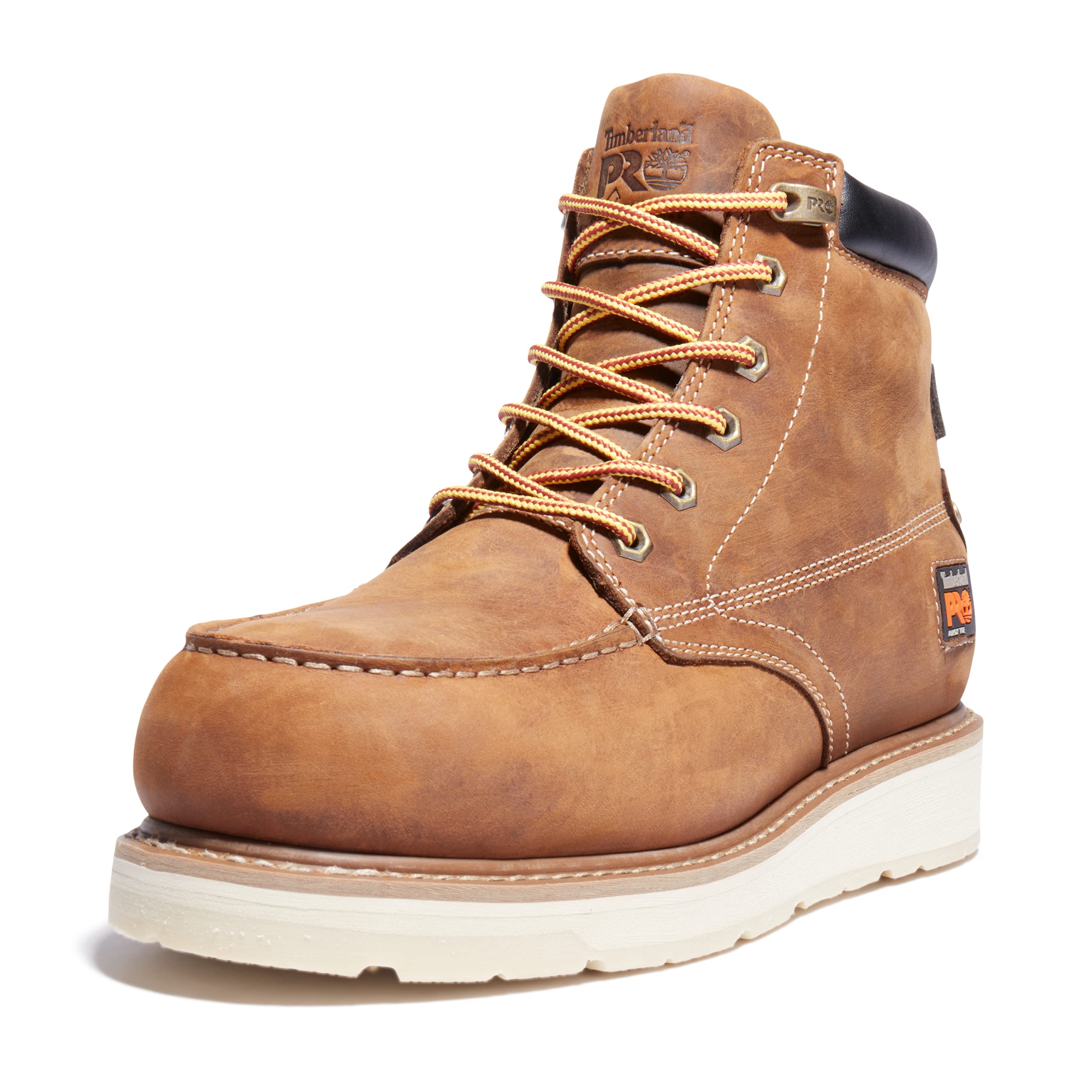
About $130 to $200 is where most working surveyors land. Uppers switch to full grain leather or tougher synthetics, waterproof membranes become common, and midsoles use denser foam that stays supportive after long days. Outsoles gain deeper lugs and a firmer heel. If you are comparing near neighbors in this category, see our guide to the best boots for land surveying for a closer look at route focused features.
Premium Tier: Reinforced Builds for Harsh Terrain
Above about $200, you pay for construction that survives abuse. Look for thick one piece leather uppers, stitched welts that a cobbler can resole, and stiffer shanks that keep the boot from twisting on rock. These boots weigh more and need a longer break in, but a pair can outlast two budget pairs, which suits mountain and boundary work far from easy replacements.
Who Should Buy Which Boots for Surveying
Construction Layout Crews on Mixed Ground
You move between graded dirt, rebar, formwork, and fresh pavement. A midrange boot with a six inch shaft, a firm heel counter, and a safety toe if site rules require one covers most days. Check the policy before ordering, because some projects accept composite toes while others specify steel.
Topographic and Rural Crews Walking Long Distances
Your days mean miles of brush, creek banks, and sloped pasture. Prioritize deep lugs, a waterproof membrane, and a lighter build that will not punish your legs by the last traverse. Premium construction earns its cost here, since a failed seam miles from the truck turns into lost field time and a long walk out.
Occasional Site Visitors and Office Staff
If you visit sites a few times a month for checks and meetings, a budget boot with decent ankle coverage and real tread is usually enough. Keep the pair in the truck with spare socks so a surprise site walk never catches you in smooth soled shoes.
Key Features to Compare
Price alone does not pick the best boots for surveying; the five factors below decide whether a pair fits your ground and your workday.
Sizing and Toe Room for All Day Traverse Work
Measure your feet late in the day, at their largest, wearing your work socks. Your toes need room to spread on descents, so look for a toe box that lets them wiggle without letting the heel slip. A thumb width of space ahead of your longest toe is a useful target. If you fall between sizes, size up and adjust with an insole, because swollen feet in a tight boot end a field day fast.
Outsole Grip and Stability on Uneven Ground
The outsole decides how confidently you can cross wet grass, loose gravel, and muddy cuts. Deeper, widely spaced lugs shed mud and bite on slopes, while a defined heel breast helps you brake on descents. Stability also comes from a firm midsole that resists twisting when you stand on one foot in brush. On pavement, choose a shallower lug pattern, since tall lugs feel squirmy and wear fast on hard surfaces.
Cushioning and Arch Support for Long Standing
Surveying mixes walking with long still periods at the instrument. A dual density midsole softens steps on gravel while staying firm enough that your ankles do not wobble during a setup. Arch support should match your foot type: flat feet usually do better with a structured insole that limits inward roll, while high arches need more cushion under the midfoot. Choose replaceable insoles, since the factory pair is often the first part to wear out.
Waterproofing and Breathability
A waterproof membrane keeps out dew, wet grass, and shallow creek crossings. The tradeoff is heat: membranes breathe less than open mesh, so crews in hot, dry regions often prefer unlined uppers that dry fast after a soaking. Judge by your worst common condition, not your worst rare one, because a dry but sweltering boot will spend August in the truck while you wear something else.
Durability, Weight, and Expected Lifespan
Uppers fail at flex points and seams, so check stitching density and look for a protective toe cap against brush and concrete edges. A resoleable welt costs more up front but extends service life well past a glued sole. Weight matters over distance too, so balance it against durability if your routes run long. A well kept midrange boot should handle about two to three seasons of full time field work before the midsole feels dead.
Features Worth Paying For and Ones to Skip
Pay extra for resoleable construction, a membrane that matches your climate, and an outsole pattern cut for your ground, because those three decide comfort and lifespan daily. Skip heavy insulation if your winters are mild, skip a steel toe when no site rule asks for one, and skip tall, aggressive lugs if your routes are mostly pavement. Money saved there is better spent on good socks and spare laces.
Resoling, Laces and Other Costs of Field Work
The sticker price is only part of ownership. Budget for quality work socks, replacement insoles about once a year, and conditioner or waterproofing treatment each season for leather uppers. A resole on a welted premium boot costs roughly a third of a new pair and can add years of service. Spread over its life, a midrange boot often costs less per field day than the cheapest option.
Common Mistakes to Avoid
- Buying boots in the morning when your feet are smallest, which leaves them painfully tight by mid afternoon on a long traverse.
- Choosing a safety toe before checking your site rules, which can leave you with heavy steel you never needed or a soft toe that gets you turned away at the gate.
- Wearing cotton socks in a waterproof boot, which traps sweat against your skin and raises the risk of blisters on long walks between points.
- Judging grip by how aggressive the tread looks in a photo, which ignores lug spacing and rubber softness, the two things that decide mud shedding and wet traction.
- Skipping the break in period and starting with a ten mile day, which almost guarantees hot spots and sore ankles.
Field Care That Keeps Survey Boots in Service
Knock mud off the outsole after each day and let boots dry at room temperature away from direct heat, which cracks leather and weakens glue lines. Pull the insoles out overnight so moisture escapes. Brush dirt from uppers before conditioning leather, and retreat fabrics when water stops beading. Rotate two pairs if you can, since a rest day between wears lets cushioning recover and extends the life of both.
Boots for Surveying: Your Questions Answered
What features matter most in boots for surveying?
Start with outsole grip, ankle stability, and fit, since those three shape every step on rough ground. One point buyers miss: check the heel shape, because a defined heel breast helps you control descents on loose slopes, which matters more in field work than in most hiking.
Are expensive surveying boots worth the extra cost?
They are worth it when your routes are rough, remote, or daily, because stitched construction and thicker leather survive conditions that split cheaper boots within a season. The new point is repairability: a premium welted boot can be resoled, so compare cost per season, not the price on the tag.
How should surveying boots fit?
Surveying boots should feel snug at the heel and midfoot, with open room at the toes and no pinch across the top of the foot. Lace them firmly and test them on a slope or stairs if you can. Watch for heel lift on the incline: a little is normal in a stiff new boot, but repeated lifting means the size or the last shape is wrong for you.
How long is the break in period for surveying boots?
Most surveying boots need about one to two weeks of shorter wear before they feel like yours, and stiff premium leather can take longer. Build up with office days and short site visits first. Carry tape during the first week and cover any hot spot the moment it appears, before friction turns it into a blister.
Do I need waterproof boots for surveying?
You need waterproof boots for surveying if your work starts in dew covered grass, crosses shallow water, or continues through rain. If your sites are dry and paved, an unlined boot will feel cooler and dry faster after a spill. One waterproof pair for wet months and one breathable pair for summer often beats a single compromise boot.
Final Thoughts
Set your tier by the ground you walk and the miles you cover, then spend inside that tier on fit, grip, and construction you can maintain. Budget boots serve light duty well, midrange pairs carry most full time crews, and premium builds pay off where terrain is rough. Whichever tier you choose, the best boots for surveying are the ones you forget you are wearing, so compare your shortlist against the product table above before you order.