
Best Boots for Ups Package Handler in 2026: Which Type Is Right for You?
Disclosure: We may earn a commission when you buy through links on this page, at no extra cost to you. As an Amazon Associate I earn from qualifying purchases. Learn more

Boots for UPS package handlers compared by type, ideal user, and price range, with a clear guide to the right style for long shifts.
Package handling mixes long walks on concrete, climbs onto truck steps, quick turns in tight aisles, and lifts that shift your balance. The best boots for ups package handler work has to grip on dusty floors, cushion thousands of steps, and stay comfortable as feet swell late in a shift. This guide compares boot types first, so you can use the comparison table below with a clear need in mind.
Start with where you spend most hours. Hub sorters stay mostly indoors, driver helpers move between pavement, grass, and truck beds, and seasonal staff may face rain or snow at loading doors. Your surface, weather, and load weight point you toward a light boot, a waterproof boot, or a more supportive build.
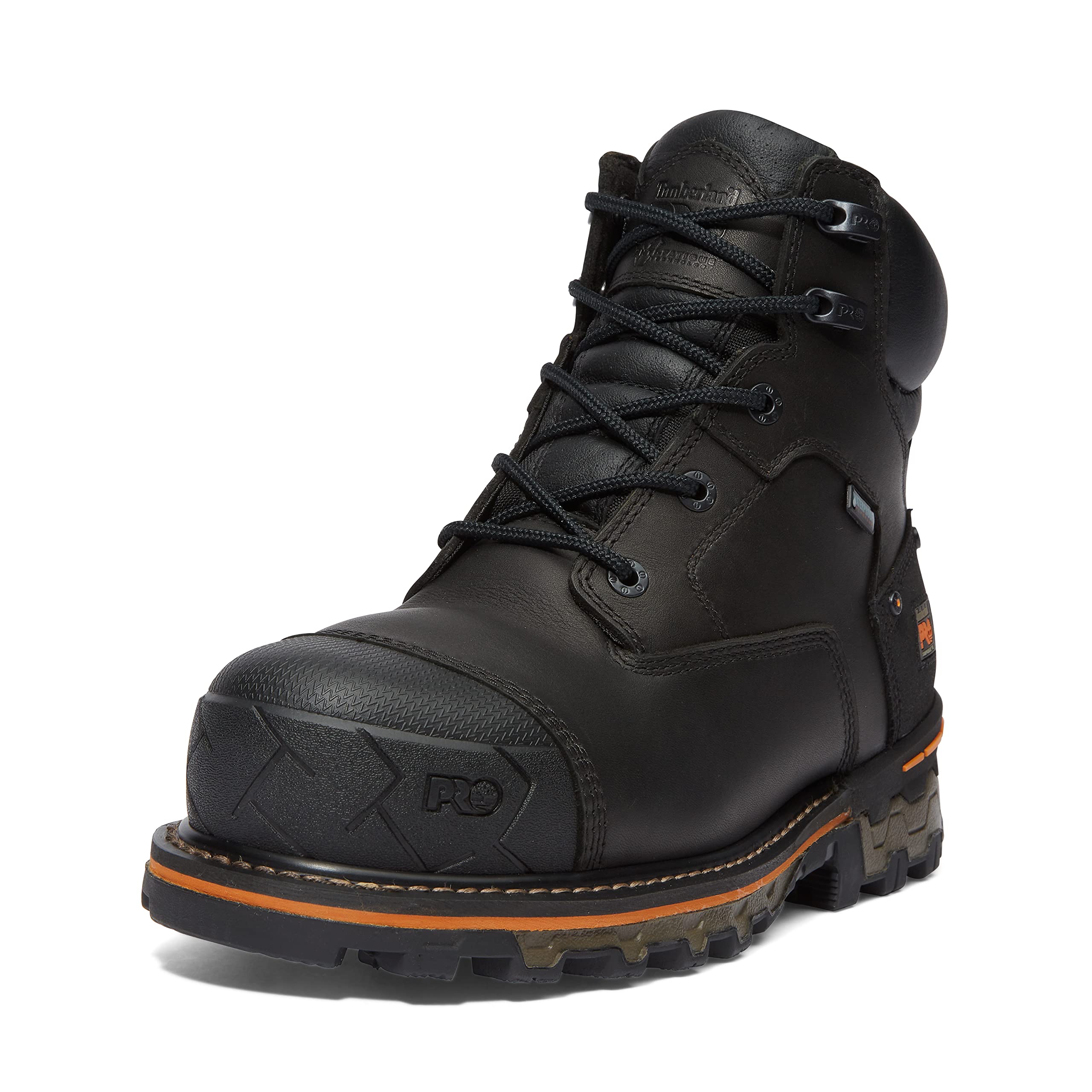


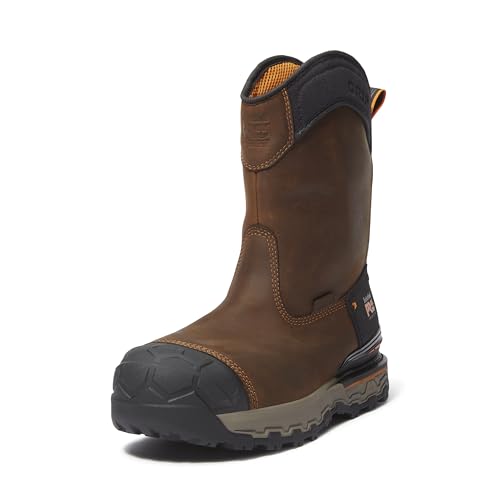


Boot Types for High Step Package Routes
Each type below solves a different main problem for this job. Read them in order of your biggest daily issue, whether that is leg fatigue, wet ground, sore arches, or rolled ankles.
Lightweight Athletic Style Boots
These boots pair a boot height upper with a cushioned sole shaped much like a trainer sole. They feel light on long indoor routes and flex easily when you crouch for low shelves. The trade off is durability, since soft foam compresses sooner and thin uppers scuff faster against box corners and metal edges. Choose this type if you walk far on dry concrete and value fresh legs over maximum upper protection. Most cost about $70 to $120.
Waterproof Boots for Wet Routes and Docks
Waterproof boots use a sealed membrane inside the upper to block rain, puddles, and slush around docks and driveways. Sealed seams and taller shafts keep socks drier during wet curb work, and many add a grippier lug pattern for slick pavement. They run warmer than open mesh styles, so indoor staff may find them stuffy during summer sorts. Choose this type if you step outside often in wet weather. Most cost about $90 to $160.
Stability and Support Boots for Heavy Lifting
Support boots use a firmer midsole, a structured heel cup, and a wider base to limit side to side roll when you carry bulky boxes. Arch support feels more noticeable under load, and the shoe twists less when you pivot with a package held high. They weigh more than athletic styles and can feel stiff at first. Choose this type if you lift heavy items often or end shifts with tired arches. Most cost about $100 to $170.
Tall Shaft Work Boots for Ankle Coverage
Tall work boots rise to about 6 to 8 inches and wrap the ankle with padded collars and a sturdier leather or synthetic upper. That height helps when you cross gravel, climb into truck beds, or brush against pallets. They take longer to lace, feel hotter, and need more break in time than lower styles. Choose this type if your route includes uneven ground or yard work and you want coverage more than speed. Most cost about $110 to $180. If you prefer less height indoors, see our guide to the best shoes for package handler roles for lower options.
Lightweight Boots vs Waterproof Boots: Which Should You Choose?
Pick lightweight boots when most of your shift stays indoors, floors stay dry, and step count is your main source of fatigue. Their softer cushioning and breathable uppers help on warm sorting lines, and they dry quickly after minor splashes.
Pick waterproof boots when rain, dock puddles, or winter slush are part of a normal week, even if they feel warmer indoors. A wet sock early in a shift leads to blisters and cold feet for hours, so sealing water out matters more than airflow then. Many handlers on mixed routes keep one pair of each type and choose by the morning forecast, a habit also covered in our guide to the best ups boots.
How to Choose the Right Boot for Package Handling
Use the four checks below in this order: job features, traction, fit, and break in comfort.
Features That Matter for UPS Package Handler Work
This job rewards cushioning that stays springy late in a shift, arch support that holds up under carried weight, and an upper that resists scuffs from boxes and conveyor frames. Look for a removable insole so you can swap in a fresh one when factory foam flattens. Check site rules on toe type before you buy, since some roles allow a soft toe while others call for a protective toe. When you shop for best boots for ups package handler options, put those checks ahead of colour or brand.
Outsole Traction for Concrete, Ramps and Truck Steps
The outsole is the rubber layer that meets the floor, and its pattern decides how you grip dusty concrete, wet loading ramps, and metal truck steps. Look for many small edges and channels that move water aside, plus a flat heel area for stable steps down. Deep lugs suit gravel and snow but can feel clumsy on smooth indoor floors. A sole marked as slip resistant helps, though tread condition matters just as much once mud fills the grooves.
Sizing for Feet That Swell by the End of a Route
Measure and try boots in the afternoon, when feet are at their largest after hours of standing. You should have about a thumb width of space in front of your longest toe, and your heel should stay seated when you walk and step up. A roomy toe box lets toes spread under load and reduces black toenails from repeated stops at the truck edge. If one foot is larger, fit that foot first.
Break In Period and Comfort Out of the Box
Wear new boots for short errands and one light shift before you trust them for your longest day. Athletic styles often feel ready at once, while stiff leather support boots may need about one to two weeks of gradual use. Small hot spots are a warning to adjust laces or socks now, not a sign to push through a full route. Keep your old pair as backup until the new pair clears several shifts without rubbing. Similar roles face the same ramp up, as noted in our guide to the best shoes for fedex package handler work.
Common Mistakes to Avoid
Most bad buys come from testing boots under the wrong conditions.
- Buying boots in the morning with thin socks leads to a tight fit once feet swell by mid shift.
- Choosing deep trail lugs for smooth hub floors makes turns feel grabby and raises the risk of a twisted step.
- Wearing brand new stiff boots for the longest shift of the week turns small rub points into blisters.
- Ignoring site rules on toe type or sole type can leave you with boots you are not allowed to wear.
- Keeping a single pair for every day leaves foam no rest day to recover, so cushioning fades faster.
How to Make Your Boot Last Longer
Air dry wet boots at room temperature away from direct heat, and loosen the laces so air reaches the insole area. Pull insoles out after rainy shifts and stuff boots loosely with plain paper to draw moisture from the lining. Rotate two pairs on heavy schedules if you can, since a rest day lets foam regain some shape. For work focused options built for rotation, see our guide to the best work boots for ups package handler use.
Brush dried mud from outsole grooves and upper seams each week, because packed grit hides worn tread and grinds at stitching. Replace the insole when cushioning feels flat, and retire the boot when the heel is worn at an angle or tread is smooth at the ball of the foot.
FAQs
What features matter most in boots for UPS package handlers?
Traction and cushioning matter most, because falls and sore joints end more shifts than worn uppers do. After those two, weigh ankle height by assignment, since sorters on flat floors need less coverage than helpers crossing yards. Bring work socks to the store test, and walk a hard floor rather than carpet so cushioning feel matches your real surface.
Do UPS package handlers need waterproof boots?
No, not every handler needs waterproof boots, since hub staff who stay indoors rarely face standing water. The need rises at dock doors where melt water and rain pool and soak a normal upper in minutes. If you work both areas, treat waterproof boots as your wet day pair rather than your only pair, so you still have a cooler option for dry weeks.
Can UPS package handlers wear one pair of boots for a full shift?
Yes, a well fitted pair can be worn for a full shift, provided the fit was tested late in the day with work socks. For very long peak season days, a fresh sock change at your meal break cuts moisture and restores some cushion feel. If numb toes or heel slip appear before the break, the size or lacing needs attention, not more endurance.
Are expensive boots worth it for UPS package handlers?
Higher priced boots can be worth it when the extra cost buys a firmer support structure and a replaceable insole rather than styling. Spread over hundreds of shifts, a small daily cost difference matters less than one missed day from foot pain. Check the return window before you pay more, since a generous exchange policy protects you if fit changes after break in.
How should boots fit for UPS package handling work?
Boots should fit snug at the heel and midfoot, with clear space for toes to spread under load. Test the fit by standing on a slope or a low step and leaning forward, the way you do at a truck edge, and confirm your toes do not jam the front. Also crouch to lift an empty box, since ankle flex then reveals collar pressure that standing still hides.
Final Thoughts
Match the boot type to your main surface first, then confirm traction, fit that boot in the afternoon, and plan a gradual break in. Use the product table above to compare height, weight, and price once your type is clear.
When you choose best boots for ups package handler work with those checks in mind, you get footwear that grips on ramps, cushions long walks, and feels steady with a heavy box in your arms.


