
Best Boots for Irrigation Work of 2026: Complete Buying Guide
Disclosure: We may earn a commission when you buy through links on this page, at no extra cost to you. As an Amazon Associate I earn from qualifying purchases. Learn more

Dry feet, mud shedding grip and support for wet shifts: the best boots for irrigation work.
Working in irrigation means starting in wet soil and ending on sun baked ground, often with water over your ankles in between. Finding the best boots for irrigation work means balancing dry feet against grip, support and easy cleaning. Use the comparison table below to match each style to your water depth and ground.
You may set sprinkler lines at dawn, repair a leaking valve at midday and drag hoses across gravel before you finish. Each task asks something different from your boots. This guide covers who needs which style, key features, the main types, common mistakes and simple care.
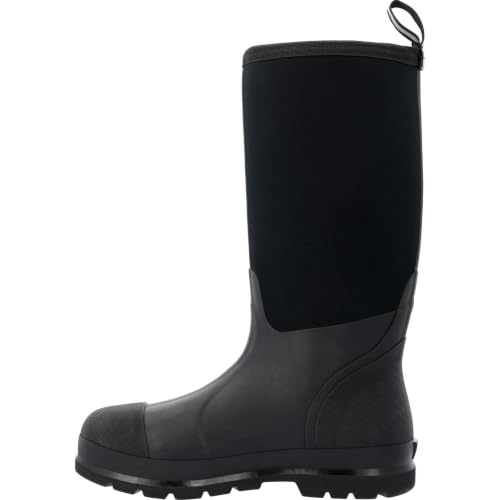

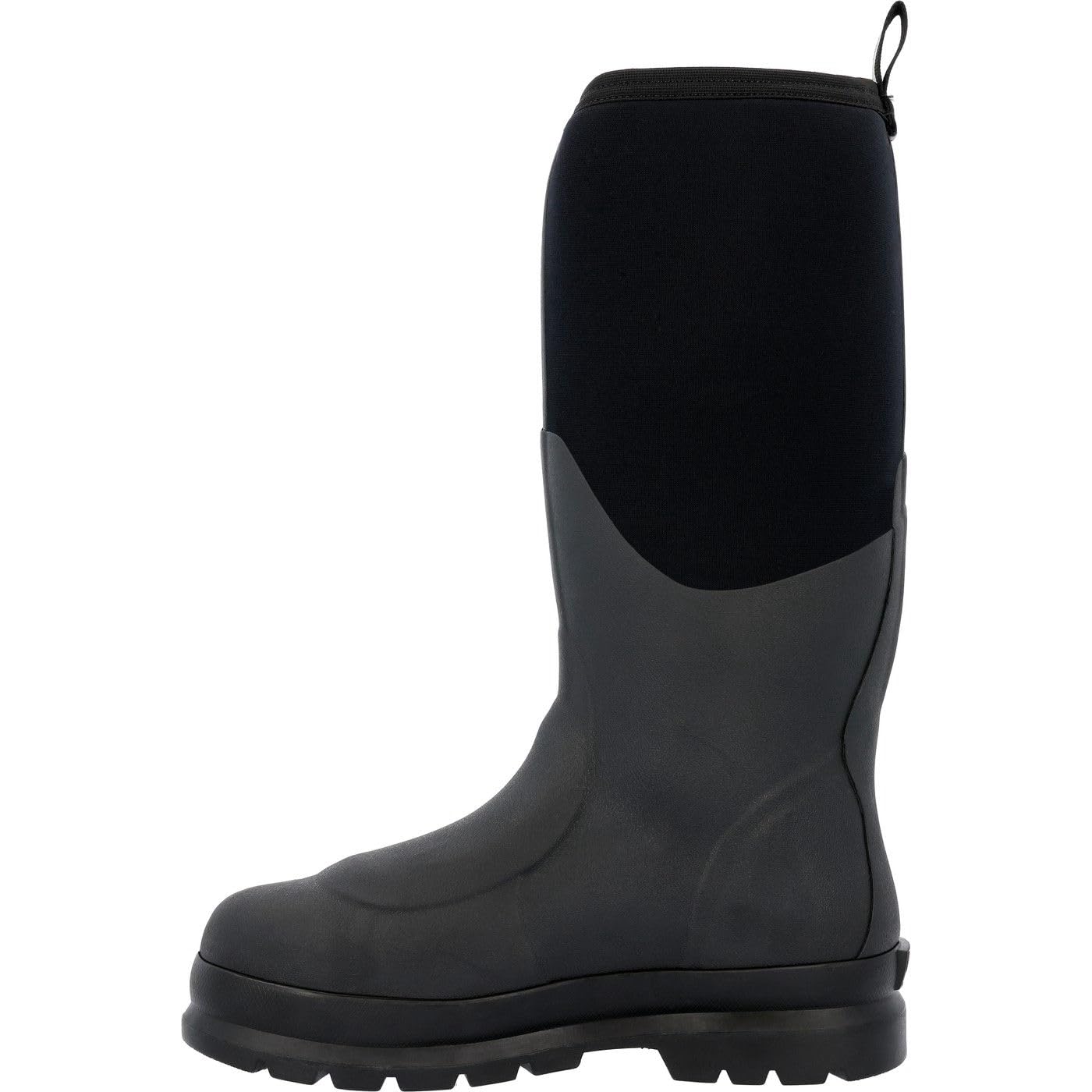
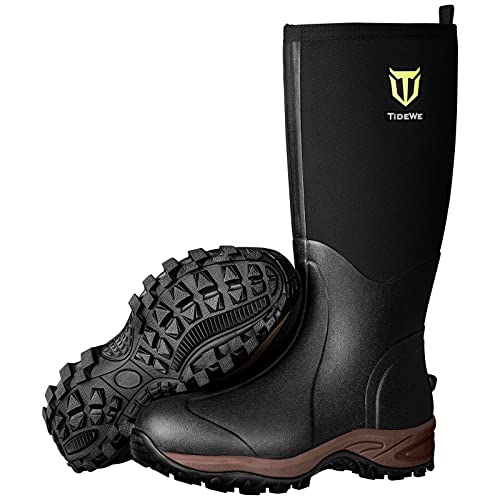


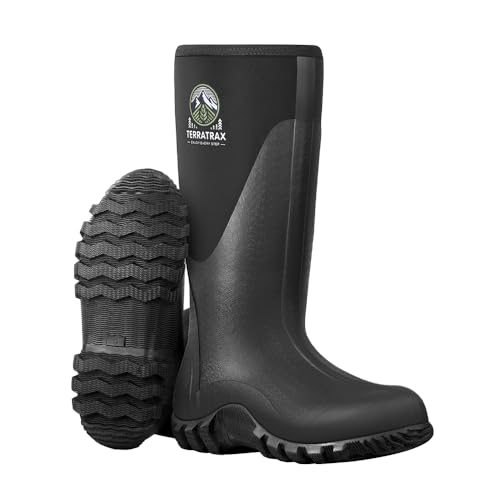

Who Should Buy Which Boots for Irrigation Work?
Start with the wettest hour of your normal day, not the driest one. A boot that handles that hour will usually handle the whole shift.
Crew Members Who Set and Repair Irrigation Lines
You kneel in trenches, step into valve boxes and walk long rows carrying pipe and tools. Choose a lace up waterproof boot with a firm heel counter and a roomy toe box, because kneeling bends your foot and presses your toes forward. A mid calf shaft keeps trench water out while letting you climb out of ditches easily.
Farm and Nursery Workers in Standing Water
You stand in flooded rows, washdown areas and wet greenhouse floors for much of the day. A tall rubber or PVC boot suits you best, because a seamless lower section leaves no stitched seam for water to enter. Pick a shaft above your usual water line, plus a textured insole that stays in place when damp.
Grounds and Landscape Crews on Mixed Ground
Your day moves between wet turf, muddy beds, wet concrete and dry loading areas. You need traction that changes with the surface, plus support for walking slopes with a loaded cart. Readers who also keep a pair for dry construction days can see our guide to the best work boots, then choose a taller waterproof style here.
Key Features to Compare
The best boots for irrigation work share a short list of traits, ordered below by how soon each problem shows up on the job.
Waterproofing and Shaft Height
Water enters a boot over the top, through stitched seams or through a membrane cracked with age. Rubber and PVC boots block water along the whole shaft, while leather boots rely on a waterproof membrane such as Gore Tex and sealed seams. Match shaft height to water depth: ankle height suits splashes and wet grass, 10 to 14 inches suits most field work, and knee height suits flooded rows.
Upper Materials and Easy Rinsing
The upper decides how a boot handles mud, fertilizer and repeated soaking. Smooth rubber and PVC rinse clean under a hose and resist most farm chemicals, but they feel stiff and warm. Full grain leather with a waterproof membrane breathes better and flexes at the ankle, yet it needs drying and conditioning to stop cracking. Choose smooth materials if you rinse daily.
Fit That Works With Wet Socks and Swollen Feet
Measure both feet late in the day, when they are at their largest, and size for the longer foot while wearing your normal work socks. Your toes should clear the front by about half an inch, and the toe box should let them spread in soft ground. A wide toe box helps with thick wool socks in cold water. Men comparing size charts can also see our guide to the best men's work boots.
Support for Standing in Wet Fields All Day
Soft ground hides poor support at first, because mud absorbs each step, but hard headlands and concrete reveal it by midday. Look for a firm midsole with moderate cushioning, clear arch support and a heel to toe drop of about 8 to 12 mm. Stability comes from a wide base and a shank that limits twisting on ditch banks. If the factory insole feels thin, see our guide to the best inserts for work boots.
Outsole Traction and Mud Release
Traction in irrigation work depends on lug shape as much as lug depth. Lugs of about 4 to 6 mm with wide gaps grip mud and shed it as you walk, while tight shallow lugs pack full and skate on wet concrete. Look for angled lugs at the heel for braking on ditch banks and a flatter patch under the ball of the foot. Softer rubber grips wet stone better but wears faster on gravel.
Toe Protection, Weight and Flexibility
Decide on toe protection from the tools and loads around you, not from habit. Steel toes guard against dropped pipe fittings, composite toes give similar protection at lower weight and stay warmer in cold water, and soft toes suit light sprinkler work. A pair under about 4 pounds feels easier late in the day. The boot should flex at the ball of the foot, not fold in the middle.
Types of Irrigation Boots Compared
Three boot families cover nearly all irrigation work. Compare them by water depth first, then by daily walking distance. For a closer look at one family, see our guide to the best irrigation boots.
Tall Rubber and PVC Boots for Deep Water
These pull on boots give the most complete water protection and the fastest rinse after muddy work, and most cost about $40 to $90. They suit flooded fields, canal checks and washdown tasks where water depth changes through the day. Their limits are heat, modest arch support and a loose ankle fit on long walks.
Lace Up Waterproof Leather Boots for Mixed Ground
A lace up leather boot with a waterproof membrane fits closer, supports the ankle and walks well between wet and dry zones, with most pairs at about $100 to $250. Laces let you loosen the forefoot as feet swell and tighten the ankle before climbing a bank. This family suits crews who cover distance each day. The tradeoff is care, since leather needs full drying and conditioning.
Pull On Mid Calf Boots for Daily Wet Work
Mid calf pull on boots split the difference, giving more protection than ankle boots with less heat and weight than knee height rubber. Most cost about $60 to $150, and side handles help you pull them on with damp hands. They suit nursery, greenhouse and turf crews in shallow water all day. Check calf room first, because a tight shaft feels worse with work pants and thick socks.
Common Mistakes to Avoid
Each mistake below costs comfort or boot life over a season.
- Buying a shaft shorter than your deepest water leaves your socks soaked within the first hour.
- Sizing boots in the morning with thin socks gives a fit that pinches once your feet swell.
- Choosing tight shallow lugs for mud leaves the outsole packed and slippery on wet concrete.
- Wearing soft toe boots around heavy pipe and pumps leaves your toes exposed to dropped fittings.
- Storing wet boots in a closed truck box invites odor and weakens linings and adhesives.
Care and Maintenance for Irrigation Boots
Rinse mud and fertilizer from your boots at the end of each shift, because dried residue draws moisture from leather and holds grit against seams. Use plain water and a soft brush, work grit out of the lug gaps, and check the shaft for cuts while the surface is clean.
- Dry boots upright at room temperature with insoles removed, away from direct heat that can crack rubber and leather.
- Condition leather uppers once they feel stiff, and reproof fabric when water stops beading on the surface.
- Rotate two pairs on wet weeks, so each pair dries fully before its next shift.
- Replace insoles that stay flat or hold odor, because a worn insole removes support.
- Retire a pair when lug depth looks shallow or the membrane leaks at the same spot twice.
FAQ
What features matter most in boots for irrigation work?
Waterproofing matched to your water depth matters most in boots for irrigation work. After that, rank mud shedding traction, a toe box that fits your work socks and support for long walks. One point many buyers miss is the inner lining: a lining that pulls free when you remove a wet boot will bunch under your heel, so check that it feels firmly attached.
Are expensive boots for irrigation work worth the cost?
Expensive boots for irrigation work are worth the cost when you walk far each day or work in cold water for long stretches. Higher prices often buy a better membrane, a shaped insole and a repairable welt. A useful test is cost per season: a pair lasting three seasons usually costs less than two short lived pairs.
How often should I replace boots for irrigation work?
Replace boots for irrigation work when they leak, lose grip or stop supporting your feet, which often happens after one to three seasons of daily wet use. Watch for early signs rather than a date: a heel counter that folds under thumb pressure and lugs worn smooth at the heel suggest the pair is near its end.
How long is the break in period for boots for irrigation work?
The break in period for boots for irrigation work is short for rubber styles and about one to two weeks of shifts for stiff leather styles. Wear new leather boots on shorter dry tasks first, then add wet work once the ankle flexes without rubbing. If a heel blister forms in the same spot twice, adjust sock thickness or lace tension rather than pushing through.
Do I need waterproof boots for irrigation work?
Yes, you need waterproof boots for irrigation work if you step into standing water, saturated soil or daily washdown spray. Water resistant uppers only shed light splashes, and they wet through once you stand in a flooded row. One exception is hot, fast draining sandy ground where water never pools: there, a breathable non waterproof boot can feel cooler if you accept wet feet during line breaks.
Final Thoughts
Match shaft height to your deepest water, traction to your muddiest ground and fit to your feet at the end of the day. Those three checks prevent most bad purchases. Use the product table above to compare height, weight and price for your short list.
Chosen with those points in mind, the best boots for irrigation work keep your feet dry, your footing steady and your attention on the water system.


