
Best Boots for Ticks in 2026: What Actually Matters Before You Buy
Disclosure: We may earn a commission when you buy through links on this page, at no extra cost to you. As an Amazon Associate I earn from qualifying purchases. Learn more

Find boots that help keep ticks off your legs, with guidance on shaft height, sealed tongues, light colors, gaiter fit, traction and daily tick checks.
Ticks wait low in grass and leaf litter, then climb upward once they reach a shoe. The best boots for ticks slow that climb with height, a closed top and no easy path to skin. Use this checklist with the comparison table below.
Start with where you walk. A boot that works on mown paths may leave gaps in tall grass, and a tall rubber boot may feel heavy on a dry trail. Match shaft, material and fit to your ground.

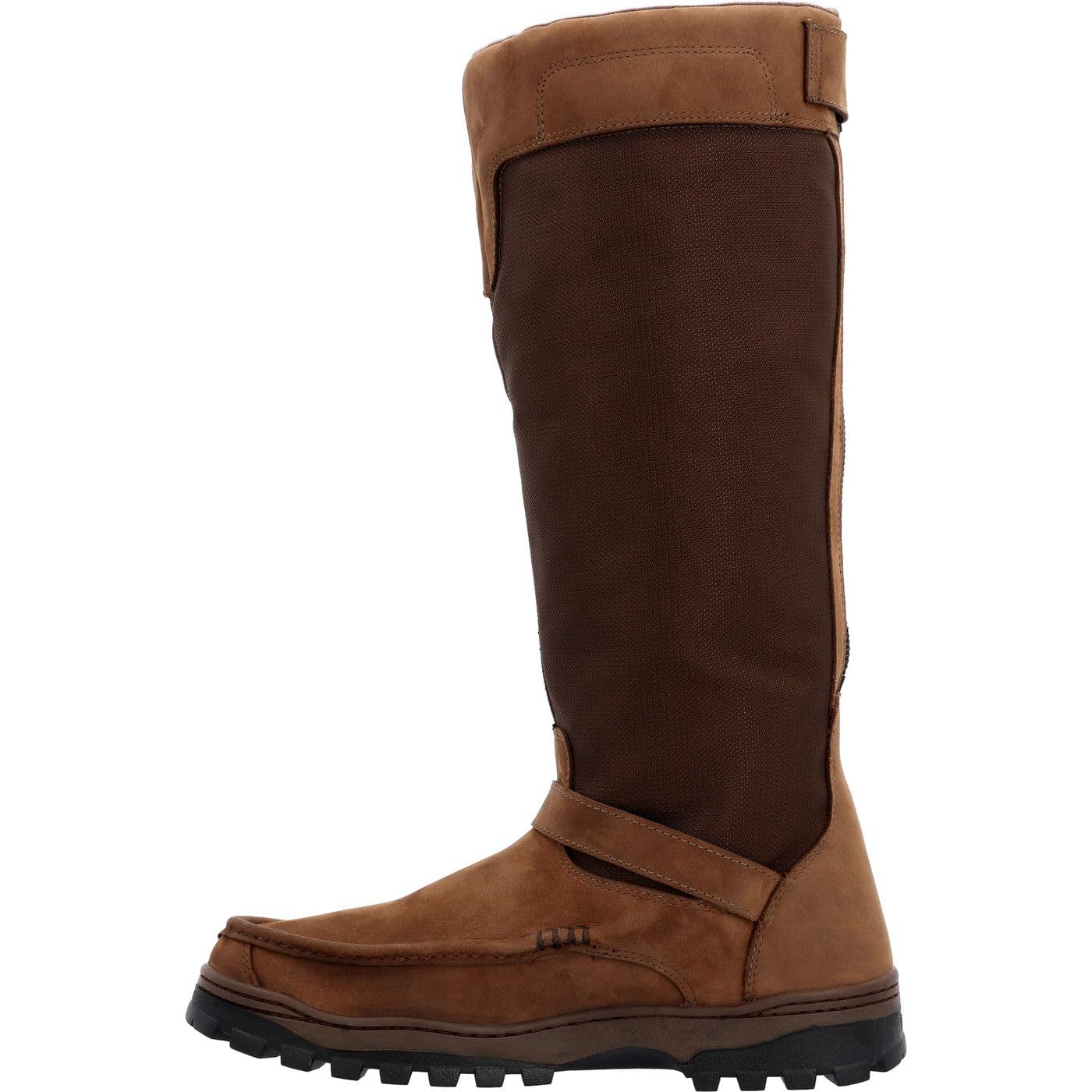

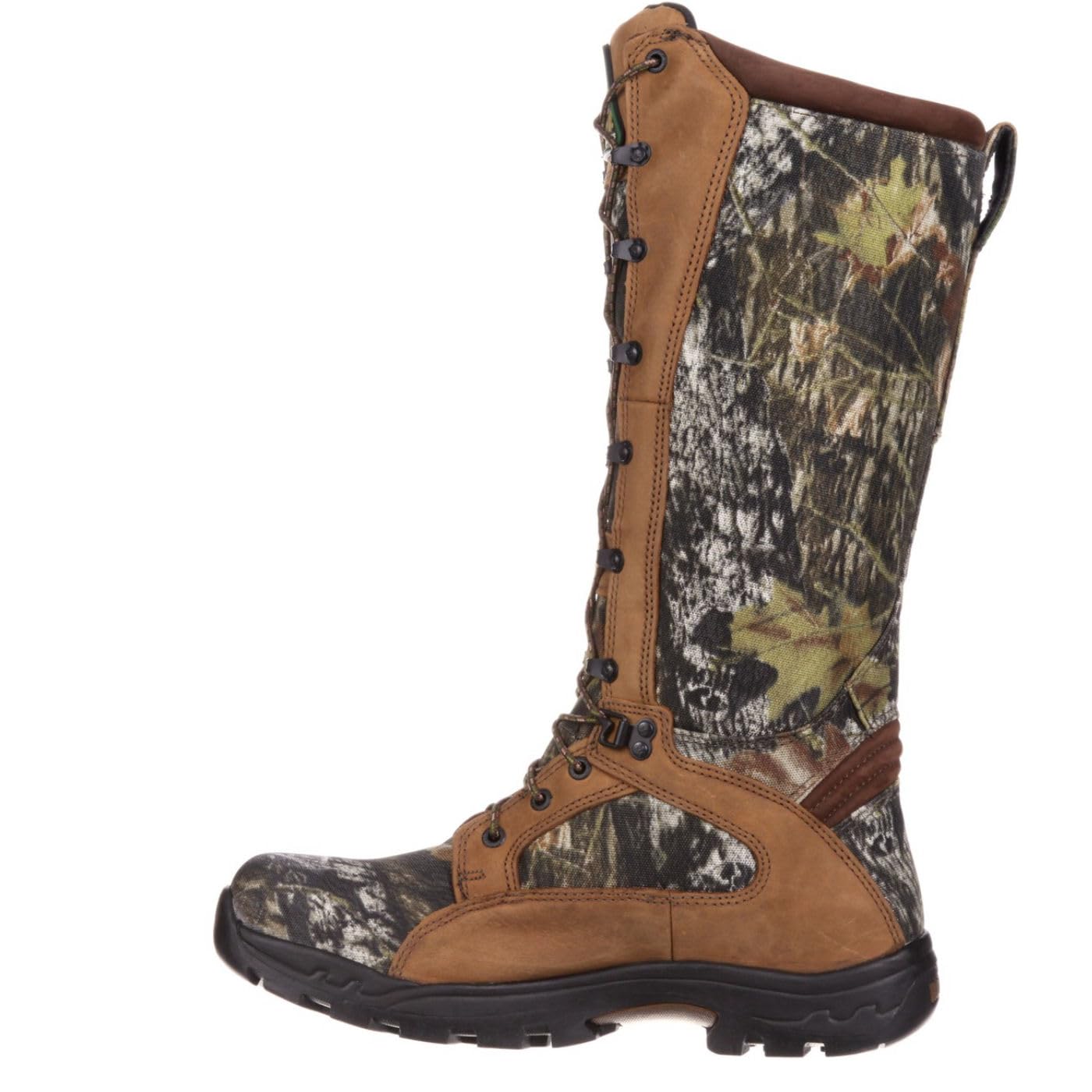

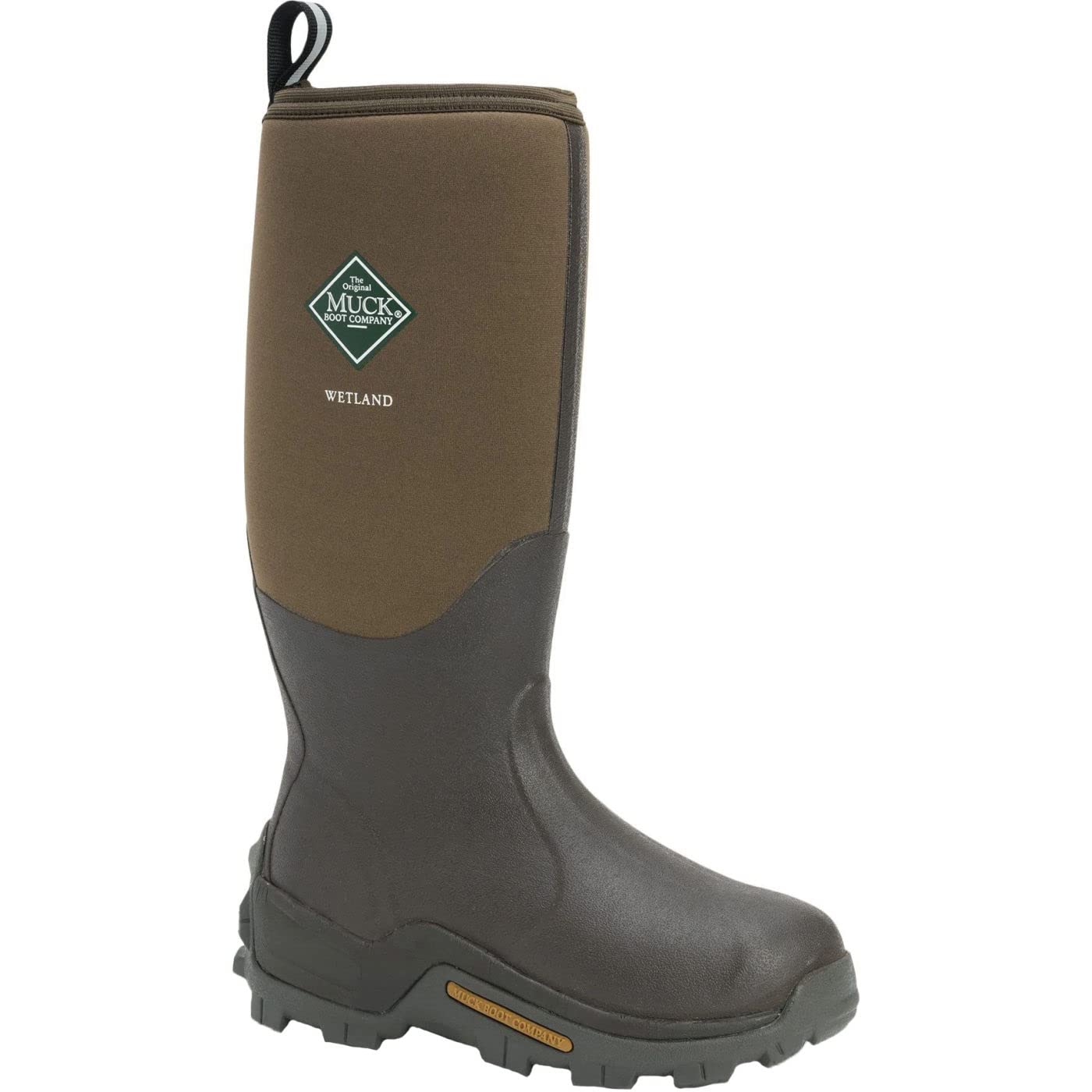
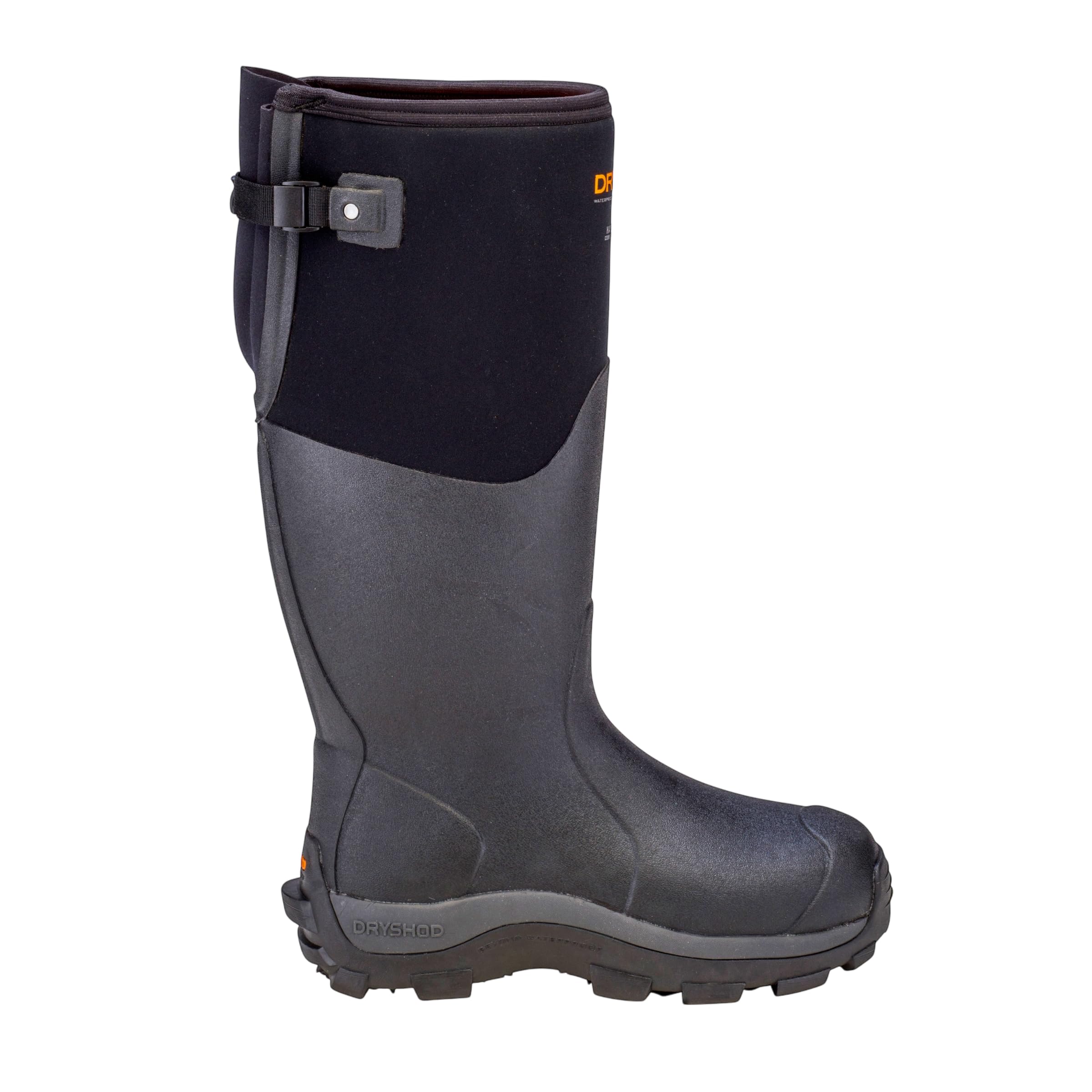
Who Should Buy Which Boots for Tick Country?
Your exposure sets the height and seal you need, so pick your closest group below.
Field Workers and Trail Crews in Tall Grass
You push through grass and brush for hours. Choose a shaft of about 14 to 16 inches, a gusseted tongue and room for pants tucked inside or gaiters over the top. Light colors help you spot a dark tick during a quick break.
Hunters, Anglers and Campers Near Brush and Water
You cross wet grass, kneel near cover and sit where ticks may already be present. A tall rubber or waterproof leather boot keeps dew off socks and closes the ankle gap. Pick tread that grips mud without holding clumps of soil against the shaft.
Gardeners, Dog Walkers and Landowners on Mixed Ground
You move between lawn, beds, wood piles and rough edges where grass grows long. A boot of about 10 to 12 inches paired with gaiters often gives enough coverage without full height heat. Choose a pair you will wear for quick chores too, because a boot left indoors gives no coverage.
Key Features to Compare
Compare boots from the top down. Coverage and closure matter first, and comfort matters next, since sore feet push people back into low shoes.
Shaft Height and Leg Coverage
Shaft height runs from the footbed to the top edge, and it decides how far a tick must climb before it finds skin or a gap. About 8 inches covers the ankle, about 10 to 12 inches reaches mid calf, and about 14 to 16 inches nears the knee. Taller shafts buy time to spot a tick, but they add weight and warmth, so match height to grass height.
Gusseted Tongue and Closed Lacing
A gusseted tongue joins the upper along both sides, so the space under the laces stays closed when the boot flexes. Open tongues and wide lace gaps leave a soft channel straight to the sock. Check the top hooks too, because laces that loosen open a gap at the collar. Smooth collars with no loose loops give a climbing tick fewer holds.
Upper Material, Weave and Color
A smooth tightly woven upper is harder for a tick to grip than loose mesh, deep padding folds or rough suede. Leather and coated fabrics wipe clean and show ticks well in tan, gray or khaki, while dark colors hide small dark ticks. If a boot has mesh panels, they belong high on the shaft, away from the ankle where grass contact is most frequent.
Water Resistance and Breathability
Wet grass soaks socks fast, and a damp sock lets the boot top slide. Waterproof membranes such as Gore Tex block dew and shallow puddles while letting some vapor escape, though no tall boot feels cool in heat. Rubber boots block water fully but trap more warmth. On dry ground, a water resistant leather shaft with better air flow may be worn more often.
Pants Seal, Cuffs and Gaiter Fit
The most common opening sits between the pant leg and the shaft, not in the boot itself. Tuck pants into tall boots, or pull socks over pant cuffs, and add gaiters when brush is dense. A gaiter should close snugly at the calf and sit low over the boot with no loose skirt. Walk and squat, then check that no gap opened at the back of the calf.
Fit, Toe Box and Support for Long Days
Measure both feet late in the day and try boots with your outdoor socks. Toes need room to spread, with about a thumb width ahead of the longest toe, and the heel should stay put as you walk. Cushioning and arch support matter because fatigue makes you drag your feet through grass. A stable boot with a modest heel to toe drop keeps footing steady on wet roots.
Boot Types Compared for Tick Protection
Tall rubber boots give the longest smooth climb and the fewest seams, and they rinse clean after mud. They suit wet fields and farm work, but they can feel hot and loose at the ankle on rocky hikes. Prices often run about $70 to $150, so check that the top sits close without pinching.
Tall leather field boots lace to a closer fit and support the ankle on uneven ground, which suits hunters and crews who walk far. Seams, laces and a gusset that stops partway up are weak points to inspect. Expect to pay about $120 to $250, and allow time to soften stiff leather.
Mid height hiking boots with gaiters are the lightest and coolest option. The boot alone leaves the calf open, so the gaiter does most of the work and must be worn every time. This is where the phrase best boots for ticks can mislead, because the full system matters more than the boot name.
Boots alone do not prevent bites, so treat your routine as part of the purchase. Check legs, socks and boot tops when you come inside, and shower and check your whole body the same day. A bite followed by an expanding rash, fever, headache, joint pain or unusual fatigue needs a doctor promptly, and you should talk with your clinician about personal risk.
Tick Defense Checklist
Answer each question with the boots on and your usual outdoor pants in place.
- Does the shaft reach at least mid calf, and higher for tall grass?
- Is the tongue joined to the upper so no gap opens under the laces?
- Can you tuck pants in or seal gaiters over the top with no loose edge?
- Is the upper smooth and light in color so small dark ticks show up?
- Do your toes have room while your heel stays still as you walk?
- Does the tread grip wet ground without holding large clumps of mud?
- Will you wear this pair on short chores as well as long outings?
Common Mistakes to Avoid
- Buying low boots for tall grass leaves the calf open and gives ticks a short climb to skin.
- Wearing pants loose over boot tops creates a hidden channel that leads a tick straight to the leg.
- Choosing dark loose mesh uppers makes ticks hard to see and easy to hold on during a climb.
- Skipping the tick check after a short outing misses ticks that move slowly and bite hours later.
- Trusting a spray alone and ignoring gaps means one missed spot removes most of the protection.
- Picking a tight toe box to feel secure causes blisters that push you back into low shoes.
Care and Maintenance of Boots Used in Tick Areas
Knock boots together outside, brush the shafts downward and leave them by the door, not near beds or sofas. Put outdoor clothes in a dryer on high heat for about 10 minutes when the care label allows it, because dry heat kills ticks hiding in cuffs and socks. Keep a brush by the entry so the habit takes a minute.
Clean mud from leather with a damp cloth, dry boots slowly away from direct heat and condition leather when it looks dry. Rinse rubber boots with plain water and store them upright out of strong sun. If you treat gear with a fabric product, follow the label exactly, let items dry fully and never apply a fabric only product to skin. Repair small tears early.
FAQ
How tall should boots for tick protection be?
Boots for tick protection should reach at least mid calf, and taller is better in grass above the ankle. Height alone is not enough if the top flares open, so check how close the collar sits to your leg. On mown routes, a shorter boot with sealed pant cuffs can suit brief outings.
Are expensive boots for tick areas worth the extra cost?
Costlier boots for tick areas can be worth it when the price buys taller shafts, joined tongues and durable leather. Price alone proves nothing, because a costly fashion boot may have an open tongue and deep folds. Spend first on coverage and fit, and check that replacement insoles are easy to find.
Can I wear boots for tick protection all day?
Yes, you can wear boots for tick protection all day if the fit leaves toe room and the shaft does not rub the calf. Alternate two pairs across a work week so each pair dries fully, which reduces odor and irritation. In strong heat, loosen laces while seated, but keep pant cuffs sealed when you stand.
How long does the break in period for tall boots take?
The break in period for tall boots usually takes about one to two weeks of short daily wear. Start on easy ground, then add distance once no hot spots appear on your heel or shin. Persistent pain at one spot often means the shaft shape does not suit your calf, and more wear will not fix that mismatch.
Do I need waterproof boots for tick protection?
No, waterproof boots are not required for tick protection, though they help in dew, wet grass and shallow mud. On dry summer trails, a breathable shaft keeps feet cooler and reduces sweat that makes socks slip. A non waterproof boot worn with gaiters can cover more leg than a waterproof low boot worn alone.
Should I treat boots for ticks with a fabric spray?
You can treat boots for ticks with a spray made for clothing and gear if the label lists footwear. Treat outdoors, let the boots dry fully and repeat only as often as the label states. Keep treated boots away from cats while wet if the label warns about it. Treatment supports, but never replaces, a good seal and checks.
The Bottom Line
Prioritize a tall smooth shaft, a joined tongue and a top seal that survives walking and squatting. Then confirm comfort, since the pair you wear every time protects you most. Use the product table above to compare height and price.
When you judge best boots for ticks by coverage and routine rather than by brand, the right choice gets clear. Pick the seal you will use on every outing, and make the quick check at the door a habit.


